

Coastal Glazing: Protecting Your Home from the UK Elements
Discover essential glazing considerations for UK coastal properties. Learn about corrosion resistance, wind loads, thermal performance, and Building Regulations compliance.

Shard Architectural Glazing
19 May 2026
Discover essential glazing considerations for UK coastal properties. Learn about corrosion resistance, wind loads, thermal performance, and Building Regulations compliance.
📋In This Article
Living by the sea offers unparalleled beauty and a unique lifestyle, but it also presents specific challenges for property owners, particularly when it comes to glazing. Coastal environments in the UK are characterised by high winds, salt-laden air, driving rain, and potential for extreme weather. These factors can significantly impact the longevity, performance, and aesthetic appeal of windows and doors if not properly addressed during specification and installation. This guide will delve into the critical aspects of choosing and maintaining glazing for coastal properties, ensuring your home remains protected, energy-efficient, and beautiful for years to come.
The Coastal Challenge: Understanding the Environment
The unique blend of elements found in coastal regions creates a demanding environment for building materials. Understanding these challenges is the first step to making informed decisions about your glazing.
Salt Corrosion
- Mechanism: Salt particles, carried by sea spray and wind, deposit on surfaces. When combined with moisture, these salts accelerate corrosion of metal components (frames, hinges, handles) and can cause etching or hazing on glass if not regularly cleaned.
- Impact: Reduces the lifespan of hardware, compromises structural integrity of frames, and degrades the clarity of glass.
High Wind Loads
- Mechanism: Coastal areas are often exposed to higher wind speeds and more frequent gusts compared to inland locations. These forces exert significant pressure on windows and doors.
- Impact: Can lead to structural failure of frames, glass breakage, air leakage, and water ingress if glazing is not designed and installed to withstand these pressures.
UV Radiation
- Mechanism: While beneficial for natural light, prolonged exposure to intense UV radiation can degrade certain materials, such as uPVC and sealants, over time.
- Impact: Fading of frames, embrittlement of seals, and potential for internal furnishings to fade.
Moisture and Driving Rain
- Mechanism: High humidity, frequent rainfall, and sea spray mean glazing is constantly exposed to moisture.
- Impact: Can lead to water ingress if seals are compromised, promote mould growth, and accelerate corrosion.
Material Selection for Longevity and Performance
The choice of frame material is paramount for coastal glazing. Each material offers distinct advantages and disadvantages in this challenging environment.
Aluminium
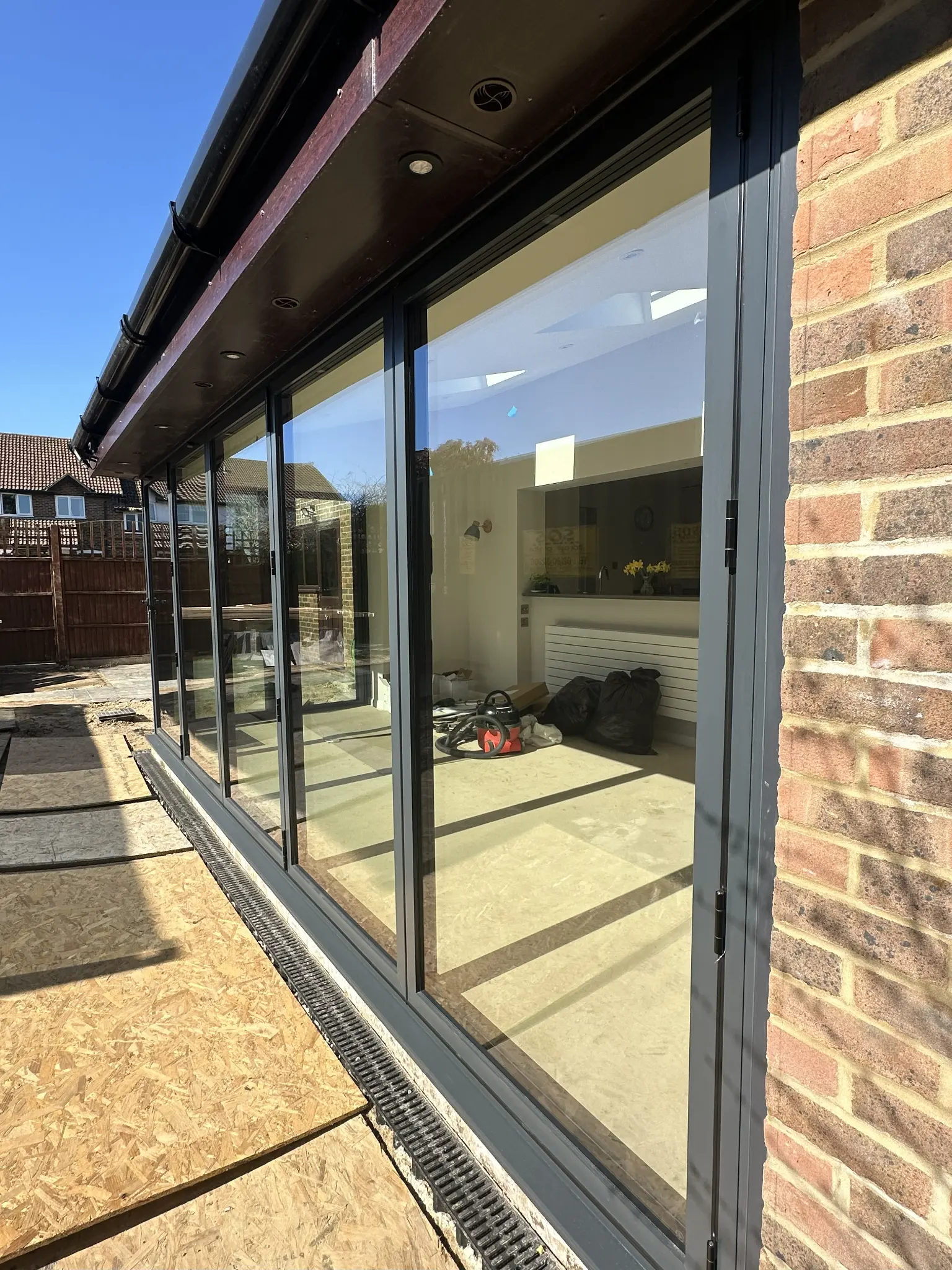
- Pros: Exceptionally strong, allowing for slim sightlines and large panes of glass. Highly durable and resistant to warping. Modern aluminium frames are powder-coated, offering excellent corrosion resistance. Available in a wide range of colours.
- Cons: Can be more expensive than uPVC. Thermal performance needs careful consideration; 'thermal break' technology is essential to prevent cold bridging.
- Coastal Specifics: Opt for marine-grade powder coating (e.g., Qualicoat Class 2 or higher) for enhanced salt resistance. Regular cleaning is still recommended.
uPVC (Unplasticised Polyvinyl Chloride)
- Pros: Cost-effective, excellent thermal insulation properties, low maintenance, and widely available.
- Cons: Can be less rigid than aluminium, potentially limiting maximum pane sizes. Some uPVC can discolour over time with intense UV exposure, though modern formulations are much improved.
- Coastal Specifics: Choose high-quality uPVC with good UV stability. Ensure internal steel reinforcements are galvanised or otherwise protected against corrosion.
Timber
- Pros: Natural aesthetic, excellent thermal properties, and can be repaired. Sustainable choice if sourced responsibly.
- Cons: Requires significant ongoing maintenance (painting/staining) to protect against moisture and salt. Prone to rot if not meticulously maintained.
- Coastal Specifics: Specify durable hardwoods or engineered timber with factory-applied, multi-coat paint systems. Regular inspection and maintenance are critical.
Composite (Timber-Aluminium)
- Pros: Combines the best of both worlds – timber internally for warmth and aesthetics, aluminium externally for durability and low maintenance. Excellent thermal performance.
- Cons: Typically the most expensive option.
- Coastal Specifics: The external aluminium cladding should have marine-grade powder coating.
Pro Tip
Always ask your supplier for detailed specifications on the corrosion resistance of hardware (hinges, locks, handles). Look for stainless steel (316 marine grade is ideal) or specially coated components that meet or exceed relevant British Standards for coastal environments.
Glazing Specifications for Coastal Environments
Beyond the frame, the glass itself and its installation are crucial for performance.
Glass Type and Thickness
- Toughened Glass: Essential for safety and impact resistance, especially in areas prone to high winds or where there's a risk of accidental impact. All glass in doors and low-level windows (below 800mm from floor level) should be toughened or laminated to comply with Building Regulations Part K (Protection from falling, collision and impact).
- Laminated Glass: Offers enhanced security and acoustic insulation. If broken, the interlayer holds the glass in place, preventing large shards. This can be beneficial in high-wind areas for safety.
- Thickness: Coastal properties may require thicker glass (e.g., 6mm instead of standard 4mm) or specific glass configurations to withstand higher wind loads. This should be determined by structural calculations based on your property's location and exposure.
Thermal Performance (U-Values)
Even in coastal areas, thermal efficiency is vital for comfort and energy bills. Double or triple glazing is standard. The U-value measures how effectively a window prevents heat from escaping. Lower U-values indicate better insulation.
- Double Glazing: Typically consists of two panes of glass separated by a sealed cavity, often filled with inert gas like argon.
- Triple Glazing: Three panes of glass with two cavities, offering superior thermal and acoustic performance, though heavier and more expensive.
For replacement windows in England, the maximum allowable U-value is 1.4 W/m²K. For new builds and extensions, it's even stricter at 1.2 W/m²K. Always aim to exceed these minimums where possible.
Seals and Gaskets
High-quality, durable seals (EPDM rubber or similar) are critical to prevent water and air ingress. They must be resistant to UV degradation and maintain their elasticity over time, even with constant exposure to salt and moisture.
UK Building Regulations and Standards
Compliance with UK Building Regulations is not optional. For coastal properties, specific attention must be paid to several parts:
- Part L (Conservation of Fuel and Power): Dictates thermal performance. As mentioned, new windows in existing dwellings must achieve a U-value of 1.4 W/m²K or better. For new build or extensions, the requirement is 1.2 W/m²K.
- Part K (Protection from falling, collision and impact): Specifies safety glazing requirements, particularly for critical locations like doors and low-level windows, requiring toughened or laminated glass.
- Part F (Ventilation): Ensures adequate ventilation, which might involve trickle vents or other controlled ventilation methods within the windows.
- Part B (Fire Safety): Relevant for escape windows, particularly in upper floors.
- Wind Load Calculations: While not a specific 'Part' of Building Regulations, the structural integrity of windows and doors must be sufficient for the specific wind loads of the site. BS 6375-1:2009 (Performance of windows and doors – Classification for weathertightness and strength) is the relevant British Standard, and manufacturers should provide ratings for air permeability, water tightness, and wind resistance. Coastal areas will typically require higher classifications.
It is always advisable to consult with your local Building Control body or a qualified architect/surveyor to ensure your chosen glazing solution meets all specific requirements for your property's location.
Enhanced Durability
Specialised materials and coatings resist salt corrosion and UV degradation, extending product lifespan significantly.
Superior Weather Protection
Robust frames, thicker glass, and advanced sealing systems provide exceptional resistance against high winds and driving rain.
Improved Thermal Efficiency
High-performance glazing reduces heat loss, leading to lower energy bills and a more comfortable indoor environment.
Increased Safety & Security
Toughened or laminated glass and strong frames offer better protection against impacts and potential intruders.
Installation and Ongoing Maintenance
Even the best glazing can fail if poorly installed or neglected.
Professional Installation
Given the specific demands of coastal environments, professional installation by experienced, FENSA or CERTASS registered installers is non-negotiable. They will ensure:
- Correct fitting to withstand wind loads.
- Proper sealing against water ingress.
- Adherence to all relevant Building Regulations.
- Use of appropriate fixings and sealants resistant to coastal conditions.
Regular Cleaning and Maintenance
This is perhaps the most critical aspect for coastal glazing longevity.
- Frequency: Clean frames and glass more frequently than inland properties – ideally monthly, or at least quarterly.
- Method: Use fresh water and a mild detergent. Rinse thoroughly to remove all salt residue. Avoid abrasive cleaners or harsh chemicals.
- Hardware: Regularly inspect and lubricate hinges, locks, and moving parts with a suitable non-corrosive lubricant.
- Seals: Check seals and gaskets for signs of degradation, cracking, or shrinkage. Replace if necessary.
Comparison Table: Coastal Glazing Options
| Feature | Aluminium (Marine Grade) | uPVC (High Quality) | Timber (Engineered/Hardwood) | Composite (Timber-Alu) |
|---|---|---|---|---|
| Corrosion Resistance | Excellent (with marine-grade coating) | Very Good (frame), Good (hardware) | Poor (unless meticulously maintained) | Excellent (external aluminium) |
| Wind Load Resistance | Excellent (inherent strength) | Good (with steel reinforcement) | Good (dependent on timber type/design) | Excellent |
| Thermal Performance | Good (with thermal break) | Excellent | Excellent | Excellent |
| Maintenance Level | Low (regular cleaning) | Low (regular cleaning) | High (regular painting/staining) | Low (external), Moderate (internal) |
| Cost (Relative) | High | Medium | Medium to High | Very High |
| Aesthetic Versatility | High (slim frames, many colours) | Medium (chunkier frames, fewer colours) | High (natural look) | High |
Choosing the right glazing for your coastal property is a significant investment that pays dividends in comfort, energy efficiency, and peace of mind. By understanding the unique challenges of the marine environment and specifying materials and designs engineered to withstand them, you can ensure your windows and doors perform optimally for decades.
At Shard AG, we specialise in high-performance architectural glazing solutions tailored for challenging environments, including coastal properties across the UK. Our expert team can guide you through the selection process, ensuring your project meets all regulatory requirements and exceeds your expectations for durability, thermal efficiency, and aesthetic appeal. We offer a range of marine-grade aluminium, high-quality uPVC, and composite systems, designed and installed to provide robust protection against the elements while maximising your property's natural light and views.
Explore Our Products
Discover how Shard Architectural Glazing can transform your home with our premium glazing solutions:
Ready to Transform Your Home?
Get in touch with our expert team for a free consultation and personalised quote. We'll help you choose the perfect glazing solution for your property.