
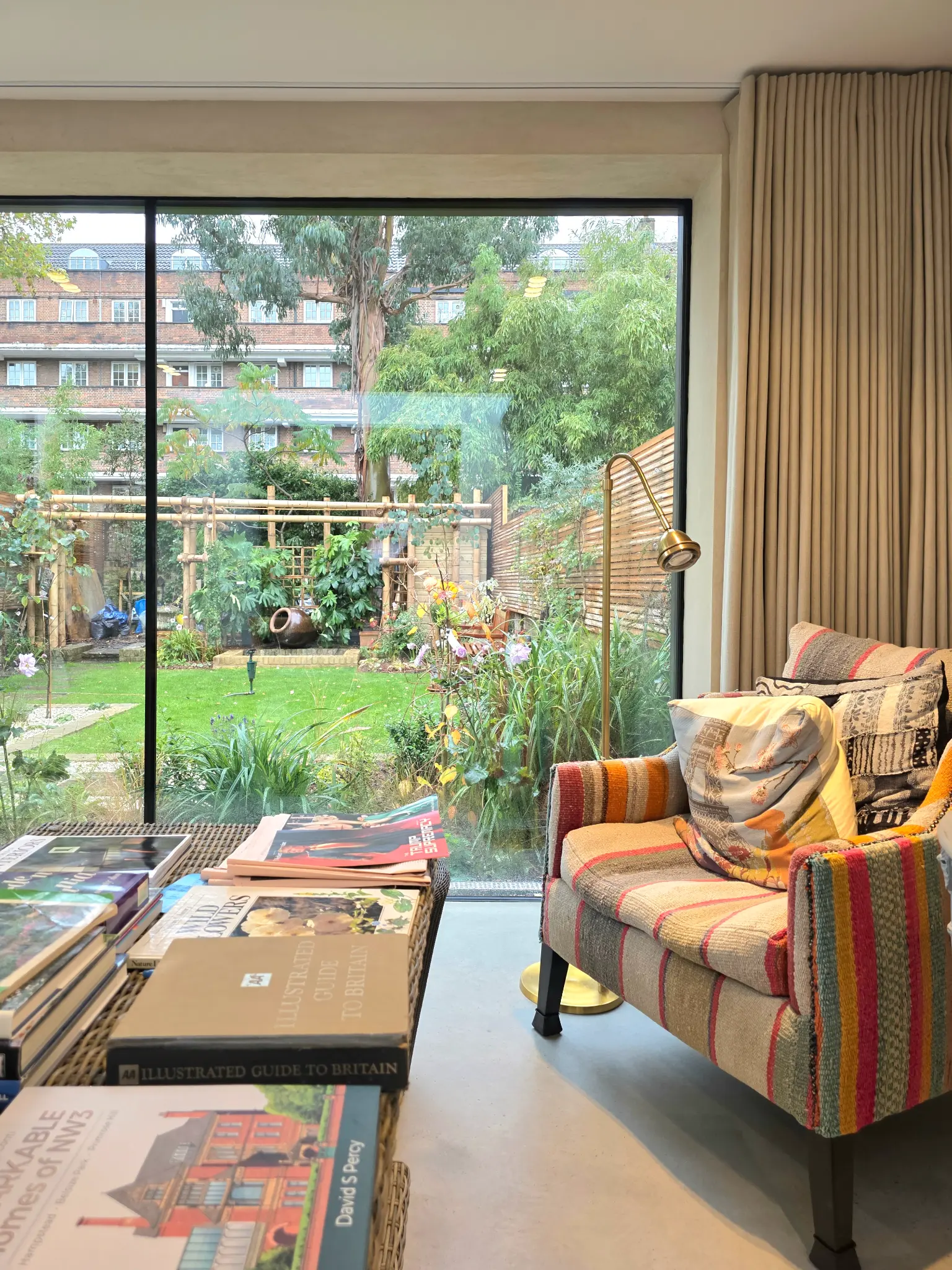
Creating Seamless Indoor-Outdoor Living Spaces in Your UK Home
Discover how to design and build stunning indoor-outdoor living spaces in the UK. Learn about glazing options, planning, building regulations, and practical tips.

Shard Architectural Glazing
19 February 2026
Discover how to design and build stunning indoor-outdoor living spaces in the UK. Learn about glazing options, planning, building regulations, and practical tips.
📋In This Article
The concept of indoor-outdoor living has captivated homeowners across the UK, transforming the way we interact with our homes and gardens. Far from being a fleeting trend, it represents a fundamental shift towards more connected, versatile, and light-filled living environments. For UK homeowners, this means embracing innovative design and architectural glazing solutions to blur the lines between internal comfort and external beauty, even within our often-unpredictable climate.
This comprehensive guide will delve into the intricacies of creating successful indoor-outdoor living spaces. We'll explore the design principles, essential glazing options, critical planning considerations, and how to navigate UK Building Regulations to ensure your project is not only beautiful but also compliant and energy-efficient.
What is Indoor-Outdoor Living?
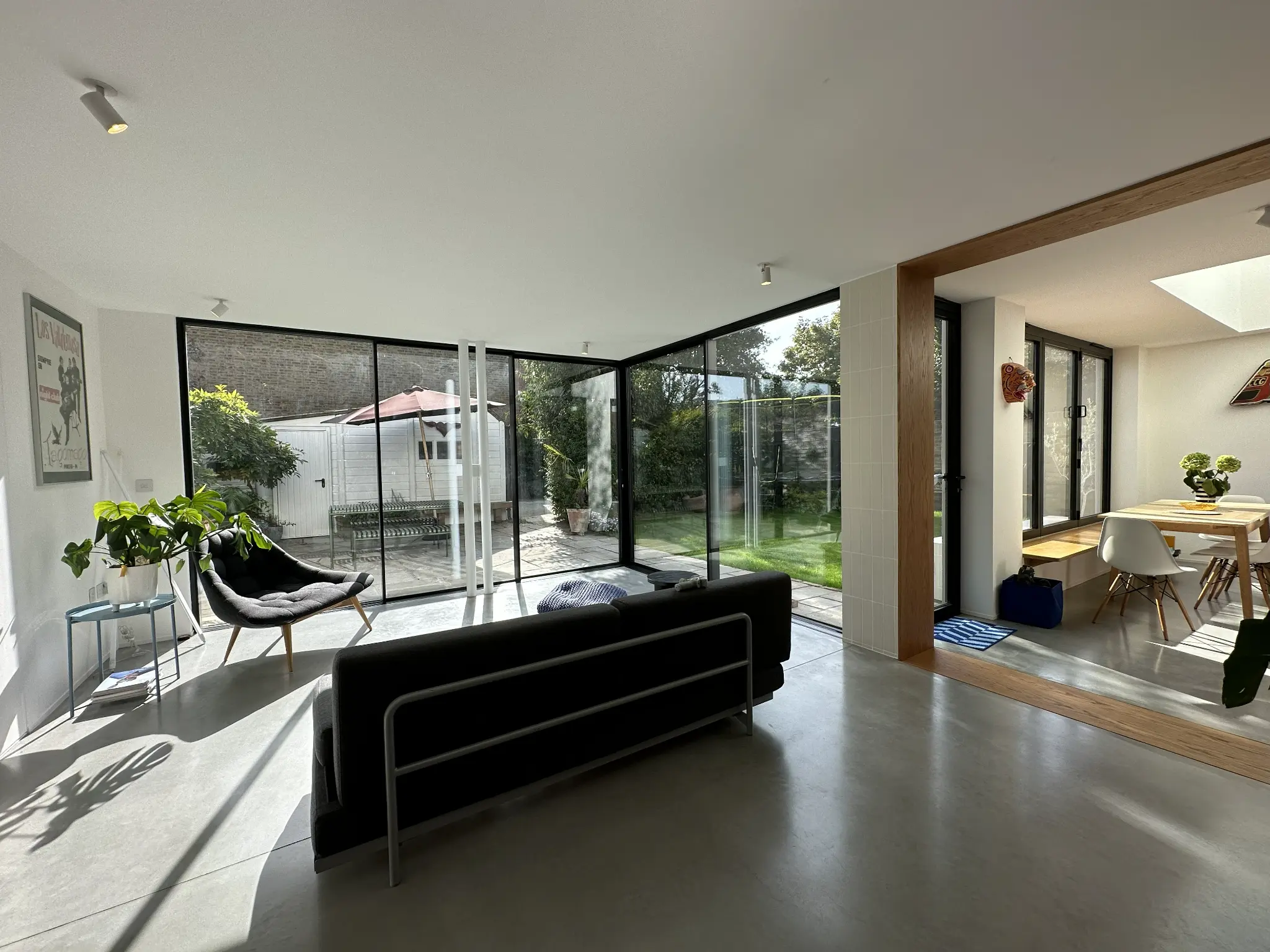
At its core, indoor-outdoor living is about designing spaces that flow seamlessly between the interior and exterior of a property. It's about creating areas that can adapt to different weather conditions, allowing natural light and fresh air to penetrate deep into the home, while also providing shelter and comfort when needed. This isn't just about adding a patio; it's about integrating architectural elements, particularly large expanses of glass, to create a harmonious extension of your living space.
Key Characteristics:
- Seamless Transitions: Minimal thresholds, consistent flooring materials, and large opening glazed elements.
- Abundant Natural Light: Maximising daylight penetration to enhance mood and reduce reliance on artificial lighting.
- Ventilation: Easy access to fresh air, improving indoor air quality and comfort.
- Versatility: Spaces that can be fully open in good weather and securely enclosed when conditions are less favourable.
- Connection to Nature: Bringing views of the garden, sky, and natural surroundings into the home.
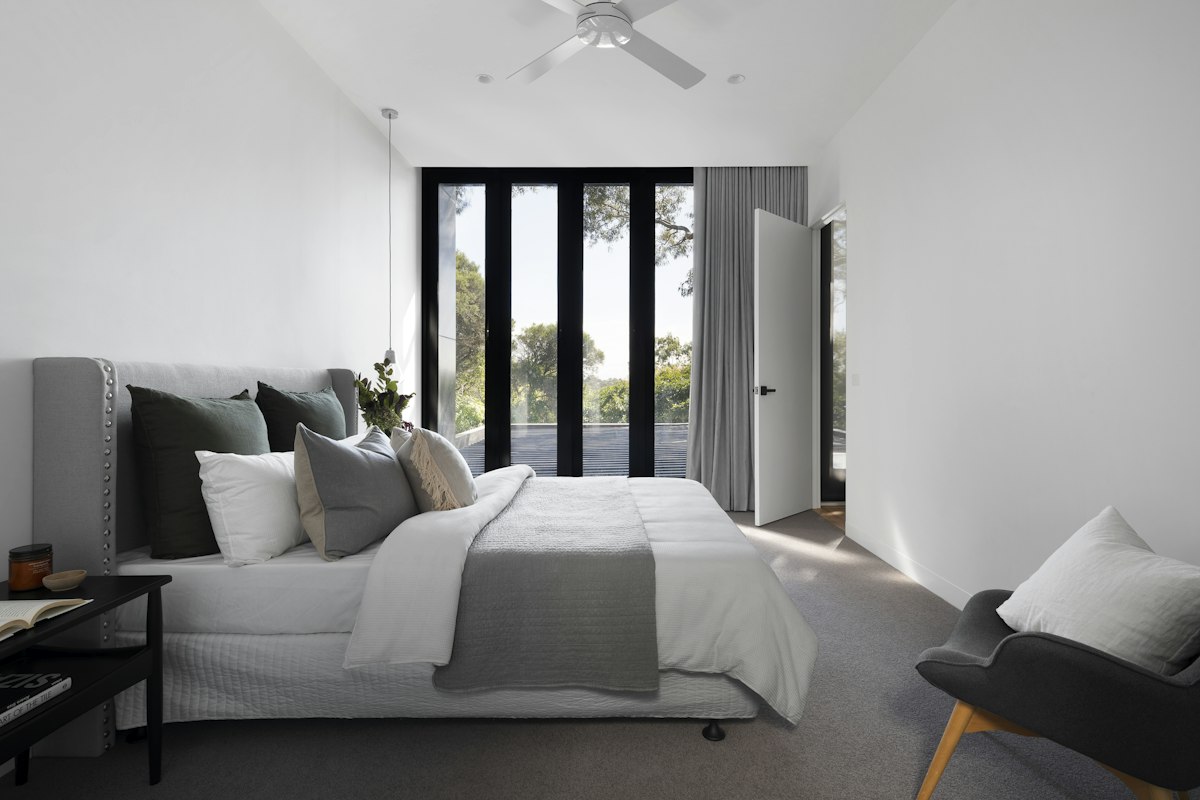
Design Principles for Seamless Flow
Achieving a truly integrated indoor-outdoor space requires careful planning and attention to several design elements beyond just the glazing itself.
1. Flooring Continuity
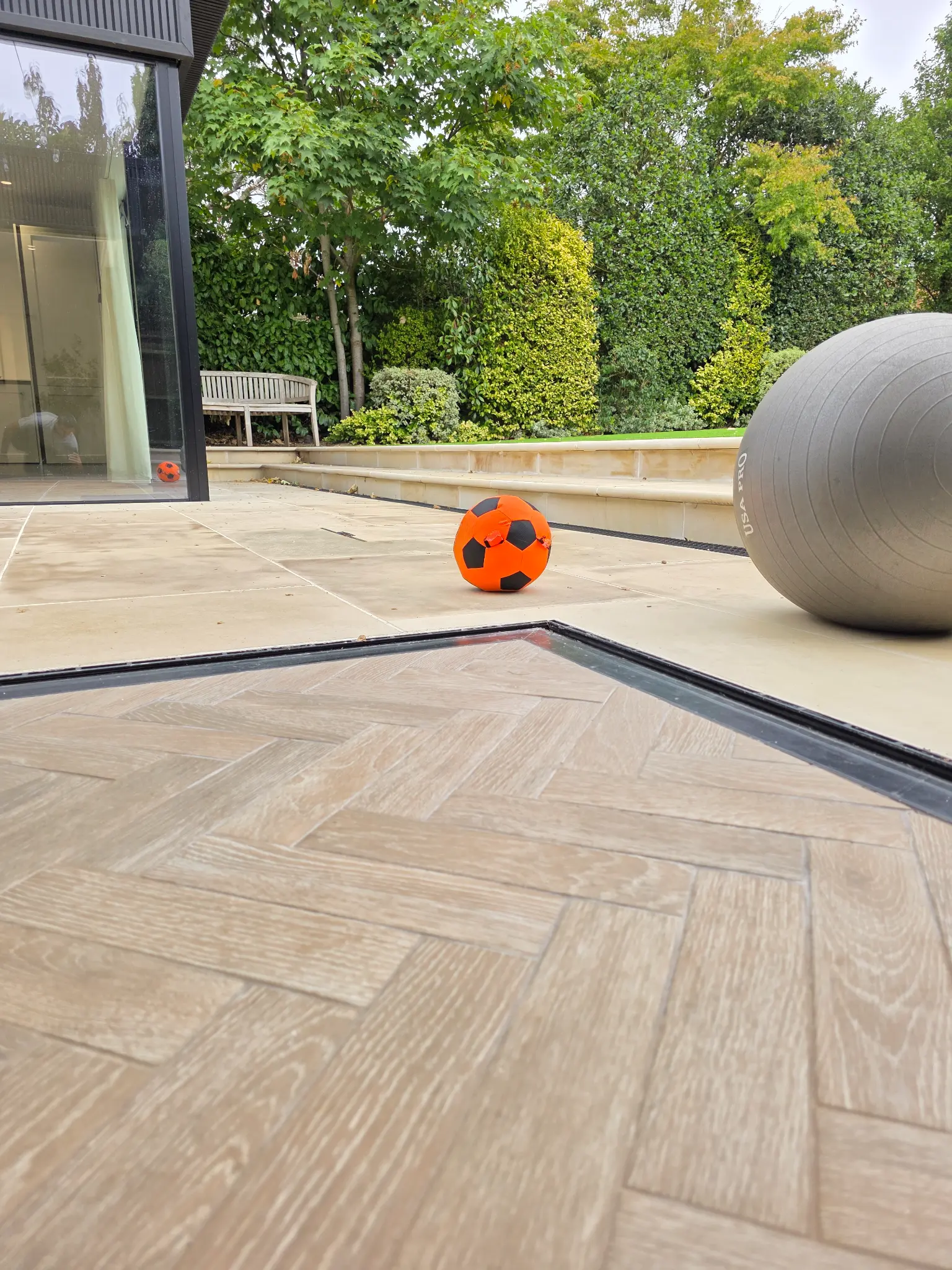
One of the most effective ways to blur the boundary is through consistent flooring. Using the same or very similar materials, colours, and textures for both your internal and external floor surfaces creates an illusion of one continuous space. Popular choices include large format porcelain tiles, natural stone, or composite decking that complements internal timber flooring.
- Thresholds: Opt for flush thresholds with your glazing systems. While a slight drainage gap may be necessary for weatherproofing, modern systems minimise this to just a few millimetres, preventing trip hazards and enhancing the seamless look.
2. Cohesive Colour Palettes and Materials
Extend your interior design aesthetic outwards. Use similar colour schemes, furniture styles, and material choices (e.g., timber accents, metal finishes) in both areas. This creates a visual link that reinforces the sense of a single, larger living zone.
3. Lighting Integration
Thoughtful lighting design is crucial for extending the usability of your outdoor space into the evening. Integrate recessed ceiling lights, wall sconces, and subtle landscape lighting that mirrors your interior lighting scheme. This ensures that the outdoor area feels like an inviting extension, even after sunset.
4. Landscaping and Planting
Consider how your garden design interacts with the interior. Strategic planting can frame views, provide privacy, and introduce natural elements that complement your indoor decor. Raised planters or built-in seating can also help define zones without creating harsh barriers.
Pro Tip
When selecting external flooring, ensure it has appropriate slip resistance for wet conditions, especially if it's a material that continues from indoors. Look for R-ratings (e.g., R11 for outdoor use) or PTV (Pendulum Test Value) to ensure safety.
Essential Glazing Options for UK Homes
The choice of glazing is paramount to the success of an indoor-outdoor living space. It dictates the amount of light, ventilation, and the physical connection between areas. Given the UK's climate, thermal performance and weather resistance are critical.
1. Bifold Doors
Description: Bifold doors consist of multiple panels that fold and slide open, stacking neatly to one or both sides. They offer a near-uninterrupted opening, typically up to 90% of the aperture.
- Pros: Maximum opening width, excellent for creating large, open spaces.
- Cons: Panels stack, which can intrude slightly on space; require a track system.
- Technical: Available in aluminium, timber, or uPVC. Aluminium is popular for its slim frames and durability. Look for U-values of 1.4 W/m²K or better for replacement doors, and 1.2 W/m²K for new builds/extensions to meet current Building Regulations Part L.
2. Sliding Doors (Patio Doors)
Description: Large glass panels that slide horizontally, typically on a two-track system, allowing one panel to slide behind another. Lift-and-slide mechanisms offer enhanced security and weather sealing.
- Pros: Larger individual glass panels offer expansive, uninterrupted views when closed; panels don't intrude on space when open.
- Cons: Typically only 50% of the opening can be clear (one panel slides behind another).
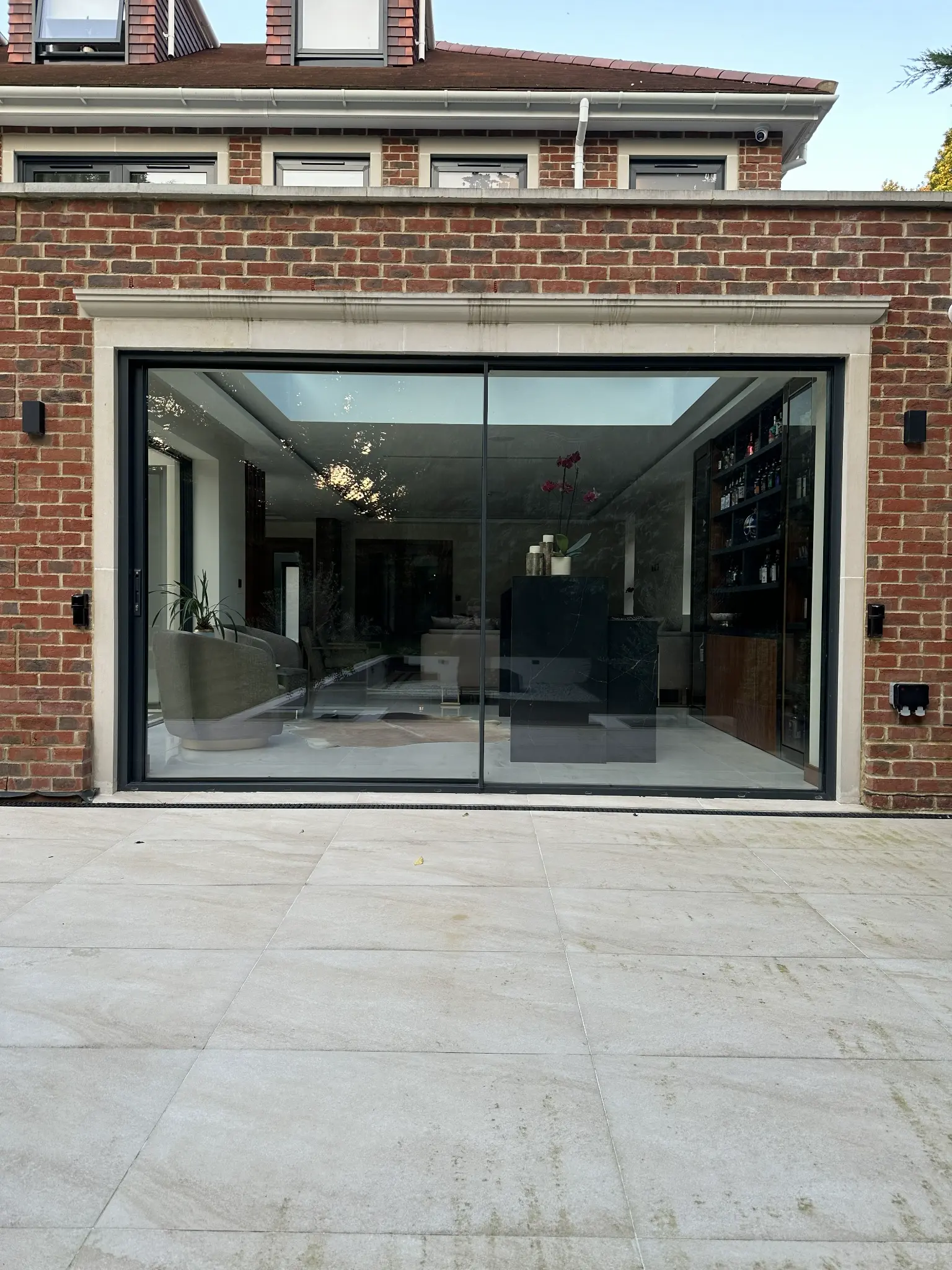
- Technical: Often available with very slim frames (e.g., 20-30mm sightlines for contemporary designs). U-values should meet or exceed 1.4 W/m²K (replacement) or 1.2 W/m²K (new build/extension).
3. French Doors
Description: A pair of hinged doors that open outwards or inwards from a central point. Can be combined with side panels and top lights.
- Pros: Traditional aesthetic, simple operation, can be very secure.
- Cons: Limited opening width compared to bifolds or sliders; open doors can take up space.
- Technical: Often used for smaller openings. Ensure robust hinges and multi-point locking. U-values as per other doors (1.4 W/m²K or 1.2 W/m²K).
4. Picture Windows / Fixed Glazing
Description: Non-opening large panes of glass designed purely for light and views.
- Pros: Maximise natural light and offer unobstructed views; highly energy efficient due to no opening mechanisms.
- Cons: No ventilation; can lead to overheating if not specified with solar control glass.
- Technical: Can be integrated alongside opening doors. U-values are typically excellent, often below 1.0 W/m²K. Consider low-emissivity (low-e) coatings and argon gas fills for optimal thermal performance.
Comparison of Glazing Options:
| Feature | Bifold Doors | Sliding Doors | French Doors |
|---|---|---|---|
| Max Opening | Up to 90% | Up to 50% | Up to 100% (of two panels) |
| View When Closed | Multiple vertical sightlines | Expansive, minimal sightlines | Two main vertical sightlines |
| Space Intrusion | Panels stack at side | None (panels slide behind) | Doors open outwards/inwards |
| Typical Cost | High | Medium-High | Medium |
| Aesthetic | Modern, open plan | Contemporary, minimalist | Traditional, classic |
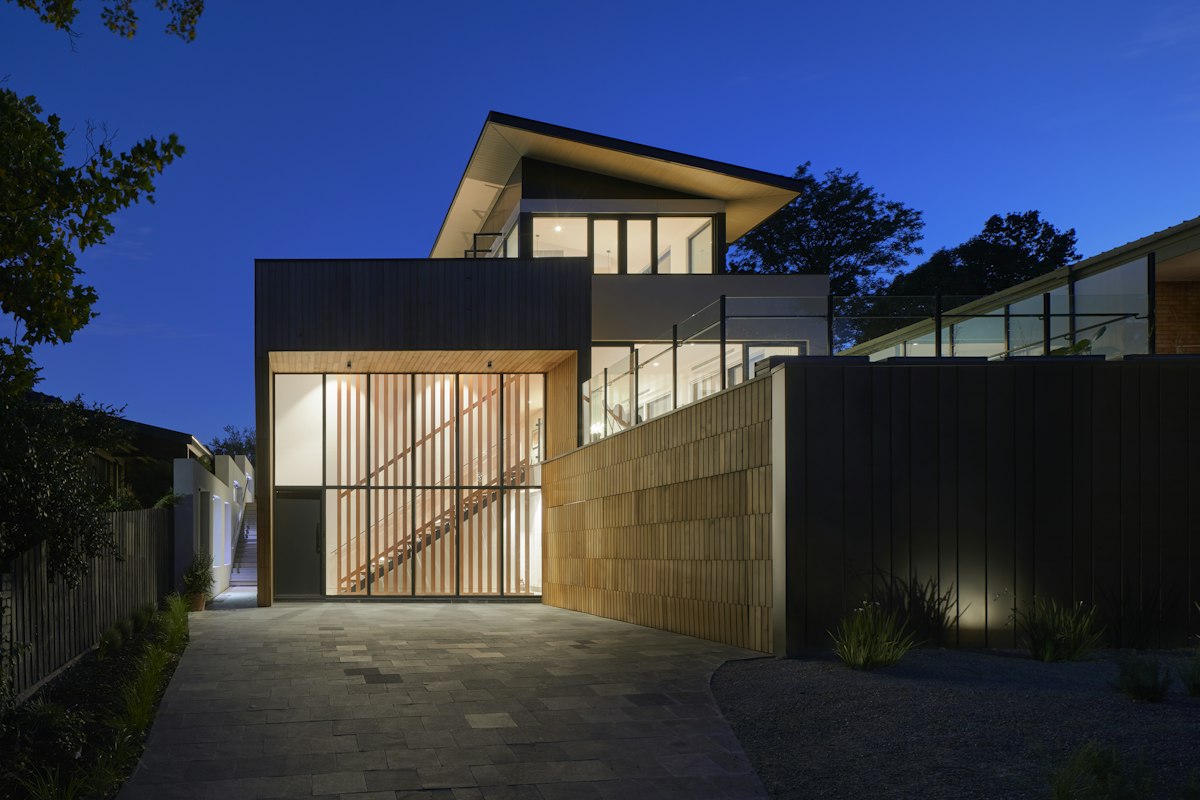
Planning, Building Regulations, and Technical Considerations
Before embarking on your indoor-outdoor living project, it's crucial to understand the regulatory landscape in the UK.
1. Planning Permission
Many internal alterations or minor external changes (like replacing existing doors/windows with similar ones) fall under 'Permitted Development' and may not require planning permission. However, if your project involves:
- A new extension (even a small one to accommodate new doors)
- Significant alterations to the exterior of your home, especially in conservation areas or for listed buildings
- Changes to the volume or footprint of your property
...then planning permission will likely be required. It is always advisable to check with your local planning authority before starting any work.
2. UK Building Regulations (Part L - Conservation of Fuel and Power)
Any new or replacement glazing must comply with Part L of the Building Regulations (England, 2022 edition). This focuses on thermal performance to ensure energy efficiency.
- U-Values: This measures how effectively a component prevents heat from escaping. Lower U-values indicate better insulation.
- New Extensions/New Builds: Windows and doors must achieve a maximum U-value of 1.2 W/m²K. Walls must be 0.18 W/m²K, floors 0.18 W/m²K, and roofs 0.15 W/m²K.
- Replacement Windows/Doors: The maximum U-value permitted is 1.4 W/m²K.
- Compliance: Your installer should provide FENSA/CERTASS certification or you will need to apply for Building Control approval.
3. Structural Considerations
Removing sections of wall to install large glazing systems will almost certainly require structural alterations, such as installing a steel beam (RSJ) or lintel. This work is subject to Building Regulations and will require calculations from a structural engineer. Never undertake such work without professional advice and Building Control approval.
4. Drainage and Weatherproofing
Creating a flush threshold requires careful consideration of drainage to prevent water ingress. Modern systems often incorporate discreet drainage channels. Ensure your chosen system has excellent weather ratings for wind, water, and air permeability, crucial for the UK climate.
5. Security
Large glazed openings must not compromise your home's security. Look for systems that meet PAS 24 (Publicly Available Specification) standards, incorporate multi-point locking mechanisms, and use laminated or toughened glass.
6. Solar Gain and Overheating
While natural light is desirable, large south or west-facing glass areas can lead to excessive solar gain and overheating in summer. Consider:
- Solar Control Glass: Special coatings that reflect a percentage of solar radiation.
- External Shading: Awnings, pergolas, or brise soleil can effectively block direct sunlight.
- Ventilation Strategy: Ensure adequate ventilation to dissipate heat.
Benefits of Indoor-Outdoor Living
Enhanced Lifestyle
Enjoy greater flexibility in how you use your home. Host gatherings that spill out into the garden, dine al fresco more often, or simply relax with a seamless connection to nature.
Increased Natural Light
Large glazing maximises daylight, reducing the need for artificial lighting and creating brighter, more uplifting interior spaces, positively impacting mood and well-being.
Perceived Space & Value
By blurring boundaries, your home feels larger and more expansive. This can significantly enhance the aesthetic appeal and potentially increase the market value of your property.
Improved Ventilation
Easily open up large sections of your home to allow fresh air to circulate, improving indoor air quality and helping to regulate internal temperatures.
Maintaining Your Indoor-Outdoor Space
To ensure your beautiful new space remains functional and aesthetically pleasing for years to come, regular maintenance is key.
- Cleaning: Regular cleaning of glass and frames is essential. Use appropriate cleaners for the frame material (e.g., non-abrasive for aluminium) and a good quality glass cleaner.
- Hardware: Periodically check and clean tracks, hinges, and locking mechanisms. Lubricate moving parts as recommended by the manufacturer to ensure smooth operation.
- Seals: Inspect rubber seals and gaskets for any signs of perishing or damage, which could compromise weatherproofing and thermal performance.
- Drainage: Keep external drainage channels clear of debris to prevent water build-up.
Conclusion
Creating an indoor-outdoor living space is a significant investment that can profoundly transform your home and lifestyle. By carefully considering design principles, selecting the right glazing solutions, and understanding the necessary planning and Building Regulations, UK homeowners can achieve stunning, functional, and energy-efficient spaces that truly connect them with their surroundings.
For expert advice on architectural glazing solutions tailored to your indoor-outdoor living project, consider consulting with specialists. Shard AG offers a wide range of high-performance bifold doors, sliding doors, and bespoke glazing systems, designed to meet the specific demands of the UK climate and Building Regulations. Our team can guide you through the options, ensuring your vision for a seamless living space becomes a reality.
Explore Our Products
Discover how Shard Architectural Glazing can transform your home with our premium glazing solutions:
Ready to Transform Your Home?
Get in touch with our expert team for a free consultation and personalised quote. We'll help you choose the perfect glazing solution for your property.