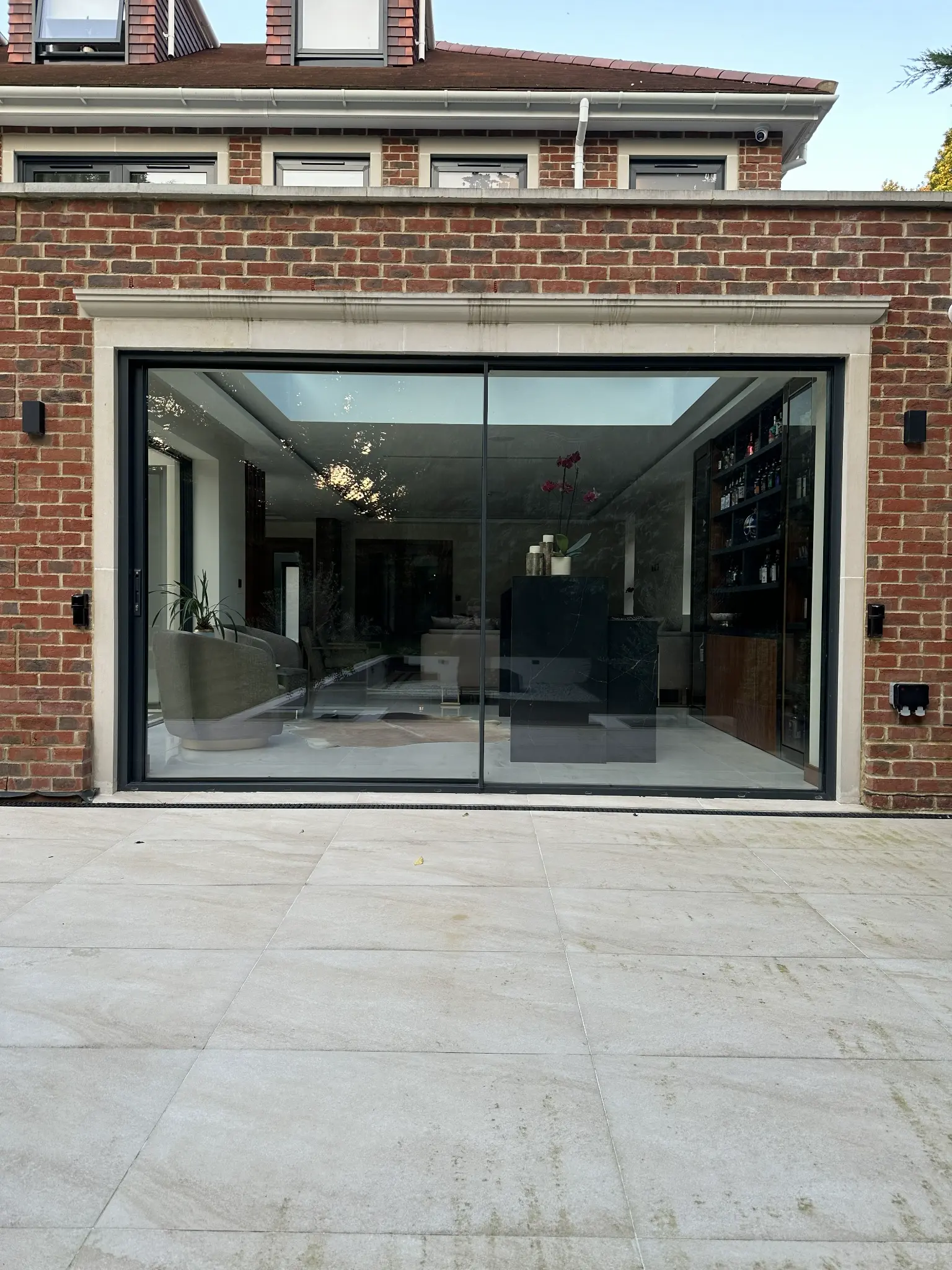
Sustainable Glazing: Eco-Friendly Windows for UK Homes
Explore sustainable glazing options for your UK home. Learn about energy efficiency, material choices, and how to comply with Building Regulations.

Shard Architectural Glazing
15 April 2026
Explore sustainable glazing options for your UK home. Learn about energy efficiency, material choices, and how to comply with Building Regulations.
📋In This Article
In an era where environmental consciousness is paramount, homeowners are increasingly seeking ways to reduce their carbon footprint and create more energy-efficient living spaces. When it comes to home improvements, glazing plays a pivotal role in a property's thermal performance, comfort, and overall sustainability. Choosing sustainable glazing options isn't just about being 'green'; it's about making a smart investment that can lead to significant long-term savings on energy bills and a more comfortable home environment.
This guide will delve into the world of sustainable glazing, exploring the key factors that contribute to its environmental performance, the various material choices available, and how these options align with UK Building Regulations. Our aim is to provide you with the knowledge needed to make informed decisions for your home, balancing performance, aesthetics, and ecological responsibility.
Understanding Sustainable Glazing
Sustainable glazing encompasses more than just the glass itself. It refers to a holistic approach that considers the entire lifecycle of a window or door, from raw material extraction and manufacturing processes to installation, operational energy efficiency, and end-of-life recycling. The primary goal is to minimise environmental impact while maximising thermal performance and durability.
Key Principles of Sustainable Glazing:
- Energy Efficiency: Reducing heat loss in winter and heat gain in summer, thereby lowering reliance on heating and cooling systems.
- Material Selection: Opting for materials that are responsibly sourced, recyclable, and have a low embodied energy (the energy consumed by all processes associated with the production of a building, from the mining and processing of natural resources to manufacturing, transport and product delivery).
- Durability and Longevity: Products designed to last, reducing the need for frequent replacement and minimising waste.
- Responsible Manufacturing: Choosing manufacturers with ethical labour practices and environmentally sound production methods.
- Recyclability: Ensuring components can be recycled or repurposed at the end of their useful life.
.jpg)
Energy Efficiency: The Cornerstone of Sustainable Glazing
The most significant contribution of glazing to a home's sustainability is its ability to manage heat transfer. This is primarily measured by its U-value, expressed in Watts per square metre Kelvin (W/m²K). A lower U-value indicates better insulation and less heat loss. For UK homeowners, understanding U-values is crucial for compliance with Building Regulations Part L (Conservation of Fuel and Power).
Key Elements for Energy-Efficient Glazing:
- Double and Triple Glazing: These systems incorporate multiple panes of glass separated by a sealed cavity. The cavity is typically filled with an inert gas like argon or krypton, which is denser than air and a poorer conductor of heat, significantly improving thermal performance. Triple glazing offers superior insulation compared to double glazing, often achieving U-values below 1.0 W/m²K.
- Low-Emissivity (Low-E) Coatings: A microscopically thin, transparent metallic coating applied to one of the glass surfaces. This coating reflects heat back into the room in winter and reduces heat gain from the sun in summer, without significantly affecting visible light transmission.
- Warm Edge Spacer Bars: Traditionally, aluminium spacer bars (which separate the glass panes) were used, but these are highly conductive and create a 'cold bridge' around the edge of the unit, leading to heat loss and potential condensation. Warm edge spacers are made from low-conductivity materials (e.g., composite plastic or foam) and dramatically improve the overall U-value of the window.
- Frame Material: The frame material also contributes to the overall U-value of the window. Different materials offer varying levels of insulation, which we will explore in the next section.
Pro Tip
When comparing glazing options, always ask for the overall window U-value (Uw), not just the glass U-value (Ug). The Uw value takes into account the performance of the glass, frame, and spacer bar, giving you a more accurate picture of the window's total thermal efficiency.
Sustainable Frame Materials
The choice of frame material significantly impacts the environmental footprint and performance of your windows and doors. Each material has its own set of advantages and considerations regarding sustainability.
1. uPVC (Unplasticised Polyvinyl Chloride)
- Pros: Excellent thermal insulation, highly durable, low maintenance, and increasingly recyclable. Modern uPVC frames often incorporate recycled content.
- Cons: Production involves petrochemicals. While recyclable, the recycling infrastructure needs further development to handle all waste streams effectively.
2. Timber
- Pros: A natural, renewable resource when sourced from sustainably managed forests (look for FSC or PEFC certification). Low embodied energy, aesthetically pleasing, and offers good insulation naturally.
- Cons: Requires more maintenance (painting/staining) than uPVC or aluminium. Durability can vary depending on timber type and treatment.
3. Aluminium
- Pros: Extremely strong, durable, and 100% recyclable with minimal loss of quality. Aluminium has a high recycled content in production. Allows for very slim sightlines and large glazed areas.
- Cons: High embodied energy in primary production. Aluminium is a good conductor of heat, so frames require advanced thermal breaks (insulating barriers within the frame) to achieve good U-values.
4. Composite (Aluminium-Clad Timber or Timber-Clad Aluminium)
- Pros: Combines the best of both worlds – the natural warmth and aesthetics of timber internally with the low maintenance and durability of aluminium externally. Offers excellent thermal performance.
- Cons: Generally the most expensive option. Can be more complex to recycle due to the mixed materials.
Reduced Energy Bills
High-performance glazing significantly cuts heat loss, leading to lower heating costs throughout the year.
Enhanced Comfort
Minimises cold spots and draughts, creating a more stable and comfortable internal temperature.
Lower Carbon Footprint
By using less energy for heating, your home contributes less to greenhouse gas emissions.
Increased Property Value
Energy-efficient homes are more attractive to buyers and can command a higher market price.
UK Building Regulations and Sustainable Glazing
For any new build, extension, or replacement window project in England, compliance with Building Regulations Part L (Conservation of Fuel and Power) is mandatory. These regulations set minimum standards for the thermal performance of building elements, including glazing, to reduce energy consumption and carbon emissions.
The current standards (effective from June 2022) are more stringent than ever before. Here are the key U-value requirements for glazing:
| Application | Minimum U-value Requirement (W/m²K) |
|---|---|
| New Build Dwellings (Windows & Doors) | 1.2 |
| Replacement Windows & Doors | 1.4 |
| New Extensions (Walls) | 0.18 |
| New Extensions (Floors) | 0.18 |
| New Extensions (Roofs) | 0.15 |
It's important to note that while these are minimum requirements, exceeding them will lead to an even more energy-efficient home. When replacing windows, the installer should be FENSA or CERTASS registered, which ensures that the work complies with Building Regulations and you receive a certificate of compliance.
For new builds and extensions, the entire building fabric must meet specific U-values, and the overall dwelling must pass a 'fabric first' approach, often demonstrated through SAP (Standard Assessment Procedure) calculations. This means that while a window might meet the 1.2 W/m²K requirement, other elements of the building might need to perform even better to compensate and achieve the overall target emission rate.
Beyond U-values: Other Sustainability Factors
While U-values are critical, a truly sustainable glazing choice considers several other factors:
- Solar Heat Gain Coefficient (g-value): This measures how much solar radiation passes through the glass. A higher g-value means more solar heat gain. In south-facing windows, a lower g-value might be desirable to prevent overheating in summer, while in north-facing windows, a higher g-value could be beneficial for passive solar heating in winter.
- Air Permeability: How much air leaks through the window seals. Good seals are essential for preventing draughts and heat loss. Look for windows tested to British Standard BS 6375-1 for weather tightness.
- Lifecycle Assessment (LCA): This is a comprehensive analysis of a product's environmental impact throughout its entire life, from raw material extraction to disposal. While not always readily available for individual products, it's a principle that guides responsible manufacturers.
- Responsible Sourcing: For timber, ensure it's certified by organisations like the Forest Stewardship Council (FSC) or Programme for the Endorsement of Forest Certification (PEFC). For other materials, inquire about the manufacturer's environmental policies and certifications.
- Recycling Programmes: Ask your supplier about their recycling initiatives for old windows and offcuts. Many modern uPVC and aluminium systems are designed for easy disassembly and recycling.
Making Your Choice: Practical Considerations
Selecting sustainable glazing involves balancing performance, aesthetics, budget, and specific project requirements. Here are some practical steps:
- Assess Your Needs: Consider the orientation of your property, local climate, and existing insulation levels. Do you need to prioritise heat retention, solar control, or both?
- Research Suppliers: Look for reputable manufacturers and installers who are transparent about their materials, U-values, and sustainability practices. Check their certifications (e.g., FENSA/CERTASS for installers, BSI Kitemark for products).
- Compare Specifications: Don't just look at the headline price. Compare the overall window U-values (Uw), g-values, frame materials, and warranty periods.
- Consider Long-Term Value: While sustainable options might have a higher upfront cost, the energy savings over the lifespan of the windows often result in a lower total cost of ownership.
- Consult Professionals: For complex projects, especially new builds or large extensions, consult with an architect or energy assessor. They can help integrate glazing choices into the overall energy strategy for your home and ensure compliance with Building Regulations.
Choosing sustainable glazing is a significant step towards creating a more energy-efficient, comfortable, and environmentally responsible home. By understanding the technical aspects, material options, and regulatory requirements, UK homeowners can make choices that benefit both their property and the planet.
At Shard AG, we are committed to providing high-performance glazing solutions that align with modern sustainability principles. Our range of bespoke windows and doors is designed to exceed current UK Building Regulations, offering exceptional thermal efficiency, durability, and aesthetic appeal. We work closely with homeowners, architects, and builders across the UK to specify and supply glazing that not only enhances living spaces but also contributes to a greener future. Contact us today to discuss your project and explore how our expert team can help you achieve your sustainable glazing goals.
Explore Our Products
Discover how Shard Architectural Glazing can transform your home with our premium glazing solutions:
Ready to Transform Your Home?
Get in touch with our expert team for a free consultation and personalised quote. We'll help you choose the perfect glazing solution for your property.