
Creating Seamless Indoor-Outdoor Living Spaces in Your UK Home
Discover how to design and build stunning indoor-outdoor living spaces in the UK. Learn about glazing options, regulations, and practical considerations.

Shard Architectural Glazing
15 May 2026
Discover how to design and build stunning indoor-outdoor living spaces in the UK. Learn about glazing options, regulations, and practical considerations.
📋In This Article
The concept of indoor-outdoor living has captivated homeowners for decades, but its appeal has surged in recent years, particularly in the UK. Driven by a desire to maximise natural light, enhance connection with nature, and extend usable living space, more and more people are looking to blur the lines between their homes and gardens. This comprehensive guide will explore the principles, benefits, and practicalities of creating seamless indoor-outdoor living areas, tailored specifically for the UK climate and Building Regulations.
What is Indoor-Outdoor Living?
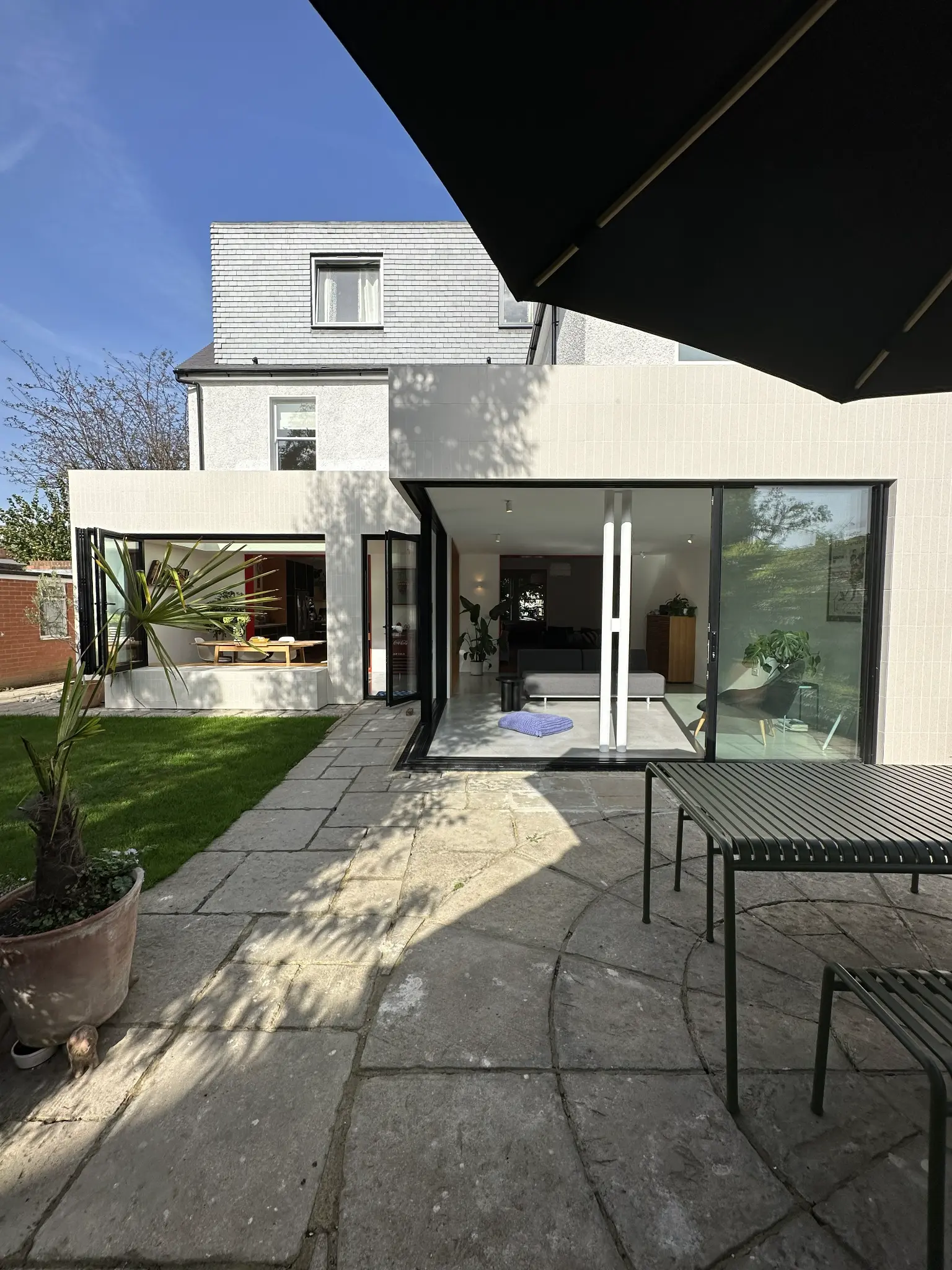
At its core, indoor-outdoor living is about designing spaces that flow effortlessly from the interior of your home to the exterior, typically a garden, patio, or terrace. It's not just about adding a patio door; it's about creating a cohesive environment where both areas feel like extensions of each other, sharing similar aesthetics, functionality, and comfort levels. The goal is to make the transition so smooth that the boundaries almost disappear, inviting natural light, fresh air, and views into your home.
Key Elements of Indoor-Outdoor Design:
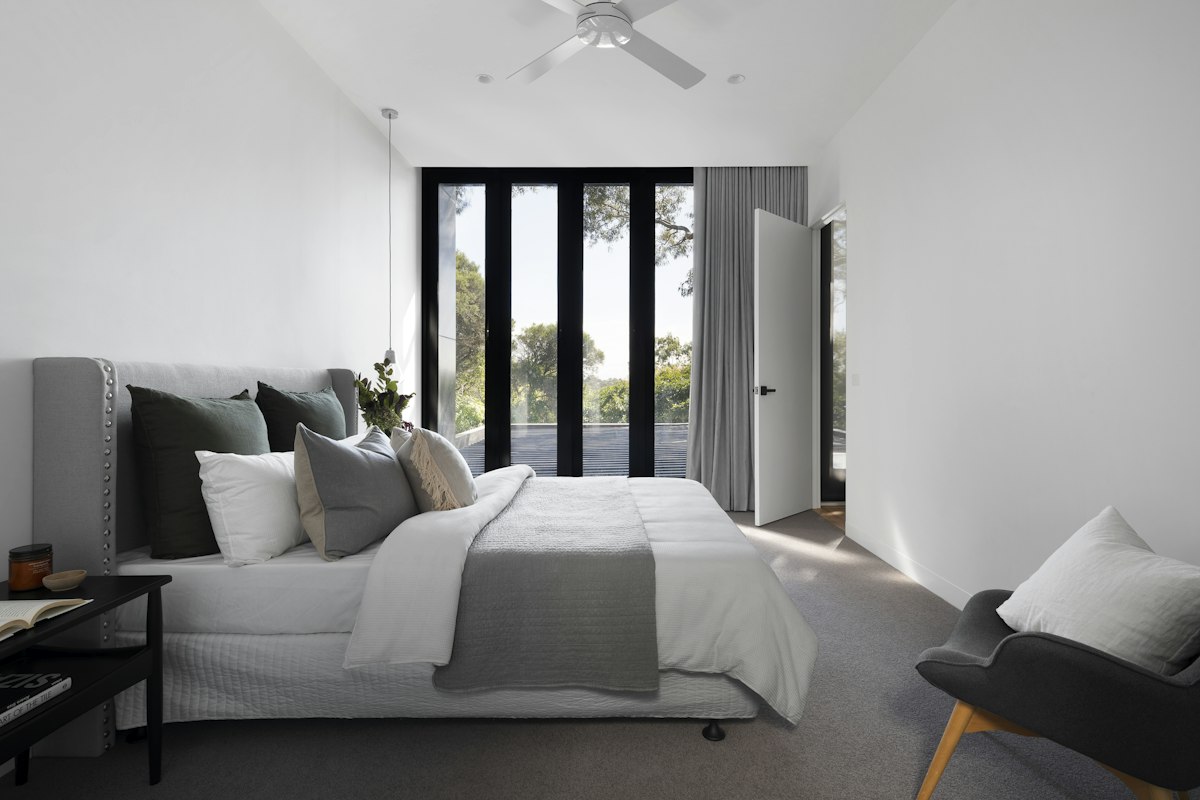
- Large Glazing Solutions: Bi-fold doors, sliding doors, and large picture windows are central to achieving visual and physical connectivity.
- Consistent Flooring: Using the same or complementary flooring materials inside and out helps to visually extend the space.
- Unified Aesthetics: Carrying through colour palettes, materials, and even furniture styles creates a harmonious look.
- Shelter and Shade: Pergolas, awnings, or covered patios can make outdoor areas usable in varying weather conditions.
- Landscaping Integration: Thoughtful garden design that complements the interior style.
Benefits of Seamless Indoor-Outdoor Spaces
Integrating your home with your garden offers a myriad of advantages that go beyond mere aesthetics, significantly enhancing your lifestyle and property value.
Enhanced Natural Light
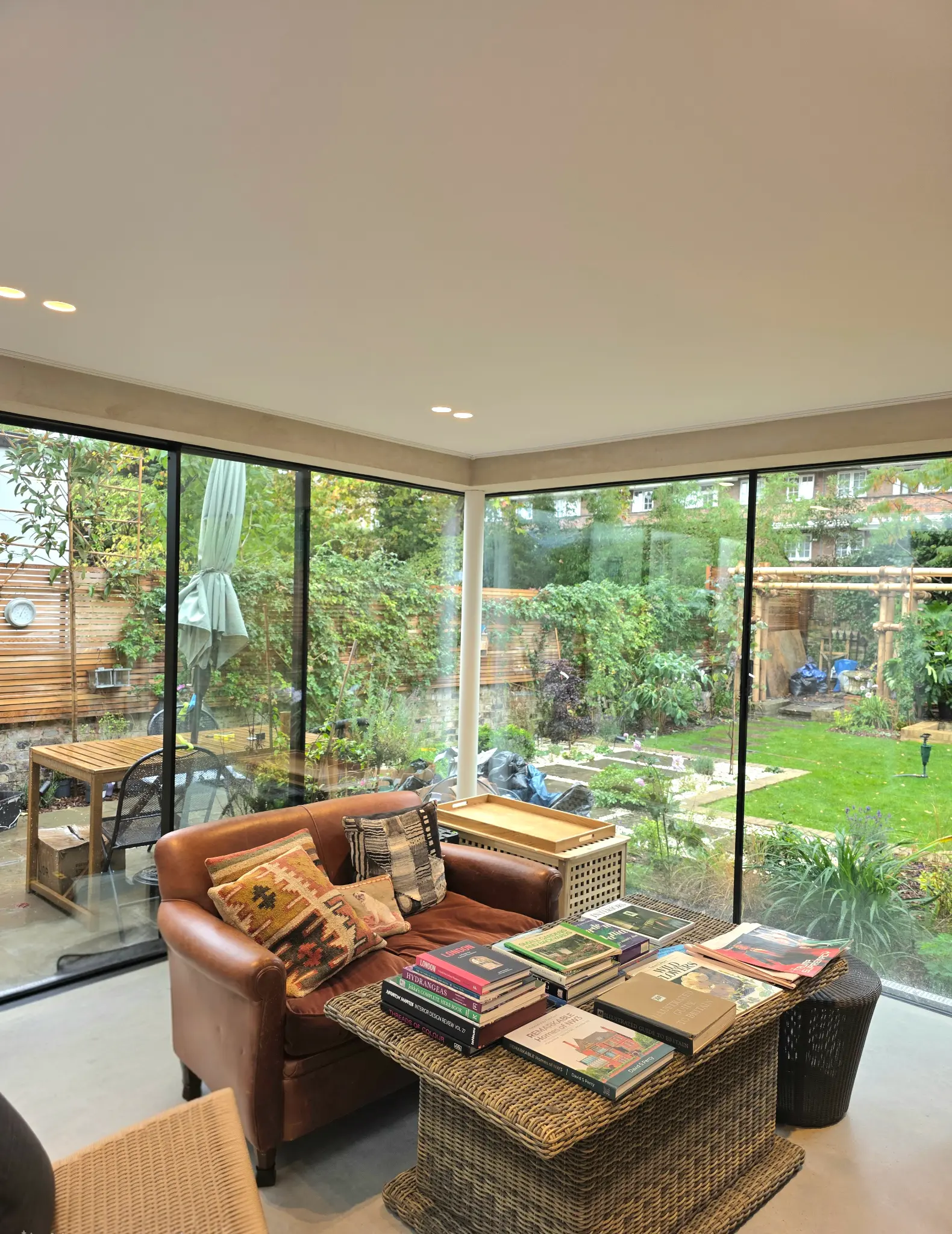
Large expanses of glass flood interiors with natural light, reducing reliance on artificial lighting and creating a brighter, more uplifting atmosphere. This is particularly valuable in the UK, where daylight hours can be limited during winter months.
Increased Living Space
By opening up your home to the garden, you effectively extend your usable living area. A patio or deck becomes an outdoor room for dining, entertaining, or relaxation, especially during warmer months.
Improved Wellbeing & Connection to Nature
Studies show that access to natural light and views of greenery can improve mood, reduce stress, and enhance overall wellbeing. Indoor-outdoor living fosters a stronger connection to nature, even when you're inside.
Higher Property Value
Well-executed indoor-outdoor living spaces are highly sought after by homebuyers. They add significant aesthetic appeal and practical value, potentially increasing your property's market value.
Glazing Solutions for UK Homes
The choice of glazing is paramount to the success of an indoor-outdoor living space. It dictates the visual connection, thermal performance, and operational ease. For the UK climate, thermal efficiency is a critical consideration to ensure comfort and compliance with Building Regulations.
Popular Glazing Options:
- Bi-fold Doors: These doors fold back concertina-style, creating a wide, unobstructed opening. They are excellent for maximising the connection between indoors and out. Available in various configurations and materials like aluminium, timber, and uPVC.
- Sliding Doors (Patio Doors): Modern sliding doors, particularly those with slim frames and large glass panels, offer expansive views even when closed. They slide smoothly, typically parallel to the wall, and can be configured as two, three, or even four-panel systems. Lift-and-slide mechanisms provide superior weather sealing and ease of operation for heavier panels.
- French Doors: While offering a more traditional aesthetic, modern French doors can still be part of an indoor-outdoor scheme, especially when combined with large side lights or used in pairs to create a wider opening.
- Picture Windows / Fixed Glazing: Large, non-opening windows can provide stunning, uninterrupted views and flood a space with light. They are often used in conjunction with opening doors to create a wall of glass.
- Cornerless Glazing: For the ultimate seamless look, corner bi-fold or sliding doors can meet at a 90-degree angle without a fixed corner post, allowing an entire corner of a room to open up.
Pro Tip
When selecting glazing, pay close attention to the U-value. This measures how effectively a window or door insulates. A lower U-value indicates better thermal performance. For new builds in the UK, windows and doors typically require a U-value of 1.2 W/m²K or better, while replacements need 1.4 W/m²K or better to meet current Building Regulations Part L (2022 England).
Material Considerations:
- Aluminium: Highly durable, strong, and allows for very slim frames, maximising glass area. Excellent thermal breaks are crucial for UK performance.
- Timber: Offers a natural, warm aesthetic. Requires more maintenance but can achieve excellent thermal performance with modern engineering.
- uPVC: A cost-effective option, low maintenance, and good thermal efficiency. Frame sizes tend to be thicker than aluminium.
UK Building Regulations and Planning Permission
Undertaking any significant structural alteration or extension to create an indoor-outdoor space will almost certainly involve Building Regulations approval and may require planning permission.
Building Regulations (England, 2022):
These regulations ensure that building work meets minimum standards for health, safety, welfare, and energy efficiency. Key areas relevant to indoor-outdoor spaces include:
- Thermal Performance (Part L - Conservation of Fuel and Power): All new glazing must meet specific U-value requirements. For new extensions, the overall U-value for walls should be 0.18 W/m²K, floors 0.18 W/m²K, and roofs 0.15 W/m²K. Windows and doors in new builds must achieve 1.2 W/m²K, and replacements 1.4 W/m²K.
- Structural Integrity (Part A - Structure): Any removal of walls or creation of large openings will require structural calculations and potentially the installation of new lintels or steel beams.
- Ventilation (Part F - Ventilation): Adequate ventilation must be maintained, especially if existing windows are replaced with fixed glazing. Trickle vents or other ventilation strategies may be required.
- Safety Glazing (Part K - Protection from Falling, Collision and Impact): Glazing in critical locations (e.g., low-level glazing, doors) must be safety glass (toughened or laminated) to prevent injury from breakage.
It is always advisable to consult with your local Building Control body or a qualified architect/designer early in the process to ensure compliance.
Planning Permission:
Many smaller alterations, such as replacing existing windows and doors with similar ones, fall under 'Permitted Development' rights. However, larger projects like extensions, significant alterations to the external appearance, or changes to listed buildings will typically require planning permission. Always check with your local planning authority before starting any work.
Design Considerations for a Seamless Transition
Achieving a truly seamless indoor-outdoor feel requires careful thought beyond just the glazing.
1. Flooring Continuity:
Using the same or a highly complementary flooring material both inside and outside is one of the most effective ways to blur boundaries. Porcelain tiles are a popular choice due to their durability, slip resistance (for outdoor use), and wide range of finishes that can mimic natural stone or wood. Ensure outdoor tiles are rated for external use and are frost-proof.
2. Level Thresholds:
A flush threshold between the interior and exterior is key to a smooth transition, both visually and practically. Modern door systems can achieve very low or flush thresholds, but careful consideration of drainage is essential to prevent water ingress into the home. A discreet linear drain system is often incorporated just outside the door.
3. Lighting:
Thoughtful lighting design can extend the usability of your outdoor space into the evenings and enhance the visual connection. Consider recessed floor lights, uplighters for planting, and subtle wall lights that complement your interior scheme.
4. Landscaping and Planting:
Integrate your garden design with the interior. Use planting that draws the eye outwards from the house. Consider planting beds that mirror the interior layout or create focal points visible from inside. Vertical gardens or green walls can also bring nature closer to the home.
5. Furniture and Decor:
Select outdoor furniture that complements your interior style. Using similar colour palettes, materials, or even cushion fabrics can create a cohesive look. Consider weatherproof outdoor rugs to define zones.
Practicalities and Maintenance
While the aesthetic benefits are clear, there are practical aspects to consider for UK homeowners.
| Consideration | Detail for UK Homes |
|---|---|
| Weather Protection | Despite large openings, the UK climate demands good weather sealing. Ensure doors have robust gaskets and drainage. Consider an overhang or canopy for added shelter. |
| Security | Large glazed areas must not compromise security. Look for multi-point locking systems, laminated or toughened glass, and adherence to PAS 24 (a UK security standard). |
| Cleaning | More glass means more cleaning. Consider self-cleaning glass coatings or easy-access designs for maintenance. Regular cleaning is essential to maintain clarity and views. |
| Solar Gain & Glare | South-facing aspects can experience significant solar gain. Consider solar control glass, external shading (e.g., awnings, pergolas), or internal blinds to manage heat and glare. |
| Privacy | Large openings can reduce privacy. Consider strategic planting, screening, or integrated blinds within the glazing units. |
Conclusion
Creating a truly integrated indoor-outdoor living space is a transformative home improvement project that can significantly enhance your lifestyle and property value. By carefully considering glazing options, adhering to UK Building Regulations, and paying attention to design details like flooring, lighting, and landscaping, you can achieve a seamless transition that brings the beauty of your garden into your home, regardless of the British weather.
If you're considering enhancing your home with cutting-edge glazing solutions for indoor-outdoor living, consult with experts who understand the nuances of UK building practices and design. Shard AG specialises in high-performance glazing, including bi-fold and sliding doors, tailored to meet the aesthetic and thermal demands of modern UK homes. Our team can guide you through the options, ensuring your project meets all regulatory requirements and exceeds your expectations for style and functionality.
Explore Our Products
Discover how Shard Architectural Glazing can transform your home with our premium glazing solutions:
Ready to Transform Your Home?
Get in touch with our expert team for a free consultation and personalised quote. We'll help you choose the perfect glazing solution for your property.