
Creating Seamless Indoor-Outdoor Living Spaces in Your UK Home
Discover how to design and build stunning indoor-outdoor living spaces in the UK, covering design principles, glazing options, Building Regulations, and practical tips.

Shard Architectural Glazing
15 May 2026
Discover how to design and build stunning indoor-outdoor living spaces in the UK, covering design principles, glazing options, Building Regulations, and practical tips.
📋In This Article
The concept of indoor-outdoor living has revolutionised modern home design, blurring the lines between the comfort of your interior and the refreshing embrace of your garden. For UK homeowners, this trend offers a unique opportunity to maximise natural light, enhance ventilation, and create versatile spaces that adapt to our often-unpredictable climate. More than just adding a patio, it's about designing a cohesive environment where your home and garden flow effortlessly into one another.
This comprehensive guide will explore the principles behind successful indoor-outdoor design, delve into the critical role of glazing, discuss relevant UK Building Regulations, and provide practical advice for transforming your home. Whether you're planning a new extension or renovating an existing space, understanding these elements is key to achieving a truly integrated and enjoyable living experience.
Design Principles for Seamless Flow
Achieving a truly integrated indoor-outdoor space requires thoughtful design that considers both aesthetics and functionality. The goal is to create an uninterrupted visual and physical connection, making your garden feel like an extension of your home.
Visual Connection: Maximising Views and Light
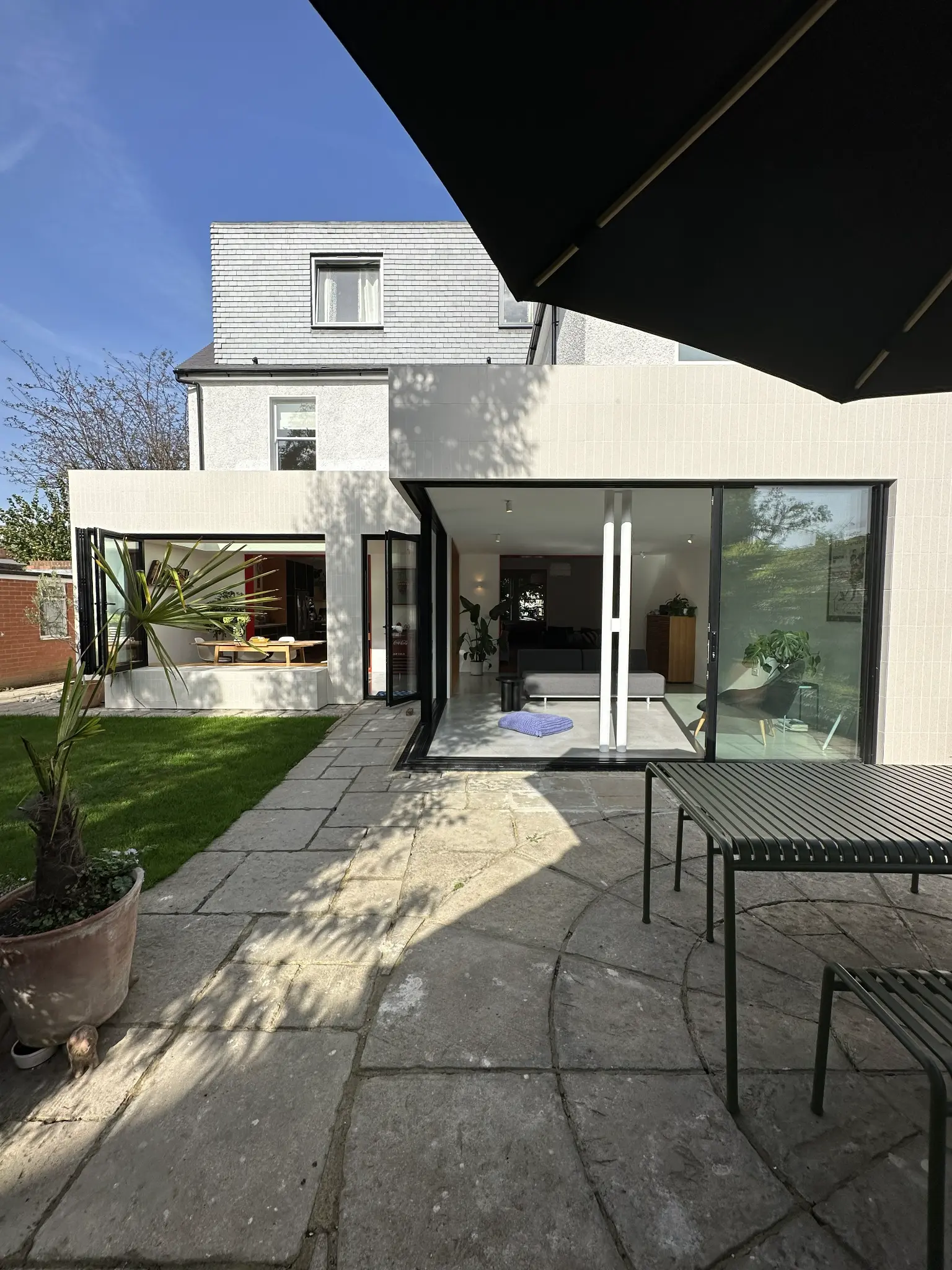
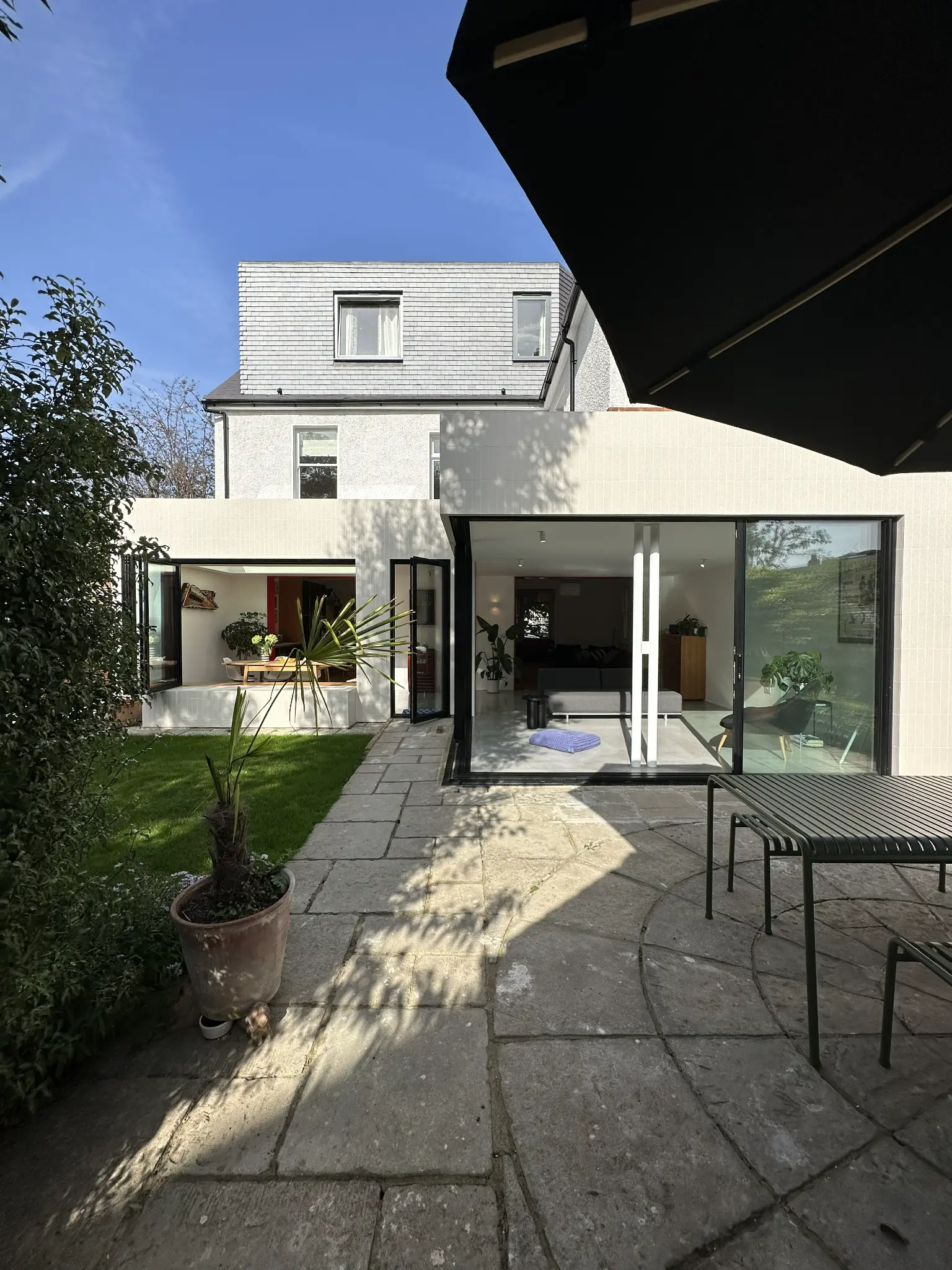
- Large Glazing Areas: This is perhaps the most crucial element. Expansive windows, bifold doors, or sliding patio doors allow natural light to flood the interior and offer panoramic views of your garden, even when closed.
- Consistent Sightlines: Design your internal and external spaces so that key features, such as a garden path, a water feature, or a seating area, are visible from inside. Avoid obstructions like tall fences directly outside large glazed areas.
- Interior Decor Harmony: Use a consistent colour palette, material choices, and furniture styles that complement both your indoor and outdoor areas. For example, a neutral stone floor inside could extend to a patio area outside.
Physical Connection: Easy Access and Transition
- Flush Thresholds: Opt for doors with minimal or flush thresholds to eliminate trip hazards and create a smooth, uninterrupted transition between inside and out. This is particularly important for accessibility.
- Matching Floor Levels: Ideally, the internal floor level should be the same as the external patio or decking. While this creates the best aesthetic, careful consideration must be given to drainage and damp proofing (see Building Regulations section).
- Covered Outdoor Areas: Consider incorporating elements like pergolas, canopies, or retractable awnings over your patio. These provide shelter from rain and harsh sun, extending the usability of your outdoor space throughout the year.
Material and Furniture Consistency
The choice of materials plays a significant role in unifying your spaces. Using similar or complementary materials for flooring, wall finishes, and even furniture can create a cohesive look. For instance, an internal porcelain tile could be mirrored by an external porcelain paving slab of the same style, or timber cladding used on an exterior wall could feature inside.
Pro Tip
When selecting materials for outdoor use, always ensure they are rated for external conditions, offering slip resistance, frost resistance, and UV stability. For internal areas, consider durability and ease of cleaning, especially in high-traffic zones leading to the garden.
The Role of Glazing: Key to Openness
The choice of glazing is paramount in creating effective indoor-outdoor living spaces. It dictates the level of openness, natural light, thermal performance, and security. Here are the primary options:
Bifold Doors
Bifold doors consist of multiple panels that fold back concertina-style, stacking neatly to one or both sides of the opening. They offer an almost completely unobstructed opening, typically achieving 90% clear space.
- Pros: Maximum opening width, excellent views when open, modern aesthetic.
- Cons: Panels stack, requiring space at the side; can be more expensive than other options; may have more visible frames than large sliders when closed.
- Technical Note: Available in aluminium, timber, or uPVC. Aluminium is popular for its strength, slim sightlines, and durability. Ensure they meet a U-value of 1.2 W/m²K for new builds or 1.4 W/m²K for replacements to comply with Building Regulations Part L (2022).
Sliding Patio Doors (Lift & Slide or Inline)
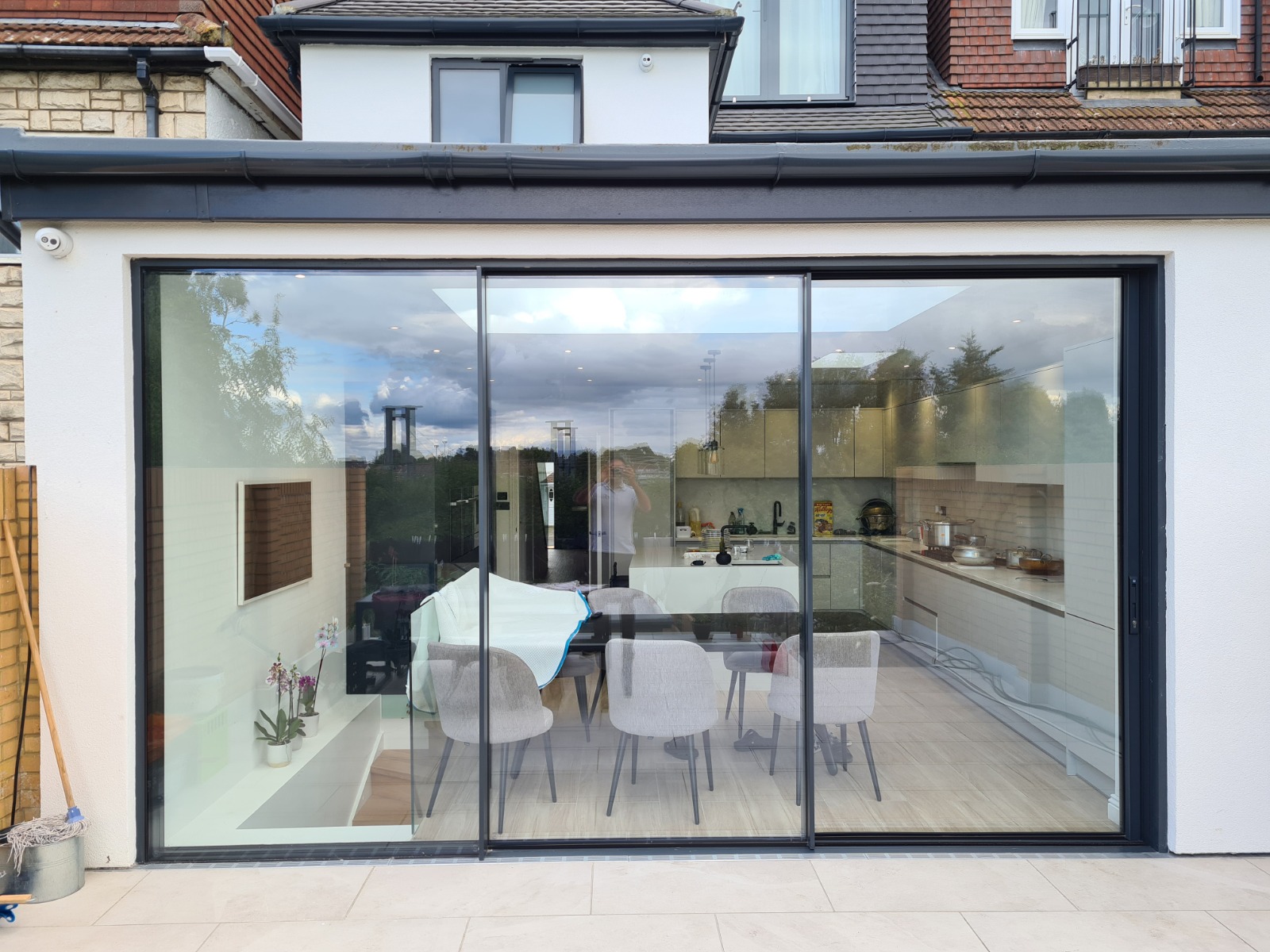
Sliding doors feature large glass panels that slide past one another, allowing for very wide, uninterrupted panes of glass. Lift & Slide systems offer superior weather sealing and smoother operation.
- Pros: Very large glass panels for expansive views, minimal frame obstruction when closed, panels don't intrude into living space, can be very thermally efficient.
- Cons: Only typically 50% of the opening can be cleared (one panel slides behind another), although multi-track systems can offer larger openings.
- Technical Note: Often preferred for very wide openings where maximum glass area is desired. Look for slim-frame aluminium options for contemporary aesthetics. U-value requirements are the same as bifolds.
French Doors
French doors are a classic choice, comprising two hinged doors that open outwards or inwards from a central point. They offer a more traditional aesthetic.
- Pros: Simple operation, traditional look, can be more cost-effective.
- Cons: Limited opening width compared to bifolds or sliders, doors swing into space.
- Technical Note: While suitable for smaller openings, they don't offer the same seamless transition as larger glazing systems.
Fixed Glazing and Corner Windows
To complement opening doors, consider large fixed glazing panels or even glass-to-glass corner windows. These maximise light and views without the need for opening functionality, creating stunning architectural statements.
UK Building Regulations and Compliance
Any significant alteration or extension to your home involving new or replacement glazing will typically need to comply with UK Building Regulations. This ensures your project is safe, structurally sound, and energy-efficient. It is always advisable to consult your local Building Control body or an approved inspector early in your planning process.
Part L: Conservation of Fuel and Power (Energy Efficiency)
This is arguably the most critical part for indoor-outdoor living spaces. It sets minimum performance standards for thermal efficiency.
- U-values: This measures how well a building element (like a window or wall) prevents heat from escaping. The lower the U-value, the better the insulation.
- New Build & Extension Walls: 0.18 W/m²K
- Floors: 0.18 W/m²K
- Roofs: 0.15 W/m²K
- New Build Windows/Doors: 1.2 W/m²K
- Replacement Windows/Doors: 1.4 W/m²K
Your chosen glazing must meet these specific U-value requirements. High-performance double or triple glazing is essential.
- Limiting Glazed Area: For extensions, there are limits on the proportion of glazed area relative to the total floor area to prevent excessive heat loss. Typically, the total area of new openings (windows, doors, rooflights) should not exceed 25% of the floor area of the new extension, plus the area of any openings that were previously in the external wall of the existing dwelling and are now removed. If you exceed this, you'll need to demonstrate compliance through a 'compensatory approach' (e.g., higher insulation elsewhere).
Part F: Ventilation
Ensuring adequate ventilation is crucial for air quality and preventing condensation. While large doors provide natural ventilation when open, trickle vents or other background ventilation methods may be required even with new large glazed units, especially in extensions.
Part K: Protection from Falling, Collision and Impact
This part covers safety. Large glazed areas must use safety glass (e.g., toughened or laminated) in critical locations where there's a risk of impact or falling, such as full-height glazing or doors.
Part M: Access to and Use of Buildings
If you're creating a new accessible entrance or making significant alterations, Part M may apply, requiring flush thresholds for ease of access for all users.
Drainage and Damp Proofing
When creating flush thresholds, meticulous attention must be paid to external drainage to prevent water ingress. A linear drainage channel (e.g., an Aco drain) is often required immediately outside the door to collect surface water and divert it away from the building. The external ground level must be carefully managed to ensure it doesn't bridge the damp-proof course (DPC) of the main structure.
Practical Considerations for Your Project
Beyond the design and regulations, several practical elements will influence the success and longevity of your indoor-outdoor space.
Structural Support
Removing existing walls or creating large openings will require structural calculations and potentially the installation of steel beams (RSJs) or other lintels. This work must be carried out by qualified professionals and approved by Building Control.
Shading and Temperature Control
While large glazing maximises light, it can also lead to overheating in summer. Consider external shading solutions like awnings, pergolas, or even strategically planted trees. Internally, high-performance blinds or curtains can help regulate temperature and provide privacy.
Security
Large glazed doors can be perceived as a security risk. Ensure your chosen doors feature multi-point locking systems, laminated or toughened security glass, and comply with PAS 24 (Publicly Available Specification) standards for enhanced security. Look for doors certified by 'Secured by Design', the official police security initiative.
Maintenance and Cleaning
More glass means more cleaning! Consider self-cleaning glass coatings or easy-access options for cleaning external surfaces. Ensure frames are durable and require minimal maintenance, especially for external exposure.
Lighting Design
Extend your lighting design from inside to out. Use integrated LED strips, uplighters, or pathway lights to illuminate your patio and garden, enhancing the visual connection even after dark and creating an inviting atmosphere.
Benefits of Indoor-Outdoor Living
Enhanced Natural Light
Flooding your home with sunlight improves mood, reduces the need for artificial lighting, and makes spaces feel larger and more inviting.
Increased Living Space
By effectively extending your interior into the garden, you gain versatile additional 'rooms' for entertaining, dining, or relaxation, especially during warmer months.
Improved Wellbeing & Connection to Nature
Access to fresh air and views of greenery has proven benefits for mental and physical health, fostering a sense of calm and connection to the outdoors.
Higher Property Value
Well-executed indoor-outdoor living spaces are highly sought after in the UK property market, often adding significant value and appeal to your home.
Glazing Comparison Table
| Feature | Bifold Doors | Sliding Patio Doors | French Doors |
|---|---|---|---|
| Maximum Opening | Up to 90% clear opening | Typically 50% clear opening (can be more with multi-track) | Up to 100% of two panels |
| Frame Sightlines (Closed) | Moderate (multiple vertical frames) | Very slim (large glass panels) | Moderate (two main frames) |
| Space Requirement (Open) | Panels stack to one/both sides | Panels slide behind each other (no intrusion) | Doors swing into/out of space |
| Aesthetic | Modern, expansive | Contemporary, minimalist | Traditional, classic |
| Typical Cost | High | High | Moderate |
| U-value Compliance (UK Part L) | Yes (with high-performance glazing) | Yes (with high-performance glazing) | Yes (with high-performance glazing) |
Creating a truly integrated indoor-outdoor living space is an investment that pays dividends in lifestyle, comfort, and property value. By carefully considering design principles, selecting appropriate glazing, adhering to UK Building Regulations, and addressing practical considerations, you can transform your home into a harmonious haven that celebrates both its interior and exterior environments.
For expert advice and high-performance glazing solutions tailored to your indoor-outdoor living project, consider consulting with specialists like Shard AG. Their experience in bespoke architectural glazing can help you navigate the options and achieve a stunning, compliant, and functional result for your UK home.
Explore Our Products
Discover how Shard Architectural Glazing can transform your home with our premium glazing solutions:
Ready to Transform Your Home?
Get in touch with our expert team for a free consultation and personalised quote. We'll help you choose the perfect glazing solution for your property.