

Glazing Projects: Understanding UK Planning Permission & Building Regs
Navigating planning permission and Building Regulations for glazing in the UK can be complex. This guide explains when approval is needed for windows, doors, and extensions.

Shard Architectural Glazing
20 May 2026
Navigating planning permission and Building Regulations for glazing in the UK can be complex. This guide explains when approval is needed for windows, doors, and extensions.
📋In This Article
When embarking on a home improvement project involving new or replacement glazing, many UK homeowners understandably focus on aesthetics, energy efficiency, and cost. However, a crucial initial step often overlooked is understanding the regulatory landscape: specifically, planning permission and Building Regulations approval. While often confused, these are distinct requirements, both vital for ensuring your project is legally compliant and structurally sound.
This comprehensive guide will demystify the process, helping you understand when and why you might need approval for your glazing projects, from simple window replacements to ambitious glazed extensions. Ignoring these regulations can lead to significant issues, including enforcement action, difficulties selling your property, and potentially unsafe installations. Let's delve into the details.
Planning Permission vs. Building Regulations: What's the Difference?
It's essential to distinguish between these two key regulatory frameworks:
- Planning Permission: This primarily concerns the appearance and use of land and buildings. It's about controlling development in the public interest, considering factors like visual impact, density, privacy for neighbours, and infrastructure. Your local planning authority (LPA) grants or refuses planning permission.
- Building Regulations: These focus on the health, safety, welfare, and convenience of people in and around buildings, and the energy efficiency of buildings. They cover aspects like structural integrity, fire safety, drainage, ventilation, and thermal performance. Compliance is checked by your local authority Building Control or an approved independent inspector.
Many glazing projects, particularly larger ones, may require both planning permission and Building Regulations approval. Smaller projects might only need Building Regulations compliance.
When is Planning Permission Needed for Glazing?
For many common glazing projects, you might not need full planning permission due to 'Permitted Development' rights. However, there are crucial caveats.
Permitted Development Rights for Windows and Doors
Generally, replacing existing windows and doors with new ones of a similar appearance (e.g., swapping single glazing for double glazing within the same opening) falls under Permitted Development and does not require planning permission. This also usually applies to changing the material (e.g., timber to uPVC) or style, provided it doesn't significantly alter the character of the property.
However, planning permission is usually required if:
- Your property is in a Conservation Area, an Area of Outstanding Natural Beauty (AONB), a National Park, or a World Heritage Site. In these areas, even minor changes to windows and doors, especially those facing a highway, often need permission to preserve the area's character.
- Your property is a Listed Building. Any alteration to a Listed Building, inside or out, including replacing windows or doors, requires Listed Building Consent, which is a separate process from planning permission but often handled by the same LPA.
- You are creating a new opening for a window or door, or significantly altering the size or shape of an existing opening.
- The new windows or doors would be significantly different in appearance from the original ones and would materially alter the external appearance of the dwelling.
- The property is a flat or maisonette. Permitted Development rights for flats are much more restricted than for houses.
- There are specific conditions attached to a previous planning permission for your property (an 'Article 4 Direction') that remove Permitted Development rights for certain alterations.
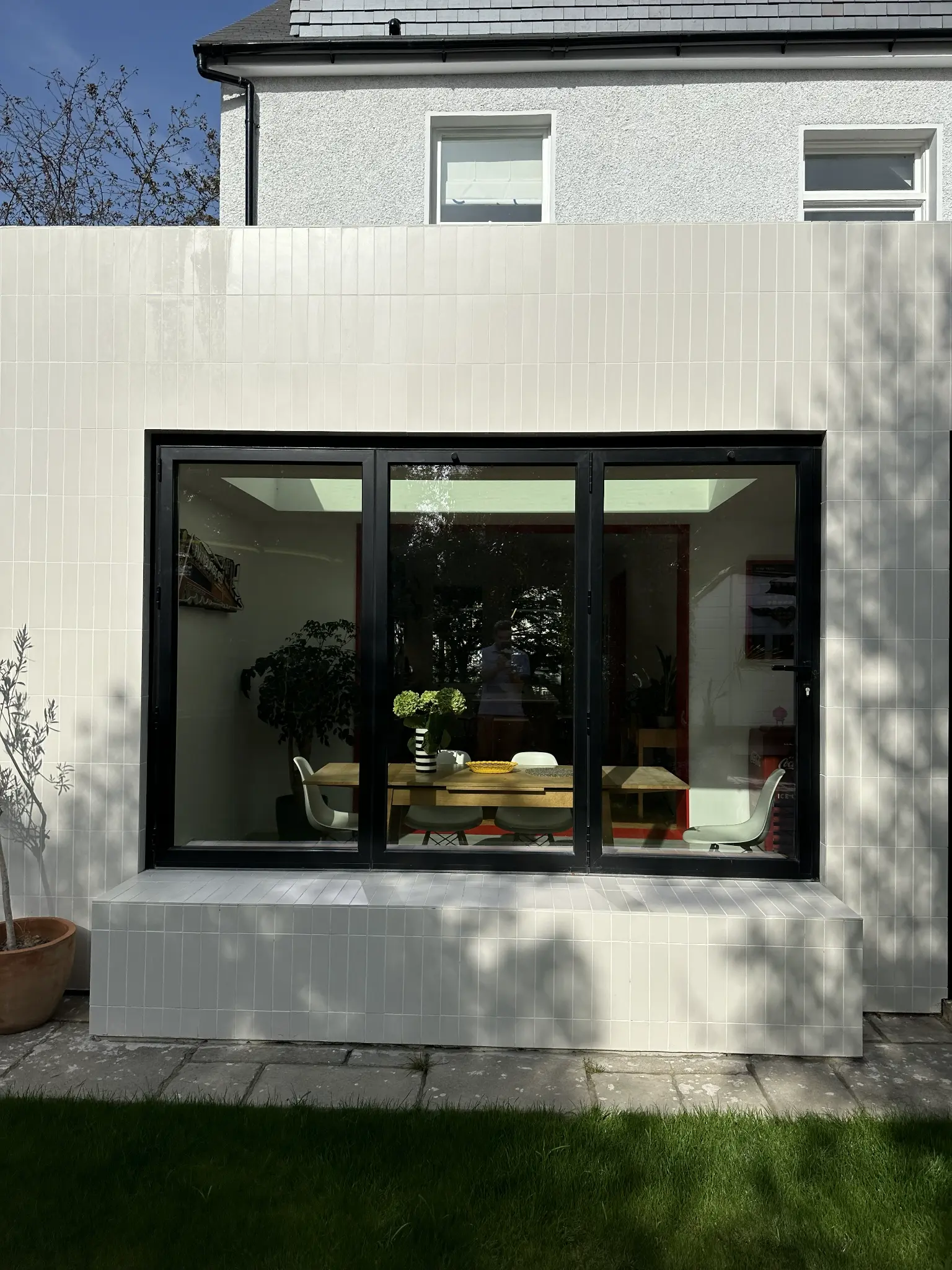
Glazed Extensions: Conservatories, Orangeries, and Sunrooms
Adding a glazed extension is a more significant undertaking and is more likely to require planning permission, though many can still fall under Permitted Development.
An extension is generally considered Permitted Development if it meets specific criteria, including:
- It does not extend beyond the rear wall of the original house by more than 4 metres for a detached house or 3 metres for a semi-detached or terraced house (this can be extended to 8m/6m respectively under a 'Larger Home Extension' scheme, subject to neighbour consultation).
- It does not exceed 4 metres in height (or 3 metres if within 2 metres of a boundary).
- It does not cover more than 50% of the original garden area.
- It is not forward of the principal elevation or side elevation fronting a highway.
- The materials used are similar in appearance to the existing house.
Again, these rights are restricted or removed for properties in Conservation Areas, AONBs, National Parks, World Heritage Sites, and for Listed Buildings. Flats and maisonettes also have very limited Permitted Development rights for extensions.
Pro Tip
Always check with your Local Planning Authority (LPA) or consult a planning professional before starting any work, especially if your property has specific designations (e.g., Listed, Conservation Area) or if your project involves creating new openings or significant extensions. A 'Lawful Development Certificate' can provide formal confirmation that your project doesn't require planning permission.
Building Regulations for Glazing Projects
Unlike planning permission, most glazing projects, even simple window replacements, will need to comply with Building Regulations. This is to ensure safety, structural integrity, and energy efficiency.
Key Aspects of Building Regulations for Glazing
- Thermal Performance (Part L - Conservation of Fuel and Power): All new and replacement windows, doors, and glazed areas in extensions must meet minimum energy efficiency standards. This is measured by the U-value (W/m²K), which indicates how well a component prevents heat from escaping. Lower U-values mean better insulation.
- Safety Glazing (Part K - Protection from Falling, Collision and Impact): Glass in critical locations (e.g., low-level glazing, doors, adjacent to doors, or in bathrooms) must be impact-resistant, typically toughened or laminated glass, to prevent injury in case of breakage.
- Ventilation (Part F - Ventilation): Replacement windows must not worsen the ventilation of a room. Often, this means new windows must incorporate trickle vents if the originals had them, or if there's no other adequate background ventilation.
- Means of Escape (Part B - Fire Safety): Certain windows (especially in habitable rooms on upper floors) must be large enough and easily openable to provide an escape route in case of fire.
- Structural Safety (Part A - Structure): Any new openings or significant alterations to existing openings must be structurally sound and properly supported (e.g., with lintels).
Current UK Building Regulations Part L (2022 England) - U-Values
For domestic properties in England, the following U-value requirements are applicable:
| Building Element | New Build & Extensions (W/m²K) | Replacement (W/m²K) |
|---|---|---|
| Walls | 0.18 | N/A (covered by other regs) |
| Floors | 0.18 | N/A (covered by other regs) |
| Roofs | 0.15 | N/A (covered by other regs) |
| Windows/Glazed Doors | 1.2 | 1.4 |
| Opaque Doors | 1.2 | 1.4 |
These values are critical. For example, a replacement window must achieve a U-value of 1.4 W/m²K or lower. Most modern double-glazed units will meet this, but it's important to verify with your supplier.
How to Obtain Building Regulations Approval
There are two main routes:
- Full Plans Application: You submit detailed plans and specifications to your local authority Building Control or an Approved Inspector before work starts. They check for compliance and issue an approval.
- Building Notice: For simpler, smaller projects, you can submit a Building Notice. This involves less paperwork upfront, but the Building Control body will inspect the work as it progresses to ensure compliance. This is often used for window and door replacements.
Alternatively, if you use an installer registered with a Competent Person Scheme (e.g., FENSA or CERTASS for windows and doors), they can self-certify that their work complies with Building Regulations. They will register the work with the local authority on your behalf and provide you with a certificate of compliance. This is usually the simplest route for homeowners replacing windows and doors.
Consequences of Non-Compliance
Failing to obtain necessary planning permission or Building Regulations approval can lead to several problems:
- Enforcement Action: Your local authority can issue an enforcement notice, requiring you to alter or even remove the unauthorised work.
- Difficulty Selling Your Property: Most buyers' solicitors will request evidence of planning permission and Building Regulations compliance. Lack of this documentation can delay or even scupper a sale, or require expensive indemnity insurance.
- Safety Risks: Non-compliant work may pose safety hazards, such as structural instability, inadequate fire escape routes, or poor thermal performance leading to higher energy bills.
- Financial Penalties: While less common for minor glazing changes, significant breaches can result in financial penalties.
Key Considerations for Homeowners
Early Consultation
Before any design work or material selection, consult your local planning authority and Building Control. They can provide specific guidance for your property and project.
Professional Advice
Consider engaging an architect, planning consultant, or reputable installer who is knowledgeable about current regulations. Their expertise can save you time and costly mistakes.
Documentation
Keep all certificates, approvals, and correspondence related to your glazing project. This documentation is crucial for future property sales.
Design and Materials
Choose glazing that not only looks good but also meets the required U-values and safety standards. Consider the impact on your home's character and the surrounding area.
Conclusion and Next Steps
Navigating planning permission and Building Regulations for glazing projects can seem daunting, but with a clear understanding of the requirements and proactive engagement with the relevant authorities, you can ensure your project proceeds smoothly and legally. Always prioritise compliance to protect your investment, ensure safety, and maintain the value of your home.
For homeowners in the UK considering new or replacement glazing, Shard AG offers expert advice and a wide range of high-performance glazing solutions designed to meet the latest Building Regulations. Our experienced team can guide you through the technical specifications and help you select products that align with your project's regulatory needs and aesthetic goals. Contact us today to discuss your vision and ensure your glazing project is a success from concept to completion.
Explore Our Products
Discover how Shard Architectural Glazing can transform your home with our premium glazing solutions:
Ready to Transform Your Home?
Get in touch with our expert team for a free consultation and personalised quote. We'll help you choose the perfect glazing solution for your property.