
Crittall Style Doors: A Comprehensive UK Homeowner's Guide
Explore Crittall style doors – their history, modern appeal, technical specifications, and how they enhance UK homes. Understand design, materials, and Building Regs.

Shard Architectural Glazing
14 April 2026
Explore Crittall style doors – their history, modern appeal, technical specifications, and how they enhance UK homes. Understand design, materials, and Building Regs.
📋In This Article
In the world of architectural design, certain styles transcend fleeting trends to become enduring classics. Crittall style doors and windows are a prime example. Recognisable by their slim, dark frames and distinctive grid-like glazing, they have graced properties for over a century, evolving from industrial chic to a hallmark of contemporary elegance. For UK homeowners considering an upgrade or new build, understanding these iconic designs is crucial.
This comprehensive guide will delve into the history, aesthetics, technical specifications, and practical considerations of Crittall style doors, helping you make an informed decision for your home. We'll cover everything from materials and thermal performance to installation and compliance with UK Building Regulations.
What Are Crittall Style Doors?
The term 'Crittall' originally refers to a specific British manufacturer, Crittall Windows Ltd, founded in 1849. They pioneered the use of hot-rolled steel sections to create windows and doors, which became synonymous with the Art Deco and Modernist movements of the early 20th century. Today, 'Crittall style' has become a generic term for doors and windows that emulate this iconic aesthetic: slender metal frames, often black, divided into multiple panes by horizontal and vertical glazing bars.
While the original Crittall products are made from steel, modern interpretations often use alternative materials like aluminium, offering similar aesthetics with different performance characteristics. These doors are prized for their ability to maximise natural light, create a sense of space, and add a sophisticated, industrial-inspired touch to both traditional and contemporary interiors and exteriors.
Timeless Aesthetic
The classic grid design and slender frames offer a sophisticated, enduring look that complements various architectural styles, from period properties to modern minimalist homes.
Maximised Light
The slim profiles allow for larger glass areas, flooding interiors with natural light and enhancing the sense of space, even in smaller rooms.
Versatile Application
Suitable for both internal and external use, as room dividers, patio doors, shower screens, or even bespoke feature walls, offering immense design flexibility.
Durability & Security
When constructed from high-quality steel or aluminium, these doors are inherently strong, offering excellent durability and enhanced security for your home.
Materials and Construction: Steel vs. Aluminium
The choice of material is a fundamental decision when selecting Crittall style doors, directly impacting their performance, cost, and maintenance requirements.
Steel Crittall Style Doors
- Authenticity: True to the original Crittall design, steel offers unparalleled strength and the slimmest possible sightlines.
- Durability: Steel is incredibly robust and resistant to warping or twisting.
- Weight: Heavier than aluminium, which can sometimes necessitate stronger supporting structures.
- Thermal Performance: Traditional steel frames can be less thermally efficient than modern aluminium or uPVC. However, contemporary steel systems often incorporate thermal breaks to improve insulation.
- Maintenance: Requires more diligent maintenance to prevent rust, especially in external applications, though modern finishes and galvanisation significantly reduce this.
- Cost: Generally the most expensive option due to material and manufacturing processes.
Aluminium Crittall Style Doors
- Modern Alternative: Aluminium offers a very similar aesthetic to steel, with slim profiles and a sleek finish.
- Lightweight: Easier to handle and install, putting less strain on building structures.
- Thermal Performance: Aluminium frames are almost always manufactured with integrated thermal breaks, offering excellent U-values and energy efficiency, crucial for external doors.
- Maintenance: Highly resistant to corrosion, requiring very little maintenance beyond routine cleaning.
- Versatility: Available in a vast array of powder-coated colours, offering greater design flexibility.
- Cost: Typically more affordable than steel, making them a popular choice for many homeowners.
Pro Tip
When comparing steel and aluminium, always ask about the thermal break. This is a non-conductive material inserted into the frame to prevent heat transfer, significantly improving the door's energy efficiency. Without a proper thermal break, even the best glazing won't perform optimally.
Glazing Options and Thermal Performance
The glass within your Crittall style doors plays a critical role in both aesthetics and performance. For external applications, thermal performance is paramount.
Glazing Types
- Double Glazing: Standard for external doors in the UK. Consists of two panes of glass separated by a spacer bar, creating an air or inert gas (e.g., argon) filled cavity. This significantly reduces heat transfer.
- Triple Glazing: Offers superior thermal and acoustic performance but comes with increased weight and cost. Less common for Crittall style due to the desire for slim profiles, but available.
- Laminated Glass: Features a plastic interlayer between two panes of glass, improving security (it holds together when shattered) and sound insulation.
- Toughened Glass: Heat-treated to be much stronger than standard glass, and if broken, shatters into small, relatively harmless pieces. Required for safety in doors and low-level glazing.
- Low-E Coatings: A microscopic, transparent metallic coating applied to one surface of the glass to reflect heat, improving thermal efficiency.
Understanding U-Values
The U-value measures how effectively a component (like a door or window) prevents heat from escaping. A lower U-value indicates better insulation and energy efficiency. It's measured in Watts per square metre Kelvin (W/m²K).
| Component | UK Building Regulations Part L (2022 England) | Typical Crittall Style Door (External) |
|---|---|---|
| New Build Windows/Doors | 1.2 W/m²K | 1.2 - 1.4 W/m²K (with thermal break & double glazing) |
| Replacement Windows/Doors | 1.4 W/m²K | 1.2 - 1.6 W/m²K (with thermal break & double glazing) |
| Internal Doors | Not regulated for thermal performance | Aesthetic focus, U-value less critical |
For external Crittall style doors, especially those made from aluminium with thermal breaks and high-performance double glazing, achieving U-values of 1.4 W/m²K or better is entirely feasible and necessary to comply with current UK Building Regulations Part L (2022 England) for new builds and replacement installations.
.jpg)
UK Building Regulations and Compliance
Any significant alteration to your home, particularly involving external doors and windows, must comply with UK Building Regulations. For Crittall style doors, the primary concerns are:
- Part L (Conservation of Fuel and Power): This dictates the thermal performance (U-values) of external doors and windows. As mentioned, new build windows/doors must achieve 1.2 W/m²K, and replacement windows/doors 1.4 W/m²K. Ensure your chosen system meets or exceeds these values.
- Part K (Protection from Falling, Collision and Impact): This covers safety glazing. All glazing in doors and adjacent to doors must be safety glass (toughened or laminated) to prevent injury.
- Part B (Fire Safety): For internal doors, especially those separating habitable rooms from stairwells or forming part of an escape route, fire resistance might be required. Crittall style doors can be specified with fire-rated glass and frames, but this is a specialist requirement.
- Part F (Ventilation): If replacing existing windows/doors, you typically need to ensure that the replacement offers at least the same level of ventilation, often via trickle vents.
It is highly recommended to consult with your local Building Control body or a qualified architect/surveyor before commencing work, especially for external installations. They can provide specific guidance for your project and ensure full compliance.
Design Considerations and Applications
Crittall style doors offer immense versatility, suitable for a myriad of applications:
External Applications
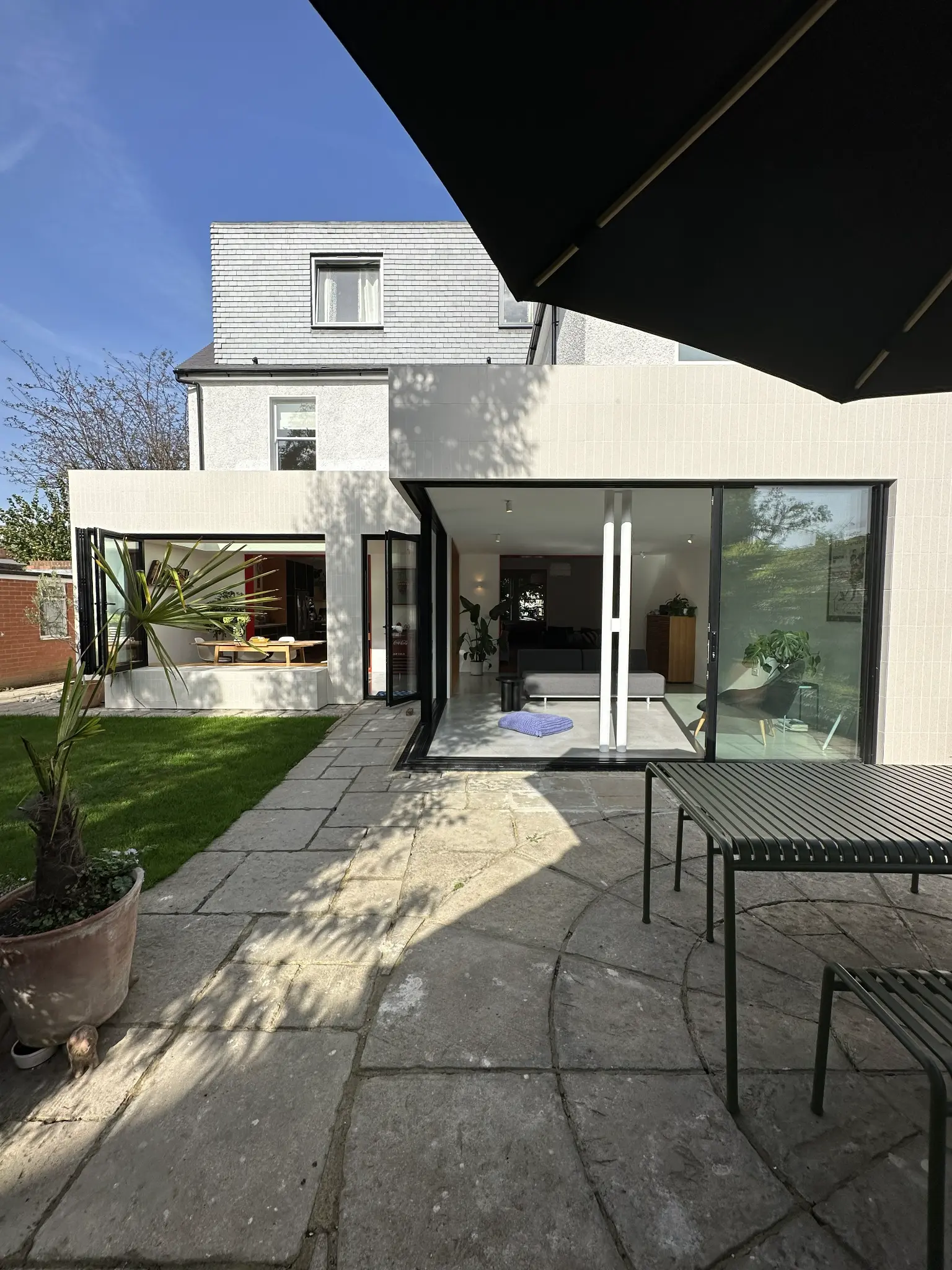
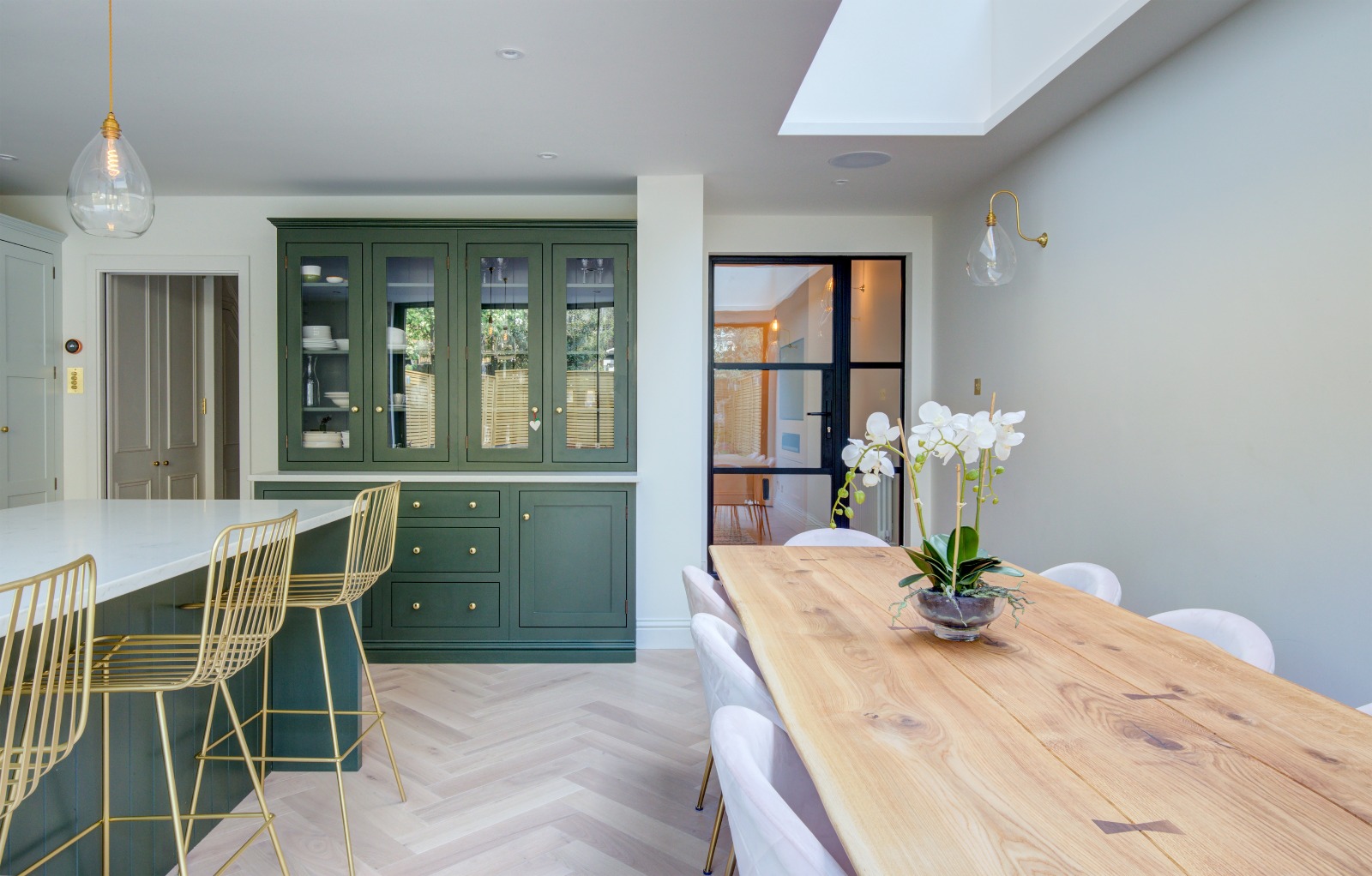
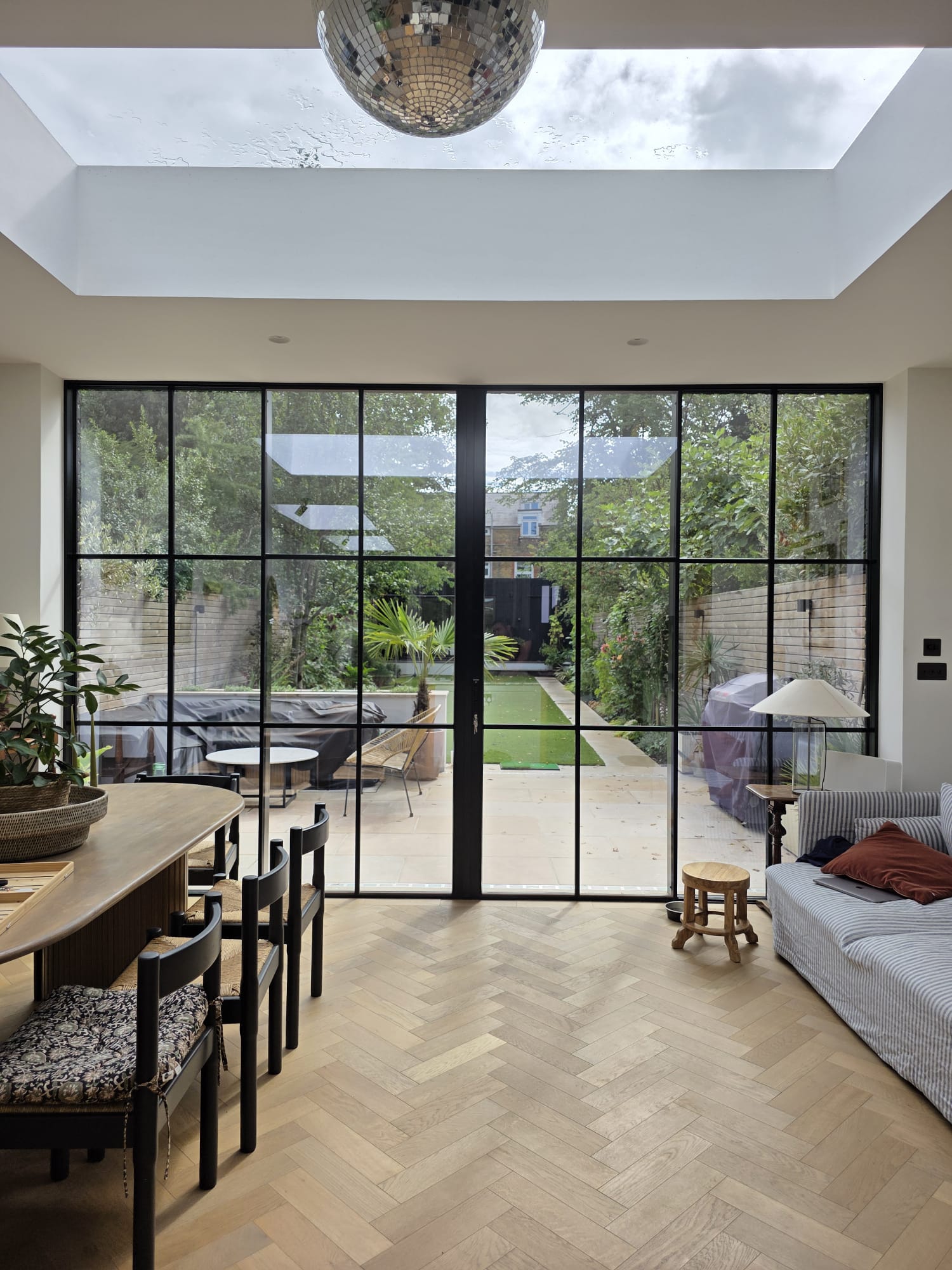
- Patio Doors: Bi-fold, sliding, or French doors in Crittall style can open up living spaces to gardens, creating a seamless transition.
- Front Doors: A Crittall style front door with side panels can make a striking architectural statement.
- Extensions: Ideal for modern extensions, conservatories, or orangeries, providing a contemporary aesthetic while maximising light.
Internal Applications
- Room Dividers: Perfect for zoning open-plan spaces, such as separating a kitchen from a dining area or a living room from a home office, without sacrificing light or connection.
- Shower Screens: A popular choice for creating stylish, industrial-chic shower enclosures.
- Wardrobe Doors: Can add a unique design element to bedrooms.
- Feature Walls: Used as internal partitions to bring light into darker areas or create visual interest.
Aesthetic Choices
- Colour: While black is the classic choice, modern aluminium versions are available in various RAL colours, allowing for customisation.
- Glazing Bar Configuration: The number and arrangement of glazing bars can dramatically alter the door's appearance, from simple two-pane designs to intricate multi-pane grids.
- Hardware: Handles and hinges can be chosen to complement the industrial aesthetic or introduce a contrasting element.
Installation and Maintenance
Proper installation is crucial for the performance and longevity of Crittall style doors, especially external ones. Due to their weight (particularly steel) and the precision required for sealing and alignment, professional installation is always recommended.
Key Installation Points
- Structural Integrity: Ensure the surrounding structure can adequately support the door's weight.
- Weatherproofing: For external doors, correct sealing and flashing are vital to prevent water ingress and drafts.
- Leveling and Alignment: Precise leveling ensures smooth operation and proper locking.
- Glazing Installation: Glass must be correctly secured and sealed within the frames.
Maintenance
- Cleaning: Regular cleaning of glass and frames with mild soap and water will maintain their appearance. Avoid abrasive cleaners.
- Steel Frames: Modern steel frames are often galvanised and powder-coated, reducing maintenance. However, inspect for any chips or scratches in the paintwork that could expose the steel to moisture and lead to rust. Touch-up paint can be used.
- Aluminium Frames: Highly resistant to corrosion, requiring minimal maintenance beyond cleaning.
- Hardware: Lubricate hinges and locks periodically to ensure smooth operation.
- Seals: Check rubber seals and gaskets for any signs of perishing or damage, which could compromise thermal performance and weatherproofing.
Crittall style doors, whether authentic steel or modern aluminium, offer a compelling blend of heritage, style, and functionality. By understanding the materials, technical specifications, and regulatory requirements, UK homeowners can confidently incorporate these stunning architectural elements into their properties, enhancing both aesthetics and value.
If you're considering Crittall style doors for your home, our team at Shard AG specialises in high-quality architectural glazing solutions. We can guide you through the options, ensuring your chosen doors meet both your design aspirations and all relevant UK Building Regulations. Contact us today to discuss your project and explore how Crittall style doors can transform your living space.
Explore Our Products
Discover how Shard Architectural Glazing can transform your home with our premium glazing solutions:
Ready to Transform Your Home?
Get in touch with our expert team for a free consultation and personalised quote. We'll help you choose the perfect glazing solution for your property.