Designing a Glass Kitchen Extension: UK Homeowner's Guide
Explore the benefits, design considerations, and technical aspects of glass kitchen extensions in the UK. Learn about Building Regulations, glazing options, and more.

Shard Architectural Glazing
15 May 2026
Explore the benefits, design considerations, and technical aspects of glass kitchen extensions in the UK. Learn about Building Regulations, glazing options, and more.
📋In This Article
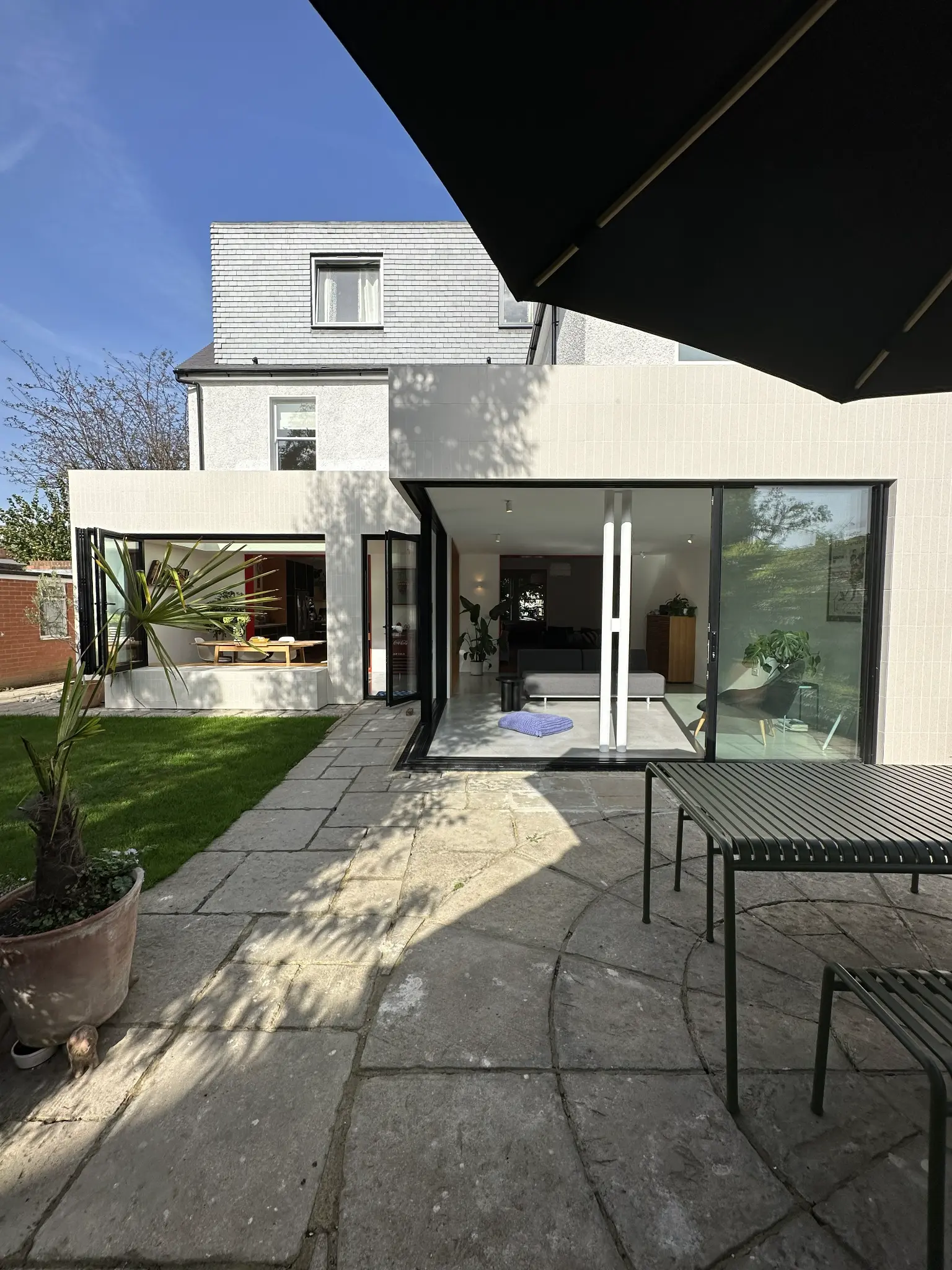
A kitchen extension is a significant investment, and for many UK homeowners, incorporating extensive glazing is a highly desirable feature. Glass kitchen extensions, whether featuring large sliding doors, bifold doors, rooflights, or entire glazed walls, can transform a home, creating bright, open-plan living spaces that seamlessly connect with the garden. However, achieving this aesthetic requires careful planning, a deep understanding of design principles, and adherence to UK Building Regulations.
The Appeal of Glass Kitchen Extensions
The allure of a glass kitchen extension lies in its ability to flood interior spaces with natural light, enhance views, and create a sense of spaciousness. Beyond aesthetics, these extensions can significantly improve the functionality and liveability of a home.
Key Benefits:
- Abundant Natural Light: Reduces reliance on artificial lighting, creating a brighter, more inviting atmosphere.
- Enhanced Views: Connects the interior with the garden or surrounding landscape, blurring the lines between inside and out.
- Sense of Space: Glass walls and roofs can make even modest extensions feel significantly larger and more open.
- Modern Aesthetic: Offers a contemporary, sophisticated look that can add significant value to a property.
- Improved Connection: Facilitates a better flow between indoor and outdoor living areas, ideal for entertaining.
While the benefits are clear, it's crucial to approach such a project with a thorough understanding of the technical and practical considerations involved to ensure a successful outcome.

Planning and Design Considerations
Before embarking on a glass kitchen extension, several key design and practical elements need careful thought.
Orientation and Solar Gain
The direction your extension faces will significantly impact its performance. A south-facing extension will benefit from maximum natural light but can also be prone to excessive solar gain, leading to overheating in summer. Conversely, a north-facing extension might be cooler but could feel less bright.
- South/West Facing: Consider shading solutions such as external blinds, brise soleil, or overhangs. High-performance solar control glass is also essential.
- North/East Facing: Maximise glazing to capture available light. Prioritise excellent thermal insulation to prevent heat loss.
Glazing Options and Performance
The choice of glass is paramount. Modern glazing technology offers a range of options to balance light transmission, thermal performance, and solar control.
- Double Glazing: The standard for most applications, offering good thermal insulation.
- Triple Glazing: Provides superior thermal performance, ideal for larger glazed areas or where heat loss is a concern, though it comes with increased weight and cost.
- Low-Emissivity (Low-E) Glass: Features a microscopic coating that reflects heat, keeping interiors warmer in winter and cooler in summer.
- Solar Control Glass: Designed to reduce the amount of solar heat entering a building while still allowing light in. Essential for south or west-facing extensions.
- Self-Cleaning Glass: A coating reacts with sunlight to break down organic dirt, which is then washed away by rain. Useful for hard-to-reach rooflights.
- Acoustic Glass: Laminated glass designed to reduce external noise, beneficial if your property is near a busy road.
Pro Tip
Always specify glass with a low U-value. The U-value measures how effectively a material insulates; a lower U-value indicates better insulation. For new build and replacement windows/doors, UK Building Regulations Part L (2022) require a maximum U-value of 1.2 W/m²K for new builds and 1.4 W/m²K for replacements. Aim for values at or below these thresholds for optimal performance.
Structural Considerations
Large expanses of glass often require robust framing systems, which can be made from aluminium, timber, or composite materials. Aluminium is a popular choice due to its strength, slim sightlines, and low maintenance.
- Foundations: The extension will require adequate foundations to support its structure and glazing.
- Steelwork: Significant steelwork may be necessary to support large glazed roofs or walls, especially when creating open-plan spaces by removing existing walls.
- Thermal Bridging: Ensure that all structural elements, especially where different materials meet, are designed to prevent thermal bridging, which can lead to heat loss and condensation.
UK Building Regulations and Compliance
Any extension, particularly one with extensive glazing, must comply with UK Building Regulations. This is a legal requirement to ensure safety, energy efficiency, and structural integrity.
Part L (Conservation of Fuel and Power)
Part L is particularly relevant for glass extensions due to its focus on thermal performance. The regulations aim to limit heat loss and gain through the building fabric.
- Overall U-value: While individual components have target U-values, Building Control will assess the overall thermal performance of the extension. This means that a large area of glazing (which generally has a higher U-value than a solid wall) must be compensated for elsewhere, perhaps by superior wall or roof insulation, or by using very high-performance glazing.
- Specific Component U-values (2022 England):
- Walls (new build & extensions): 0.18 W/m²K
- Floors: 0.18 W/m²K
- Roofs: 0.15 W/m²K
- Windows/Doors (new build): 1.2 W/m²K
- Windows/Doors (replacement): 1.4 W/m²K
It is advisable to engage an architect or energy assessor early in the design process to ensure your proposed extension will meet these requirements. They can perform calculations (e.g., SAP or SBEM) to demonstrate compliance.
Other Relevant Parts:
- Part A (Structure): Ensures the extension is structurally sound and safe.
- Part B (Fire Safety): Covers aspects like means of escape and fire resistance.
- Part F (Ventilation): Ensures adequate fresh air supply, especially important in highly insulated, airtight spaces.
- Part K (Protection from Falling, Collision and Impact): Relates to safety glazing and guarding where there's a risk of falling.
Always consult with your local Building Control body or an approved inspector before starting work to understand the specific requirements for your project. Failure to comply could affect the saleability of your property in the future.
Practicalities and Maintenance
While aesthetically pleasing, glass extensions do come with practical considerations.
Heating and Cooling
Maintaining a comfortable temperature can be a challenge. Underfloor heating is an excellent solution for extensions with large glazed areas as it provides even heat distribution without occupying wall space. For cooling, consider integrated ventilation, external shading, and high-performance solar control glass.
Privacy
Extensive glazing can compromise privacy. Solutions include:
- Blinds and Curtains: Integrated or external systems can offer privacy and additional thermal control.
- Smart Glass: Electrically switchable glass can turn from clear to opaque at the flick of a switch.
- Landscaping: Strategic planting can provide natural screening.
Cleaning
Large glass surfaces will require regular cleaning to maintain their pristine appearance. Consider accessibility for cleaning, especially for rooflights. Self-cleaning glass can reduce the frequency but not eliminate the need for cleaning.
Types of Glass for Kitchen Extensions
The choice of specific glazing products will define the character and performance of your extension.
Bifold Doors
Offer wide, unobstructed openings, seamlessly connecting the kitchen to the garden. Available in various configurations and materials, typically aluminium for slim frames.
Sliding Doors
Provide large, uninterrupted panes of glass, ideal for maximising views. Can be designed as 'lift and slide' for smooth operation or 'pocket doors' to disappear into a wall cavity.
Glass Rooflights & Lanterns
Bring light deep into the extension and adjoining rooms. Available in fixed, manual, or electrically operated vents. Crucial for north-facing extensions to capture overhead light.
Structural Glazing
Uses glass as a structural element, often with minimal framing, for a truly minimalist, frameless aesthetic. Requires specialist design and installation.
Comparison of Popular Glazing Options
| Feature | Bifold Doors | Sliding Doors | Glass Rooflights/Lanterns | Structural Glazing |
|---|---|---|---|---|
| Opening Style | Concertina fold, full opening | Slide horizontally, partial opening | Fixed, manual, or electric vent | Fixed, frameless aesthetic |
| View Maximisation | Excellent when fully open | Excellent, large uninterrupted panes | Excellent, overhead light | Superior, minimal sightlines |
| Thermal Performance | Good (dependent on frame/glass) | Very Good (larger glass-to-frame ratio) | Good to Excellent | Excellent (specialist glass) |
| Cost | Medium to High | Medium to High | Medium to High | High |
| Maintenance | Low (frames), Moderate (glass) | Low (frames), Moderate (glass) | Moderate (access for cleaning) | Moderate (specialist cleaning) |
| Design Flexibility | High (multiple panel configurations) | High (large panels, pocket options) | High (various shapes/sizes) | High (bespoke designs) |
Working with Professionals
A glass kitchen extension is a complex project that benefits greatly from professional expertise. Engaging the right team is crucial for success.
- Architect: Essential for design, planning permission (if required), and ensuring Building Regulations compliance. They will help integrate the extension seamlessly with your existing home.
- Structural Engineer: Will design the necessary steelwork and foundations to safely support the glazed structures.
- Specialist Glazing Supplier/Installer: Crucial for advising on the best glass types, frame materials, and for precise installation. Look for companies with experience in large-scale glazing projects.
- Builder/Contractor: A reputable builder with experience in extensions and working with specialist glazing systems will coordinate the project and ensure quality construction.
Ensure all professionals are accredited and have appropriate insurance. Requesting references and viewing previous projects can provide valuable insight into their capabilities.
Conclusion
A glass kitchen extension can be a truly transformative addition to a UK home, offering unparalleled light, space, and connection to the outdoors. By carefully considering design, understanding the implications of UK Building Regulations, and selecting the right glazing products and professionals, homeowners can create a stunning and highly functional space that enhances their lifestyle and adds significant value to their property.
For homeowners in the UK considering a glass kitchen extension, Shard AG offers a comprehensive range of high-performance glazing solutions. From bespoke bifold and sliding doors to custom glass rooflights and structural glazing, Shard AG provides expert advice, design, and installation services tailored to meet the specific requirements of your project and ensure compliance with the latest Building Regulations. Our team is dedicated to helping you achieve your vision for a brighter, more open home.
Explore Our Products
Discover how Shard Architectural Glazing can transform your home with our premium glazing solutions:
Ready to Transform Your Home?
Get in touch with our expert team for a free consultation and personalised quote. We'll help you choose the perfect glazing solution for your property.