

Floor-to-Ceiling Windows: Design, Benefits & UK Regulations
Explore the world of floor-to-ceiling windows for UK homes. Understand design considerations, energy efficiency, building regulations, and installation tips.

Shard Architectural Glazing
24 February 2026
Explore the world of floor-to-ceiling windows for UK homes. Understand design considerations, energy efficiency, building regulations, and installation tips.
📋In This Article
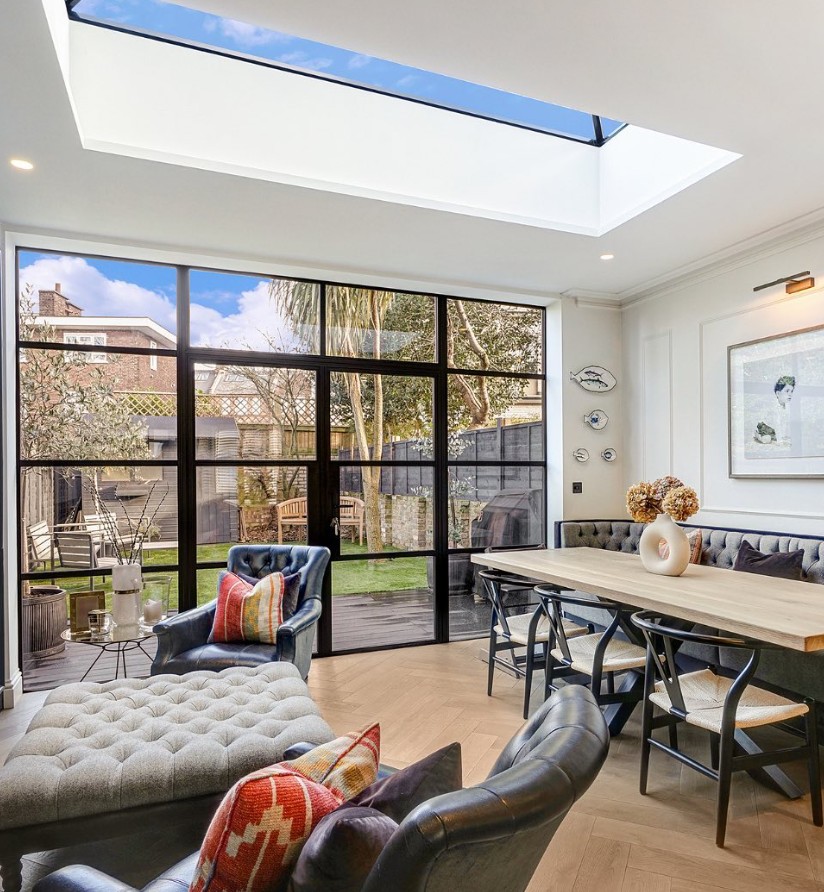
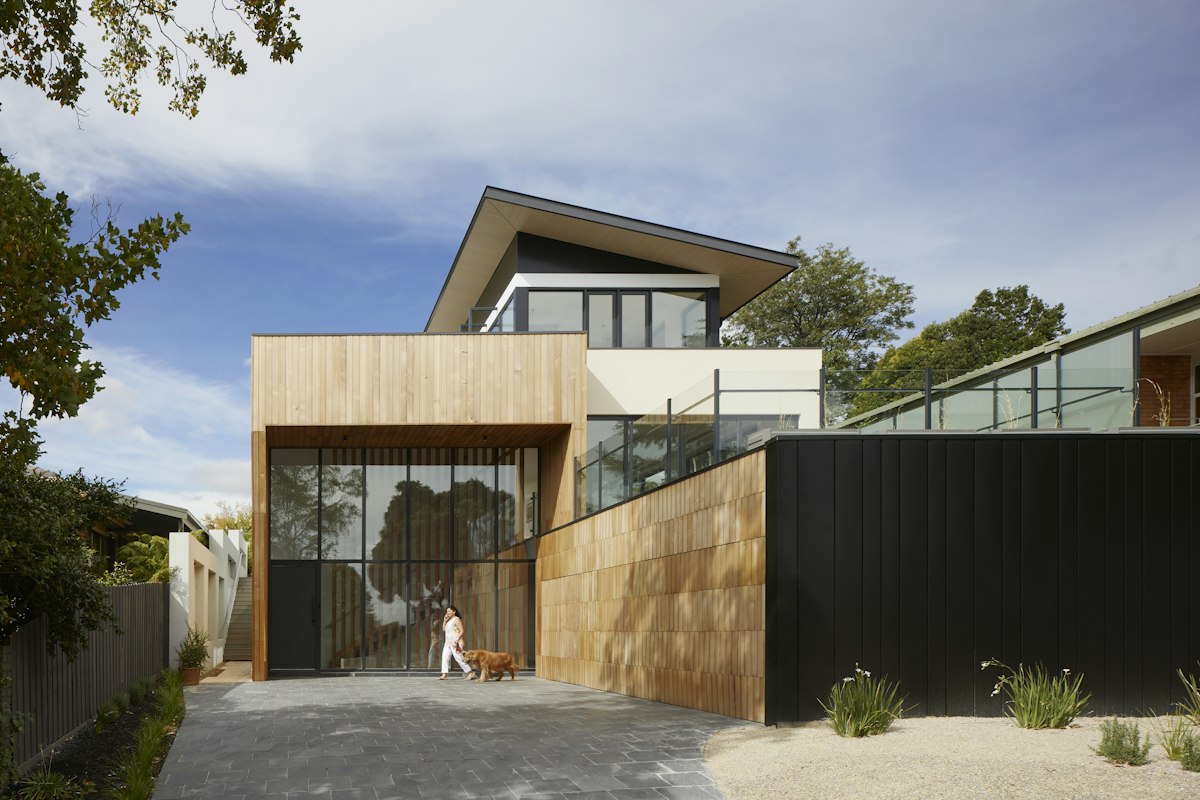
Floor-to-ceiling windows are a striking architectural feature, transforming ordinary rooms into bright, expansive spaces. They blur the lines between indoors and out, inviting natural light and panoramic views into your home. Popular in modern design, these impressive glazed units offer aesthetic appeal and a host of practical benefits, but they also come with specific design, installation, and regulatory considerations, particularly in the UK.
This comprehensive guide will delve into everything UK homeowners need to know about incorporating floor-to-ceiling windows, from understanding their construction and thermal performance to navigating Building Regulations and making informed design choices.
What Exactly Are Floor-to-Ceiling Windows?
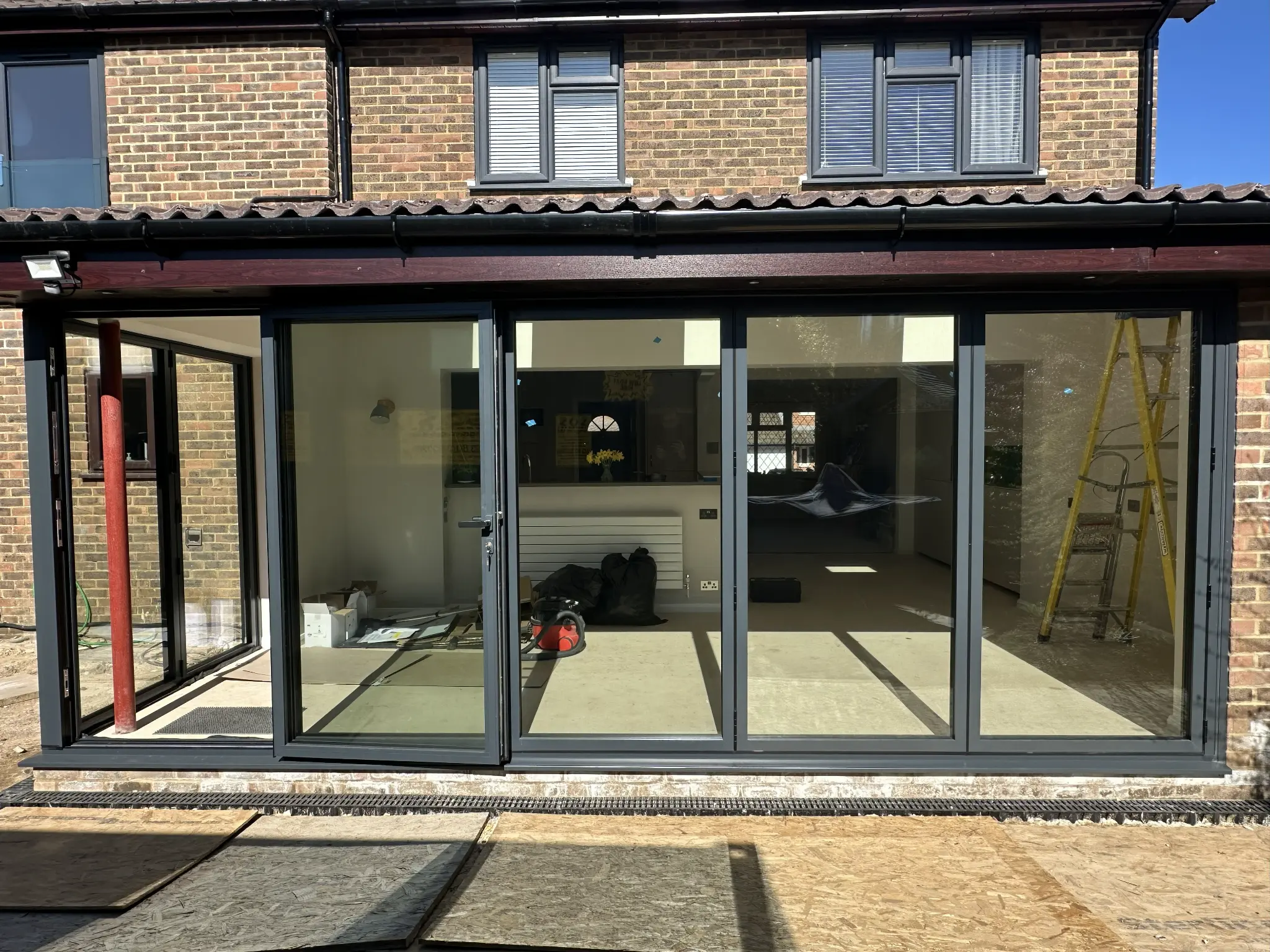
At their core, floor-to-ceiling windows are glazed units that extend from the finished floor level up to the ceiling, or very close to it. They can be fixed (non-opening) panels, sliding doors, bifold doors, or even pivot doors, designed to maximise natural light and views. Unlike standard windows, which are typically set within a wall at a certain height, floor-to-ceiling glazing aims to create an almost seamless glass wall.
Common Types of Floor-to-Ceiling Glazing
- Fixed Panels: These are non-opening glass units, ideal for maximising light and views where ventilation isn't required, or is provided by other means. They offer excellent thermal performance and security.
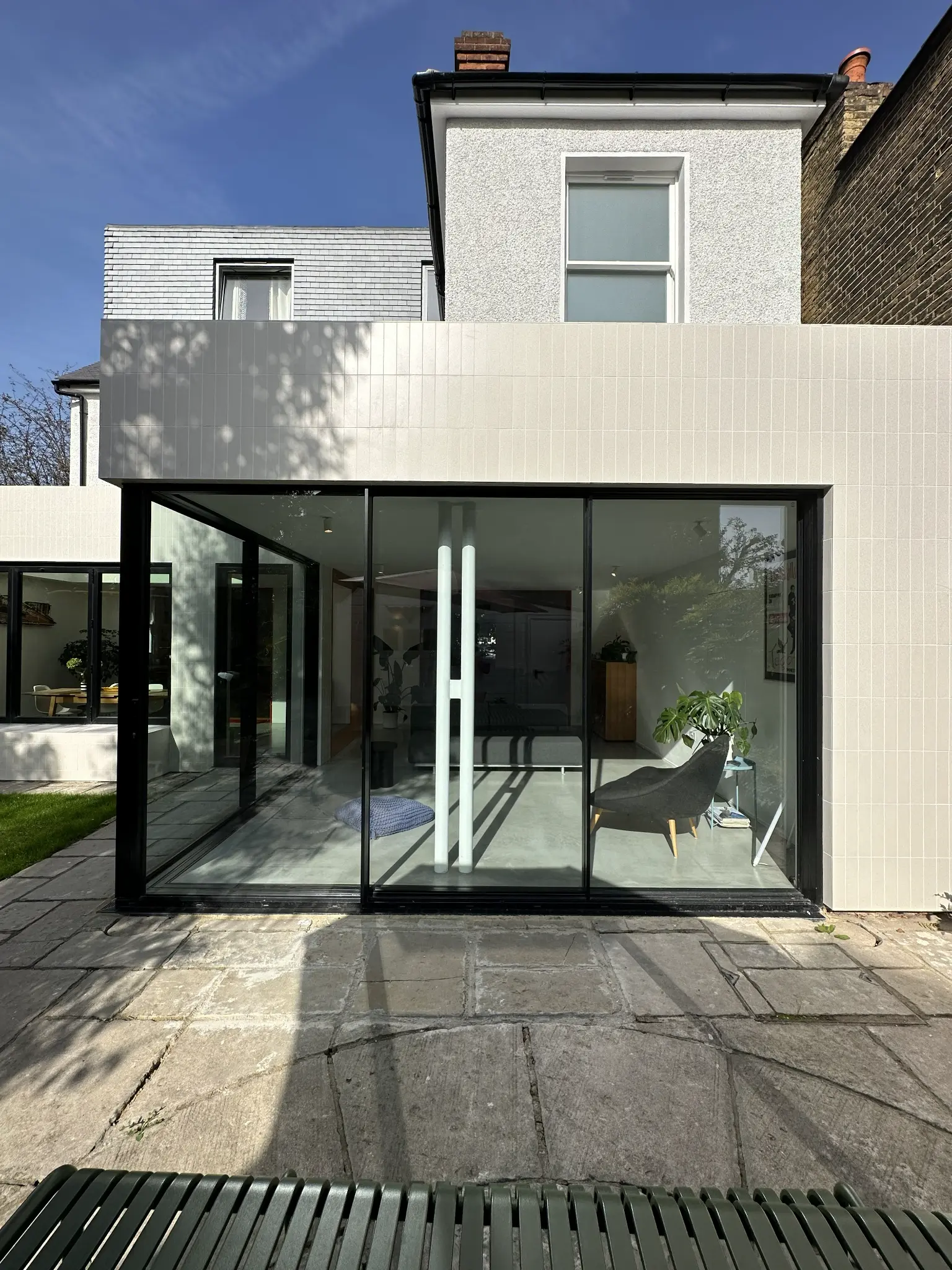
- Sliding Doors: Often used for larger openings, sliding doors allow for expansive glass areas that can be opened up to connect indoor and outdoor spaces. They typically feature two or more panels that slide past each other.
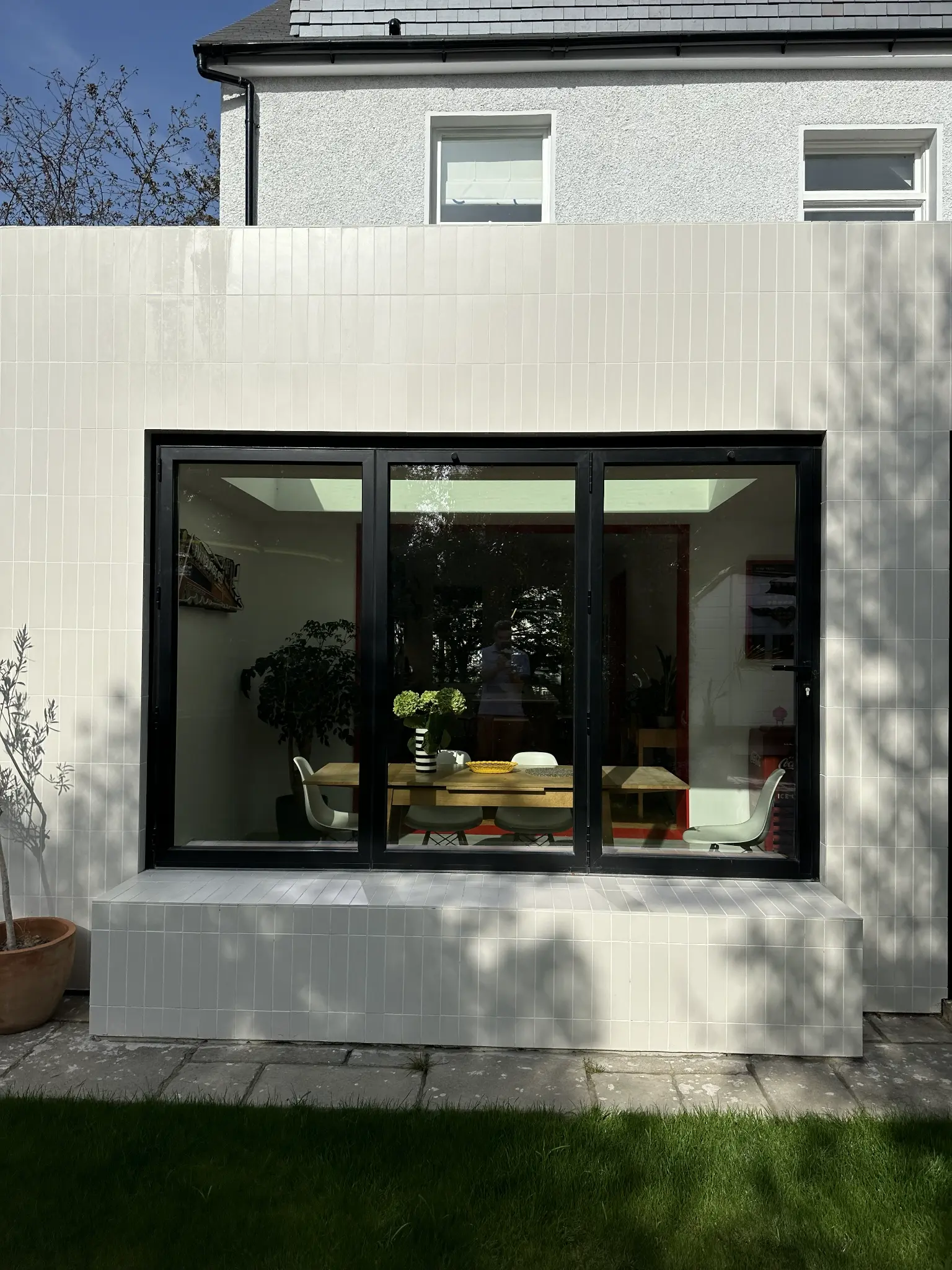
- Bifold Doors: These doors fold back concertina-style, creating a wide, unobstructed opening. They are excellent for merging living areas with gardens or patios.
- Pivot Doors: A single, large door panel that rotates on a vertical axis, offering a grand entrance and a unique aesthetic.
- Curtain Walling: While more common in commercial buildings, bespoke residential projects might incorporate elements of curtain walling, where glass panels are supported by a framework attached to the building structure, creating vast glazed facades.
Benefits and Key Considerations for UK Homes
The appeal of floor-to-ceiling windows is undeniable, but it's crucial to weigh both the advantages and the practical considerations before committing to such a significant architectural change.
Abundant Natural Light
Significantly increases daylight penetration, reducing the need for artificial lighting and creating brighter, more inviting interiors.
Enhanced Views
Offers uninterrupted panoramic views, connecting your home with its surroundings and creating a sense of openness and space.
Modern Aesthetic
Contributes to a contemporary, minimalist design, adding significant architectural impact and perceived value to a property.
Improved Wellbeing
Access to natural light and views has been linked to improved mood, productivity, and overall wellbeing.
Practical Considerations
- Privacy: Large expanses of glass can compromise privacy, especially in urban or overlooked locations. Solutions include intelligent glazing (switchable glass), blinds, curtains, or strategic landscaping.
- Solar Gain & Glare: In south-facing orientations, excessive solar gain can lead to overheating in summer. Conversely, glare can be an issue. Low-emissivity (low-e) coatings, solar control glass, external shading (e.g., overhangs, brise soleil), and internal blinds are effective countermeasures.
- Cleaning: Maintaining the pristine appearance of large glass panels, especially on upper floors, can be challenging and may require professional cleaning services.
- Furniture Placement: Wall space is reduced, which can limit options for furniture arrangement and artwork display.
- Cost: High-performance, bespoke floor-to-ceiling glazing systems are typically more expensive than standard windows due to their size, structural requirements, and advanced glazing specifications.
Pro Tip
When planning floor-to-ceiling windows, consider the orientation of your home. South-facing windows benefit from solar control coatings to prevent overheating, while north-facing windows can maximise light with high-transparency glass. East and west-facing windows may require a balance of both.
Structural & Thermal Performance: UK Building Regulations
Achieving large glazed openings requires careful consideration of structural integrity and thermal efficiency, both of which are heavily regulated by UK Building Regulations.
Structural Requirements
Removing significant sections of wall to install floor-to-ceiling windows will almost certainly require structural alterations. This means:
- Structural Engineer: A qualified structural engineer must assess the existing structure, design suitable lintels, steel beams (RSJs), or other support systems to carry the load from above.
- Foundations: The additional weight of large glazing units and any new structural elements may require strengthening or extending existing foundations.
- Wind Loading: Large glass panels are susceptible to wind pressure. The glazing system must be designed to withstand local wind loads, which will vary depending on location, building height, and exposure.
Thermal Performance and UK Building Regulations Part L (2022 England)
Energy efficiency is paramount. All new and replacement windows and doors, including floor-to-ceiling units, must comply with Part L (Conservation of Fuel and Power) of the Building Regulations. This mandates specific U-values, which measure how effectively a material insulates – lower U-values indicate better insulation.
Key U-Value Requirements (England, 2022):
- New Build Windows/Doors: Maximum U-value of 1.2 W/m²K
- Replacement Windows/Doors: Maximum U-value of 1.4 W/m²K
To meet these stringent requirements, floor-to-ceiling windows typically utilise:
- Double or Triple Glazing: Double glazing is the minimum standard, but triple glazing offers superior thermal performance, often necessary for very large units or to offset heat loss from other parts of the building.
- Low-E Coatings: Microscopic metallic coatings applied to one surface of the glass reflect heat back into the room in winter and reduce solar gain in summer.
- Argon or Krypton Gas Fills: Inert gases between the glass panes are denser than air, further reducing heat transfer.
- Warm Edge Spacers: These non-metallic spacers separate the glass panes, reducing thermal bridging around the edge of the unit.
- Thermally Broken Frames: High-quality aluminium or composite frames incorporate a non-conductive barrier to prevent heat transfer through the frame itself.
It's important to note that while individual components contribute to the U-value, the overall U-value of the entire window or door system (frame + glass) is what matters for Building Regulations compliance.
Building Regulations and Planning Permission
Navigating the regulatory landscape is crucial for any significant home alteration in the UK.
Building Regulations Approval
Installing floor-to-ceiling windows, especially where structural alterations are involved or the opening is new, will almost certainly require Building Regulations approval. This ensures the work meets standards for structural safety, thermal performance, fire safety, and ventilation.
- Fire Safety (Part B): Large glazed areas, particularly in extensions or new builds, may impact fire escape routes or the spread of fire between properties. Your design must demonstrate compliance.
- Ventilation (Part F): While floor-to-ceiling windows maximise light, adequate ventilation must still be provided, either through trickle vents in the frames, opening sections, or a mechanical ventilation system.
- Safety Glazing (Part K): Any glazing in critical locations (e.g., near doors, at low level, or where people could fall through) must be safety glass (toughened or laminated) to prevent injury.
It is advisable to engage with your local Building Control body early in the design process to understand their specific requirements.
Planning Permission
Whether you need planning permission depends on the scope of the work and your property's specific circumstances:
- Permitted Development: Many window replacements or alterations fall under 'permitted development' rights, meaning they don't require full planning permission, provided certain conditions are met.
- New Openings/Extensions: Creating a new opening for floor-to-ceiling windows where one didn't exist, or as part of a new extension, will generally require planning permission.
- Conservation Areas/Listed Buildings: If your property is in a Conservation Area or is a Listed Building, planning permission and potentially Listed Building Consent will almost certainly be required, and restrictions on alterations are much stricter.
- Impact on Neighbours: Large windows, especially those overlooking neighbouring properties, can raise 'overlooking' or 'loss of privacy' concerns, which planning departments will consider.
Always check with your local planning authority before commencing any work.
Design and Installation Considerations
Successful integration of floor-to-ceiling windows hinges on meticulous design and expert installation.
Frame Materials
The choice of frame material significantly impacts aesthetics, performance, and cost.
| Material | Pros | Cons | Typical U-value (Frame Only) |
|---|---|---|---|
| Aluminium | Strong, slim sightlines, durable, low maintenance, wide colour range, excellent for large spans. | Can be more expensive than uPVC, requires thermal breaks for good insulation. | 1.0 - 1.6 W/m²K |
| uPVC | Cost-effective, good thermal performance, low maintenance, wide availability. | Thicker frames than aluminium, limited colour/finish options compared to aluminium, less suitable for very large, unsupported spans. | 1.0 - 1.4 W/m²K |
| Timber | Natural aesthetic, excellent thermal properties, sustainable, can be painted/stained. | Requires more maintenance (painting/varnishing), can be susceptible to rot if not properly maintained, higher cost. | 0.8 - 1.2 W/m²K |
| Composite (e.g., Alu-clad timber) | Best of both worlds: timber interior for warmth, aluminium exterior for durability and low maintenance. Excellent thermal performance. | Highest cost, more complex manufacturing. | 0.7 - 1.1 W/m²K |
Installation Challenges
- Weight: Large glass units are extremely heavy, requiring specialist lifting equipment and a skilled installation team.
- Precision: Achieving perfectly level and plumb installation is critical for smooth operation of opening sections and overall aesthetic.
- Weatherproofing: The interface between the glazing system and the building structure must be meticulously sealed to prevent water ingress and air leakage. This often involves complex flashing and membrane systems.
- Thermal Bridging: Careful detailing is needed at floor and ceiling junctions to prevent cold spots and condensation. The frame should ideally sit on a thermally broken cill or upstand.
Maintenance and Longevity
While modern floor-to-ceiling windows are designed for durability, regular maintenance ensures their longevity and performance.
- Cleaning: Regular cleaning of glass and frames is essential. Use appropriate cleaning solutions and soft cloths to avoid scratching. For hard-to-reach areas, consider professional window cleaners.
- Hardware Checks: Periodically check hinges, locks, and sliding mechanisms for smooth operation. Lubricate moving parts as recommended by the manufacturer.
- Seals and Gaskets: Inspect rubber seals and gaskets for signs of perishing or damage. Worn seals can lead to drafts and reduced thermal performance.
- Drainage: Ensure drainage channels in frames are clear of debris to prevent water build-up.
Investing in high-quality products from reputable manufacturers and installers will generally lead to better long-term performance and fewer maintenance issues.
Conclusion
Floor-to-ceiling windows offer a truly transformative element for any UK home, bringing light, space, and a contemporary edge. While the benefits are clear, successful integration requires a thorough understanding of structural implications, stringent Building Regulations, and careful design choices regarding thermal performance, privacy, and solar control.
By working with experienced architects, structural engineers, and specialist glazing installers, homeowners can navigate these complexities to create stunning, energy-efficient, and compliant glazed features that enhance both the beauty and value of their property for years to come.
If you're considering floor-to-ceiling windows for your project, it's always recommended to consult with professionals who can provide tailored advice and ensure your vision meets all necessary standards.
Explore Our Products
Discover how Shard Architectural Glazing can transform your home with our premium glazing solutions:
Ready to Transform Your Home?
Get in touch with our expert team for a free consultation and personalised quote. We'll help you choose the perfect glazing solution for your property.