

Floor-to-Ceiling Windows: Design, Performance & UK Regulations
Explore the beauty and practicality of floor-to-ceiling windows in UK homes. Learn about design considerations, thermal performance, Building Regulations, and costs.

Shard Architectural Glazing
2 May 2026
Explore the beauty and practicality of floor-to-ceiling windows in UK homes. Learn about design considerations, thermal performance, Building Regulations, and costs.
📋In This Article
Floor-to-ceiling windows, also known as full-height or panoramic windows, are a striking architectural feature that can transform any home. They blur the lines between indoor and outdoor spaces, flooding interiors with natural light and offering expansive views. While aesthetically pleasing, their implementation in UK homes requires careful consideration of design, structural integrity, thermal performance, and compliance with stringent Building Regulations.
This comprehensive guide will delve into the technical aspects, practicalities, and regulatory requirements associated with installing floor-to-ceiling windows, helping you make an informed decision for your property.
What Are Floor-to-Ceiling Windows?
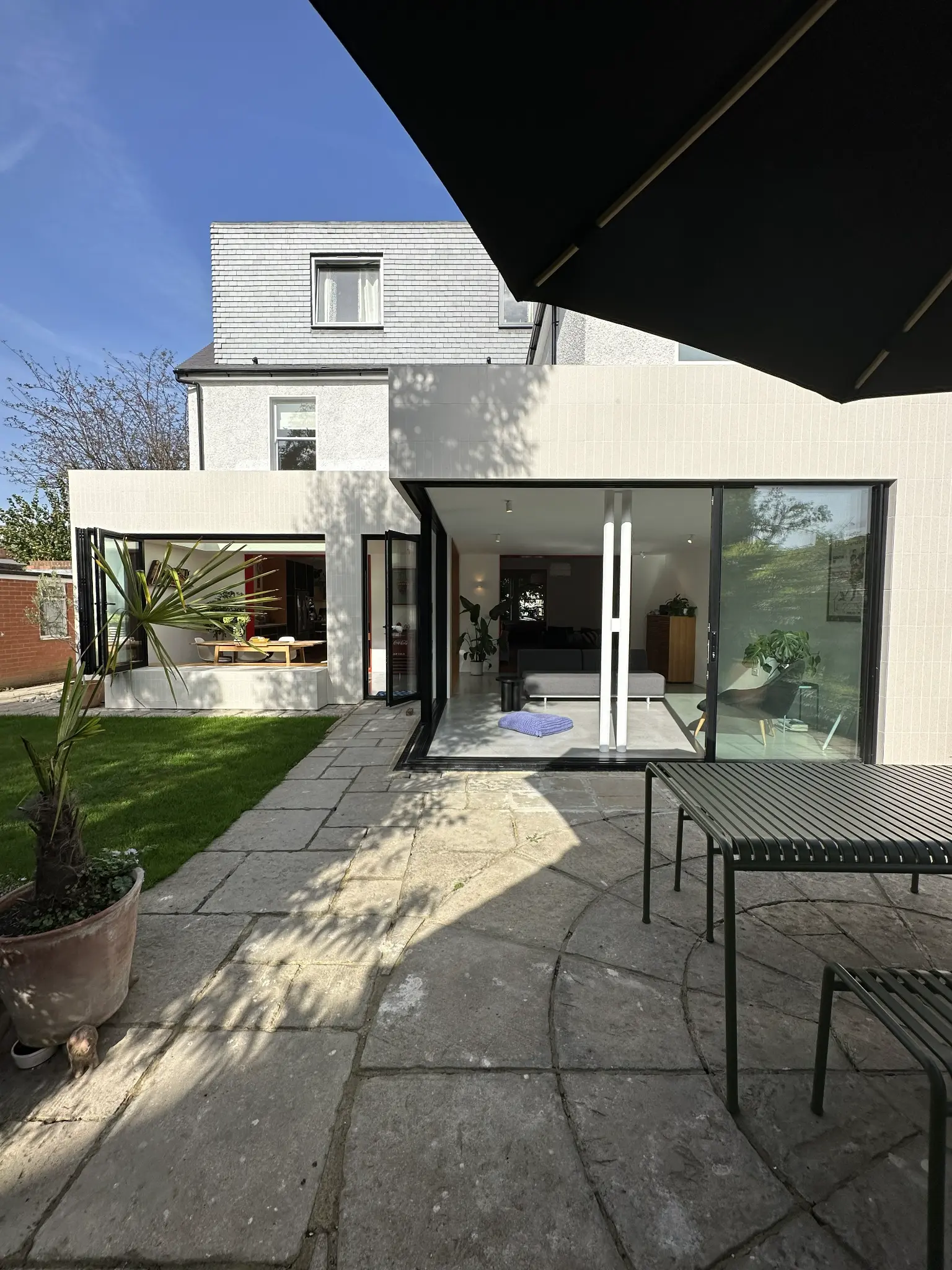
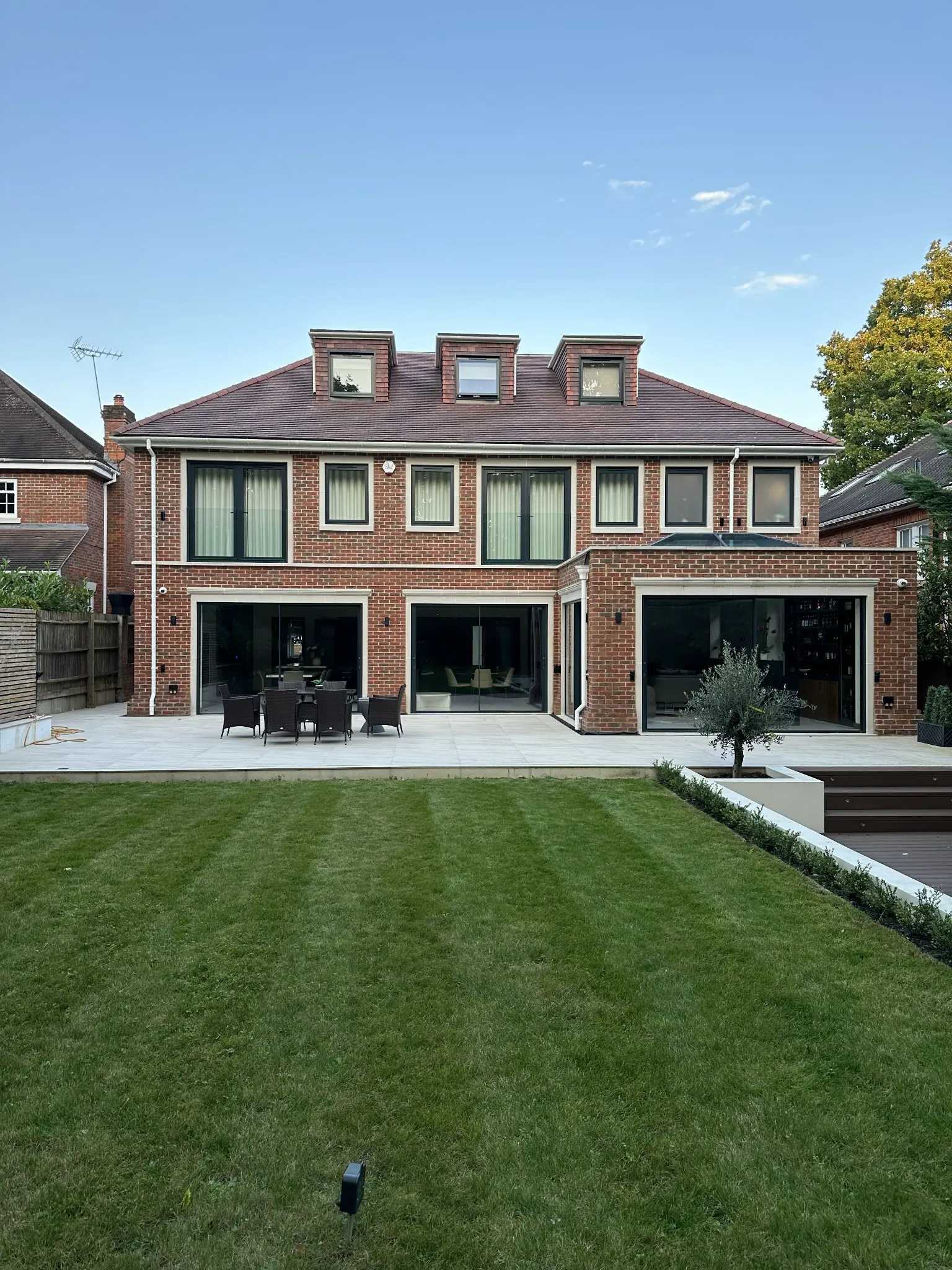
As the name suggests, floor-to-ceiling windows extend from the floor level (or very close to it) up to the ceiling, often spanning the entire width of a room or a significant portion thereof. They are typically large, fixed panes of glass, but can also incorporate opening sections such as sliding doors, bifold doors, or tilt-and-turn windows.
Common Types and Configurations:
- Fixed Panes: These offer maximum light and unobstructed views, often used in conjunction with smaller opening windows or mechanical ventilation systems.
- Sliding Doors: Popular for creating large openings to patios or gardens, allowing for seamless indoor-outdoor flow. Configurations include two, three, or four panels sliding on tracks.
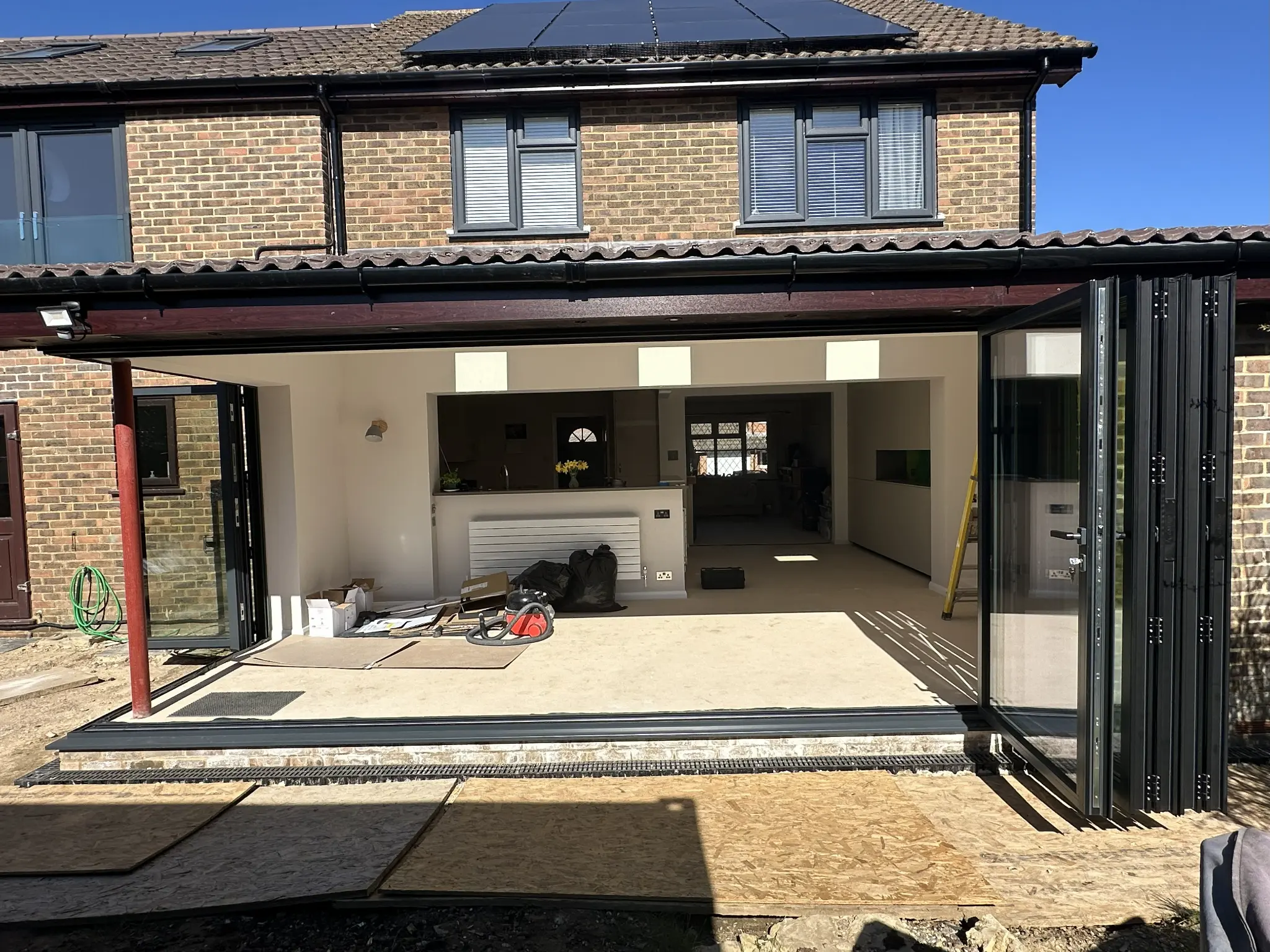
- Bifold Doors: These panels fold back concertina-style, creating a wide, open aperture. Ideal for maximising connection to outdoor spaces.
- Lift-and-Slide Doors: A premium option for very large openings, where the panels lift slightly before sliding, offering superior weather sealing and smooth operation.
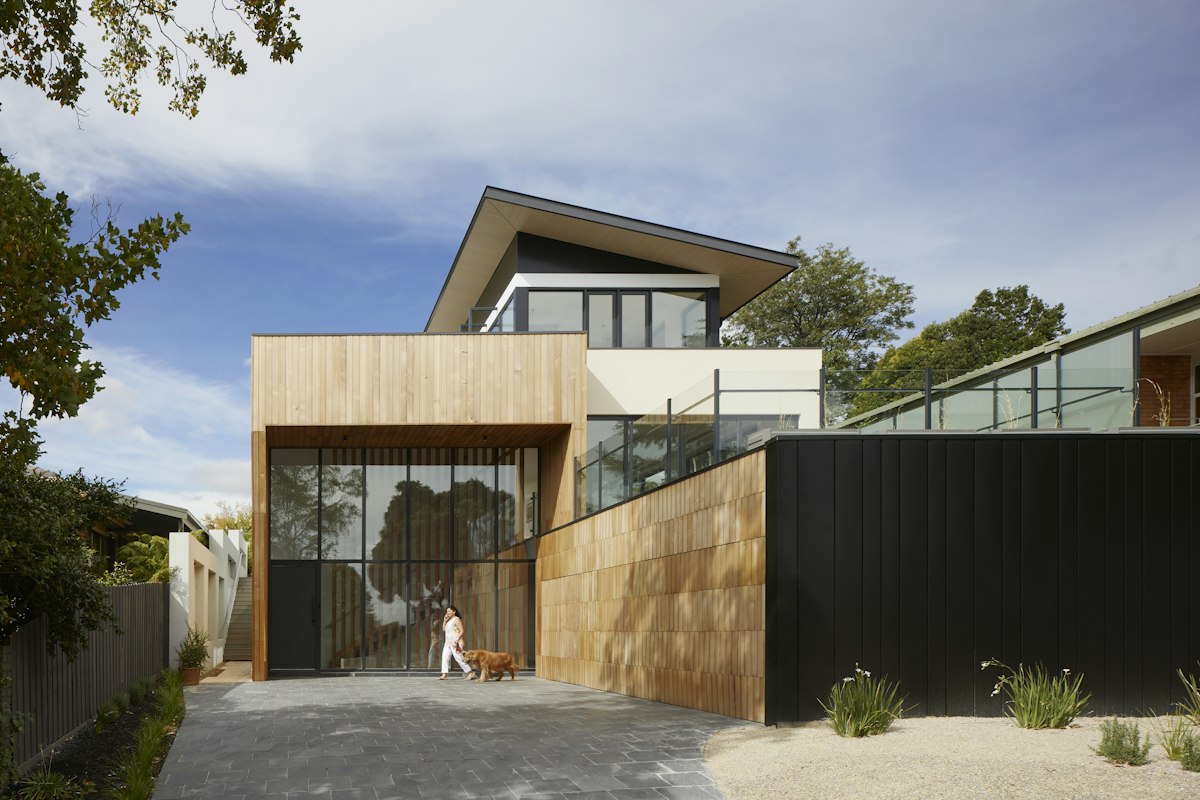
- Curtain Walling: For very large, multi-storey glazed areas, a curtain wall system might be employed, where glass panels are supported by an aluminium framework.
Design and Structural Considerations
Integrating large expanses of glass into a building's structure demands meticulous planning and engineering. The sheer weight of the glass, combined with wind loads, requires robust support.
Structural Support
The primary concern is ensuring the building can safely bear the load. This often involves:
- Lintels and Beams: For new openings, substantial steel or reinforced concrete lintels will be required to support the wall above. For very wide openings, a structural engineer will design bespoke steel beams.
- Foundations: The foundations below the opening must be adequate to support the additional weight and transfer loads safely to the ground.
- Wind Loading: Large glass panels are susceptible to significant wind pressure. The frame and glass specification must be designed to withstand local wind loads, which vary depending on location, building height, and surrounding topography.
Frame Materials
The choice of frame material significantly impacts aesthetics, thermal performance, and structural integrity.
- Aluminium: Highly durable, strong, and lightweight, allowing for slim sightlines and large panes of glass. Excellent for modern aesthetics. Can be thermally broken to improve insulation.
- Timber: Offers a natural, warm aesthetic. Good thermal properties. Requires more maintenance than aluminium.
- Composite (Alu-Clad Timber): Combines the strength and low maintenance of aluminium on the exterior with the warmth of timber internally.
- uPVC: Generally less suitable for very large, structural floor-to-ceiling applications due to its inherent flexibility, but can be used for smaller, individual full-height windows.
Pro Tip
Always engage a qualified structural engineer early in the design process when planning significant alterations involving large glazed openings. Their expertise is crucial for ensuring the safety and long-term stability of your home.
Thermal Performance and UK Building Regulations
One of the most critical aspects of large glazing installations in the UK is achieving adequate thermal performance. Poorly insulated windows can lead to significant heat loss, increased energy bills, and uncomfortable internal temperatures. UK Building Regulations (specifically Part L for England, and similar regulations in Scotland, Wales, and Northern Ireland) set strict standards for thermal efficiency.
U-Values Explained
The thermal performance of a window is measured by its U-value, expressed in Watts per square metre Kelvin (W/m²K). A lower U-value indicates better insulation and less heat loss.
Current UK Building Regulations Part L (2022 England)
For new build homes and extensions, and for replacement windows in existing homes, specific U-value targets must be met:
- New Build & Extensions: The maximum allowable U-value for windows and doors is 1.2 W/m²K.
- Replacement Windows: The maximum allowable U-value for replacement windows and doors is 1.4 W/m²K.
Achieving these values with large expanses of glass typically requires high-performance glazing units:
- Double Glazing: Modern double-glazed units typically feature two panes of glass separated by a sealed cavity filled with an inert gas (like argon) and often incorporate low-emissivity (low-e) coatings.
- Triple Glazing: For superior thermal performance, especially in new builds or exposed locations, triple glazing (three panes of glass with two gas-filled cavities) is often specified.
- Thermally Broken Frames: Frame materials like aluminium must incorporate a 'thermal break' – a non-conductive material separating the inner and outer parts of the frame – to prevent heat transfer.
It's important to note that while individual windows must meet these U-value targets, the overall thermal performance of an extension or new build is assessed via a 'whole dwelling' or 'whole extension' calculation (e.g., using SAP for new builds or a U-value calculation for extensions). This means that if you have very large glazed areas, other elements of the building (walls, floor, roof) may need to exceed their minimum U-value requirements to compensate.
| Building Element | New Build & Extension (U-value W/m²K) | Replacement (U-value W/m²K) |
|---|---|---|
| Walls | 0.18 | N/A (often part of whole dwelling assessment) |
| Floors | 0.18 | N/A |
| Roofs | 0.15 | N/A |
| Windows/Doors | 1.2 | 1.4 |
Ventilation: Building Regulations also cover ventilation (Part F). Large fixed panes mean reliance on trickle vents or mechanical ventilation systems to ensure adequate fresh air and prevent condensation. Opening sections in floor-to-ceiling windows can contribute to natural ventilation strategies.
Safety Glazing (Part K): Any glazing in critical locations (e.g., within 800mm of floor level, or in doors) must be safety glass (toughened or laminated) to minimise the risk of injury in case of breakage.
Fire Safety (Part B): The proximity of large windows to boundary lines or other buildings can impact fire safety regulations, potentially requiring specific fire-rated glazing or reduced opening sizes.
Cost and Maintenance
Floor-to-ceiling windows represent a significant investment, both initially and in terms of ongoing maintenance.
Initial Costs
- Glazing Units: High-performance double or triple glazing with low-e coatings and gas fills are more expensive than standard units.
- Frame Materials: Aluminium and composite frames are generally more costly than uPVC.
- Structural Work: The cost of structural engineering, steelwork, and associated building work can be substantial, especially for large openings in existing properties.
- Installation: Due to their size and weight, installation requires specialist equipment and skilled labour, increasing costs.
- Ancillary Items: Consider costs for specialist blinds or shading solutions, which are often necessary for privacy and solar gain control.
Ongoing Maintenance
- Cleaning: Large glass surfaces will require regular cleaning, which can be challenging for upper-floor windows. Professional window cleaners may be necessary.
- Frame Care: The maintenance requirements vary by material. Aluminium is low maintenance, while timber requires periodic re-painting or re-staining.
- Hardware: Sliding and bifold door mechanisms should be checked and lubricated periodically to ensure smooth operation.
Pros and Cons of Floor-to-Ceiling Windows
Understanding the full picture is essential before committing to such a significant architectural feature.
Abundant Natural Light
Maximises daylight penetration, reducing the need for artificial lighting and creating brighter, more inviting interiors.
Enhanced Views
Offers panoramic views of the garden, landscape, or city, truly connecting the interior with the external environment.
Modern Aesthetic
Creates a contemporary, sophisticated look that adds significant architectural appeal and perceived value to a property.
Sense of Space
Makes rooms feel larger and more open, blurring the boundaries between inside and out, especially when combined with open-plan living.
Potential Drawbacks and Considerations:
- Privacy: Large glazed areas can compromise privacy, especially in urban or overlooked locations. Solutions include strategic landscaping, specialist glazing (e.g., smart glass, tinted), or integrated blinds.
- Solar Gain: In summer, excessive sunlight can lead to overheating. External shading (overhangs, louvres), internal blinds, or solar control coatings on the glass can mitigate this.
- Heat Loss: Despite modern glazing technology, large windows will generally lose more heat than an equivalent area of insulated wall. Careful design and high-performance specification are crucial.
- Furniture Placement: Wall space for furniture is significantly reduced, requiring thoughtful interior design.
- Cost: As discussed, the initial investment and ongoing maintenance can be higher than traditional window installations.
- Cleaning: Keeping large windows spotless can be a regular chore, particularly for those in hard-to-reach locations.
Planning Permission and Building Control
For any significant alteration to your home, particularly those involving structural changes or changes to the external appearance, you will likely need to engage with local authorities.
- Planning Permission: If you are creating a new opening, significantly altering the external appearance of your home, or extending your property, you will almost certainly require planning permission. Even replacing existing windows with a different style or size might require permission in conservation areas or for listed buildings. It is always advisable to check with your local planning authority.
- Building Control Approval: All structural alterations and changes affecting thermal performance, fire safety, or ventilation must comply with Building Regulations. This means submitting plans to your local Building Control body or using an approved independent inspector. They will check that your proposed works meet all relevant standards, including U-values, structural integrity, and safety glazing requirements. Failure to obtain Building Control approval could lead to problems when selling your property.
It is highly recommended to consult with an architect or experienced designer and your local Building Control department early in the process to understand the specific requirements for your project.
Conclusion
Floor-to-ceiling windows offer undeniable aesthetic and lifestyle benefits, bringing light, views, and a sense of openness into your home. However, their successful integration, particularly in the UK's climate and regulatory environment, requires a thorough understanding of structural implications, thermal performance, and compliance with Building Regulations.
By carefully considering frame materials, glazing specifications, and engaging with qualified professionals like structural engineers, architects, and reputable glazing specialists, you can ensure your floor-to-ceiling windows are not only beautiful but also energy-efficient, safe, and compliant with all necessary standards. This approach will help you create a stunning, comfortable, and valuable addition to your home.
If you're considering enhancing your home with bespoke floor-to-ceiling glazing, Shard AG specialises in high-performance architectural glazing solutions tailored for the UK market. Our expert team can guide you through the design, specification, and installation process, ensuring your project meets both your aesthetic aspirations and all relevant regulatory requirements. Contact us today to discuss your vision.
Explore Our Products
Discover how Shard Architectural Glazing can transform your home with our premium glazing solutions:
Ready to Transform Your Home?
Get in touch with our expert team for a free consultation and personalised quote. We'll help you choose the perfect glazing solution for your property.