
Frameless Glass Solutions: A UK Homeowner's Guide
Explore frameless glass solutions for UK homes. Understand types, benefits, regulations, and practical considerations for stunning, modern architectural glazing.

Shard Architectural Glazing
30 April 2026
Explore frameless glass solutions for UK homes. Understand types, benefits, regulations, and practical considerations for stunning, modern architectural glazing.
📋In This Article
Frameless Glass Solutions: A UK Homeowner's Guide to Modern Glazing
Frameless glass solutions represent the pinnacle of modern architectural glazing, offering an unparalleled aesthetic of openness, light, and minimalist design. For UK homeowners looking to enhance their property's contemporary appeal and functionality, understanding the nuances of frameless glass is crucial. This guide delves into the various applications, technical considerations, and regulatory aspects of incorporating these stunning features into your home.
What Are Frameless Glass Solutions?
At its core, a frameless glass solution refers to any glazing system where the structural support is either minimal, hidden, or inherent within the glass itself, rather than relying on traditional bulky frames. The objective is to maximise transparency and minimise visual obstruction, creating a seamless connection between indoor and outdoor spaces, or between different areas within a property.
The 'frameless' appearance is typically achieved through several methods:
- Structural Glazing: Where the glass panels are directly bonded to the building's structure using high-strength silicone or discreet fixings.
- Point-Fixed Glazing: Utilising small, often stainless steel, 'spider' fittings that pass through drilled holes in the glass to secure it to a supporting structure behind.
- Channel Glazing: Where the base of the glass panel is set into a slim, often recessed, channel in the floor or wall, with the top edge remaining free or minimally supported.
- Glass-to-Glass Joints: Panels are joined directly to each other with a minimal silicone seal, eliminating the need for vertical mullions.
The result is a clean, unobstructed expanse of glass that allows natural light to flood interiors and offers expansive views, transforming the perception of space and light within a home.
Common Applications in UK Homes
Frameless glass solutions are incredibly versatile and can be integrated into various parts of a UK home, both internally and externally.
External Applications:
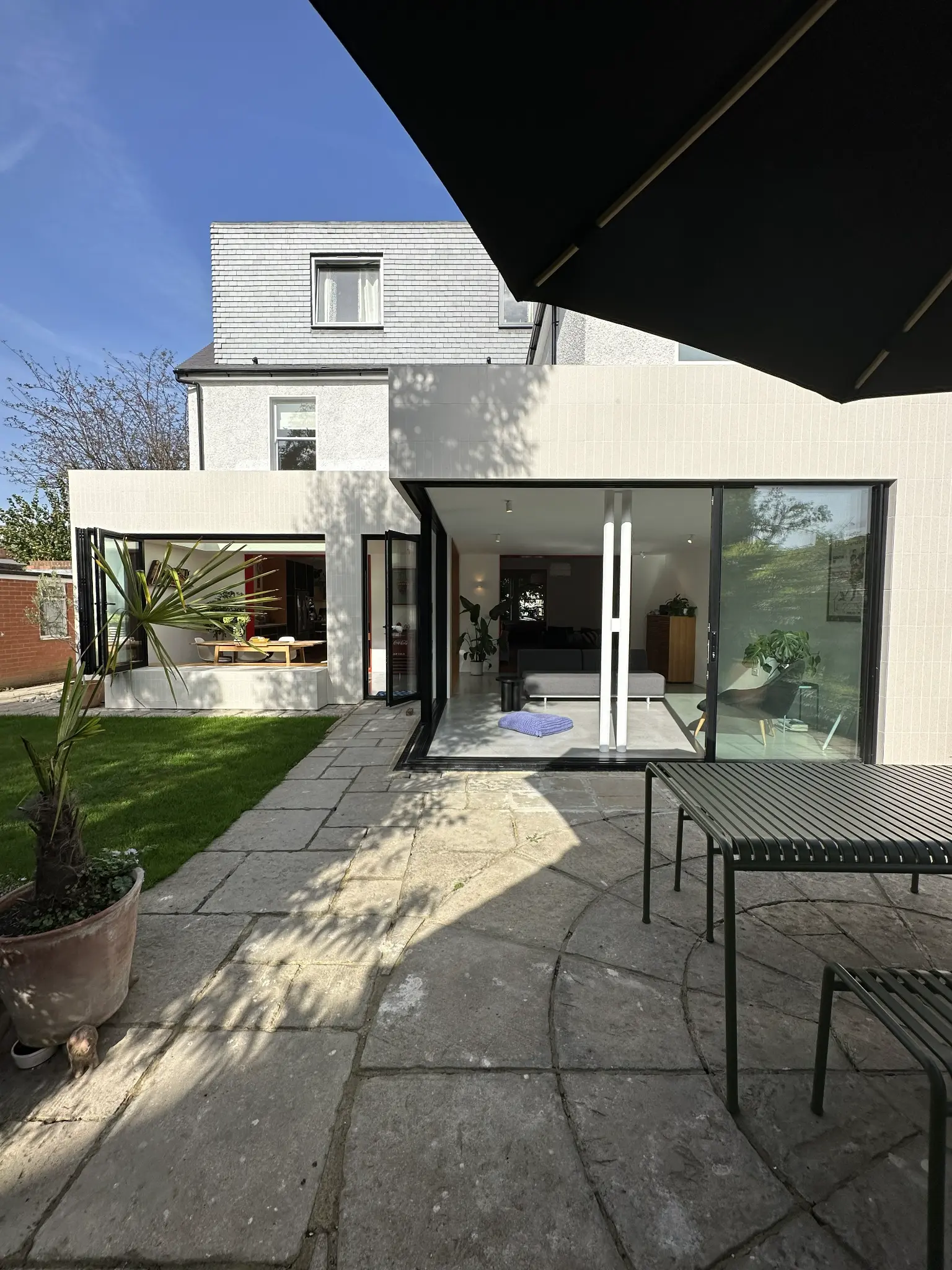
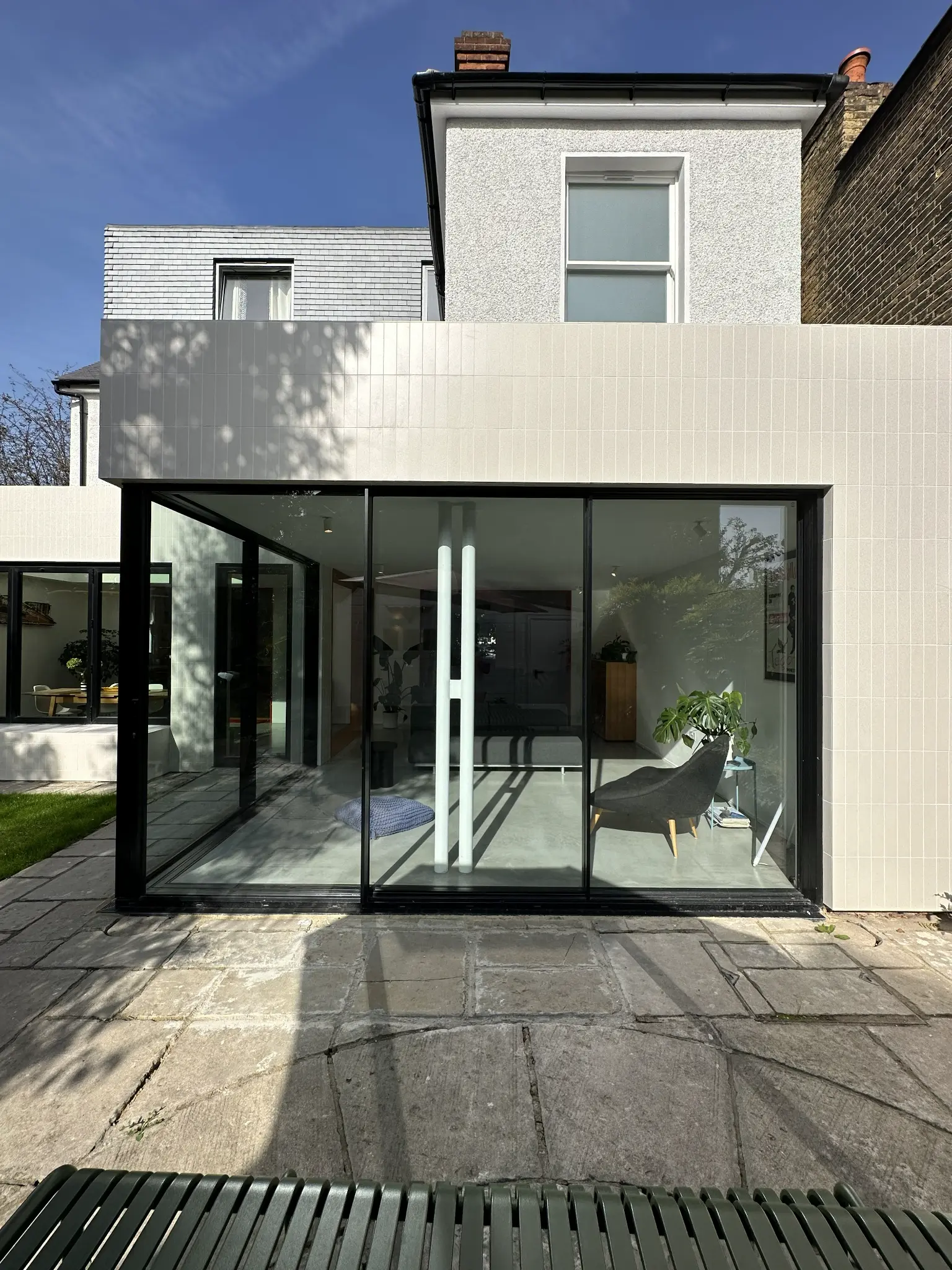
- Frameless Glass Extensions/Orangeries: Creating breathtaking additions that feel like a natural extension of the garden, offering panoramic views and abundant light.
- Glass Balustrades: For balconies, terraces, or decking areas, providing safety without impeding views. These are particularly popular for modern properties and those with scenic outlooks.
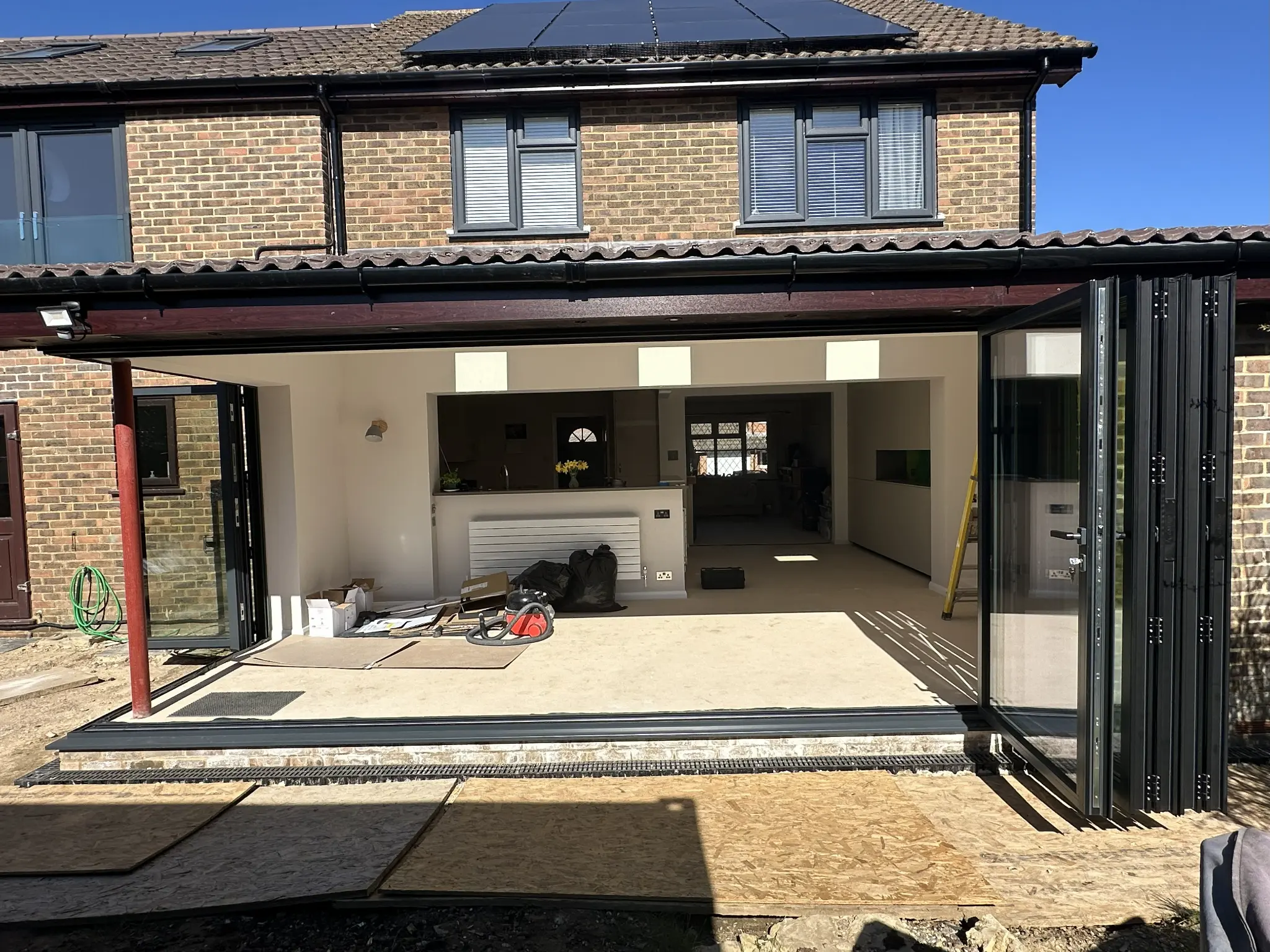
- Frameless Bifold or Sliding Doors: While not entirely frameless, these systems feature extremely slim sightlines, giving a near-frameless appearance when closed and stacking neatly when open.
- Glass Canopies/Porches: Offering shelter over entrances while maintaining an open, airy feel.
- Fixed Glass Panels/Picture Windows: Large, static panels of glass used to frame a view, often spanning floor to ceiling.
Internal Applications:
- Glass Partitions/Walls: Dividing internal spaces without sacrificing light or the feeling of openness, ideal for home offices, en-suites, or open-plan living.
- Glass Balustrades for Staircases: A popular choice for contemporary interiors, creating a floating, elegant look for staircases.
- Glass Shower Screens/Enclosures: Providing a sleek, minimalist aesthetic in bathrooms, often custom-made to fit specific spaces.
- Glass Floors/Walkways: Less common but impactful, allowing light to penetrate lower levels or creating architectural statements.
Benefits and Considerations
While frameless glass offers significant advantages, it's important for homeowners to weigh both the pros and cons.
Enhanced Aesthetics
Creates a sleek, modern, and luxurious look, maximising views and natural light for a brighter, more expansive feel.
Increased Natural Light
Reduces reliance on artificial lighting, potentially lowering energy bills and improving occupant well-being.
Seamless Integration
Blurs the lines between indoor and outdoor spaces, fostering a stronger connection with the surrounding environment.
Perceived Space
Makes smaller rooms feel larger and more open by removing visual barriers.
Key Considerations:
- Cost: Frameless glass solutions typically involve higher upfront costs due to specialised engineering, installation, and the use of high-performance glass.
- Thermal Performance: While modern glass technology has advanced significantly, large expanses of glass can still be a weaker point for thermal insulation compared to insulated walls. Careful specification of glass type is crucial.
- Privacy: The transparency that is a key benefit can also be a drawback. Solutions like smart glass, blinds, or strategically placed landscaping may be needed.
- Cleaning and Maintenance: Large glass surfaces require regular cleaning to maintain their pristine appearance, especially externally.
- Structural Requirements: The building's structure must be capable of supporting the weight and forces exerted by large glass panels. This often requires specialist structural engineering.
Pro Tip
When considering frameless glass for an extension or large opening, always consult with a structural engineer early in the design process. Their expertise will ensure the proposed solution is safe, compliant, and integrated correctly with your existing property.
Technical Aspects and UK Building Regulations
Designing and installing frameless glass solutions in the UK requires a thorough understanding of technical specifications and adherence to Building Regulations. This ensures safety, energy efficiency, and structural integrity.
Glass Specification:
The type of glass used is paramount:
- Toughened Glass (Tempered Glass): Essential for safety, especially in balustrades, doors, and large panels. If it breaks, it shatters into small, relatively harmless pieces.
- Laminated Glass: Consists of two or more panes of glass bonded together with an interlayer (e.g., PVB). If broken, the interlayer holds the fragments in place, reducing the risk of injury. Often used for overhead glazing, balustrades, and areas requiring enhanced security.
- Insulated Glass Units (IGUs) / Double or Triple Glazing: Crucial for thermal performance. These units comprise multiple panes separated by a sealed gap, often filled with inert gas (like argon) to improve insulation.
- Low-E Coatings: Microscopic metallic coatings applied to glass surfaces to reflect heat, improving thermal efficiency by reducing heat loss in winter and heat gain in summer.
- Solar Control Glass: Designed to reduce solar heat gain, preventing overheating in south-facing extensions.
UK Building Regulations Part L (Conservation of Fuel and Power):
For external frameless glass installations (e.g., extensions, large windows), compliance with Part L is critical. This part of the regulations sets standards for the energy performance of buildings. The U-value (a measure of heat transfer) of the glazing is a key factor.
- New Builds: Windows/Doors typically require a U-value of 1.2 W/m²K or better.
- Replacement Windows/Doors: Typically require a U-value of 1.4 W/m²K or better.
- New Extensions: The overall thermal performance of the extension, including its glazing, must meet specific targets. While individual elements have target U-values (e.g., walls 0.18 W/m²K, roof 0.15 W/m²K), the glazing area is often limited to a percentage of the floor area (e.g., 25%) unless compensatory measures are taken to offset heat loss.
Achieving these U-values with large expanses of glass often necessitates high-performance double or triple glazing with low-E coatings and warm edge spacers.
UK Building Regulations Part K (Protection from Falling, Collision and Impact):
This part is particularly relevant for glass balustrades and partitions. It dictates the minimum height, strength, and type of glass required to prevent people from falling or being injured by collision or impact. For instance, balustrades must be of a certain height (e.g., 1100mm for external, 900mm for internal stairs) and use appropriate safety glass (toughened or laminated).
Structural Engineering:
For any significant frameless glass installation, especially those forming part of the building's structure (e.g., glass roofs, large extensions), engaging a qualified structural engineer is essential. They will calculate loads, specify glass thicknesses, and design appropriate fixing methods to ensure the system is safe and compliant.
Installation and Maintenance
The successful implementation of frameless glass relies heavily on expert installation and careful ongoing maintenance.
Installation Process:
Given the precision required, frameless glass installation is a specialist task:
- Site Preparation: Ensuring foundations, openings, and supporting structures are perfectly level and prepared.
- Accurate Measurement: Critical for custom-cut glass panels, as there is little room for error.
- Specialist Equipment: Large glass panels require vacuum lifters and other heavy-duty equipment for safe handling and positioning.
- Sealing and Finishing: High-quality, weather-resistant silicone seals are used to ensure watertightness and thermal integrity for external applications.
Always choose an experienced installer with a proven track record in frameless glazing to ensure the longevity and performance of your investment.
Maintenance Tips:
- Regular Cleaning: Use a soft cloth, squeegee, and a mild glass cleaner or just warm water. Avoid abrasive materials that can scratch the glass or damage coatings.
- Check Seals: Periodically inspect silicone seals for any signs of degradation, cracking, or shrinkage, especially in external applications. Promptly address any issues to prevent leaks.
- Inspect Hardware: For systems with point fixings or channels, check that all components are secure and free from corrosion.
- Drainage: Ensure any drainage channels or weep holes are clear of debris to prevent water build-up.
Choosing the Right Solution for Your Home
Deciding on the best frameless glass solution involves careful consideration of your property's style, your budget, and your specific requirements. Here's a comparative overview of common frameless glass types:
| Feature | Frameless Glass Balustrade | Frameless Glass Extension | Frameless Internal Partition |
|---|---|---|---|
| Primary Purpose | Safety barrier, unobstructed views | Maximise light, expand living space, connect to outdoors | Divide space, maintain light/openness |
| Typical Glass Type | 10-21.5mm Toughened Laminated Safety Glass | Double/Triple Glazed IGUs (toughened, low-E, solar control) | 10-12mm Toughened Glass |
| U-value Relevance (Part L) | Not directly applicable (safety barrier) | Critical (must meet 1.2-1.4 W/m²K for glazing, overall extension calculation) | Not applicable (internal, no thermal barrier) |
| Structural Needs | Robust base channel or point fixings, compliant with Part K | Significant structural engineering for foundations, roof, and large panels | Minimal, often top/bottom channels or discreet clamps |
| Cost (Relative) | Medium to High | High to Very High | Medium |
| Maintenance Focus | Cleaning, checking fixings/seals | Cleaning, checking seals, drainage, operating mechanisms | Cleaning |
| UK Regs Focus | Part K (safety) | Part L (energy), Part A (structure), Part B (fire), Part K (safety) | Part K (safety for large panels) |
When making your decision, consider:
- Your Budget: Frameless solutions are an investment. Obtain detailed quotes from multiple specialists.
- Architectural Style: While inherently modern, frameless glass can complement certain traditional properties when thoughtfully integrated.
- Functional Requirements: Do you need opening sections? What level of thermal performance is required? Is privacy a concern?
- Local Planning Permission: Large extensions or significant external alterations may require planning permission in addition to Building Control approval. Always check with your local authority.
Conclusion
Frameless glass solutions offer a transformative approach to architectural design, bringing light, space, and contemporary elegance to UK homes. By understanding the various types, technical specifications, and regulatory requirements, homeowners can make informed decisions that result in stunning, compliant, and long-lasting installations. The journey from concept to completion requires careful planning, expert design, and specialist installation, but the end result – a home bathed in natural light with uninterrupted views – is often well worth the investment.
If you're considering incorporating frameless glass into your property, seeking advice from experienced architectural glazing specialists is highly recommended. They can guide you through the design process, ensure compliance with all relevant UK Building Regulations, and deliver a solution tailored to your specific needs and aspirations.
Explore Our Products
Discover how Shard Architectural Glazing can transform your home with our premium glazing solutions:
Ready to Transform Your Home?
Get in touch with our expert team for a free consultation and personalised quote. We'll help you choose the perfect glazing solution for your property.