

Garden Room Glazing: Choosing the Right Windows & Doors
Explore garden room glazing options in the UK. Understand glass types, frame materials, U-values, and Building Regulations for an energy-efficient and comfortable space.

Shard Architectural Glazing
4 May 2026
Explore garden room glazing options in the UK. Understand glass types, frame materials, U-values, and Building Regulations for an energy-efficient and comfortable space.
📋In This Article
Garden rooms have become an increasingly popular addition to UK homes, offering versatile spaces for offices, gyms, studios, or simply a tranquil retreat. A critical element in their design and functionality is the glazing. The choice of windows and doors significantly impacts the room's thermal performance, natural light, security, and overall aesthetic. This guide will delve into the various glazing options available, helping you make informed decisions for your garden room project.
Understanding U-Values and Building Regulations
Before exploring specific glazing types, it's crucial to understand the concept of U-values and their relevance to UK Building Regulations. The U-value measures how effectively a material or component prevents heat from escaping. A lower U-value indicates better insulation and thermal performance.
For garden rooms, especially those intended for year-round use and connected to mains services, compliance with Part L (Conservation of Fuel and Power) of the UK Building Regulations 2022 (England) is typically required. While some small, unheated garden buildings may be exempt, any structure over 15m² floor area or intended for sleeping accommodation will almost certainly need to comply. If the garden room is over 30m² or within 1m of a boundary, it will also need to comply with Part A (Structure) and Part B (Fire Safety).
Key U-Value Requirements for Garden Rooms (England, 2022):
- Walls: 0.18 W/m²K
- Floors: 0.18 W/m²K
- Roofs: 0.15 W/m²K
- Windows and Doors (new build): 1.2 W/m²K
- Windows and Doors (replacement): 1.4 W/m²K
Meeting these U-values ensures your garden room is energy-efficient, comfortable, and compliant. Always consult your local Building Control body early in your planning process to confirm specific requirements for your project.
Pro Tip
When comparing glazing options, always ask for the 'whole window' or 'whole door' U-value, not just the U-value of the glass unit itself. The frame material and design significantly impact the overall thermal performance.
Types of Glazing Units: From Double to Triple
The glass unit itself is a primary factor in thermal performance and security.
Double Glazing
- Description: Consists of two panes of glass separated by a sealed gap, typically filled with an inert gas like argon.
- Thermal Performance: Significantly better than single glazing. Standard double glazing can achieve U-values around 1.4-1.6 W/m²K, meeting replacement window regulations. With low-emissivity (low-e) coatings and warm-edge spacer bars, U-values can drop to 1.2 W/m²K or lower, meeting new build requirements.
- Security: Offers a good level of security, especially with toughened or laminated glass options.
- Cost: The most common and cost-effective option.
Triple Glazing
- Description: Features three panes of glass with two sealed gaps, usually filled with argon or krypton gas.
- Thermal Performance: Superior insulation, achieving U-values as low as 0.8-1.0 W/m²K. Ideal for maximising energy efficiency and comfort in colder climates or for highly insulated garden rooms.
- Security: Enhanced security due to the additional pane of glass.
- Cost: More expensive and heavier than double glazing, potentially requiring stronger frames.
Specialist Glass Options
- Low-Emissivity (Low-E) Glass: Features a microscopic metallic coating that reflects heat back into the room in winter and reduces heat gain from the sun in summer. Essential for achieving low U-values.
- Toughened Glass: Heat-treated for increased strength. If broken, it shatters into small, relatively harmless pieces. Required in critical locations (e.g., low-level glazing, doors) by Building Regulations Part K (Protection from Falling, Collision and Impact).
- Laminated Glass: Two or more panes bonded together with a plastic interlayer. If broken, the glass remains adhered to the interlayer, providing enhanced security and sound insulation.
- Solar Control Glass: Designed to reduce solar heat gain, preventing overheating in south-facing garden rooms.
- Self-Cleaning Glass: Features a special coating that uses sunlight to break down organic dirt and rain to wash it away.
- Acoustic Glass: Designed with specific interlayers or varying glass thicknesses to reduce noise transmission, ideal for garden rooms near busy roads or noisy neighbours.
Frame Materials for Garden Room Glazing
The frame material plays a significant role in the overall performance, appearance, and longevity of your garden room glazing.
uPVC (Unplasticised Polyvinyl Chloride)
- Pros: Excellent thermal insulation, low maintenance, wide range of colours and finishes, cost-effective, good durability.
- Cons: Can sometimes appear less premium than other materials, limited structural strength for very large spans compared to aluminium.
- Suitability: A popular choice for most garden rooms, offering a balance of performance and affordability.
Aluminium
- Pros: Strong, lightweight, allows for slim sightlines and larger glass areas, highly durable, low maintenance, modern aesthetic, available in almost any RAL colour.
- Cons: Historically less thermally efficient, but modern thermally broken aluminium frames overcome this. Higher cost than uPVC.
- Suitability: Ideal for contemporary garden rooms, large bi-fold or sliding doors, and designs prioritising expansive views and natural light.
Timber
- Pros: Natural aesthetic, excellent thermal insulator, sustainable choice, can be painted or stained to match any design.
- Cons: Requires more maintenance (painting/staining) than uPVC or aluminium, can be more expensive, potential for warping or rot if not properly treated and maintained.
- Suitability: Perfect for traditional or rustic garden room designs, or where a natural, organic feel is desired.
Composite (e.g., Aluminium Clad Timber)
- Pros: Combines the best of both worlds – timber interior for warmth, aluminium exterior for durability and low maintenance. Excellent thermal performance.
- Cons: Highest cost option.
- Suitability: For premium garden rooms where aesthetics, performance, and minimal maintenance are paramount.
Types of Windows and Doors
The style and functionality of your windows and doors will dictate how you interact with your garden room and its surroundings.
Windows
- Casement Windows: The most common type, hinged at the side or top, offering good ventilation and security.
- Tilt & Turn Windows: Can tilt inwards from the top for ventilation or open fully inwards like a casement for cleaning and egress.
- Fixed Panes (Picture Windows): Non-opening windows designed to maximise natural light and views. Excellent for thermal performance but offer no ventilation.
Doors
- French Doors: Two hinged doors that open outwards, creating a wide opening. Classic and elegant.
- Sliding Patio Doors: One or more panels slide horizontally, ideal for saving space where outward-opening doors might obstruct.
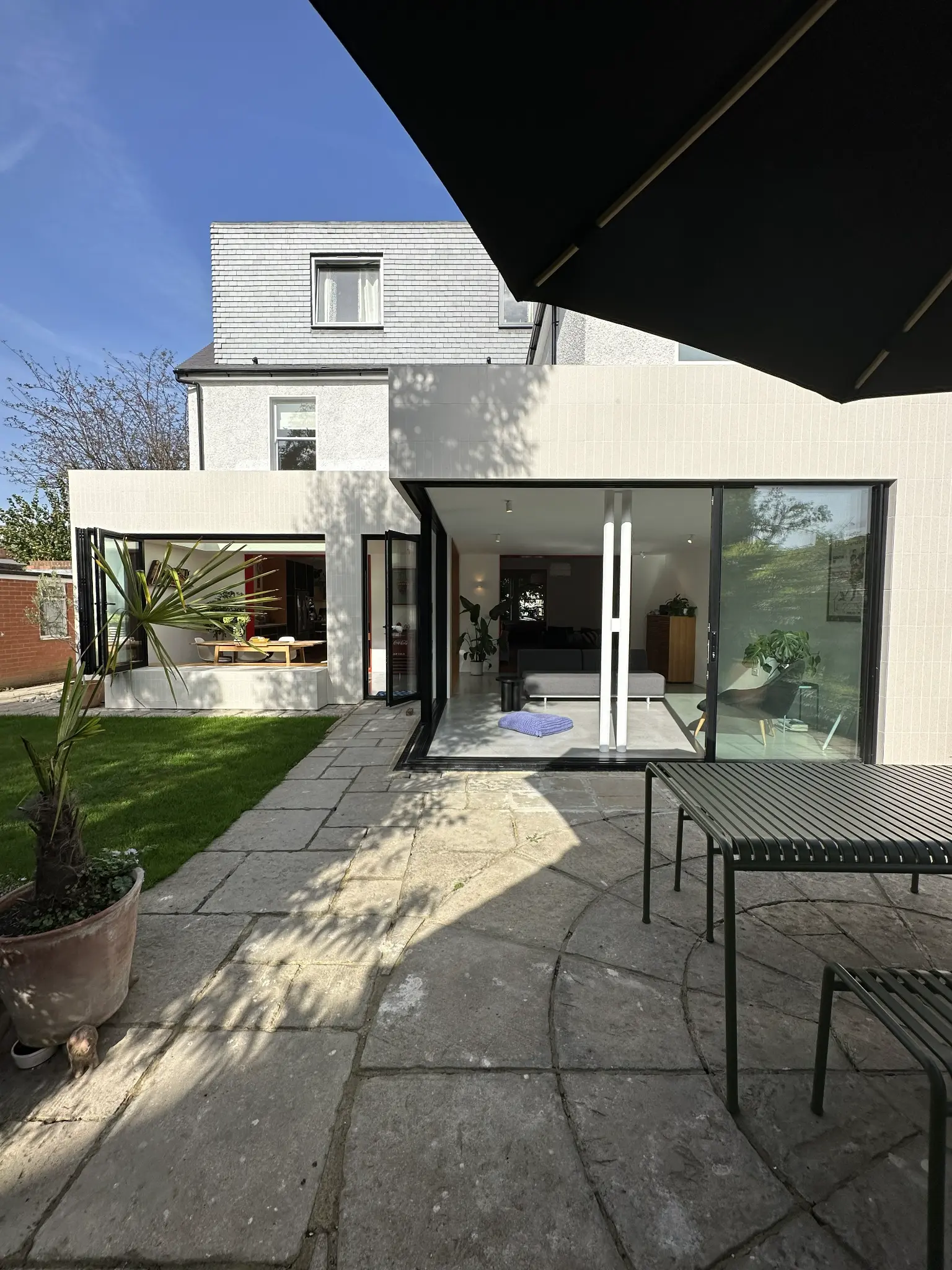
- Bi-Fold Doors: Multiple panels fold back concertina-style, creating a near-full opening to seamlessly connect the garden room with the outdoors. A very popular choice for garden rooms.
- Single Doors: Standard hinged doors, useful for smaller garden rooms or as a secondary entrance.
Glazing Comparison Table
Here's a quick overview to help compare common glazing options:
| Feature | Double Glazing (Standard) | Double Glazing (High Performance) | Triple Glazing |
|---|---|---|---|
| Glass Panes | 2 | 2 | 3 |
| Gas Fill | Air or Argon | Argon/Krypton | Argon/Krypton |
| Low-E Coating | Optional/Basic | Standard (1 or 2 coatings) | Standard (2 or 3 coatings) |
| Typical U-Value (Glass) | 1.4 - 1.6 W/m²K | 1.0 - 1.2 W/m²K | 0.6 - 0.8 W/m²K |
| Sound Insulation | Good | Very Good | Excellent |
| Cost | ££ | £££ | ££££ |
| Weight | Standard | Standard | Heavier |
Benefits of High-Performance Glazing for Garden Rooms
Investing in quality glazing for your garden room offers numerous advantages beyond simply meeting Building Regulations.
Enhanced Thermal Comfort
High-performance glazing minimises heat loss in winter and reduces solar heat gain in summer, maintaining a stable and comfortable internal temperature year-round without excessive heating or cooling costs.
Lower Energy Bills
By preventing heat escape and moderating solar gain, your garden room will require less energy to heat or cool, leading to significant savings on your utility bills over its lifetime.
Improved Sound Insulation
Thicker glass, multiple panes, and gas-filled cavities significantly reduce external noise, creating a quieter and more peaceful environment for work, relaxation, or hobbies.
Increased Security
Toughened or laminated glass, combined with robust frames and multi-point locking systems, provides a strong deterrent against intruders, protecting your valuable belongings and ensuring peace of mind.
Planning and Installation Considerations
- Orientation: Consider the garden room's orientation. South-facing rooms may benefit from solar control glass to prevent overheating, while north-facing rooms will need maximum insulation.
- Ventilation: Ensure adequate ventilation through opening windows, trickle vents, or mechanical ventilation systems to prevent condensation and maintain air quality.
- Security: Always specify multi-point locking systems for all windows and doors, and consider laminated or toughened glass for enhanced security. Look for products certified to PAS 24 (Publicly Available Specification) for enhanced security.
- Accreditation: Choose installers and products from reputable sources. Look for certifications like FENSA or CERTASS for window and door installations, which ensure compliance with Building Regulations.
- Maintenance: Factor in the maintenance requirements of your chosen frame material. uPVC and aluminium are generally low maintenance, while timber requires periodic treatment.
Choosing the right glazing for your garden room is a significant decision that impacts its comfort, efficiency, and aesthetics. By understanding the options available, considering UK Building Regulations, and working with experienced professionals, you can create a garden room that perfectly meets your needs and enhances your home for years to come.
At Shard AG, we specialise in high-performance architectural glazing solutions for garden rooms and extensions across the UK. Our expert team can guide you through the selection process, ensuring your project meets all regulatory requirements and achieves your desired aesthetic and performance goals. Contact us today to discuss your garden room glazing needs.
Explore Our Products
Discover how Shard Architectural Glazing can transform your home with our premium glazing solutions:
Ready to Transform Your Home?
Get in touch with our expert team for a free consultation and personalised quote. We'll help you choose the perfect glazing solution for your property.