
Glass Balustrades: Your Comprehensive UK Homeowner's Guide
Explore the world of glass balustrades for UK homes. This guide covers types, regulations, safety, installation, and maintenance for stunning, safe designs.

Shard Architectural Glazing
11 May 2026
Explore the world of glass balustrades for UK homes. This guide covers types, regulations, safety, installation, and maintenance for stunning, safe designs.
📋In This Article
Glass balustrades have become a hallmark of modern British architecture and interior design, offering a sleek, contemporary aesthetic that maximises light and space. Far from being a mere safety barrier, they are a sophisticated design element that can transform both internal and external areas of your home. This comprehensive guide will delve into everything UK homeowners need to know about glass balustrades, from their various types and safety considerations to Building Regulations compliance and maintenance.
What Are Glass Balustrades?
A glass balustrade is a safety barrier system primarily composed of glass panels, designed to prevent falls from elevated areas such as staircases, balconies, landings, and terraces. Unlike traditional balustrades made from wood or metal, glass offers unobstructed views and allows natural light to flow freely, creating a more open and spacious feel. They are increasingly popular in both residential and commercial properties across the UK due to their aesthetic appeal and functional benefits.
Enhanced Aesthetics
Glass balustrades provide a contemporary, minimalist look that complements various architectural styles, from modern to traditional.
Unobstructed Views
Their transparent nature ensures clear sightlines, perfect for enjoying garden views or maintaining an open-plan feel indoors.
Maximised Light
By allowing light to pass through, they brighten spaces, reducing the need for artificial lighting and creating a more airy atmosphere.
Durability & Low Maintenance
When installed correctly with appropriate glass, they are highly durable, weather-resistant, and relatively easy to clean.
Types of Glass Balustrade Systems
Understanding the different types of systems available is crucial for choosing the right balustrade for your specific application and aesthetic preference.
1. Frameless Glass Balustrades
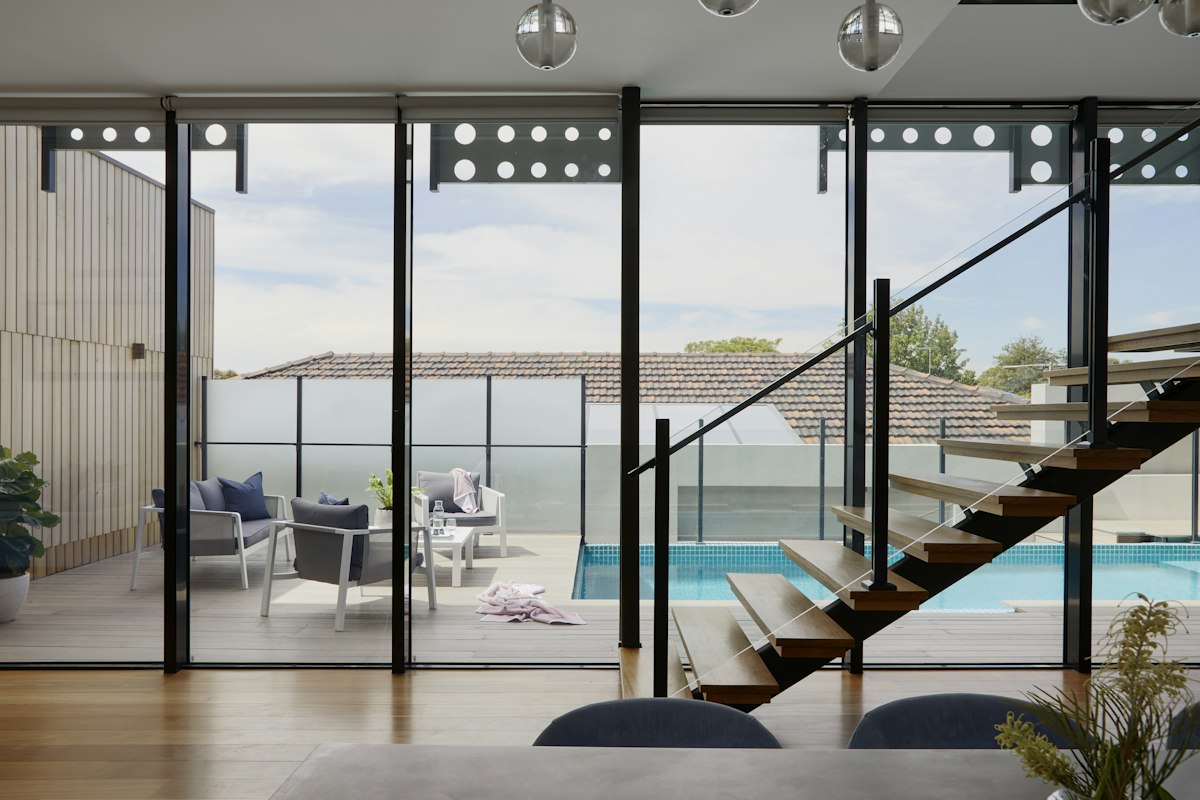
Frameless balustrades offer the ultimate minimalist look, with glass panels appearing to float unsupported. The glass is typically secured at the base using a continuous channel system (often recessed into the floor or deck) or with individual stainless steel spigots or clamps. A handrail may or may not be present, depending on the glass thickness and Building Regulations requirements. This system provides maximum transparency and an uninterrupted view.
- Advantages: Superior aesthetics, maximum light transmission, seamless appearance.
- Considerations: Generally higher cost, requires thicker, stronger glass (e.g., 15mm or 17.5mm toughened laminated glass), precise installation.
2. Semi-Frameless Glass Balustrades
These systems incorporate minimal framing, usually in the form of slim posts (often stainless steel) between glass panels. The glass panels themselves are typically held in place by clamps attached to these posts. A handrail is usually a standard feature, fixed either to the posts or directly to the glass.
- Advantages: Good balance of aesthetics and structural integrity, often more cost-effective than fully frameless, easier installation.
- Considerations: Posts slightly interrupt the view compared to frameless systems.
3. Framed Glass Balustrades
Framed balustrades feature more substantial posts and rails, often made from stainless steel, aluminium, or even timber, with glass panels fitted within this framework. The glass acts as an infill rather than the primary structural element.
- Advantages: Highly robust, can be more economical, offers a wider range of design options for the frame materials.
- Considerations: The frame can obstruct views more than other types, less 'open' feel.
Pro Tip
When selecting a system, consider the overall architectural style of your home. Frameless systems suit contemporary designs, while semi-frameless or framed options can blend well with a broader range of aesthetics, including more traditional settings where a subtle modern touch is desired.
Glass Types and Safety Considerations
Safety is paramount when it comes to balustrades. The type and thickness of glass used are critical to ensure durability and compliance with safety standards.
1. Toughened Glass (Tempered Glass)
This is standard for most balustrade applications. It is manufactured by heating annealed glass to over 600°C and then rapidly cooling it, which creates compressive stresses on the surface. This process makes it approximately four to five times stronger than ordinary annealed glass of the same thickness. When toughened glass breaks, it shatters into small, relatively harmless granular pieces, reducing the risk of serious injury.
2. Laminated Glass
Laminated glass consists of two or more panes of glass bonded together with an interlayer, typically a polyvinyl butyral (PVB) film. If the glass breaks, the fragments remain adhered to the interlayer, preventing them from falling out and creating a large opening. This 'fail-safe' characteristic makes laminated glass, especially toughened laminated glass (where both panes are toughened), the preferred choice for applications where there is a risk of falling from a height, or where the balustrade forms the primary barrier without a handrail.
Typical Glass Thicknesses for Balustrades (UK)
- 10mm Toughened Glass: Often suitable for internal balustrades with a continuous handrail, where impact loads are lower.
- 12mm Toughened Glass: Common for internal and external balustrades with a handrail, offering good strength.
- 15mm Toughened Glass: Frequently used for frameless systems, especially where a handrail is not present or not continuous, providing enhanced rigidity.
- 17.5mm Toughened Laminated Glass (e.g., 8.8.2mm): Highly recommended for frameless systems, particularly external applications or those without a handrail, due to its superior safety properties (if one pane breaks, the other remains intact).
- 21.5mm Toughened Laminated Glass (e.g., 10.10.2mm): For very high-load applications, or where maximum rigidity and safety are required without a handrail.
The specific thickness and type of glass will be determined by the system design, loading requirements, and compliance with Building Regulations.
UK Building Regulations and Standards
Compliance with UK Building Regulations is non-negotiable for any balustrade installation. The primary document governing balustrades is Approved Document K: Protection from falling, collision and impact.
Key Requirements from Approved Document K:
- Minimum Height:
- Internal Stairs & Landings: Minimum 900mm from the pitch line or floor level.
- External Balconies, Roof Terraces & Juliet Balconies: Minimum 1100mm from the finished floor level.
- Loading Requirements: Balustrades must be designed to withstand specific horizontal uniformly distributed line loads and point loads. For domestic dwellings, this is typically 0.74 kN/m for the line load at handrail height. The glass and fixing system must be able to safely resist these forces.
- Infill Gaps: Gaps in the balustrade (e.g., between glass panels or between the glass and floor) must be small enough to prevent a 100mm sphere from passing through, to protect small children.
- Glass Type: As discussed, safety glass (toughened or toughened laminated) is mandatory. The specific type and thickness will depend on the application and whether a handrail is present. For frameless systems where the glass itself forms the barrier, toughened laminated glass is often required for safety in case of breakage.
- Handrails: A handrail is generally required on at least one side of a flight of stairs. For balustrades protecting a drop, a handrail may be required depending on the glass type and system design, especially if the glass is not toughened laminated.
Pro Tip
Always consult with your local Building Control Body or a qualified structural engineer/balustrade specialist before finalising your design. They can confirm the specific requirements for your project, ensuring full compliance and safety. Incorrect installation or material choice could lead to safety hazards and issues with future property sales.
Installation and Maintenance
Proper installation is as crucial as the quality of the materials. Maintenance, while minimal for glass balustrades, is still important.
Installation Considerations:
- Professional Installation: Due to the weight of glass, precision required, and safety implications, professional installation is highly recommended. A specialist will ensure the balustrade is structurally sound, level, and compliant with all regulations.
- Fixing Methods:
- Base Channel: For frameless systems, a continuous aluminium or steel channel is fixed to the floor structure, into which the glass panels are secured.
- Spigots/Clamps: Stainless steel spigots or clamps are bolted to the floor or side-mounted to the structure, holding the glass panels in place.
- Standoff Fittings: Individual circular or square fittings that bolt through holes drilled in the glass panels, securing them to a wall or fascia.
- Substrate Strength: The structure to which the balustrade is attached (e.g., concrete slab, timber joists, steel beam) must be strong enough to support the weight of the glass and withstand the required loading forces. This often requires structural assessment.
- Drainage (External): For external balustrades, ensure that the fixing system allows for proper drainage to prevent water pooling and potential damage or staining.
Maintenance Tips:
- Regular Cleaning: Clean glass panels with a soft cloth and a non-abrasive glass cleaner or warm soapy water. Avoid harsh chemicals or abrasive pads that can scratch the glass. For external balustrades, rainwater can leave mineral deposits; regular cleaning helps prevent build-up.
- Check Fixings: Periodically inspect all fixings (clamps, bolts, channels) to ensure they are tight and free from corrosion or damage. Loose fixings can compromise safety.
- Handrail (if applicable): If you have a stainless steel handrail, clean it with a mild detergent and water, then dry thoroughly. For timber handrails, follow specific timber care instructions.
- Gaskets and Seals: Check rubber gaskets and seals within the fixing system for signs of wear or degradation and replace if necessary to maintain structural integrity and prevent water ingress.
Cost Factors for Glass Balustrades
The cost of a glass balustrade can vary significantly based on several factors. It's important to obtain detailed quotes from reputable suppliers.
| Factor | Impact on Cost |
|---|---|
| System Type | Frameless systems are generally the most expensive due to complex fixings and thicker glass. Semi-frameless and framed options tend to be more economical. |
| Glass Type & Thickness | Toughened laminated glass is more expensive than standard toughened glass. Thicker glass also increases cost. Specialist glass (e.g., low-iron for extra clarity, frosted, or tinted) will also add to the price. |
| Length & Height | Longer and taller balustrades require more materials and labour, increasing the overall cost. |
| Handrail Material | Stainless steel handrails are common; timber or other bespoke options may vary in price. Some systems may not require a handrail (e.g., 17.5mm+ toughened laminated frameless), which can save on material costs but may increase glass costs. |
| Fixing Method | Recessed base channels are often more labour-intensive to install than surface-mounted spigots, impacting installation costs. Standoff fittings require precise drilling of glass. |
| Installation Complexity | Difficult access, unusual angles, or the need for extensive structural preparation will increase labour costs. |
| Location (Internal/External) | External balustrades often require more robust, weather-resistant materials and fixings, potentially increasing cost. |
While the initial outlay for a glass balustrade might be higher than some traditional alternatives, their longevity, minimal maintenance, and significant aesthetic and property value enhancement often make them a worthwhile investment.
Choosing the Right Supplier and Installer
Selecting a reputable supplier and installer is crucial for the success and safety of your glass balustrade project.
- Experience and Expertise: Look for companies with a proven track record in designing, supplying, and installing glass balustrades in the UK. They should have a deep understanding of Building Regulations.
- Accreditations: Check for relevant industry accreditations or memberships, which indicate a commitment to quality and professional standards.
- Portfolio: Review their portfolio of past projects to assess the quality of their work and see if their style aligns with your vision.
- Detailed Quotations: Ensure quotes are comprehensive, breaking down costs for materials, installation, and any additional services. Be wary of unusually low prices, which might indicate compromises on quality or compliance.
- Warranties and Guarantees: A reputable company will offer warranties on both materials and workmanship.
- Customer Service: Good communication and responsive customer service throughout the process are vital.
Glass balustrades offer a sophisticated, durable, and highly functional solution for enhancing safety and aesthetics in your UK home. By understanding the different types, adhering to Building Regulations, and choosing experienced professionals, you can achieve a stunning and safe installation that will provide enjoyment for years to come.
At Shard Architectural Glazing, we specialise in designing, supplying, and installing bespoke glass balustrade systems for homeowners across the UK. Our expert team ensures every project meets the highest standards of safety, compliance, and aesthetic excellence, transforming your space with precision-engineered glass solutions. Contact us today to discuss your project and discover how we can bring your vision to life.
Explore Our Products
Discover how Shard Architectural Glazing can transform your home with our premium glazing solutions:
Ready to Transform Your Home?
Get in touch with our expert team for a free consultation and personalised quote. We'll help you choose the perfect glazing solution for your property.