

Glazing Period Properties: Balancing Heritage & Efficiency
Discover how to upgrade glazing in UK period homes. Learn about options from single to triple glazing, Building Regs, and preserving architectural integrity.

Shard Architectural Glazing
18 April 2026
Discover how to upgrade glazing in UK period homes. Learn about options from single to triple glazing, Building Regs, and preserving architectural integrity.
📋In This Article
Owning a period property in the UK is a unique privilege, offering a connection to history, distinctive architectural charm, and often, a prime location. However, these beautiful homes frequently come with a common challenge: outdated glazing. Original single-pane windows, while historically accurate, are notorious for their poor thermal performance, leading to draughts, high energy bills, and uncomfortable internal temperatures. Upgrading the glazing in a period property requires a delicate balance between enhancing energy efficiency, improving comfort, and preserving the building's historical character and aesthetic integrity.
This comprehensive guide will explore the various options available for glazing period properties, delve into the crucial aspects of UK Building Regulations, and provide practical advice to help you make informed decisions that respect your home's heritage while bringing it into the 21st century.
Understanding the Challenges of Period Property Glazing
Before diving into solutions, it's essential to recognise the unique hurdles presented by period property glazing. These often include:
- Conservation Area & Listed Building Status: Many period properties are located within Conservation Areas or are statutorily listed (Grade I, II*, or II). This imposes strict controls on alterations, particularly to external features like windows and doors. Planning permission and Listed Building Consent are frequently required.
- Original Window Design: Period windows, such as sash windows, casement windows, and leaded lights, often feature intricate detailing, slender frames, and specific opening mechanisms that modern replacements may struggle to replicate authentically.
- Structural Considerations: Older properties can have uneven openings, fragile surrounding brickwork or render, and timber frames that may require repair or reinforcement before new glazing can be installed.
- Thermal Performance Expectations: Homeowners rightly expect modern glazing to significantly improve insulation. Achieving this without compromising aesthetics can be complex.
- Moisture Management: Older buildings are designed to 'breathe'. Introducing highly sealed, modern glazing without proper ventilation considerations can sometimes lead to condensation issues if not managed correctly.
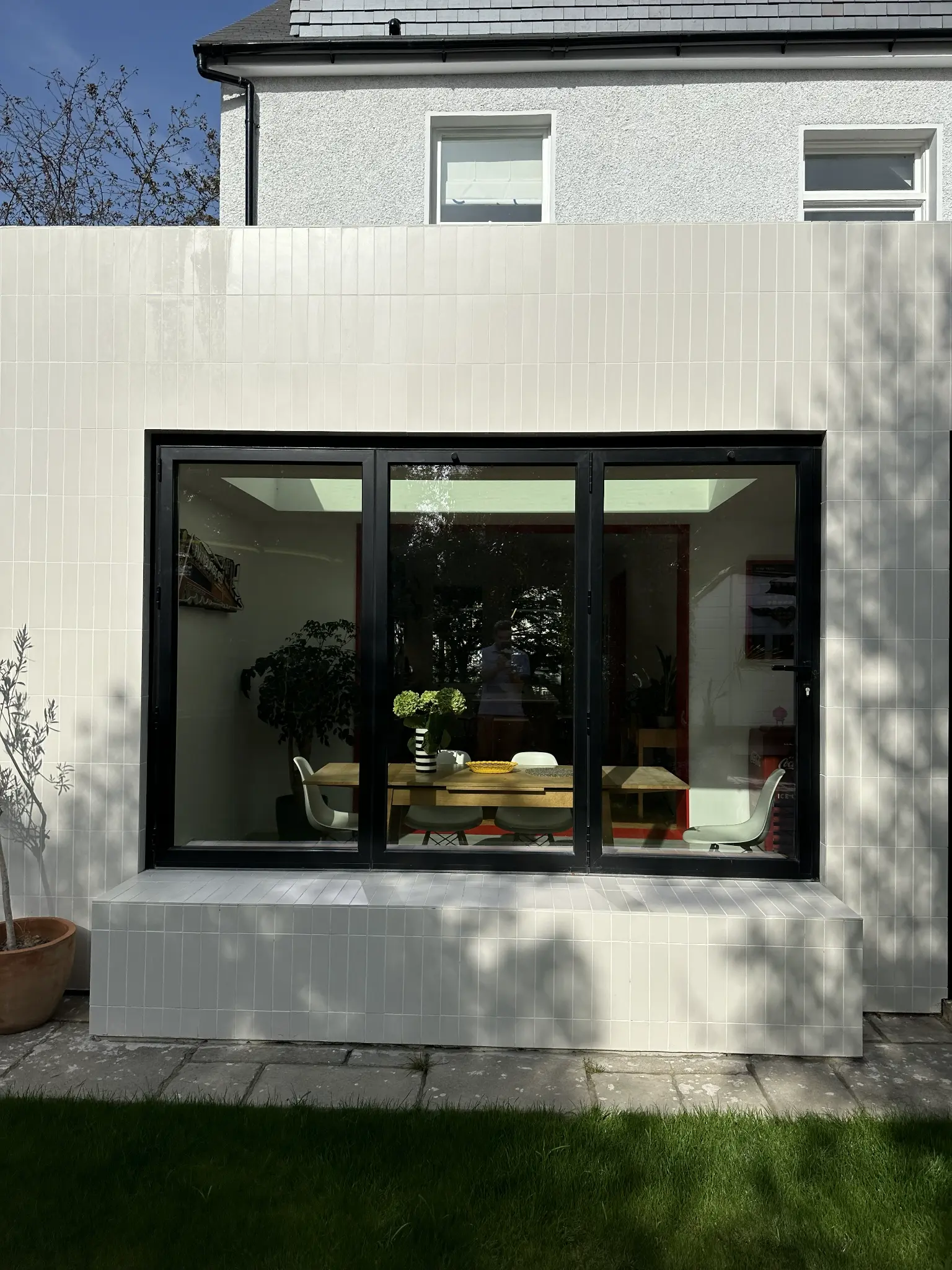
Glazing Options for Period Homes: A Detailed Look
The choice of glazing for your period property will depend heavily on its age, architectural style, your budget, and crucially, any planning or listed building restrictions. Here are the primary options:
1. Repair and Draught-Proofing Existing Single Glazing
For properties with significant historical value, or where budget is a primary concern, repairing and upgrading existing single-glazed windows can be a viable first step. This involves:
- Timber Repair: Addressing rot, loose joints, and damaged sills.
- Re-puttying & Re-glazing: Ensuring glass is securely fixed and sealed.
- Draught-Proofing: Installing discreet brush seals, compression seals, or weatherstripping to minimise air leakage around sashes and frames.
While this won't match the thermal performance of double glazing, it can significantly reduce draughts and heat loss, making rooms feel much warmer and more comfortable.
2. Secondary Glazing
Secondary glazing involves installing a discreet, independent window frame on the inside of your existing single-glazed windows. It's often the preferred solution for Listed Buildings or properties in Conservation Areas where external alterations are prohibited.
- Benefits: Excellent thermal insulation (creating an air gap), significant noise reduction, reversible (important for listed buildings), and often less expensive than full replacement.
- Considerations: Can be less aesthetically pleasing from the inside, may impact ease of cleaning, and requires careful measurement and installation to be effective.
3. Double Glazing
Double glazing consists of two panes of glass separated by a sealed gap, typically filled with an inert gas like argon. This air or gas gap acts as an insulating barrier.
- Slimline Double Glazing: A popular choice for period properties, this uses thinner glass panes and a narrower gap (e.g., 4mm glass / 4mm gap / 4mm glass) to create a unit that can often fit into existing or replica timber frames without appearing overly bulky. This is crucial for maintaining the slender sightlines characteristic of period windows.
- Standard Double Glazing: While offering superior thermal performance, standard units (e.g., 24mm or 28mm thick) are often too thick for original period frames and can look out of place if fitted into new, bulkier frames.
4. Triple Glazing
Triple glazing features three panes of glass with two sealed gaps, offering the highest level of thermal insulation and noise reduction.
- Benefits: Exceptional U-values, greatly reduced heat loss, and superior acoustic performance.
- Considerations: Significantly heavier and thicker than double glazing, making it challenging to integrate into period-appropriate frames. It's also more expensive and may not be necessary for all period properties, especially if slimline double glazing can meet performance requirements.
Improved Thermal Comfort
Reduce draughts and cold spots, making your home feel warmer in winter and cooler in summer.
Lower Energy Bills
Significantly cut down on heating costs by minimising heat loss through windows.
Enhanced Noise Reduction
Enjoy a quieter indoor environment, particularly beneficial for properties near busy roads or urban areas.
Increased Property Value
Modern, efficient glazing that respects the property's heritage can be a significant selling point.
UK Building Regulations and Planning Permission
Navigating the regulatory landscape is paramount when upgrading glazing in a period property. Ignoring these requirements can lead to enforcement action and costly remedial work.
Building Regulations Part L (Conservation of Fuel and Power)
All new and replacement windows and doors must comply with Part L of the Building Regulations (England, 2022 edition). This sets minimum performance standards for thermal efficiency, measured by a U-value (W/m²K).
- Replacement Windows/Doors: Typically required to achieve a U-value of 1.4 W/m²K or better.
- New Build / Extensions: Windows/Doors typically required to achieve a U-value of 1.2 W/m²K or better.
These values are critical. Single glazing will never meet these standards, and even some older double glazing may not. Always ensure your chosen product meets or exceeds these current requirements.
Pro Tip
When replacing windows, ensure your installer is FENSA or CERTASS registered. They can self-certify compliance with Building Regulations, saving you the need to apply to your local authority for approval. If they are not, you will need to apply to Building Control yourself.
Conservation Areas & Listed Buildings
This is where things become more complex:
- Conservation Areas: Even if your property isn't listed, if it's within a Conservation Area, you will likely need planning permission for external alterations, including replacing windows. The local planning authority will scrutinise proposals to ensure they preserve or enhance the area's character.
- Listed Buildings: For Listed Buildings, you will almost certainly need Listed Building Consent for any alterations, internal or external, that affect the building's special architectural or historic interest. This often means that like-for-like repair, secondary glazing, or very slimline double glazing (if proven to be the only viable option and not detrimental to character) are the only acceptable solutions.
Always consult your local planning authority and Building Control department before commencing any work. They can provide specific guidance tailored to your property's status and location.
.jpg)
Material Choices and Aesthetics
The frame material plays a significant role in both the aesthetic and performance of your new glazing.
- Timber: Often the preferred choice for period properties due to its authentic appearance, natural insulation properties, and ability to be repaired and repainted. Hardwood (e.g., oak, meranti) offers excellent durability.
- Aluminium: Known for its strength, slim sightlines, and modern aesthetic. While suitable for some contemporary extensions to period homes, it may not be appropriate for direct replacement of traditional windows due to its different visual characteristics.
- uPVC: While cost-effective and low-maintenance, uPVC can struggle to replicate the slender profiles and intricate mouldings of traditional timber windows. Its use in Conservation Areas or Listed Buildings is often restricted or prohibited. High-quality uPVC systems are available that mimic timber, but careful consideration of their suitability is essential.
- Composite: These frames combine materials, often timber internally for a traditional look and aluminium externally for weather resistance and low maintenance. They offer a good balance but can be more expensive.
Table: Glazing Options Comparison for Period Properties
| Feature | Single Glazing (Repaired/Draught-proofed) | Secondary Glazing | Slimline Double Glazing | Triple Glazing |
|---|---|---|---|---|
| Thermal Performance (U-value) | Poor (approx. 5.0 W/m²K) | Good (approx. 1.8-2.5 W/m²K) | Very Good (approx. 1.2-1.6 W/m²K) | Excellent (approx. 0.8-1.0 W/m²K) |
| Noise Reduction | Limited | Excellent | Good | Very Good |
| Aesthetic Impact (External) | Preserves original | Preserves original | Minimal (if well-designed) | Potentially significant (bulkier) |
| Aesthetic Impact (Internal) | Preserves original | Visible secondary frame | Modernised appearance | Modernised appearance |
| Suitability for Listed Buildings | Often required | Often acceptable | Rarely (only with specific consent) | Highly unlikely |
| Compliance with Part L (2022) | No | Indirectly (improves overall U-value) | Yes | Yes |
| Cost (Relative) | Low | Medium | High | Very High |
Key Considerations for Success
To ensure your glazing project is a success, keep the following in mind:
- Seek Expert Advice: Engage with architects, conservation officers, and specialist glazing companies experienced in period properties. Their expertise is invaluable.
- Research Thoroughly: Look at examples of similar properties in your area and understand what has been approved.
- Balance Performance with Preservation: Don't sacrifice the character of your home for marginal gains in U-value. Sometimes, a slightly less efficient but historically appropriate solution is the better long-term choice.
- Ventilation: Modern, highly sealed windows can reduce natural airflow. Ensure adequate background ventilation (e.g., trickle vents, regular airing) to prevent condensation and maintain good indoor air quality.
- Security: Ensure any new or upgraded glazing incorporates modern security features appropriate for your property, such as multi-point locking systems and laminated glass.
- Maintenance: Consider the long-term maintenance requirements of your chosen materials and systems.
The Shard AG Difference
At Shard AG, we understand the unique challenges and aesthetic demands of glazing period properties across the UK. Our expertise lies in providing high-performance glazing solutions that respect and enhance the architectural integrity of your home. We offer a range of bespoke options, from sympathetic secondary glazing systems to slimline double-glazed units designed to integrate seamlessly into traditional timber frames. Our team works closely with homeowners, architects, and conservation officers to navigate planning requirements, ensuring compliance with UK Building Regulations while delivering exceptional thermal efficiency, noise reduction, and timeless elegance. Contact us to discuss how we can help you preserve your home's heritage without compromising on modern comfort and performance.
Explore Our Products
Discover how Shard Architectural Glazing can transform your home with our premium glazing solutions:
Ready to Transform Your Home?
Get in touch with our expert team for a free consultation and personalised quote. We'll help you choose the perfect glazing solution for your property.