

Glazing Projects & Planning Permission in the UK: A Guide
Understanding planning permission for glazing in the UK is crucial. This guide covers permitted development, Building Regulations, and key considerations for homeowners.

Shard Architectural Glazing
14 May 2026
Understanding planning permission for glazing in the UK is crucial. This guide covers permitted development, Building Regulations, and key considerations for homeowners.
📋In This Article
Undertaking a home improvement project involving new or replacement glazing can significantly enhance your property's aesthetics, energy efficiency, and overall value. However, navigating the complexities of UK planning permission and Building Regulations is a crucial first step for any homeowner. This comprehensive guide will demystify the requirements for glazing projects, helping you understand when permission is needed, what rules apply, and how to ensure your project complies with all relevant standards.
Permitted Development Rights for Glazing
For many common glazing projects, you might not need to apply for full planning permission. This is thanks to Permitted Development Rights (PDRs), which allow certain types of alterations and extensions to be carried out without a formal planning application, provided they meet specific criteria. The government's General Permitted Development Order (GPDO) outlines these rights.
Generally, replacing existing windows and doors with new ones of a similar appearance falls under PDRs and does not require planning permission. This also typically applies to adding new windows or doors in existing walls, provided they don't significantly alter the character of the building or the area.
When Permitted Development Might Not Apply:
- Conservation Areas or Listed Buildings: If your property is in a Conservation Area, Area of Outstanding Natural Beauty (AONB), National Park, or is a Listed Building, PDRs are often restricted or do not apply at all. In these cases, even minor changes to windows or doors, especially their design, materials, or opening mechanisms, will likely require planning permission or Listed Building Consent.
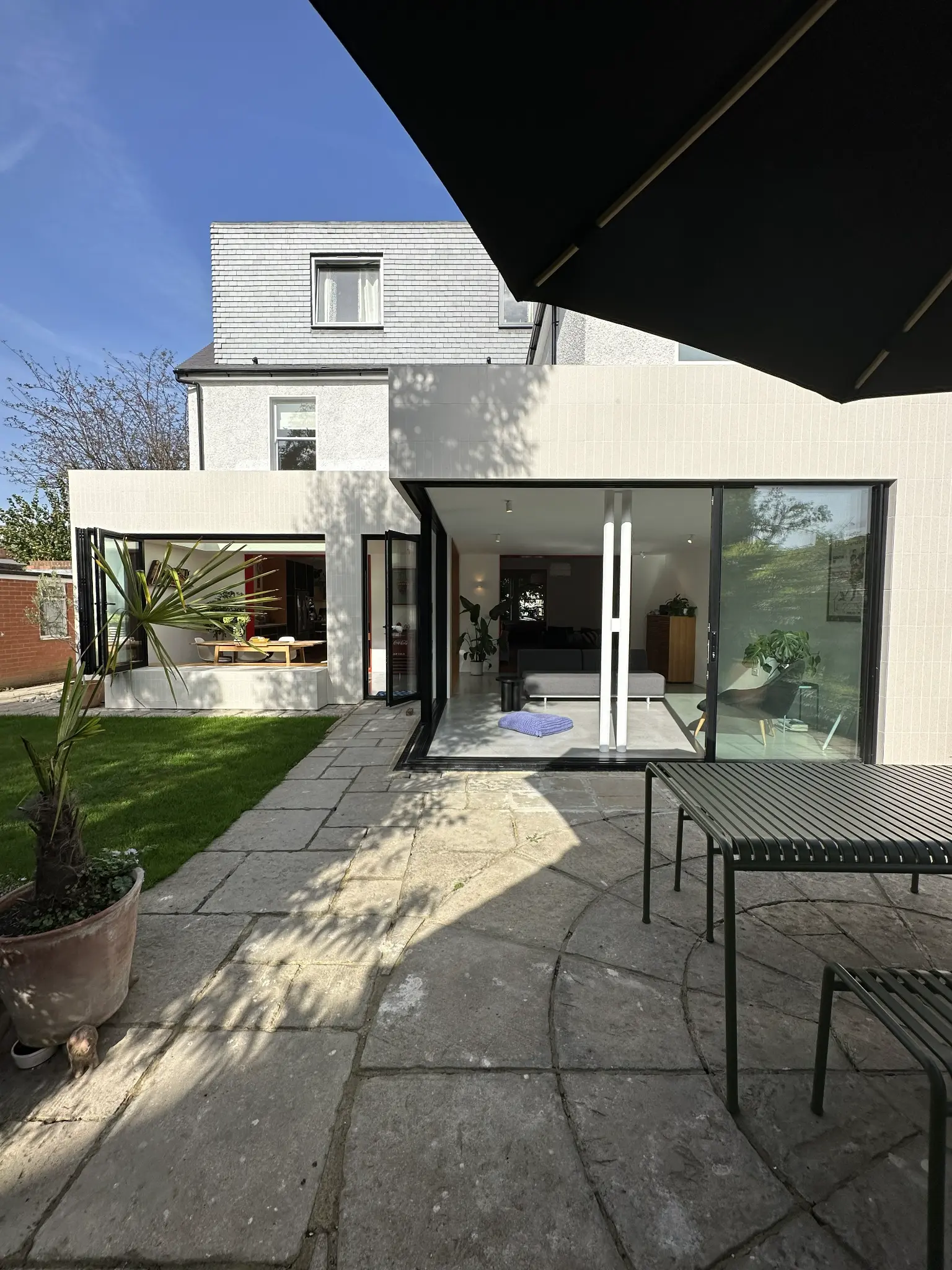
- Significant Alterations: Creating new openings, especially large ones like those for bi-fold doors or large sliding doors, or significantly changing the size or proportion of existing openings, might exceed PDRs.
- Material Changes: While replacing timber with uPVC might be permitted in some areas, in others, particularly conservation areas, there may be restrictions on materials to maintain the aesthetic character.
- Flats and Maisonettes: PDRs for external alterations generally do not apply to flats or maisonettes; planning permission is almost always required.
It is always advisable to check with your local planning authority before commencing any work, especially if you are unsure if your project falls within PDRs. A Lawful Development Certificate can be applied for to confirm that your proposed works are permitted development.
Pro Tip
Even if your glazing project falls under Permitted Development, it will almost certainly still need to comply with Building Regulations. Do not confuse the two; they are separate legal requirements.
Building Regulations for Glazing Projects
Regardless of whether planning permission is required, nearly all glazing installations or replacements must comply with Building Regulations. These regulations set standards for the design and construction of buildings to ensure the health and safety of people in and around them, as well as to promote energy efficiency and accessibility.
Key aspects of Building Regulations relevant to glazing include:
- Part L (Conservation of Fuel and Power): This is perhaps the most critical part for glazing. It dictates the thermal performance of windows and doors, measured by their U-value. Lower U-values indicate better insulation.
- Part F (Ventilation): Requires adequate ventilation, often achieved through trickle vents in windows, especially in new builds or extensions.
- Part K (Protection from Falling, Collision and Impact): Specifies safety glazing requirements, particularly for low-level glazing or glazing adjacent to doors, to prevent injury from breakage.
- Part B (Fire Safety): Relevant for escape windows, especially in bedrooms, and for fire-rated glazing in certain situations.
- Part M (Access to and Use of Buildings): Ensures that doors and access points are wide enough for accessibility, particularly for new builds or extensions.
Specific U-Value Requirements (UK Building Regulations Part L 2022 - England):
The U-value measures how effective a material is as an insulator. The lower the U-value, the better the thermal performance. Here are the current (2022) requirements for England:
| Element | U-Value Requirement (W/m²K) | Notes |
|---|---|---|
| New Build & Extension Walls | 0.18 | |
| Floors | 0.18 | |
| Roofs | 0.15 | |
| New Build Windows/Doors | 1.2 | |
| Replacement Windows/Doors | 1.4 | |
| Party Walls | 0.0 |
It's crucial that any new or replacement glazing meets or exceeds these U-value targets. Failure to comply can lead to issues when selling your property, as Building Control sign-off is often required.
How to Ensure Building Regulations Compliance:
There are two main routes to demonstrate compliance:
- FENSA/CERTASS Certification: For replacement windows and doors, using an installer registered with a competent person scheme like FENSA or CERTASS is the most common and straightforward method. These installers are audited to ensure their work meets Building Regulations, and they will issue a certificate upon completion, which is your proof of compliance.
- Building Control Application: If your installer is not FENSA/CERTASS registered, or if your project involves new openings or an extension, you will need to apply to your local authority's Building Control department. They will inspect the work at various stages and issue a completion certificate once satisfied.
Conservation Areas and Listed Buildings
Properties within Conservation Areas or those designated as Listed Buildings come with additional layers of protection and regulation. The aim is to preserve the special architectural or historic interest of the area or building.
- Conservation Areas: Even minor external changes, including window and door replacements, often require planning permission to ensure they are in keeping with the character of the area. There may be specific guidelines on materials (e.g., timber frames only), styles, and opening mechanisms.
- Listed Buildings: Any alteration to a Listed Building, inside or out, that affects its character or special interest requires Listed Building Consent. This includes replacing windows, even if they are rotten beyond repair. Often, like-for-like replacement using traditional materials and methods is the only acceptable solution. Double glazing might be permitted in some cases, but often only if it is discreet and does not alter the external appearance. Secondary glazing is a common solution to improve thermal performance without altering the original fabric.
Always consult your local planning authority's conservation officer at the earliest stage if your property falls into either of these categories. Early engagement can save significant time and potential issues later on.
Practical Considerations and Expert Advice
Beyond the legal requirements, several practical aspects should be considered for any glazing project.
- Material Choice: Timber, uPVC, aluminium, and composite frames all offer different aesthetics, thermal performance, maintenance requirements, and price points. Consider the architectural style of your home and your budget.
- Glazing Type: Double glazing is standard, but triple glazing offers superior thermal and acoustic performance. Low-emissivity (Low-E) coatings, argon gas fills, and warm edge spacers further enhance efficiency.
- Security: Ensure new windows and doors meet modern security standards, such as PAS 24, to protect your home.
- Acoustics: If you live near a busy road or airport, consider specialist acoustic glazing to reduce noise pollution.
- Professional Installation: Always use reputable, experienced installers. Their expertise can be invaluable in navigating regulations and ensuring a high-quality, compliant installation.
Enhanced Energy Efficiency
Modern glazing significantly reduces heat loss, lowering energy bills and carbon footprint.
Improved Home Comfort
Better insulation means fewer draughts, reduced cold spots, and a more consistent indoor temperature.
Increased Property Value
High-quality, compliant glazing is a desirable feature that can boost your home's market appeal.
Reduced Noise Pollution
Advanced glazing options can effectively block out external noise, creating a quieter living environment.
The Importance of Documentation
For any glazing project, maintaining thorough documentation is vital. This includes:
- Planning Permission Documents: If required, keep copies of your application, approval letters, and any conditions.
- Building Control Certificates: FENSA/CERTASS certificates or local authority Building Control completion certificates are essential. These are often requested by solicitors during property conveyancing.
- Manufacturer Warranties: Keep records of warranties for the glazing units and frames.
- Installation Guarantees: Documentation from your installer regarding their workmanship.
These documents provide proof of compliance and can be crucial when you come to sell your property. Lack of proper certification can cause delays or even affect the sale.
Conclusion and Next Steps
Understanding the requirements for planning permission and Building Regulations for glazing projects is fundamental to a successful and compliant home improvement. While many replacement projects fall under Permitted Development, Building Regulations compliance is almost always a necessity.
Always remember to:
- Check with your Local Planning Authority: Especially if your property is in a Conservation Area, is Listed, or if you are making significant structural changes.
- Engage a Competent Installer: Opt for FENSA or CERTASS registered companies for replacement windows and doors, or ensure your builder will handle Building Control applications for new openings/extensions.
- Prioritise Compliance: Meeting Building Regulations is not just a legal obligation; it ensures your home is safe, energy-efficient, and comfortable.
For expert advice and high-quality glazing solutions that meet all UK planning and Building Regulation standards, consider consulting with specialists in architectural glazing. They can guide you through the process, from initial design to final installation, ensuring your project is compliant and delivers the desired aesthetic and performance benefits.
Explore Our Products
Discover how Shard Architectural Glazing can transform your home with our premium glazing solutions:
Ready to Transform Your Home?
Get in touch with our expert team for a free consultation and personalised quote. We'll help you choose the perfect glazing solution for your property.