

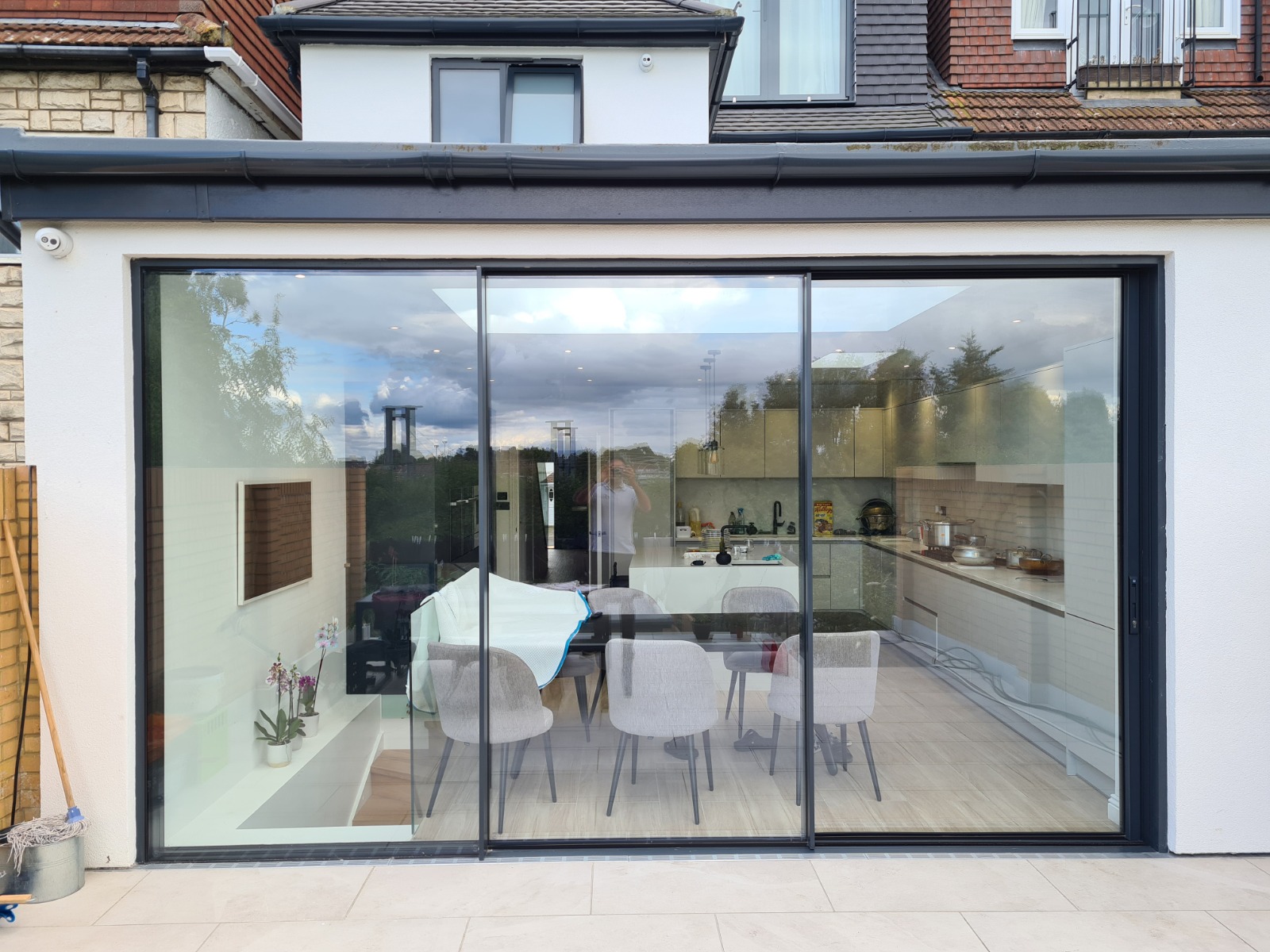
Slim Profile Door Frames: Maximising Light & Views in UK Homes
Explore the benefits, technical aspects, and considerations of slim profile door frames for UK homeowners. Enhance natural light and modern aesthetics.

Shard Architectural Glazing
14 May 2026
Explore the benefits, technical aspects, and considerations of slim profile door frames for UK homeowners. Enhance natural light and modern aesthetics.
📋In This Article
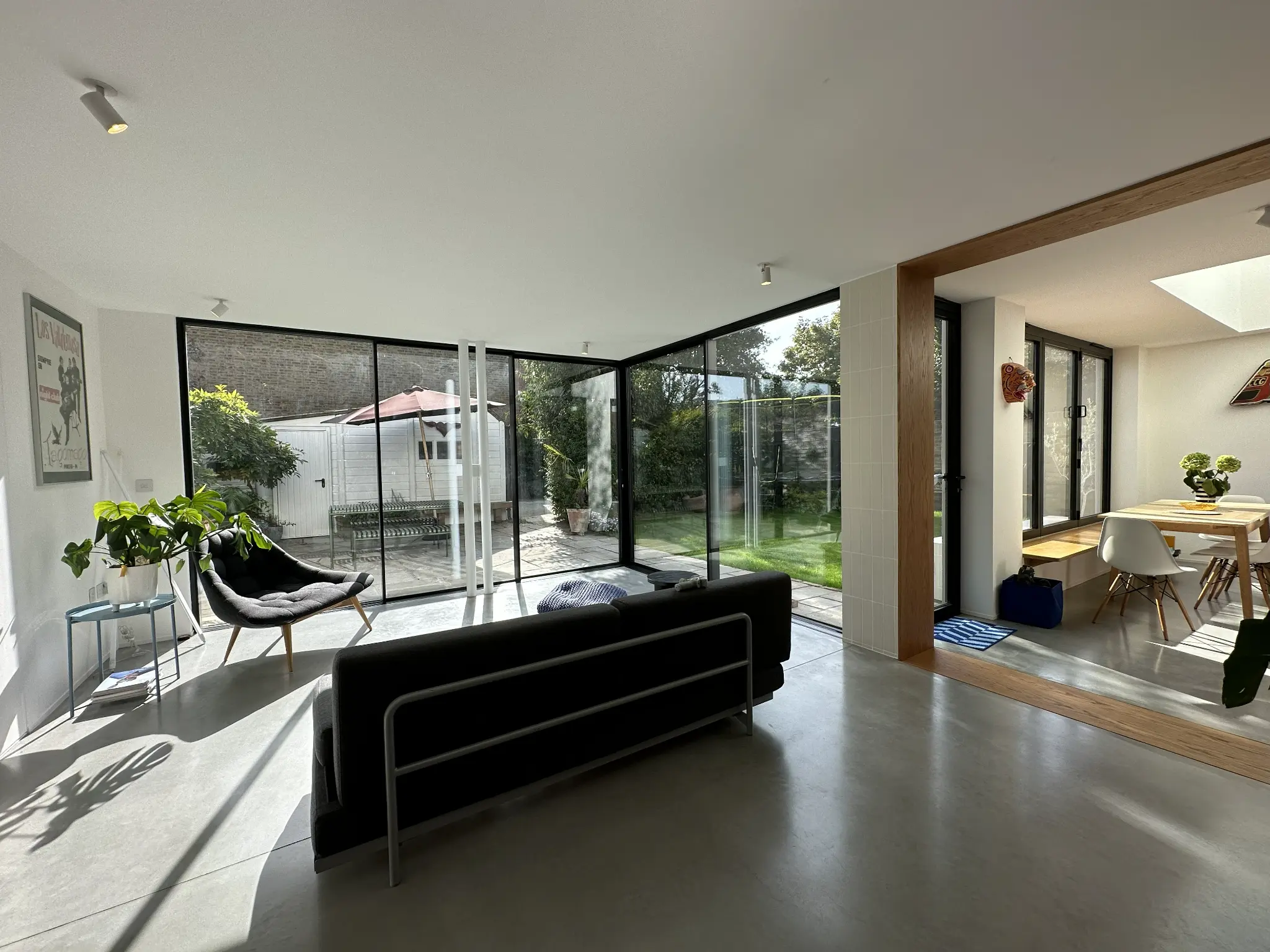
In contemporary architectural design, the desire for abundant natural light and expansive views has led to a significant shift in how we approach glazing. One of the most impactful innovations in this area is the advent of slim profile door frames. Moving away from bulky, traditional frames, these minimalist designs offer a sleek aesthetic that can dramatically transform the feel and functionality of a home. For UK homeowners looking to modernise their properties, enhance natural light, and create a seamless connection with the outdoors, understanding slim profile door frames is crucial.
What Are Slim Profile Door Frames?
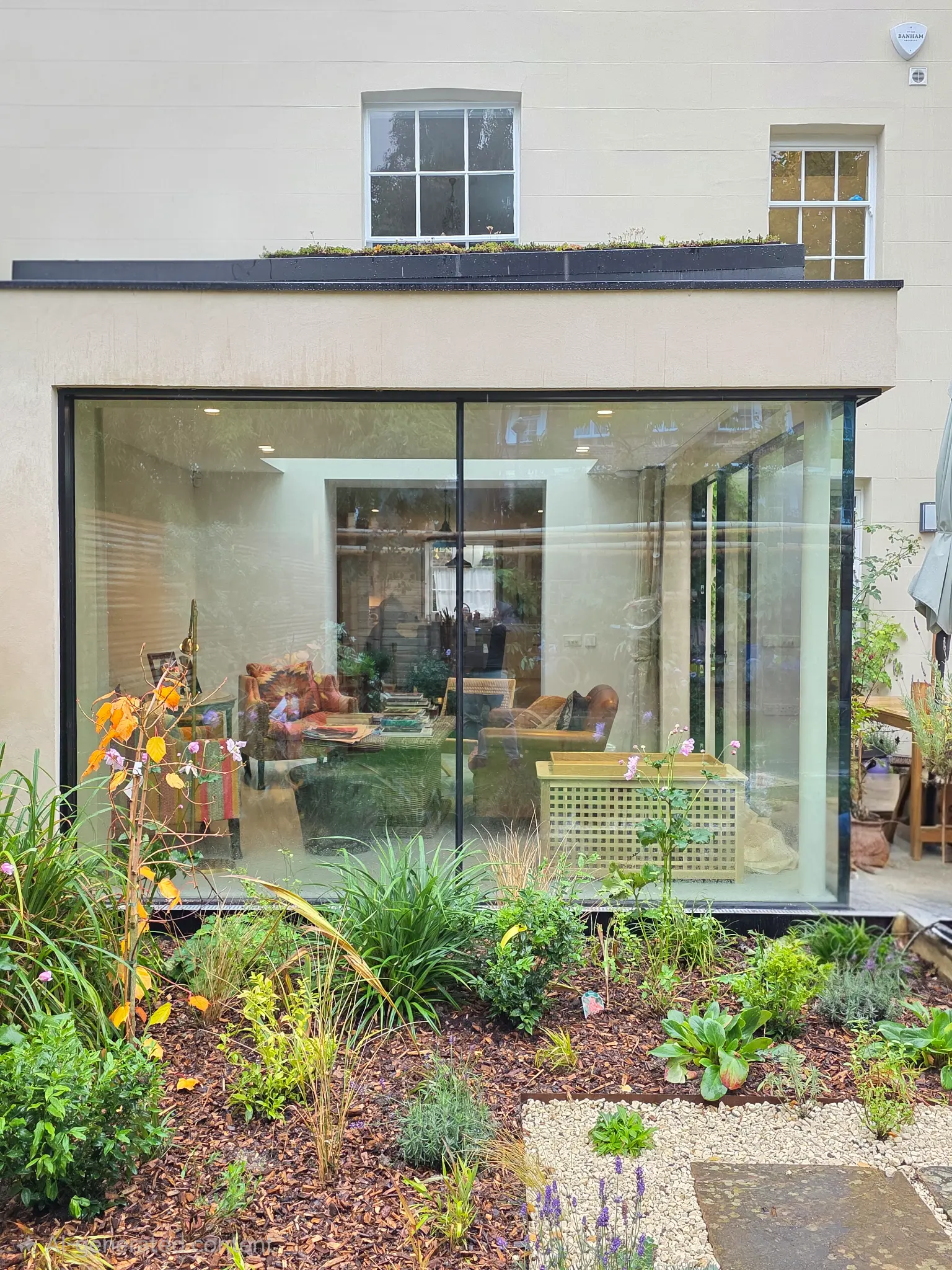
Slim profile door frames, often referred to as 'minimalist', 'ultra-slim', or 'architectural' frames, are characterised by their significantly reduced sightlines. This means the visible portion of the frame surrounding the glass panel is much narrower than that of standard door frames. The primary goal of this design is to maximise the glass area, thereby increasing natural light penetration and offering unobstructed views.
These systems are typically engineered using advanced materials such as aluminium, steel, or a combination of materials, allowing for exceptional strength despite their slender appearance. The strength of these materials is vital, as they must support large, often heavy, glazed units while maintaining structural integrity and weather performance.
Common Types of Slim Profile Doors
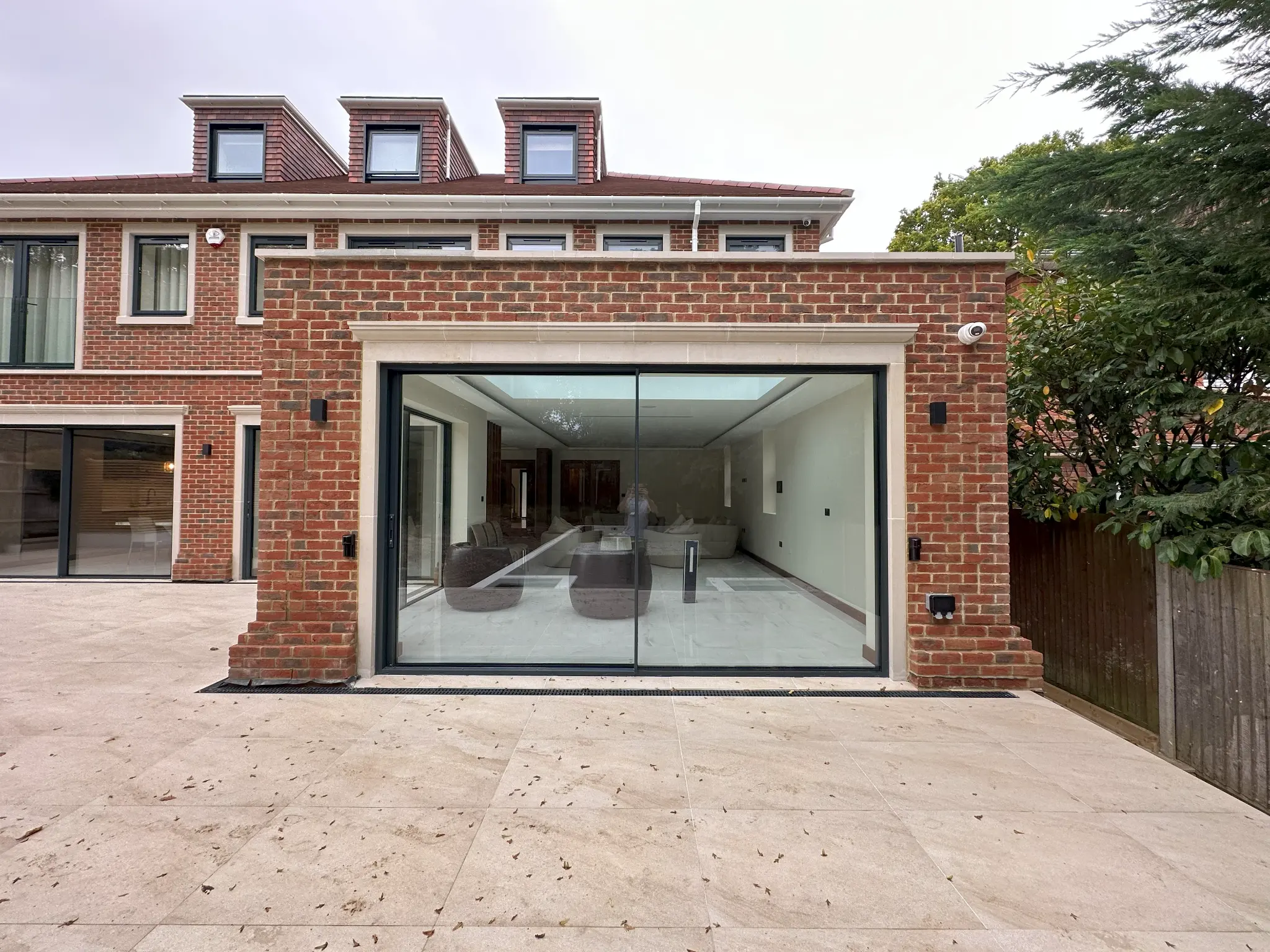
- Sliding Doors (Patio Doors): Often feature large glass panels that slide past each other, ideal for wide openings. Slim profiles enhance the feeling of openness when closed.
- Bifold Doors: Consist of multiple panels that fold back concertina-style, creating a large opening. Slim frames reduce the visual impact of the folded panels.
- French Doors: Traditional double doors can also be specified with slimmer frames for a more contemporary look while retaining their classic functionality.
- Single Entrance Doors: Even individual doors can benefit from slim frames, allowing for more light into hallways or smaller spaces.

Benefits of Choosing Slim Profile Door Frames
The appeal of slim profile door frames extends beyond mere aesthetics, offering a range of practical advantages for homeowners.
Enhanced Natural Light
By reducing the visible frame, more glass area is exposed, allowing a greater volume of natural light to flood interior spaces. This can make rooms feel larger, brighter, and more inviting, potentially reducing the need for artificial lighting during the day.
Uninterrupted Views
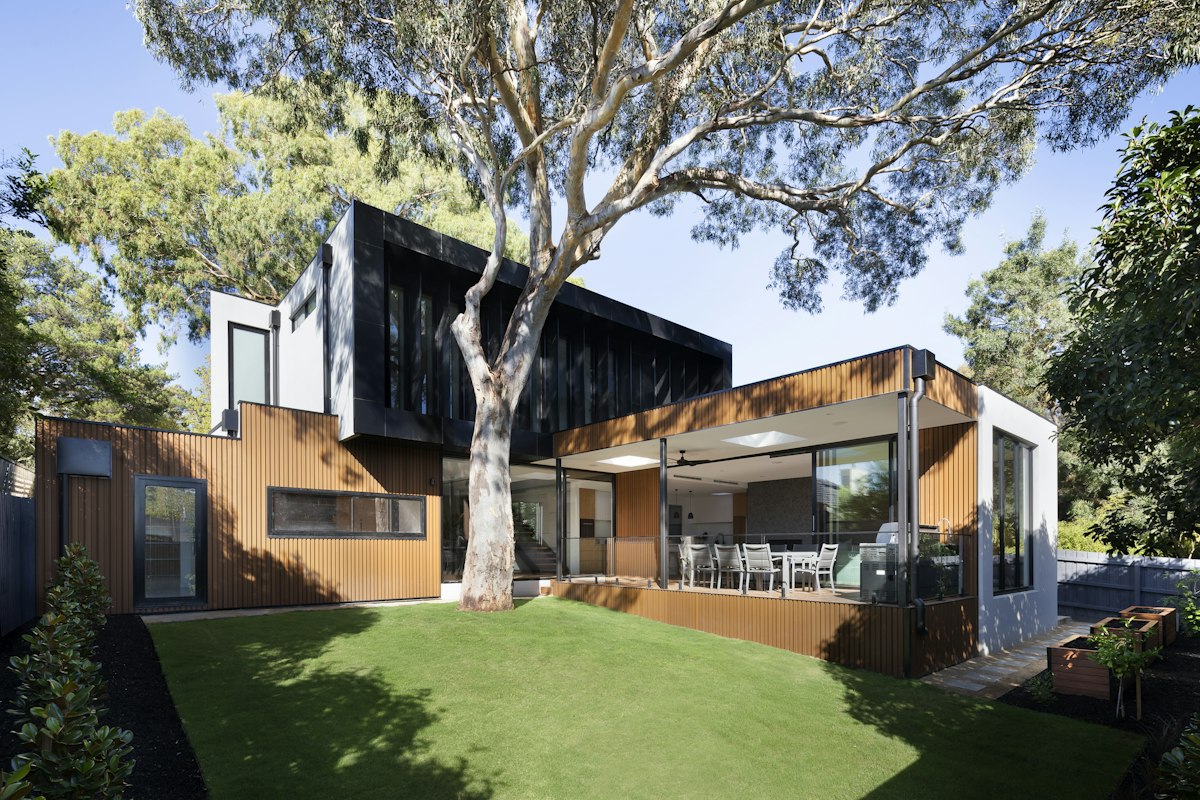
The minimalist design provides expansive, panoramic views of your garden or surrounding landscape. This creates a seamless transition between indoor and outdoor living areas, fostering a sense of connection with nature.
Modern Aesthetic Appeal
Slim frames offer a sophisticated, contemporary look that complements modern architectural styles. Their clean lines and understated elegance can significantly enhance the visual appeal and market value of a property.
Space Optimisation
While not physically adding space, the increased light and reduced visual clutter create an illusion of greater space. This is particularly beneficial in smaller rooms or properties where maximising perceived space is a priority.
Pro Tip
When selecting slim profile doors, consider the orientation of your property. South-facing doors will benefit most from increased light, but may also require solar control glass to prevent overheating in summer. North-facing doors will welcome all the extra light they can get without significant solar gain issues.
Technical Considerations and Building Regulations
While aesthetically pleasing, slim profile door frames must also meet stringent technical and regulatory standards in the UK. Understanding these aspects is crucial for a successful installation.
Thermal Performance (U-Values)
One of the most critical aspects is thermal performance, measured by the U-value (W/m²K). A lower U-value indicates better insulation and less heat loss. Despite their slim appearance, modern slim profile frames are engineered to offer excellent thermal efficiency. This is achieved through advanced thermal breaks within the frame material and the use of high-performance double or triple glazing.
- UK Building Regulations Part L (Conservation of Fuel and Power) 2022, England:
- For new build homes, windows and doors typically require a U-value of 1.2 W/m²K or better.
- For replacement windows and doors in existing dwellings, the maximum allowable U-value is generally 1.4 W/m²K.
It is essential to ensure that any slim profile door system you choose meets or exceeds these current regulatory requirements to avoid issues with Building Control and to ensure your home remains energy efficient.
Security
Security is paramount for any external door. Slim profile frames are designed with robust multi-point locking systems, high-security cylinders, and often incorporate laminated or toughened glass. Look for doors that comply with PAS 24:2016 (Enhanced security performance requirements for doorsets and window-sets in the UK) and ideally, those certified by Secured by Design, the official police security initiative.
Weather Performance
Doors must protect your home from the elements. Slim profile systems are rigorously tested for air permeability, water tightness, and wind resistance. Reputable manufacturers will provide performance data, often measured against European standards (e.g., BS EN 12207 for air permeability, BS EN 12208 for water tightness, BS EN 12210 for wind resistance).
Structural Integrity and Glazing
The strength of the frame material is key to supporting large panes of glass. Aluminium is a popular choice due to its strength-to-weight ratio and durability. The glass itself will typically be toughened safety glass as standard, and for very large panels, laminated glass might be recommended for added security and acoustic performance.
Materials and Their Characteristics
The choice of material significantly impacts the performance, aesthetics, and cost of slim profile door frames.
| Feature | Aluminium | Steel | Timber-Aluminium Composite |
|---|---|---|---|
| Sightlines | Excellent (very slim) | Exceptional (ultra-slim, strongest) | Good (slimmer than uPVC, wider than pure aluminium/steel) |
| Thermal Performance | Very good (with thermal breaks) | Good (requires careful design for thermal breaks) | Excellent (timber inner frame provides natural insulation) |
| Strength/Durability | High | Highest | High |
| Maintenance | Low | Low (if powder-coated) | Low (external aluminium), Moderate (internal timber may need occasional treatment) |
| Cost | Medium to High | High to Very High | High |
| Aesthetics | Modern, sleek, wide colour range | Industrial, heritage, very minimalist | Modern external, natural internal (wood grain) |
Aluminium
Aluminium is the most common material for slim profile doors due to its strength, light weight, and corrosion resistance. It can be extruded into very fine profiles and is available in a vast array of powder-coated colours, offering design flexibility. Modern aluminium frames incorporate advanced thermal breaks to prevent heat transfer.
Steel
Steel offers unparalleled strength, allowing for the absolute slimmest sightlines, often seen in high-end architectural projects or industrial-style designs. However, steel is heavier and typically more expensive. Thermal performance can be a challenge with steel, requiring sophisticated thermal break technology to meet modern U-value requirements.
Timber-Aluminium Composites
These systems combine the natural insulation and aesthetic warmth of timber on the inside with the low maintenance and durability of aluminium on the exterior. They offer excellent thermal performance and a unique dual-finish aesthetic, though sightlines may be slightly wider than pure aluminium or steel systems.
Installation and Design Considerations
Proper installation is as critical as the quality of the door system itself. Due to the large glass panels and precise engineering involved, slim profile doors require specialist installation.
- Structural Support: Large door openings may require additional structural support, especially in older properties. A structural engineer's assessment is often recommended.
- Thresholds: Consider flush thresholds for a seamless transition between indoor and outdoor spaces, but be aware of potential compromises on weather sealing if not designed correctly.
- Drainage: Ensure adequate drainage around the door area, especially with flush thresholds, to prevent water ingress.
- Glass Specification: Discuss options for solar control glass, acoustic glass, or self-cleaning coatings with your supplier based on your specific needs and property orientation.
- Ventilation: While doors provide natural ventilation when open, consider trickle vents or other background ventilation methods to comply with Building Regulations Part F (Ventilation) when doors are closed.
Maintenance and Longevity
One of the advantages of modern slim profile door frames, particularly those made from aluminium or composite materials, is their relatively low maintenance. Regular cleaning of the frames and glass is usually sufficient to keep them looking their best. Moving parts, such as hinges and sliding mechanisms, may benefit from occasional lubrication as per the manufacturer's guidelines.
With proper care and professional installation, high-quality slim profile door frames are designed for longevity, offering many years of reliable performance and aesthetic appeal.
Choosing the Right Supplier
Selecting a reputable supplier and installer is paramount for slim profile door frames. Look for companies with a proven track record, extensive experience in these specific systems, and a commitment to quality. Ensure they can provide detailed technical specifications, U-value certificates, and evidence of compliance with UK Building Regulations and security standards.
Shard AG specialises in high-performance architectural glazing solutions for UK homeowners. We offer a range of premium slim profile door frames, including sliding, bifold, and entrance doors, crafted from durable aluminium and steel. Our expert team works closely with clients from design to installation, ensuring every project meets the highest standards of aesthetics, thermal efficiency, and security. We pride ourselves on providing bespoke solutions that enhance natural light and create stunning, modern living spaces, all while adhering strictly to current UK Building Regulations and industry best practices.
Explore Our Products
Discover how Shard Architectural Glazing can transform your home with our premium glazing solutions:
Ready to Transform Your Home?
Get in touch with our expert team for a free consultation and personalised quote. We'll help you choose the perfect glazing solution for your property.