

Harnessing Natural Light: Benefits for UK Homes
Discover how natural light transforms UK homes, boosting well-being, energy efficiency, and property value. Learn about design, regulations, and practical tips.

Shard Architectural Glazing
12 May 2026
Discover how natural light transforms UK homes, boosting well-being, energy efficiency, and property value. Learn about design, regulations, and practical tips.
📋In This Article
Natural light is a fundamental element of good architectural design, profoundly impacting the aesthetics, functionality, and atmosphere of a home. For homeowners across the UK, maximising natural light isn't just about making a space brighter; it's about creating healthier, more energy-efficient, and more enjoyable living environments. This comprehensive guide explores the myriad benefits of natural light, delves into design considerations, and touches upon relevant UK Building Regulations.
The Science of Daylight and Wellbeing
Beyond simply illuminating a room, natural light plays a crucial role in human health and psychological wellbeing. Our bodies are intrinsically linked to the natural light-dark cycle, known as the circadian rhythm. Exposure to natural daylight helps to regulate this rhythm, influencing sleep patterns, mood, and cognitive function.
Improved Mood and Reduced Stress
- Serotonin Production: Exposure to bright natural light stimulates the production of serotonin, a neurotransmitter associated with feelings of wellbeing and calmness.
- Reduced Seasonal Affective Disorder (SAD): For many in the UK, especially during darker winter months, natural light can help alleviate symptoms of SAD, a type of depression linked to seasonal changes.
- Enhanced Alertness: Natural light, particularly in the morning, signals to the body that it's time to be awake and alert, improving concentration and productivity.
Better Sleep Quality
Consistent exposure to natural light during the day helps to reinforce the body's natural sleep-wake cycle. This leads to more efficient melatonin production in the evening, promoting deeper, more restorative sleep. Conversely, a lack of daytime natural light can disrupt this cycle, potentially leading to sleep disturbances.
Physical Health Benefits
- Vitamin D Synthesis: Sunlight exposure is the primary natural source of Vitamin D, essential for bone health, immune function, and overall physical wellbeing. While direct skin exposure is needed, even indirect light can contribute to a healthier indoor environment.
- Reduced Eyestrain: Natural light provides a full spectrum of colours, which is easier on the eyes than artificial lighting, reducing eyestrain and headaches often associated with prolonged exposure to screens under poor lighting conditions.
Energy Efficiency and Cost Savings
One of the most tangible benefits of maximising natural light is its impact on a home's energy consumption and utility bills.
Reduced Reliance on Artificial Lighting
By effectively channelling daylight into living spaces, homeowners can significantly reduce the need for artificial lighting during the day. This directly translates to lower electricity consumption and, consequently, reduced energy bills. Modern glazing solutions, such as large format windows, rooflights, and sliding doors, are designed to maximise light ingress without compromising thermal performance.
Passive Solar Gain
Strategically placed glazing can harness passive solar gain, especially during colder months. Sunlight entering through windows can warm interior spaces, reducing the demand on heating systems. This is particularly effective for south-facing windows, which receive the most direct sunlight. However, careful design is needed to prevent overheating in summer.
Pro Tip
When designing for passive solar gain, consider the orientation of your home. South-facing glazing offers the best winter gain, but requires shading (e.g., overhangs, external blinds) to prevent summer overheating. East and west-facing glazing can provide pleasant morning and evening light but may also require shading to manage glare and heat gain.
Improved Thermal Performance of Glazing
Modern glazing technology has advanced significantly. Double and triple-glazed units, often filled with inert gases like argon and featuring low-emissivity (low-e) coatings, offer excellent thermal insulation. This means that while they allow abundant natural light in, they minimise heat loss in winter and reduce excessive heat gain in summer. This balance is crucial for maintaining a comfortable indoor temperature year-round and contributing to overall energy efficiency.
Design Considerations and UK Building Regulations
Integrating natural light effectively into a home requires careful planning and an understanding of architectural principles and regulatory requirements.
Strategic Placement of Glazing
- Windows: Beyond size, the placement of windows is key. High-level windows can bring light deep into a room, while corner windows offer panoramic views and multi-directional light.
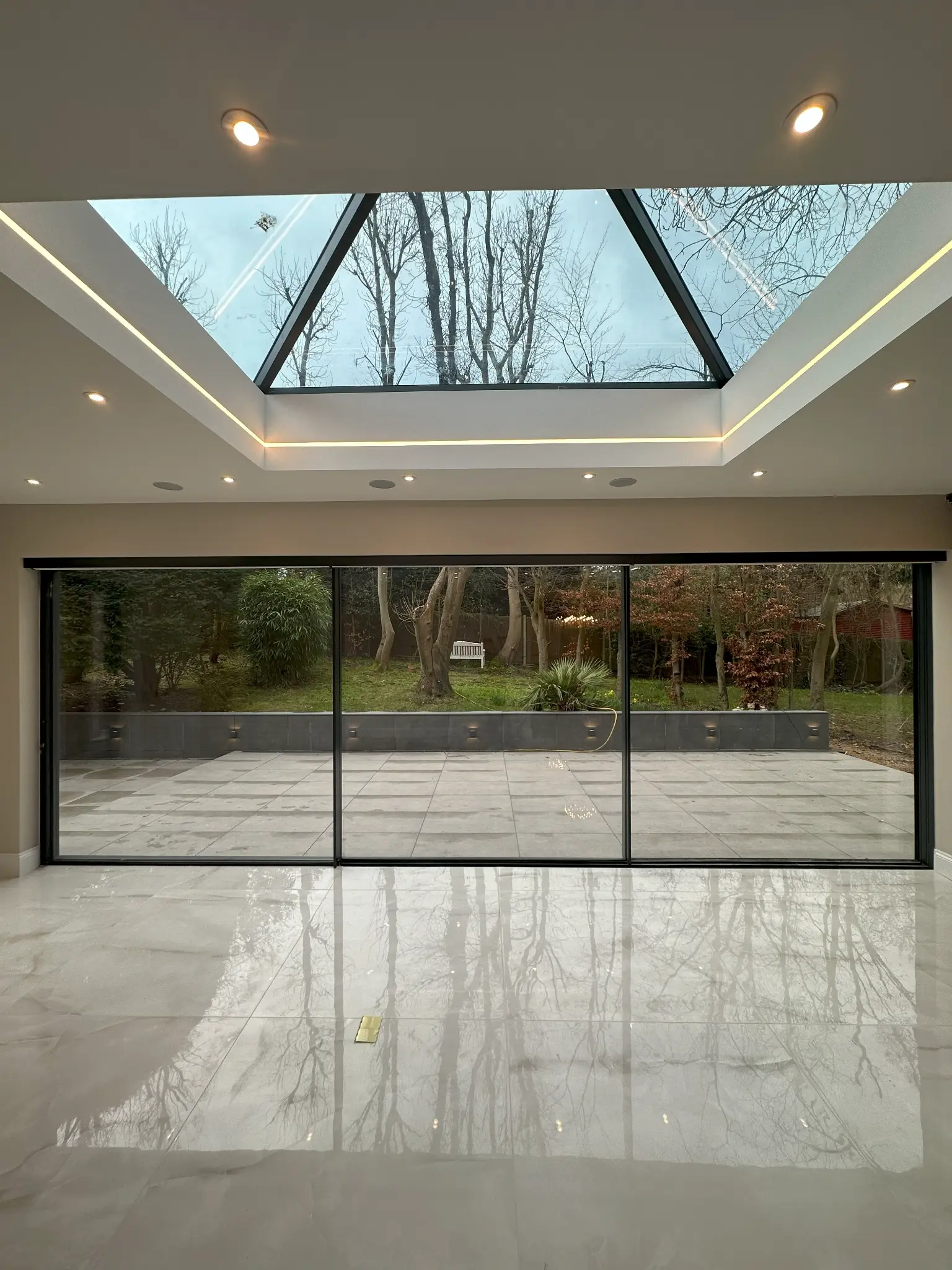
- Rooflights and Skylights: These are exceptionally effective at bringing light into central areas of a home, stairwells, or extensions where traditional windows are not feasible. They can provide up to three times more light than a vertical window of the same size.
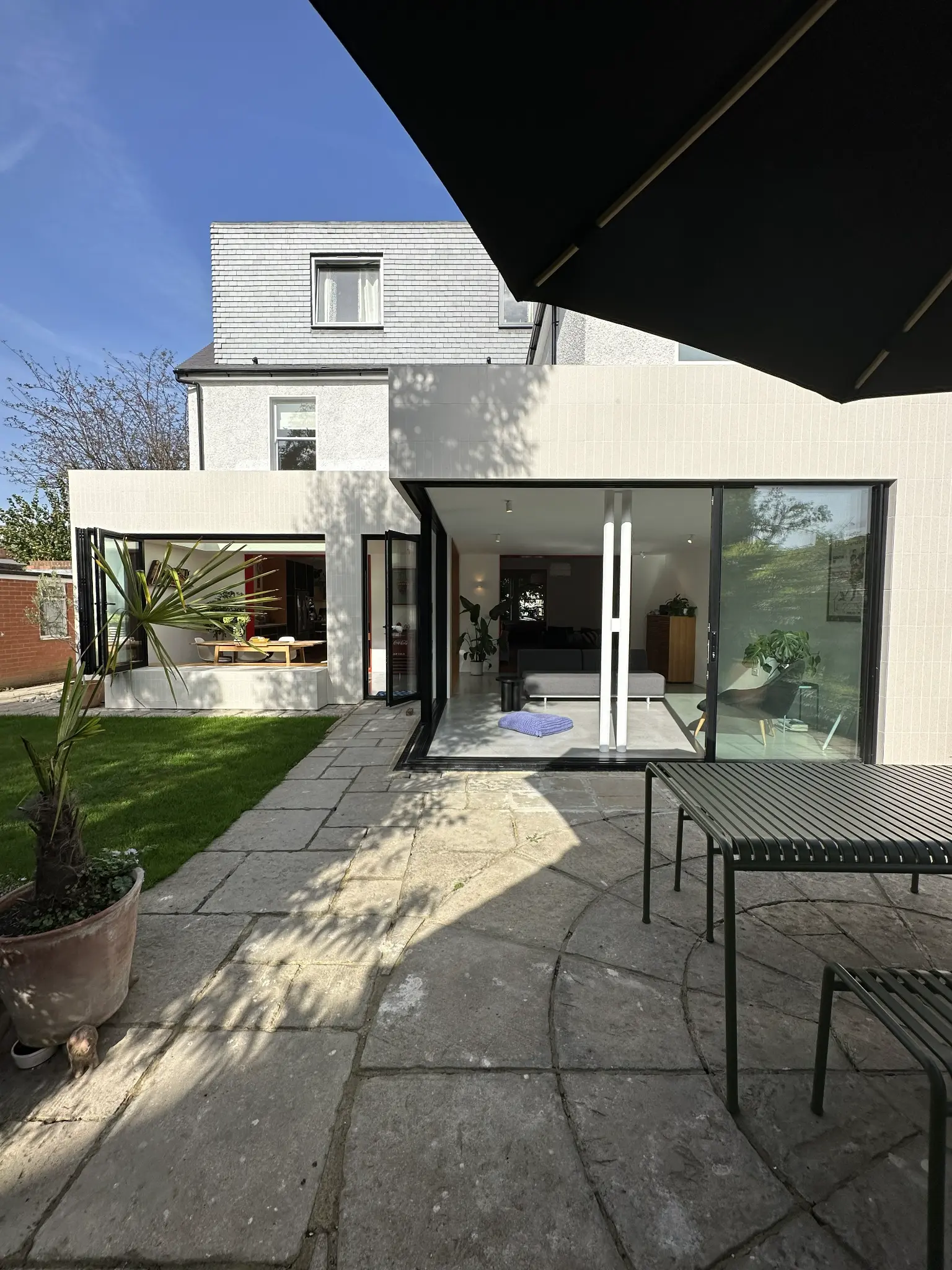
- Sliding and Bifold Doors: Large expanses of glass not only connect indoor and outdoor spaces but also flood rooms with natural light.
- Internal Glazing: Glass internal doors, screens, or even internal windows can allow light to flow between rooms, reducing dark corridors or landings.
Controlling Glare and Overheating
While abundant light is desirable, excessive glare and overheating can be detrimental. Solutions include:
- Shading: External shading devices (e.g., brise soleil, awnings), internal blinds, or even deciduous trees can effectively manage solar gain and glare.
- Low-e Coatings: These microscopic metallic layers on glazing selectively reflect certain wavelengths of light, reducing heat transfer while allowing visible light through.
- Ventilation: Cross-ventilation strategies, often facilitated by operable windows and doors, help dissipate heat build-up.
UK Building Regulations Part L (Conservation of Fuel and Power)
Any new build, extension, or significant renovation project in England must comply with Part L of the Building Regulations, which sets standards for energy efficiency. This includes strict requirements for the thermal performance of building elements, including glazing.
For glazing, the current 2022 standards are:
- New Build Homes: Windows and doors must achieve a U-value of 1.2 W/m²K or better.
- Replacement Windows/Doors: Existing homes replacing windows or doors must achieve a U-value of 1.4 W/m²K or better.
These U-values represent the rate of heat transfer; a lower U-value indicates better insulation. It's crucial that any new glazing specified meets or exceeds these standards to ensure compliance and optimal energy performance. Failure to comply could affect compliance with Building Regulations and may require remedial work.
Enhanced Property Value
Homes with ample natural light are consistently more desirable and command higher market values. Buyers are often willing to pay a premium for bright, airy spaces.
Improved Aesthetics
Natural light transforms interiors, making spaces feel larger, more open, and more inviting. It highlights architectural features and true colours of furnishings.
Connection to Outdoors
Large windows and doors blur the lines between inside and out, fostering a stronger connection to nature and providing views that enhance the living experience.
Reduced Mould & Damp
Natural light, particularly UV rays, can help inhibit the growth of mould and mildew, contributing to a healthier indoor environment and reducing damp-related issues.
Comparison of Glazing Options for Light Maximisation
Choosing the right glazing product is essential for optimising natural light while maintaining thermal performance and aesthetics. Here's a comparison of common options:
| Glazing Type | Key Advantages | Considerations | Typical U-value (W/m²K) |
|---|---|---|---|
| Standard Casement Windows | Versatile, cost-effective, good ventilation. | Frame size can limit glass area; less dramatic light ingress. | 1.2 - 1.4 (double), 0.8 - 1.0 (triple) |
| Large Format Sliding Doors | Maximise views and light; seamless indoor-outdoor connection; space-saving. | Can be heavy; requires robust structural support; cost. | 1.0 - 1.4 |
| Bifold Doors | Completely open up an entire wall; excellent ventilation. | Thicker frames than sliders; requires stacking space when open; cost. | 1.2 - 1.6 |
| Fixed Glazing (Picture Windows) | Maximum glass area for light and views; excellent thermal performance. | No ventilation; can be difficult to clean externally on upper floors. | 0.8 - 1.2 |
| Rooflights/Skylights | Brings light deep into a plan; effective for internal rooms; can offer ventilation. | Potential for overheating if unshaded; cleaning access; flashing details. | 0.8 - 1.4 |
| Glass Box Extensions | Ultimate light and contemporary aesthetic; panoramic views. | Higher cost; requires specialist design and installation; potential for overheating. | Typically 1.0 - 1.4 (for vertical elements) |
Practical Tips for Maximising Daylight
Even without major renovations, there are several ways to enhance natural light in your home:
- Keep Windows Clean: A simple yet effective step. Dirt and grime can significantly reduce light transmission.
- Choose Light Colours: Paint walls and ceilings in light, reflective colours (whites, creams, pale greys) to bounce light around the room.
- Strategic Mirror Placement: Position mirrors opposite windows to reflect light deeper into the space.
- Minimal Window Dressings: Opt for sheer curtains, Venetian blinds, or roller blinds that can be fully retracted during the day. Avoid heavy, dark drapes.
- Clear Window Areas: Keep window sills and areas directly in front of windows clear of clutter to avoid obstructing light.
- Trim External Foliage: Ensure trees and shrubs outside your windows are trimmed to prevent them from blocking natural light.
- Consider Internal Glazing: As mentioned, glass internal doors or screens can allow light to penetrate deeper into the home's core.
Conclusion
The benefits of natural light in homes are undeniable, ranging from profound impacts on health and wellbeing to significant improvements in energy efficiency and property value. By understanding the principles of daylighting, considering modern glazing solutions, and adhering to UK Building Regulations, homeowners can create spaces that are not only visually appealing but also genuinely enhance their quality of life.
For those considering enhancing their home with high-performance glazing solutions to maximise natural light, Shard AG offers a comprehensive range of bespoke architectural glazing products. From large-format sliding doors and elegant bifolds to contemporary rooflights and structural glass installations, our expertise ensures that your project achieves optimal light, thermal performance, and aesthetic appeal, all while meeting stringent UK Building Regulations.
Explore Our Products
Discover how Shard Architectural Glazing can transform your home with our premium glazing solutions:
Ready to Transform Your Home?
Get in touch with our expert team for a free consultation and personalised quote. We'll help you choose the perfect glazing solution for your property.