

Harnessing Natural Light: Benefits for UK Homes & Well-being
Discover the profound benefits of natural light in UK homes, from boosting well-being and energy efficiency to enhancing design. Learn practical tips and regulations.

Shard Architectural Glazing
9 May 2026
Discover the profound benefits of natural light in UK homes, from boosting well-being and energy efficiency to enhancing design. Learn practical tips and regulations.
📋In This Article
Natural light is more than just an aesthetic feature in a home; it's a fundamental element that profoundly impacts our health, mood, and even our energy bills. In the UK, where daylight hours can vary significantly throughout the year, maximising natural light is a key consideration for homeowners looking to create healthier, more comfortable, and energy-efficient living spaces. This comprehensive guide explores the myriad benefits of natural light, practical ways to enhance it, and important considerations for your UK home.
The Science of Light and Well-being
Our bodies are intrinsically linked to natural light cycles. Exposure to natural light, particularly daylight, plays a crucial role in regulating our circadian rhythm – our internal 24-hour clock. This rhythm influences everything from sleep patterns and hormone production to mood and cognitive function.
Improved Mood and Mental Health
- Reduced Seasonal Affective Disorder (SAD): Many people in the UK experience SAD during darker winter months. Increased exposure to natural light can help alleviate symptoms by boosting serotonin levels, a neurotransmitter associated with mood regulation.
- Enhanced Productivity and Focus: Studies have shown that individuals exposed to more natural light tend to be more alert, productive, and experience less eye strain. This is particularly beneficial for home offices or study areas.
- Better Sleep Quality: Regular exposure to bright natural light during the day helps to consolidate sleep at night. It signals to our bodies when to be awake and when to prepare for rest, leading to deeper, more restorative sleep.
Physical Health Benefits
- Vitamin D Production: Sunlight is our primary source of Vitamin D, essential for bone health, immune function, and reducing the risk of various chronic diseases. While direct sun exposure is needed for synthesis, brighter indoor environments can encourage outdoor activity.
- Visual Comfort: Natural light provides a full spectrum of colour, which is easier on the eyes than artificial lighting. This reduces glare and eye fatigue, making daily tasks more comfortable.
Boosted Mood
Natural light elevates serotonin levels, reducing symptoms of depression and improving overall mental well-being.
Energy Savings
By reducing the reliance on artificial lighting, homes with ample natural light can significantly lower electricity bills.
Enhanced Aesthetics
Daylight reveals true colours, makes spaces feel larger and more inviting, and highlights architectural features.
Improved Sleep
Regulates circadian rhythms, leading to better sleep patterns and increased daytime alertness.
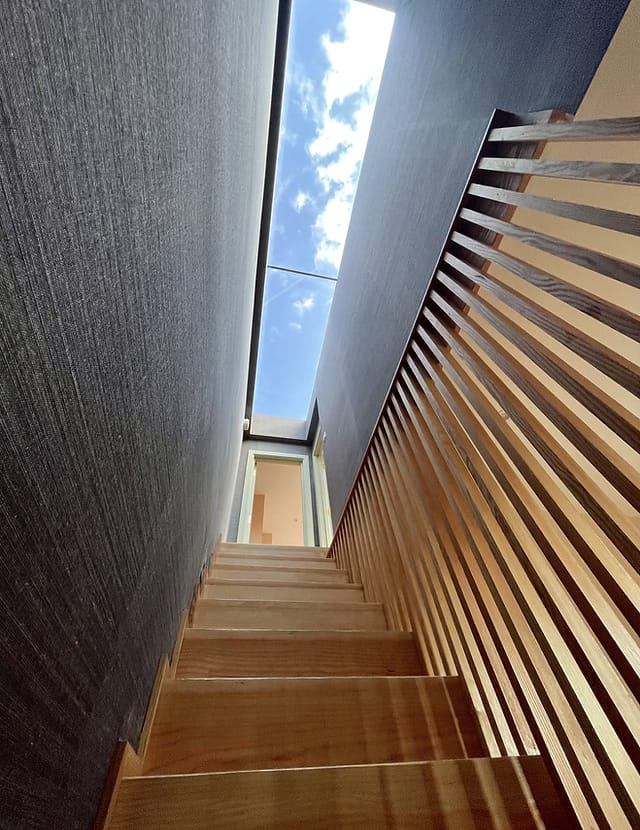
Energy Efficiency and Cost Savings
Beyond well-being, natural light offers tangible benefits for your home's energy performance.
Reduced Reliance on Artificial Lighting
The most obvious benefit is the decrease in the need for electric lights during the day. This directly translates into lower electricity consumption and, consequently, reduced energy bills. In an era of rising energy costs, maximising daylight is a straightforward way to cut down on household expenses.
Passive Solar Gain
Well-designed glazing can harness passive solar gain, particularly during colder months. Sunlight entering through windows can warm interior spaces, reducing the demand on your heating system. This is a delicate balance, as excessive solar gain in summer can lead to overheating. Strategic placement, appropriate glazing specifications, and shading solutions are key to optimising this benefit.
Pro Tip
Consider the orientation of your home. South-facing windows typically receive the most consistent light throughout the day, offering excellent opportunities for passive solar gain in winter. North-facing windows provide more consistent, diffused light, ideal for studios or offices where direct glare is undesirable.
Architectural and Design Advantages
Natural light is a powerful tool for architects and interior designers, transforming spaces and enhancing their functionality and appeal.
Creating a Sense of Space and Openness
Bright, naturally lit rooms feel larger, more airy, and less confined. This is particularly valuable in smaller UK homes or properties with limited footprints. Large windows, rooflights, and glazed doors can visually connect interior spaces with the outdoors, blurring boundaries and creating a more expansive feel.
Highlighting Interior Features and Materials
Natural light reveals the true colours and textures of materials, furniture, and artwork. It creates dynamic shadows and highlights that add depth and character to a room, making it feel more vibrant and alive. Artificial lighting, by contrast, can often flatten colours and create a less nuanced visual experience.
Versatility in Design
With careful planning, natural light can be manipulated to achieve specific design goals. From dramatic floor-to-ceiling glazing that floods a room with light, to strategically placed smaller windows that create intimate, focused illumination, the possibilities are vast. Glazing choices, such as obscure glass or smart glass, can also offer privacy while still allowing light transmission.
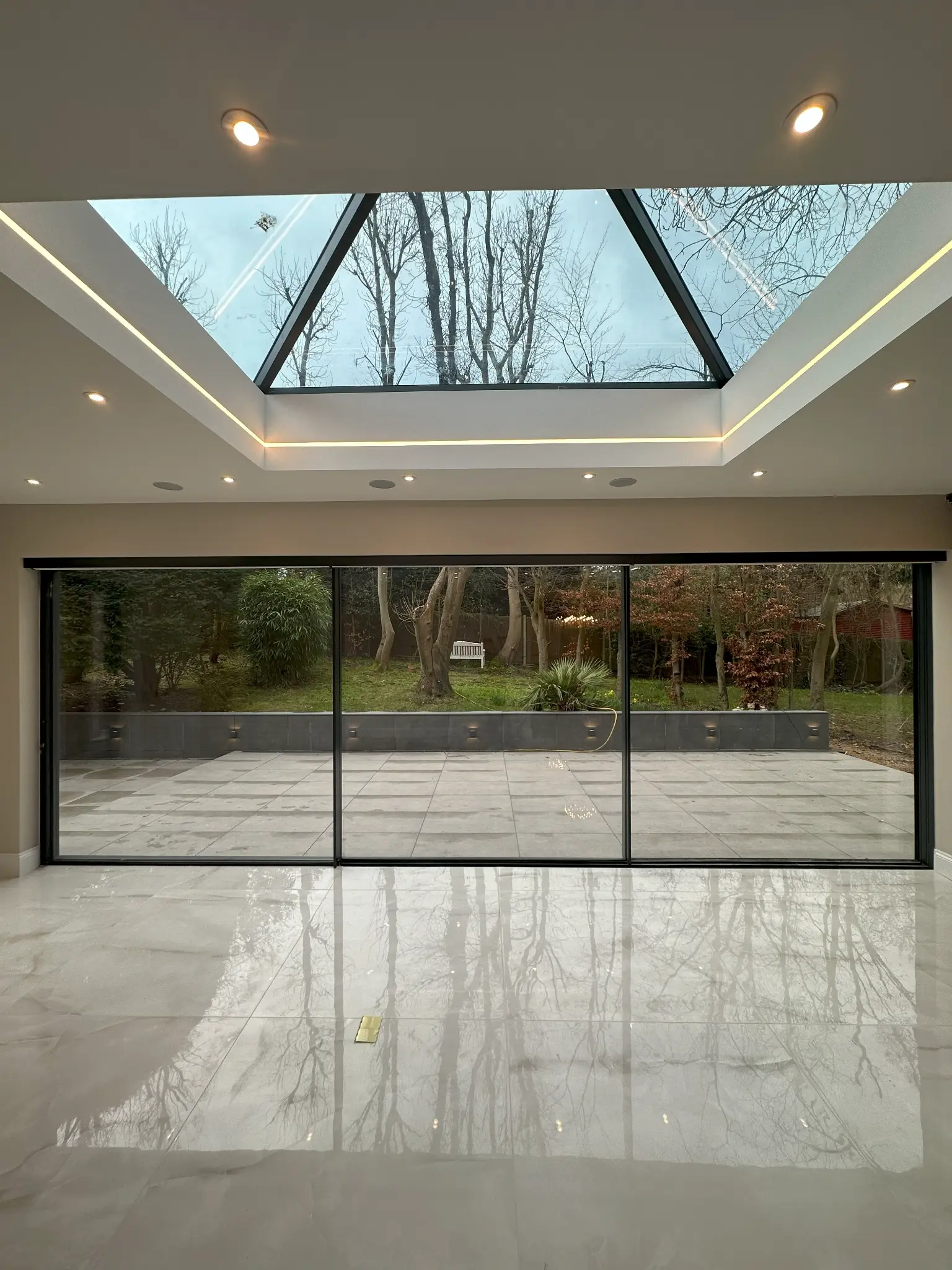
Practical Ways to Maximise Natural Light
There are numerous strategies homeowners can employ to bring more natural light into their properties.
Glazing Solutions
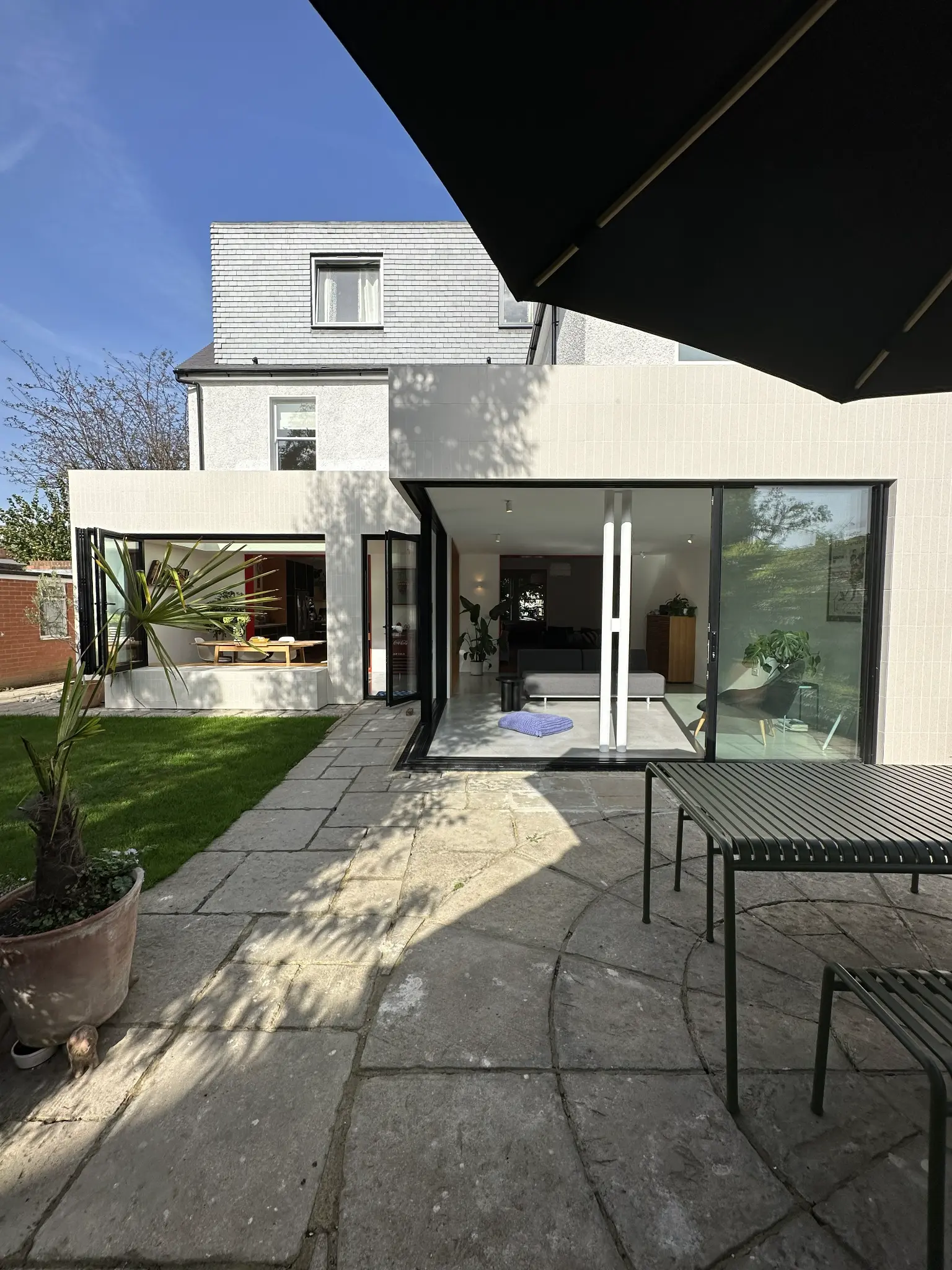
- Larger Windows and Doors: Replacing smaller windows with larger ones, or installing bifold or sliding doors, can dramatically increase light ingress.
- Rooflights and Skylights: Ideal for single-storey extensions, loft conversions, or rooms deep within a floor plan, rooflights bring light directly from above, often providing up to three times more light than a vertical window of the same size.
- Glass Extensions: Orangeries, conservatories, and fully glazed extensions are designed specifically to maximise natural light, creating bright, inviting spaces.
- Internal Glazing: Glass internal doors, partitions, or even internal windows can allow light to penetrate deeper into the core of a home, especially in open-plan layouts.
Interior Design Tricks
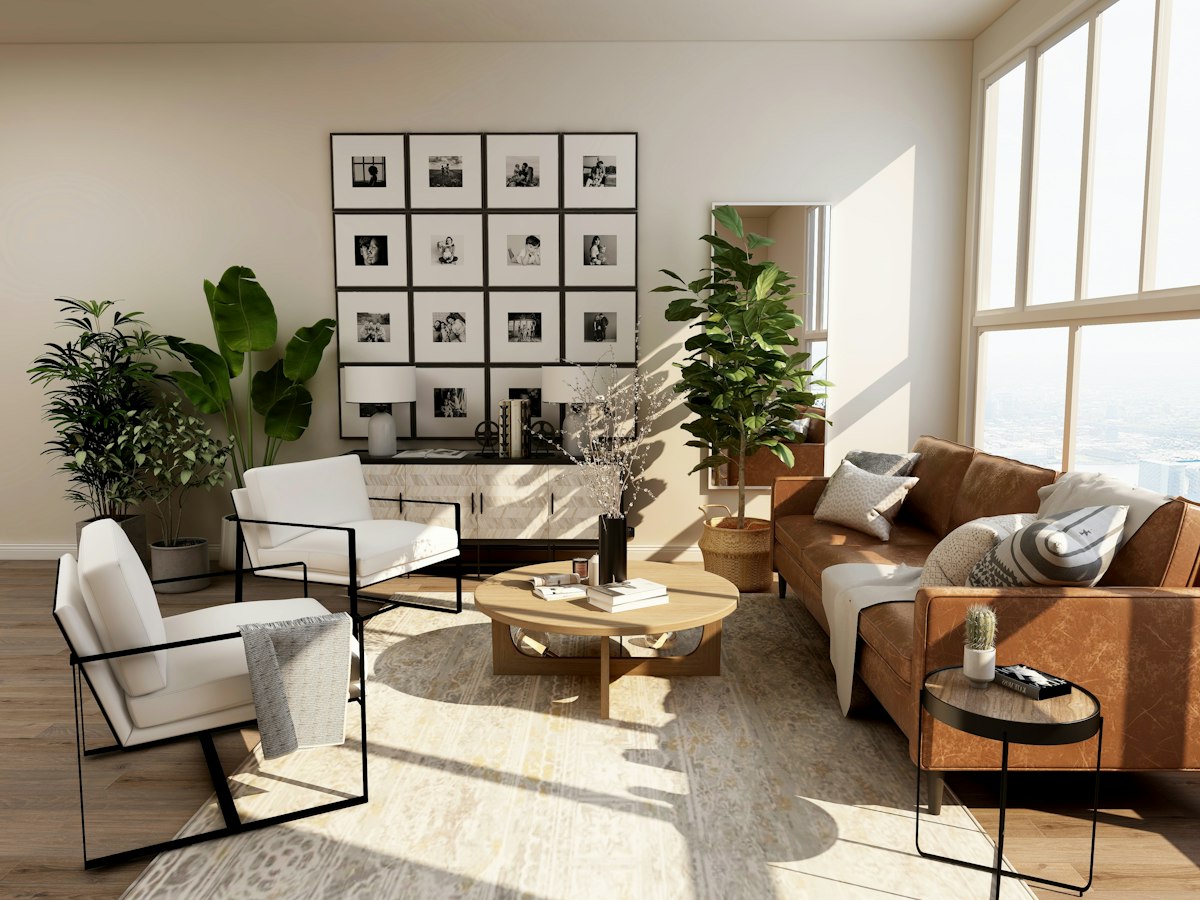
- Light Colour Palettes: Using light colours for walls, ceilings, and floors helps to reflect natural light around a room, making it appear brighter and more spacious.
- Mirrors: Strategically placed mirrors can reflect light from windows, effectively doubling the perceived light in a room.
- Minimising Obstructions: Keep window sills clear, use lightweight or sheer window dressings, and avoid bulky furniture that blocks light paths.
- Glossy Surfaces: Materials with a slight sheen, like polished tiles or lacquered furniture, can subtly reflect light.
External Considerations
- Tree and Shrub Pruning: Overgrown trees or shrubs close to windows can significantly reduce light. Regular pruning can help.
- Light-Coloured External Surfaces: Lighter external walls or paving can reflect light into a property, though this is often less impactful than direct light.
UK Building Regulations and Considerations
When undertaking any significant changes to your home to maximise natural light, particularly involving new or replacement glazing, it's crucial to consider UK Building Regulations.
Thermal Performance (Part L)
All new and replacement glazing must comply with Part L (Conservation of Fuel and Power) of the Building Regulations. This mandates minimum thermal performance standards to prevent excessive heat loss or gain. For new build homes and extensions, the U-value for windows and doors is typically required to be 1.2 W/m²K or better. For replacement windows and doors, the standard is 1.4 W/m²K or better. These values ensure that while you're gaining light, you're not compromising your home's energy efficiency. High-performance double or triple glazing is usually necessary to meet these standards.
Ventilation (Part F)
Adequate ventilation is also a requirement, especially when installing new windows or doors. Part F (Ventilation) ensures that sufficient fresh air can enter the property, preventing condensation and maintaining good indoor air quality. Trickle vents are a common solution integrated into window frames to provide continuous background ventilation.
Structural Integrity (Part A)
Any alterations to openings, such as enlarging windows or creating new ones, will require careful consideration of structural integrity. Part A (Structure) of the Building Regulations ensures that any changes do not compromise the stability of the building. A structural engineer's input is often advisable for significant alterations.
Planning Permission
While many window and door replacements fall under Permitted Development rights, certain changes may require planning permission. This is particularly true for:
- Properties in Conservation Areas or listed buildings.
- Significant changes to the external appearance, such as new bay windows or large glazed extensions.
- Rooflights that protrude significantly from the roof plane or are installed on the front elevation of a house.
Potential Drawbacks and How to Mitigate Them
While the benefits are extensive, it's important to acknowledge potential downsides and plan for them.
| Consideration | Potential Drawback | Mitigation Strategy |
|---|---|---|
| Overheating | Excessive solar gain in summer can make rooms uncomfortably hot. | Use solar control glazing, external shading (blinds, awnings, overhangs), or internal blinds/curtains. Ensure adequate ventilation. |
| Glare | Direct sunlight can cause uncomfortable glare, especially on screens. | Install adjustable blinds, curtains, or internal shading. Consider anti-glare coatings on glazing. |
| Privacy | Large windows can reduce privacy, especially in urban areas. | Utilise obscure or frosted glass, strategically placed planting, or privacy blinds/curtains. Smart glass offers on-demand privacy. |
| Fading | UV rays from sunlight can cause furniture, flooring, and artwork to fade over time. | Specify glazing with good UV filtering properties. Use blinds or curtains during peak sun hours. |
| Cost | High-performance large glazing units or rooflights can be a significant investment. | Balance the budget with long-term energy savings and enhanced living quality. Phased renovations can help spread costs. |
Harnessing natural light in your UK home offers a wealth of advantages, from improving your health and mood to cutting down on energy bills and enhancing your property's aesthetic appeal. By carefully considering design, glazing choices, and adherence to Building Regulations, you can transform your living spaces into brighter, more comfortable, and more sustainable environments.
At Shard AG, we specialise in designing, manufacturing, and installing bespoke architectural glazing solutions tailored to maximise natural light in UK homes. Our expert team can guide you through the options, from high-performance windows and doors to stunning rooflights and glazed extensions, ensuring compliance with all relevant Building Regulations and delivering exceptional results that enhance your home's beauty and efficiency.
Explore Our Products
Discover how Shard Architectural Glazing can transform your home with our premium glazing solutions:
Ready to Transform Your Home?
Get in touch with our expert team for a free consultation and personalised quote. We'll help you choose the perfect glazing solution for your property.