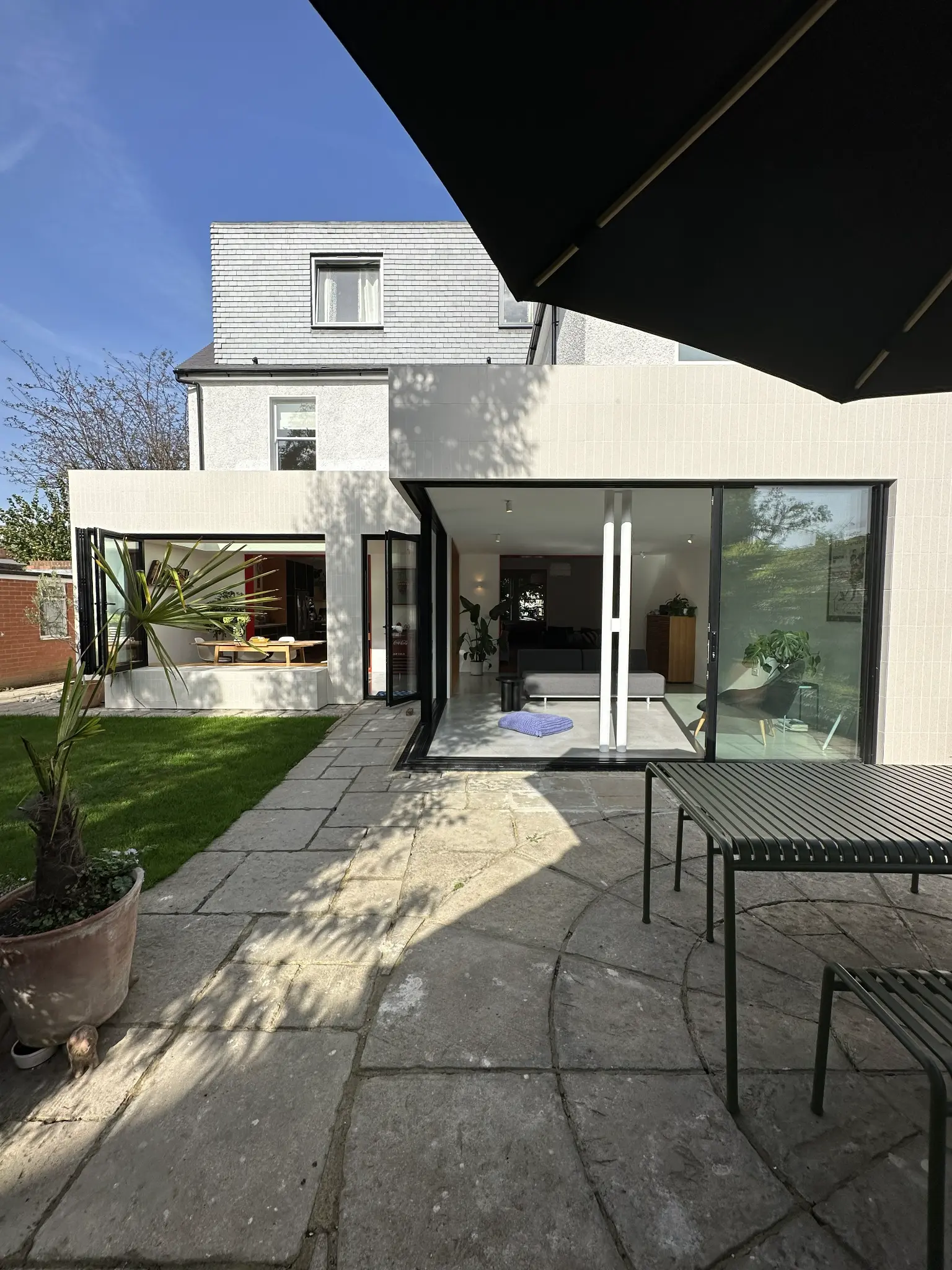



Maintaining Glass Doors: A UK Homeowner's Essential Guide
Discover expert tips for cleaning and maintaining your glass doors, ensuring their longevity, performance, and compliance with UK Building Regulations.

Shard Architectural Glazing
4 May 2026
Discover expert tips for cleaning and maintaining your glass doors, ensuring their longevity, performance, and compliance with UK Building Regulations.
📋In This Article
- Understanding Your Glass Doors: Components and Materials
- Routine Cleaning for Glass Doors: Keeping Them Sparkling
- Preventative Maintenance and Inspections
- Addressing Common Issues and UK Building Regulations
- When to Call a Professional
- Comparison of Frame Materials: Maintenance Overview
- Conclusion: Protecting Your Investment
Glass doors are a stunning architectural feature, offering abundant natural light, a sense of spaciousness, and a modern aesthetic to any UK home. From bi-fold and sliding patio doors to elegant internal partitions, their appeal is undeniable. However, like any significant home investment, glass doors require proper care and maintenance to preserve their beauty, functionality, and thermal performance over time. Neglecting maintenance can lead to issues ranging from cosmetic blemishes to compromised security and energy efficiency.
This comprehensive guide provides UK homeowners with essential maintenance tips for all types of glass doors, focusing on practical advice, technical details, and adherence to relevant standards. By following these recommendations, you can ensure your glass doors remain a valuable and attractive asset to your property for years to come.
Understanding Your Glass Doors: Components and Materials
Before diving into maintenance, it's crucial to understand the different components of a glass door system. This knowledge will help you identify specific areas that require attention and choose appropriate cleaning and care methods.
Glass Panels
- Type of Glass: Modern glass doors typically feature toughened safety glass as standard, which is five times stronger than ordinary glass and shatters into small, relatively harmless pieces if broken. For enhanced thermal performance, double or triple glazing is standard, incorporating inert gas (like argon) between panes and often low-emissivity (low-e) coatings.
- Coatings: Low-e coatings, applied to one of the glass surfaces, reflect heat, improving insulation. Some glass may also have self-cleaning coatings, which use sunlight to break down organic dirt and rain to wash it away.
Frames and Sashes
The frame material significantly impacts maintenance requirements:
- uPVC (Unplasticised Polyvinyl Chloride): A popular, low-maintenance choice known for its durability and excellent thermal properties. It's resistant to rot, rust, and corrosion.
- Aluminium: Strong, lightweight, and highly durable, aluminium frames offer slim sightlines and are resistant to corrosion. They typically have a powder-coated finish.
- Timber (Wood): Offers a classic, natural aesthetic. Requires more regular maintenance, such as painting or varnishing, to protect against weathering, rot, and insect infestation.
- Composite: Combines materials, often timber internally for warmth and aesthetics, with aluminium or uPVC externally for weather resistance and low maintenance.
Hardware and Mechanisms
This includes hinges, tracks, rollers, handles, locks, and seals (gaskets). These components are vital for the door's operation, security, and weatherproofing.
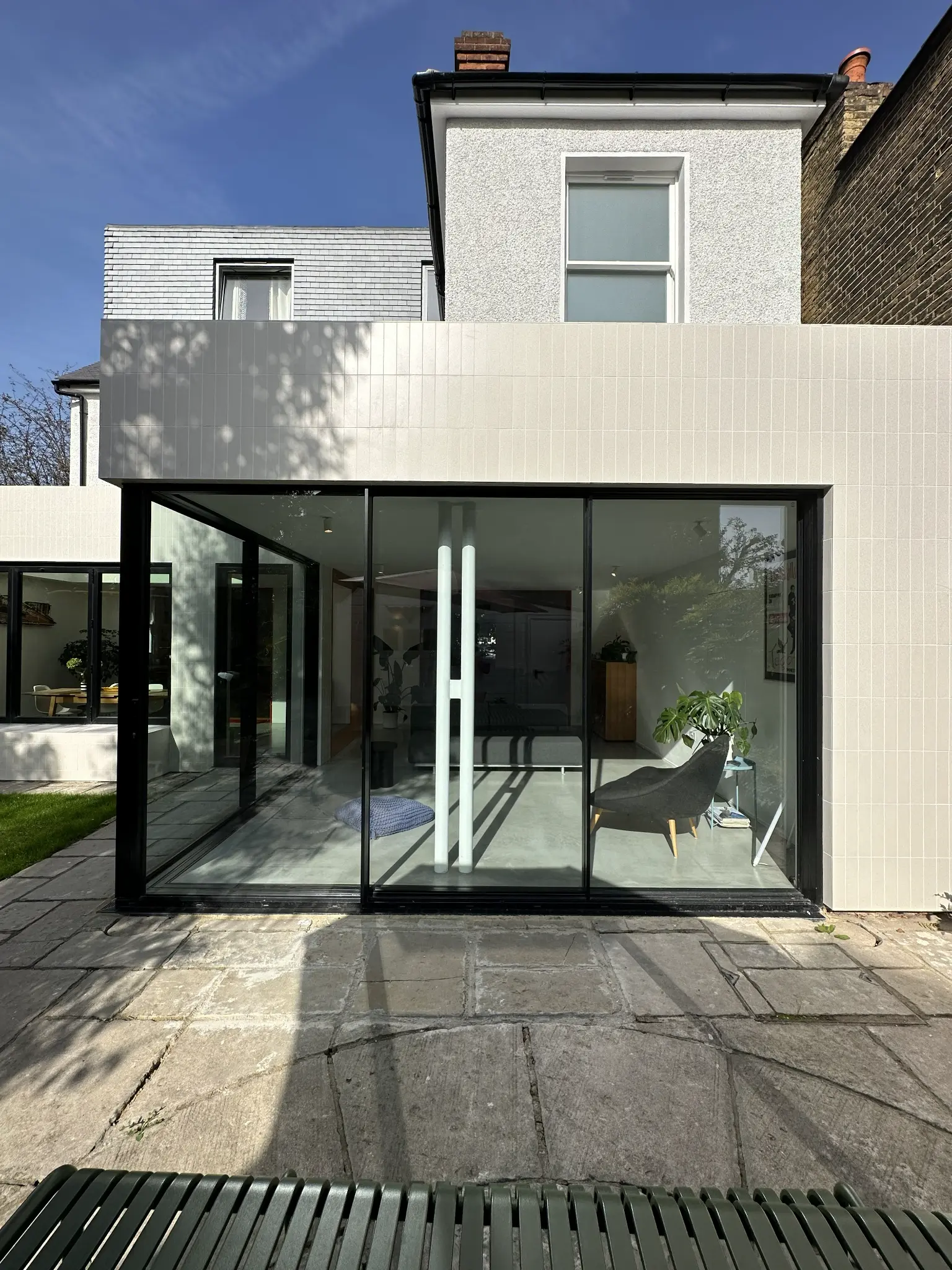
Routine Cleaning for Glass Doors: Keeping Them Sparkling
Regular cleaning is the most fundamental aspect of glass door maintenance. It not only keeps your doors looking their best but also prevents the build-up of grime that can degrade materials over time.
Cleaning Glass Panels
- Frequency: Aim for a thorough clean every 2-4 weeks for external doors, and less frequently for internal doors, depending on usage and exposure.
- Method:
- Preparation: Remove loose dirt and dust with a soft brush or vacuum cleaner.
- Cleaning Solution: For standard glass, a mixture of warm water and a small amount of mild washing-up liquid is highly effective. Alternatively, a specialist glass cleaner (ammonia-free) can be used. Avoid harsh chemicals, abrasive cleaners, or anything containing strong acids or alkalis, which can damage coatings or frames.
- Application: Apply the solution with a soft, lint-free cloth, sponge, or microfibre cloth. For larger panes, a squeegee can provide a streak-free finish.
- Drying: Wipe dry immediately with a clean, dry microfibre cloth or paper towel to prevent streaks and water spots. For squeegee use, wipe the blade after each stroke.
- Self-Cleaning Glass: For glass with self-cleaning coatings, simply rinse with clean water. Avoid abrasive cleaning or strong detergents, as these can damage the coating.
Cleaning Frames and Sashes
The cleaning method depends on the frame material:
- uPVC: Wipe down with warm, soapy water and a soft cloth. For stubborn marks, a specialist uPVC cleaner can be used, but always test on an inconspicuous area first. Avoid abrasive scourers or solvent-based cleaners.
- Aluminium: Clean with warm water and a mild detergent. Rinse thoroughly and dry with a soft cloth. Avoid abrasive materials that could scratch the powder coating.
- Timber: Clean with a damp, soft cloth and mild soap. Ensure the timber is dried thoroughly afterwards. Check for any flaking paint or varnish, which may indicate a need for re-finishing.
- Composite: Follow the recommendations for the external material (e.g., aluminium or uPVC).
Cleaning Hardware and Mechanisms
- Handles and Locks: Wipe clean with a damp cloth. Avoid harsh chemicals that could corrode finishes.
- Tracks and Rollers (for sliding/bi-fold doors): Regularly vacuum or brush out dirt, dust, and debris from tracks. This is crucial for smooth operation. Wipe tracks clean with a damp cloth.
- Seals (Gaskets): Wipe rubber seals with a damp cloth to remove dirt. Check for cracks, shrinkage, or hardening, which can compromise weatherproofing and thermal performance.
Pro Tip
When cleaning glass, always choose a cloudy day or clean when the sun isn't directly on the glass. Direct sunlight can cause cleaning solutions to dry too quickly, leading to streaks and water spots.
Preventative Maintenance and Inspections
Beyond routine cleaning, periodic inspections and preventative measures can significantly extend the life and performance of your glass doors.
Annual Inspection Checklist
- Operation: Open and close all doors and panels. Do they move smoothly? Is there any sticking, grinding, or excessive force required?
- Locks and Security: Test all locking mechanisms. Do they engage fully and securely? Are keys turning smoothly? Ensure multi-point locking systems are functioning correctly.
- Seals and Gaskets: Visually inspect all rubber seals around the glass and frame. Are they supple, intact, and free from cracks or gaps? Damaged seals can lead to draughts, water ingress, and heat loss, impacting the door's U-value.
- Drainage Holes: Check that drainage holes (weep holes) at the bottom of external door frames are clear of debris. These allow any water that penetrates the outer seal to escape, preventing it from building up and causing damage.
- Frame Integrity: Look for any signs of damage, cracks, warping, or discolouration on the frames. For timber frames, check for peeling paint, rot, or insect activity.
- Glass Condition: Inspect the glass for any cracks, chips, or signs of condensation *between* the panes, which indicates a failed seal in a double or triple glazed unit.
Lubrication
For smooth operation, certain moving parts may require lubrication:
- Hinges: Apply a light, silicone-based lubricant or a specialist hardware lubricant to hinges, especially on bi-fold doors. Avoid oil-based lubricants as they can attract dirt.
- Tracks and Rollers: After cleaning, a silicone spray can be applied sparingly to tracks and rollers to ensure smooth gliding.
- Lock Mechanisms: A small amount of graphite powder or a specialist lock lubricant can keep lock cylinders working smoothly.

Addressing Common Issues and UK Building Regulations
Being proactive about common issues can prevent minor problems from escalating.
Condensation
- External Condensation: Often occurs on highly energy-efficient glazing when the outer pane is colder than the outside air. This is a sign your glazing is performing well and is usually nothing to worry about.
- Internal Condensation: Indicates high internal humidity. Improve ventilation in your home.
- Condensation Between Panes: This is a serious issue, indicating a failed seal in the insulated glass unit (IGU). The inert gas has escaped, and moisture has entered. The IGU will need to be replaced to restore thermal performance.
Draughts and Leaks
If you notice draughts or water ingress, first check the seals and gaskets. If they are damaged, they will need replacing. Also, ensure the door is closing and locking correctly, as misalignment can prevent a tight seal.
Sticking or Misaligned Doors
For bi-fold or sliding doors, clean the tracks thoroughly. If the problem persists, the rollers or hinges may need adjustment or replacement. This often requires a professional, as incorrect adjustment can worsen the problem or compromise security.
UK Building Regulations and Thermal Performance
Maintaining your glass doors is not just about aesthetics; it's also about ensuring they continue to meet the thermal performance standards set out in UK Building Regulations Part L (Conservation of Fuel and Power). For new build properties and extensions, the maximum U-value for windows and doors is 1.2 W/m²K. For replacement windows and doors, the requirement is 1.4 W/m²K. A well-maintained door with intact seals and functional glazing will help your home meet these standards, contributing to lower energy bills and a reduced carbon footprint.
A U-value measures how effectively a component prevents heat from escaping. The lower the U-value, the better the insulation. Deteriorated seals, damaged frames, or failed double glazing units will increase the U-value, meaning more heat loss and higher energy consumption. Regular maintenance helps preserve the door's original U-value.
Enhanced Longevity
Regular care prevents premature wear and tear, extending the lifespan of your glass doors and their components.
Optimal Performance
Ensures smooth operation, effective weatherproofing, and reliable security mechanisms.
Maintained Aesthetics
Keeps glass sparkling and frames pristine, preserving the visual appeal of your home.
Energy Efficiency & Compliance
Helps maintain the door's thermal performance, keeping energy bills down and meeting UK Building Regulations Part L.
When to Call a Professional
While much of glass door maintenance can be handled by homeowners, some issues are best left to experienced professionals. You should consider calling an expert if:
- You notice persistent draughts or leaks despite checking seals.
- The door is severely misaligned, sticking, or difficult to operate.
- Locking mechanisms are faulty or compromised.
- There is condensation between the panes of your double or triple glazing.
- You suspect structural damage to the frame or surrounding building fabric.
- You are unsure how to safely adjust or repair complex hardware.
A professional can diagnose underlying issues, carry out precise adjustments, or replace components safely and effectively, ensuring your doors continue to function optimally and comply with safety standards.
Comparison of Frame Materials: Maintenance Overview
Here's a quick comparison of the typical maintenance requirements for common glass door frame materials:
| Frame Material | Cleaning Frequency | Typical Maintenance Tasks | Longevity (with maintenance) | Considerations |
|---|---|---|---|---|
| uPVC | Monthly/Quarterly | Wipe with warm soapy water; check seals. | 20-35 years | Very low maintenance; resistant to weathering. |
| Aluminium | Monthly/Quarterly | Wipe with warm soapy water; check seals; inspect powder coating. | 30-45 years | Low maintenance; durable finish; slim sightlines. |
| Timber | Annually/Bi-annually | Clean, inspect for rot/pests, re-paint/re-varnish as needed; check seals. | 30-60+ years | Requires regular protective treatment; natural aesthetic. |
| Composite | Quarterly/Annually | Clean external face (e.g., aluminium/uPVC); inspect internal timber finish. | 30-50 years | Combines benefits; external low maintenance, internal aesthetic. |
Conclusion: Protecting Your Investment
Glass doors are a significant investment that enhances the beauty, light, and value of your UK home. By committing to a routine of regular cleaning, preventative inspections, and timely attention to minor issues, you can ensure their longevity, maintain their aesthetic appeal, and guarantee their continued performance in terms of security and energy efficiency. Adhering to these maintenance tips will not only keep your doors looking pristine but also help them meet the stringent thermal requirements of UK Building Regulations Part L, contributing to a comfortable and energy-efficient living environment.
For complex repairs, replacements, or expert advice on glass door systems, consider consulting with a reputable glazing specialist like Shard AG. We offer a range of high-quality glass door solutions and professional installation services, ensuring your home benefits from durable, compliant, and aesthetically pleasing glazing products.
Explore Our Products
Discover how Shard Architectural Glazing can transform your home with our premium glazing solutions:
Ready to Transform Your Home?
Get in touch with our expert team for a free consultation and personalised quote. We'll help you choose the perfect glazing solution for your property.