

Maximising Home Energy Efficiency with Modern Glazing
Discover how advanced glazing technology can dramatically improve your UK home's energy efficiency, reduce bills, and enhance comfort. Understand U-values, Building Regulations, and smart choices.

Shard Architectural Glazing
21 April 2026
Discover how advanced glazing technology can dramatically improve your UK home's energy efficiency, reduce bills, and enhance comfort. Understand U-values, Building Regulations, and smart choices.
📋In This Article
In the UK, our homes are constantly battling the elements. From chilly winters to increasingly warm summers, maintaining a comfortable indoor temperature without excessive energy consumption is a significant challenge. A critical, yet often overlooked, component in this battle is your home's glazing. Windows and doors, while providing light and views, can be major culprits for heat loss or gain if not chosen wisely. Understanding the relationship between energy efficiency and glazing is key to creating a more comfortable, sustainable, and cost-effective home.
Understanding U-values and Thermal Performance
When discussing energy efficiency in glazing, the term you'll encounter most frequently is the U-value. This is a crucial metric that quantifies how effectively a window, door, or indeed any building material, prevents heat from escaping or entering a building. In simple terms, the lower the U-value, the better the insulation properties of the material.
What is a U-value?
- A U-value is measured in Watts per square metre Kelvin (W/m²K).
- It represents the rate of heat transfer through a material or structure.
- A low U-value indicates excellent thermal insulation, meaning less heat is lost through the component.
- A high U-value signifies poor thermal insulation, leading to greater heat loss and higher energy bills.
For glazing, the U-value considers not just the glass itself, but the entire window unit, including the frame material (e.g., uPVC, timber, aluminium), the type of glass (e.g., double or triple glazing), the gap between the panes, and any inert gas filling (e.g., argon, krypton).
Pro Tip
Always ask for the U-value of the entire window or door unit, not just the glass. The frame can significantly impact overall thermal performance, and a low glass U-value can be negated by a poorly insulating frame.
Other Key Performance Indicators
- G-value (Solar Factor): This measures the proportion of solar energy that passes through the glass. A high g-value means more solar heat gain, which can be beneficial in winter but detrimental in summer, leading to overheating. For south-facing windows, a lower g-value might be desirable to prevent excessive solar gain.
- Light Transmittance (LT): This indicates how much visible light passes through the glass. While not directly related to energy efficiency, it impacts natural light levels and can influence artificial lighting needs.
- Air Permeability: Measured in m³/(h.m²), this indicates how much air leaks through the closed window or door. Low air permeability is vital for preventing draughts and heat loss, contributing significantly to overall energy efficiency.
UK Building Regulations and Glazing Standards
In the UK, all new build and extension projects, as well as significant renovations involving replacement windows and doors, must comply with specific energy performance standards outlined in Part L of the Building Regulations (Conservation of Fuel and Power). These regulations are regularly updated to push for higher standards of energy efficiency.
Current Standards (Part L 2022, England)
The latest iteration of Part L, which came into effect in June 2022, sets stringent requirements for thermal performance. Here are some key U-value targets:
- New Dwellings (Windows & Doors): Maximum U-value of 1.2 W/m²K.
- Existing Dwellings (Replacement Windows & Doors): Maximum U-value of 1.4 W/m²K.
- Walls (New Build & Extensions): 0.18 W/m²K
- Floors: 0.18 W/m²K
- Roofs: 0.15 W/m²K
It's important to note that these are minimum requirements. Many homeowners and builders opt for glazing with even lower U-values to achieve superior energy performance and future-proof their properties. Always consult with your local Building Control body or a qualified professional to ensure your project meets the specific requirements applicable to your region and type of work.
Compliance with Building Regulations is not optional. Failure to meet these standards could affect the sale of your property and may require remedial work. Reputable glazing suppliers and installers will always ensure their products meet or exceed these requirements.
Types of Energy-Efficient Glazing
The evolution of glazing technology has provided a range of options, each offering different levels of thermal performance and cost. Here's a breakdown of the most common types:
1. Double Glazing
The standard for modern homes, double glazing consists of two panes of glass separated by a sealed gap, typically 6-20mm wide. This gap is often filled with an inert gas like argon, which is denser than air and a poorer conductor of heat, further reducing heat transfer. A 'warm edge spacer' bar, made of a low-conductivity material, is also crucial in preventing thermal bridging at the edges of the sealed unit.
2. Triple Glazing
Taking efficiency a step further, triple glazing features three panes of glass with two sealed gaps, usually filled with argon or krypton gas. This creates two insulating layers, significantly reducing the U-value compared to double glazing. While more expensive and heavier, triple glazing offers superior thermal and acoustic performance, making it ideal for homes in exposed locations or those aiming for Passivhaus standards.
3. Low-Emissivity (Low-E) Coatings
This is a thin, transparent metallic coating applied to one of the glass surfaces (typically the inner pane of a double or triple glazed unit). Low-E coatings reflect heat back into the room in winter, preventing it from escaping, and reflect solar heat away in summer, preventing overheating. This technology is fundamental to achieving low U-values in modern glazing.
4. Advanced Frame Materials
The frame material plays a significant role in the overall U-value of a window or door. Modern frames are designed with multiple chambers and thermal breaks to minimise heat transfer:
- uPVC: Cost-effective, low maintenance, and excellent thermal performance due to multi-chambered profiles.
- Timber: Naturally insulating, aesthetically pleasing, but requires more maintenance. Engineered timber offers enhanced stability and performance.
- Aluminium: Strong, durable, and allows for slim sightlines. Modern aluminium frames incorporate sophisticated thermal breaks to achieve impressive U-values.
- Composite: Often a combination of timber internally and aluminium or uPVC externally, offering the best of both worlds in terms of aesthetics, durability, and thermal performance.
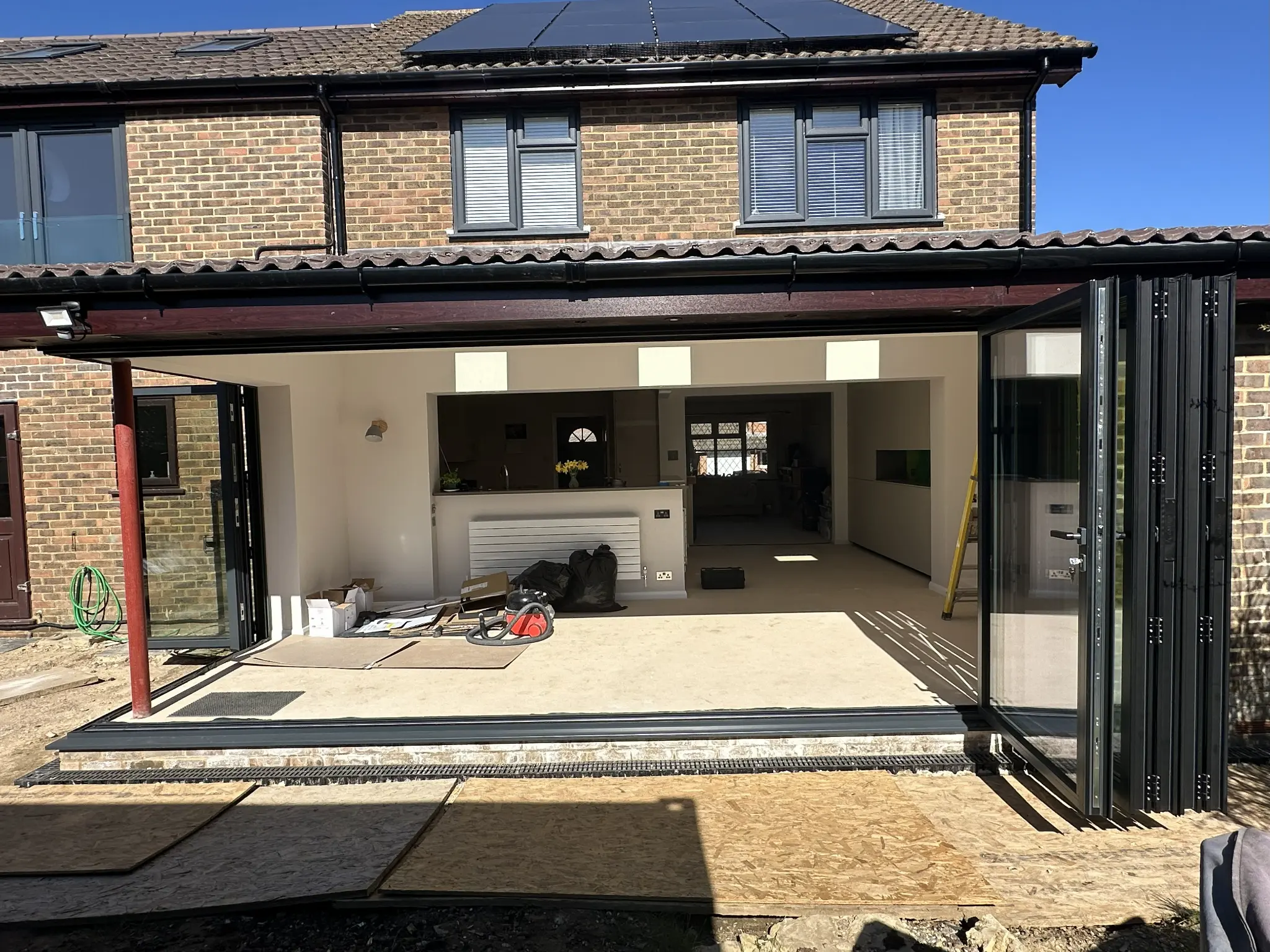
Comparing Glazing Options
Here's a comparison of typical U-values for different glazing types, keeping in mind that actual values can vary based on specific components and manufacturers:
| Glazing Type | Typical U-value (W/m²K) | Key Features | Considerations |
|---|---|---|---|
| Single Glazing | ~5.0 | Basic, minimal insulation | Rarely permitted in new builds/replacements due to poor efficiency. High heat loss. |
| Standard Double Glazing (Air-filled) | ~2.8 - 3.2 | Two panes, air gap | Outdated for modern energy efficiency standards. |
| Modern Double Glazing (Argon-filled, Low-E, Warm Edge) | ~1.0 - 1.4 | Two panes, argon gas, Low-E coating, warm edge spacer | Meets or exceeds current UK Building Regulations for replacement windows. Good balance of cost and performance. |
| Triple Glazing (Argon/Krypton-filled, Low-E, Warm Edge) | ~0.6 - 0.9 | Three panes, two gas-filled gaps, Low-E coatings, warm edge spacers | Superior thermal and acoustic insulation. Higher initial cost, heavier. Exceeds current UK Building Regulations. |
Benefits of Upgrading to Energy-Efficient Glazing
Investing in high-performance glazing offers a multitude of advantages for UK homeowners:
Reduced Energy Bills
By minimising heat loss in winter and heat gain in summer, energy-efficient glazing significantly lowers your reliance on heating and air conditioning, leading to substantial savings on your utility bills over time.
Enhanced Comfort
Say goodbye to cold spots and draughts near windows. Better insulation ensures a more consistent and comfortable temperature throughout your home, making living spaces more enjoyable year-round.
Improved Acoustic Performance
The multiple panes and gas-filled gaps in modern double and triple glazing are excellent at dampening external noise, creating a quieter and more peaceful indoor environment, especially beneficial in urban areas.
Increased Property Value
Homes with high energy efficiency ratings are increasingly attractive to buyers. Upgraded glazing can improve your property's Energy Performance Certificate (EPC) rating, adding value and market appeal.
Practical Considerations for Homeowners
Before embarking on a glazing upgrade, consider these practical aspects:
1. Cost vs. Benefit Analysis
While energy-efficient glazing represents an investment, calculate the potential long-term savings on energy bills. Consider the payback period and the added comfort and value it brings to your home.
2. Planning Permission and Conservation Areas
Most replacement window and door installations are considered 'permitted development' and do not require planning permission. However, if your property is in a Conservation Area, a Listed Building, or subject to an Article 4 Direction, you will likely need planning permission and may be restricted to specific materials or designs to maintain the character of the area or building. Always check with your local planning authority.
3. Installation Quality
Even the most advanced glazing will perform poorly if not installed correctly. Poor installation can lead to air leaks, condensation, and compromised thermal performance. Always choose an accredited and experienced installer. Look for certifications such as FENSA or CERTASS, which ensure compliance with Building Regulations and offer consumer protection.
4. Ventilation
Highly airtight homes, while energy-efficient, can sometimes suffer from reduced natural ventilation. Ensure your glazing choices allow for adequate ventilation, either through trickle vents integrated into the frames or by considering a whole-house ventilation system, especially in new builds or extensions. This is crucial for maintaining good indoor air quality and preventing condensation and mould growth.
5. Maintenance
Modern glazing units are generally low maintenance. However, regular cleaning and checking seals for wear and tear will prolong their lifespan and ensure continued performance.
In conclusion, energy-efficient glazing is a cornerstone of a comfortable, cost-effective, and sustainable home in the UK. By understanding U-values, adhering to Building Regulations, and choosing the right products and installer, homeowners can make informed decisions that will benefit them for decades to come.
At Shard AG, we specialise in providing high-performance architectural glazing solutions tailored to the unique needs of UK homes. Our extensive range of double and triple glazed windows and doors are designed to exceed current Building Regulations, offering exceptional thermal efficiency, security, and aesthetic appeal. We work with homeowners and architects to specify and install glazing that not only transforms your living spaces but also significantly contributes to your home's energy performance and long-term value. Contact us today to discuss how we can help you achieve your energy efficiency goals with our expert glazing solutions.
Explore Our Products
Discover how Shard Architectural Glazing can transform your home with our premium glazing solutions:
Ready to Transform Your Home?
Get in touch with our expert team for a free consultation and personalised quote. We'll help you choose the perfect glazing solution for your property.