Maximising Light & Efficiency: Glazing Tips for UK Home Extensions
Unlock the secrets to stunning, energy-efficient home extensions in the UK. Discover expert glazing tips, Building Regs insights, and design considerations.

Shard Architectural Glazing
17 April 2026
Unlock the secrets to stunning, energy-efficient home extensions in the UK. Discover expert glazing tips, Building Regs insights, and design considerations.
📋In This Article
Adding an extension to your home is an exciting project, offering the chance to create more space, enhance functionality, and significantly improve your living environment. While structural elements and internal layouts often take centre stage, the choice and design of your glazing are arguably among the most critical decisions you'll make. Glazing not only dictates the amount of natural light flooding into your new space but also plays a pivotal role in its thermal performance, security, and overall aesthetic appeal. For UK homeowners, understanding the nuances of modern glazing, particularly in the context of Building Regulations, is essential for a successful, comfortable, and energy-efficient extension.
This comprehensive guide will delve into the key aspects of glazing for home extensions, providing practical advice, technical insights, and an overview of relevant UK standards. Our aim is to empower you to make informed choices that will transform your extension into a bright, warm, and inviting part of your home.
Understanding UK Building Regulations for Glazing
Before embarking on any extension project, it's crucial to understand the legal framework governing construction in the UK. Building Regulations are a set of standards designed to ensure the health, safety, welfare, and convenience of people in and around buildings, as well as promoting energy efficiency. For glazing in extensions, Part L (Conservation of Fuel and Power) is particularly relevant.
The 2022 update to Part L of the Building Regulations for England brought more stringent requirements for thermal performance. This means that windows, doors, and other glazed elements in new extensions must meet specific U-value targets. The U-value measures how effectively a material insulates; a lower U-value indicates better insulation and less heat loss.
- New Build & Extensions (Windows/Doors): The maximum permissible U-value is 1.2 W/m²K. This applies to all new glazed openings in an extension.
- Replacement Windows/Doors (existing parts of the house): The maximum permissible U-value is 1.4 W/m²K.
It's important to note that while individual components must meet these standards, the overall thermal performance of the extension is also assessed. This can sometimes allow for a slightly lower performing element if compensated by higher performing elements elsewhere in the building envelope (e.g., very high-performance walls or roof). However, aiming for the best possible U-values for your glazing is always advisable for long-term energy efficiency and comfort.
Beyond thermal performance, other parts of the Building Regulations may apply, including:
- Part F (Ventilation): Ensuring adequate ventilation to prevent condensation and maintain air quality.
- Part K (Protection from falling, collision and impact): Requiring safety glazing in critical locations (e.g., large panes near doors, low-level glazing) to prevent injury from breakage.
- Part B (Fire Safety): Considerations for escape routes and fire resistance, particularly for larger glazed areas or specific extension types.
Pro Tip
Always consult with your local Building Control body or an approved independent inspector early in your project. They can provide specific guidance tailored to your extension plans and ensure full compliance, helping you avoid costly rework or delays.
Types of Glazing for Extensions: Options and Considerations
The variety of glazing products available today is vast, each offering distinct advantages and aesthetic possibilities. Choosing the right type depends on your design goals, budget, and performance requirements.
1. Standard Windows and Doors
- Casement Windows: The most common type, offering excellent ventilation and security.
- Sash Windows: Often chosen for period properties, providing a classic aesthetic.
- Tilt & Turn Windows: Versatile, allowing for inward tilting for ventilation or full inward opening for cleaning.
- French Doors: A classic choice for garden access, offering a wide opening.
- Sliding Patio Doors: Ideal for maximising glass area and saving space as they don't swing open.
2. Large Format Glazing
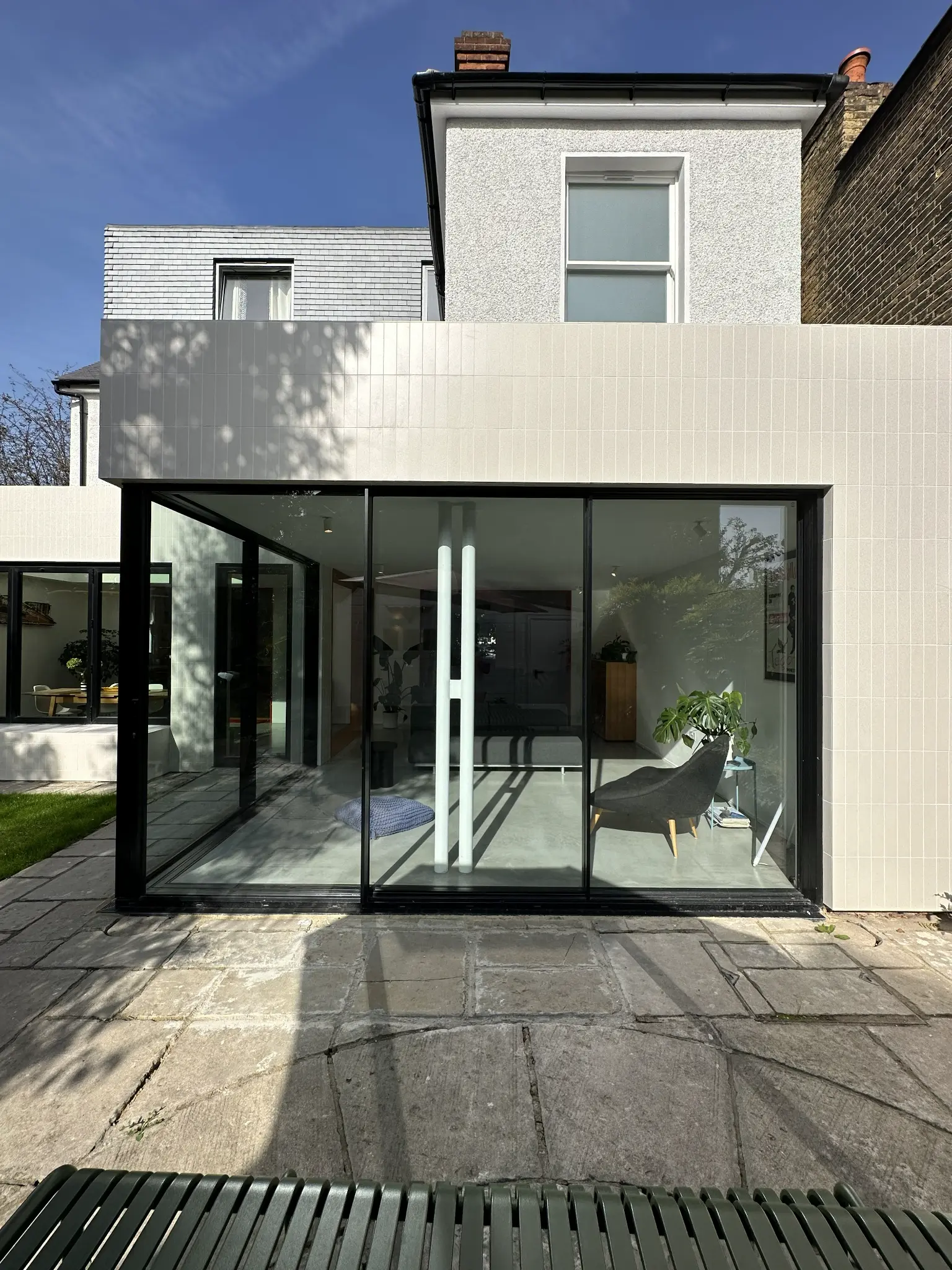
Modern extensions often feature expansive glazed areas to create a seamless connection with the outdoors and flood interiors with light.
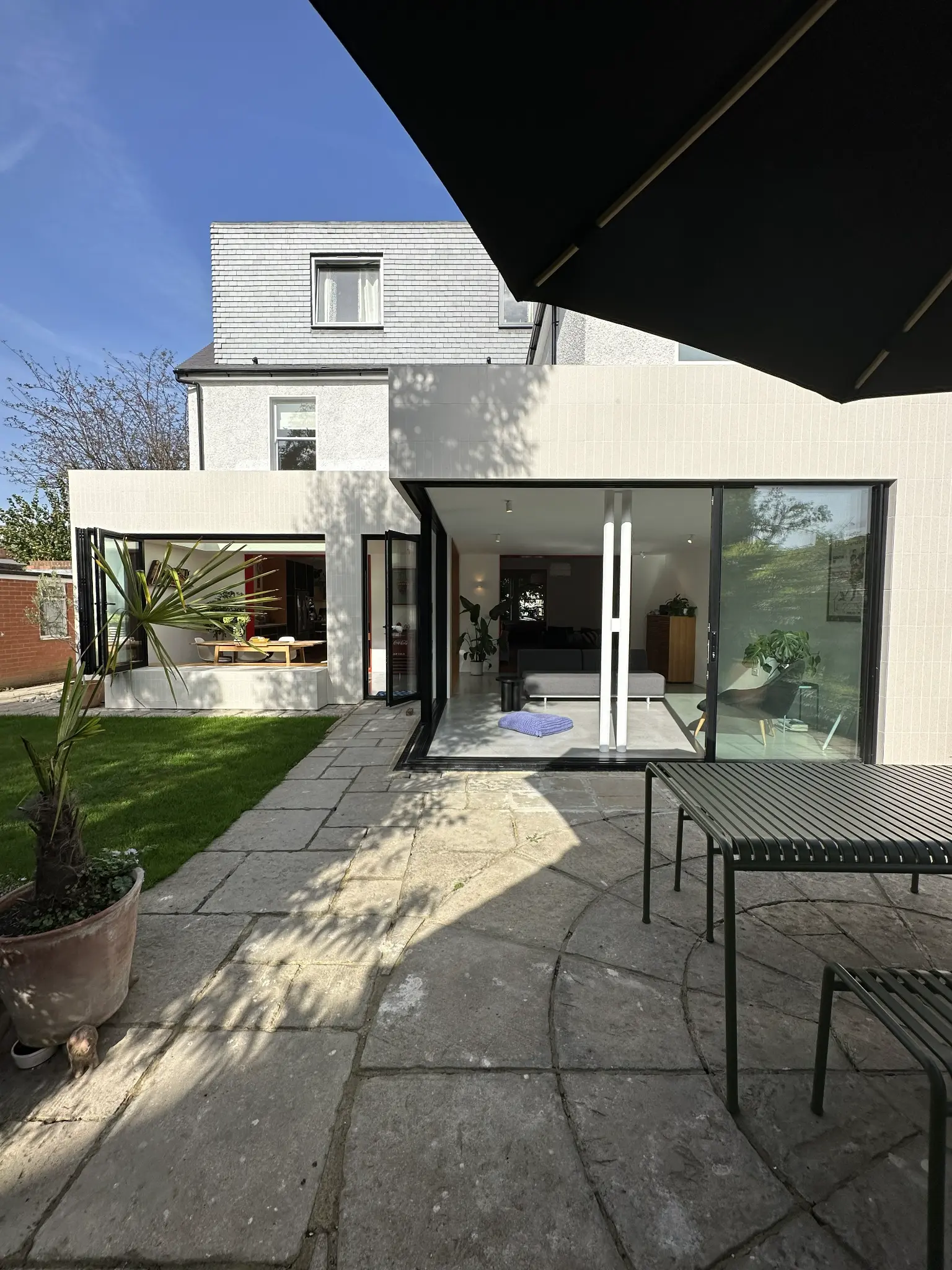
- Bi-Fold Doors: These doors fold back concertina-style, creating a virtually unobstructed opening between your extension and garden. They are incredibly popular for their ability to merge indoor and outdoor living spaces.
- Sliding Doors (Lift & Slide / Inline): Offering larger individual panes than bi-folds, sliding doors provide uninterrupted views. Lift & slide systems are particularly robust and offer excellent thermal performance and smooth operation for very large panels.
- Picture Windows: Fixed panes of glass designed purely for views and light, without opening mechanisms. They are excellent for framing a particular vista.
3. Roof Glazing
Introducing light from above can dramatically transform an extension, especially for north-facing rooms or those overlooked by neighbouring properties.
- Rooflights/Skylights: Individual windows installed within the roof structure. Available in various sizes and opening mechanisms (manual, electric, solar-powered).
- Lantern Roofs: A raised, glazed structure forming a pyramid or rectangular shape on a flat roof. They create a dramatic architectural feature and allow a huge amount of light to penetrate deep into the room.
- Walk-on Glass: Specialised toughened and laminated glass units designed to be walked over, often used to bring light into basements or ground-floor rooms from an external patio or balcony.
4. Specialist Glazing
- Curved Glass: For unique architectural statements, curved glass can create stunning, fluid forms.
- Structural Glazing: Where glass forms part of the building's structure, often with minimal framing, creating a 'glass box' effect. This requires expert design and installation.
- Privacy Glass: Smart glass that can switch from transparent to opaque at the flick of a switch, or frosted/patterned glass for areas requiring discretion.
Key Considerations for Glazing Selection
Choosing the right glazing involves balancing several factors:
1. Thermal Performance and Energy Efficiency
As discussed, meeting Building Regulations is a minimum. For optimal comfort and lower energy bills, consider:
- Double Glazing vs. Triple Glazing: While double glazing is standard, triple glazing offers superior thermal performance, often achieving U-values as low as 0.8 W/m²K. This is particularly beneficial for large glazed areas or north-facing extensions.
- Low-Emissivity (Low-E) Coatings: A microscopic metallic coating applied to one of the glass panes that reflects heat back into the room, reducing heat loss without significantly impacting light transmission.
- Warm Edge Spacers: These separate the glass panes and are made from low-conductivity materials (e.g., composite plastic) to reduce heat transfer at the edge of the unit, preventing cold spots and condensation.
- Inert Gas Fills: Argon or Krypton gas between the panes is denser than air and further reduces heat transfer.
2. Security
Glazed areas can be vulnerable points if not properly secured. Look for:
- Multi-point Locking Systems: Essential for all windows and doors.
- Toughened or Laminated Glass: More resistant to impact. Laminated glass also holds together if shattered, preventing a large opening.
- PAS 24 Certification: This is a UK standard for enhanced security performance of doors and windows. Products certified to PAS 24 have undergone rigorous testing against common attack methods.
3. Solar Gain and Overheating
While natural light is desirable, excessive solar gain (heat from the sun) can lead to overheating, especially in south or west-facing extensions with large glazed areas. Strategies to mitigate this include:
- Solar Control Glass: Special coatings that reflect a portion of the sun's heat while still allowing light through.
- External Shading: Overhangs, brise soleil, or external blinds can effectively block direct sunlight during peak hours.
- Ventilation: Cross-ventilation or trickle vents can help dissipate heat.
4. Acoustic Performance
If your property is in a noisy area, consider acoustic glazing, which uses thicker glass, laminated panes, or wider gaps between panes to reduce sound transmission.
5. Frame Materials
The frame material significantly impacts performance, aesthetics, and maintenance.
- uPVC: Cost-effective, low maintenance, and good thermal performance. Available in various colours and finishes.
- Aluminium: Strong, durable, and allows for very slim frames and large glazed areas. Excellent thermal performance with modern thermal breaks. Often chosen for contemporary designs.
- Timber: Natural aesthetic, excellent insulation properties, but requires more maintenance (painting/staining).
- Composite (e.g., Aluminium-Clad Timber): Combines the warmth of timber internally with the low maintenance and durability of aluminium externally.
Design and Placement Strategies
Thoughtful design and placement of glazing can maximise its benefits and address potential drawbacks.
- Maximise South-Facing Glazing (with solar control): To capture winter sun and reduce heating costs, but ensure solar control measures are in place to prevent summer overheating.
- Consider North-Facing Glazing for Consistent Light: North-facing windows provide consistent, diffused light, ideal for studios or offices, without the risk of overheating. Ensure excellent thermal performance.
- Create Visual Connections: Position windows and doors to frame desirable views of your garden or landscape, enhancing the sense of space and bringing the outdoors in.
- Balance Glazed and Solid Walls: While large glazed areas are appealing, a balance with solid, well-insulated walls is crucial for thermal efficiency, structural integrity, and providing spaces for furniture and artwork.
- Consider Privacy: Think about how your glazing choices might impact privacy, especially if your extension is overlooked. Options like frosted glass, strategically placed windows, or integrated blinds can help.
Enhanced Natural Light
Floods your extension with daylight, reducing reliance on artificial lighting and creating a brighter, more inviting atmosphere.
Improved Energy Efficiency
Modern high-performance glazing significantly reduces heat loss, leading to lower energy bills and a more comfortable indoor temperature year-round.
Seamless Indoor-Outdoor Living
Large format doors and windows create a strong visual and physical connection to your garden, expanding your living space.
Increased Property Value
A well-designed, light-filled extension with high-quality glazing is a significant asset that enhances your home's appeal and market value.
Glazing Comparison Table
Here's a quick comparison of common glazing types and their characteristics:
| Glazing Type | Typical U-value (W/m²K) | Key Advantages | Key Considerations |
|---|---|---|---|
| Standard Double Glazing (Low-E, Argon) | 1.2 - 1.4 | Meets Building Regs (replacement), cost-effective, good balance of performance. | May not be optimal for very large glazed areas in new extensions. |
| Triple Glazing (Low-E, Argon/Krypton) | 0.8 - 1.0 | Superior thermal performance, excellent sound insulation, very low heat loss. | Higher cost, heavier frames, slightly reduced light transmission. |
| Bi-Fold Doors (Aluminium) | 1.2 - 1.6 (overall) | Creates large open space, modern aesthetic, good light. | Higher cost, requires structural support, can be prone to solar gain if not specified correctly. |
| Sliding Doors (Aluminium) | 1.0 - 1.4 (overall) | Large uninterrupted glass panes, smooth operation, space-saving. | Can be very heavy, requires robust frame, less open space than bi-folds. |
| Rooflights / Skylights | 1.0 - 1.4 | Excellent for overhead light, can be opened for ventilation. | Risk of solar gain, potential for glare, cleaning can be challenging. |
| Lantern Roofs | 1.2 - 1.6 (overall) | Dramatic architectural feature, floods room with light, high aesthetic impact. | Higher cost, requires structural planning, potential for significant solar gain. |
Installation and Maintenance
Even the highest quality glazing will underperform if not installed correctly. Always use reputable, experienced installers who are FENSA or CERTASS registered. These schemes ensure that installations comply with Building Regulations and provide consumer protection.
Maintenance requirements vary by frame material:
- uPVC: Generally low maintenance, requiring only occasional cleaning with soapy water.
- Aluminium: Very low maintenance, similar to uPVC.
- Timber: Requires regular inspection and re-treatment (painting or staining) every few years to protect against weathering.
Regardless of frame type, regular cleaning of the glass will maintain clarity and maximise light transmission. Check seals and drainage holes periodically to ensure they are clear and functioning correctly.
Conclusion
Glazing is far more than just a functional element in your home extension; it's a fundamental design component that shapes the character, comfort, and efficiency of your new space. By carefully considering the types of glazing available, understanding the requirements of UK Building Regulations, and balancing aesthetic desires with practical performance, you can create an extension that is not only visually stunning but also a joy to live in for years to come.
Remember, the right choices now will pay dividends in terms of energy savings, comfort, and the overall value of your home. Don't hesitate to seek expert advice from architects, builders, and glazing specialists to ensure your vision becomes a compliant and beautiful reality.
If you're planning a home extension in the UK and need expert advice on high-performance glazing solutions, Shard AG offers a comprehensive range of bespoke windows, doors, and roof glazing designed to meet the latest Building Regulations and enhance your home's aesthetic and energy efficiency. Our team is dedicated to helping homeowners achieve their dream extensions with quality, precision, and reliable service.
Explore Our Products
Discover how Shard Architectural Glazing can transform your home with our premium glazing solutions:
Ready to Transform Your Home?
Get in touch with our expert team for a free consultation and personalised quote. We'll help you choose the perfect glazing solution for your property.