
Maximising Light & Efficiency: Glazing Tips for UK Home Extensions
Discover expert glazing tips for your UK home extension. Learn about Building Regulations, U-values, material choices, and design considerations for a bright, efficient space.

Shard Architectural Glazing
10 May 2026
Discover expert glazing tips for your UK home extension. Learn about Building Regulations, U-values, material choices, and design considerations for a bright, efficient space.
📋In This Article
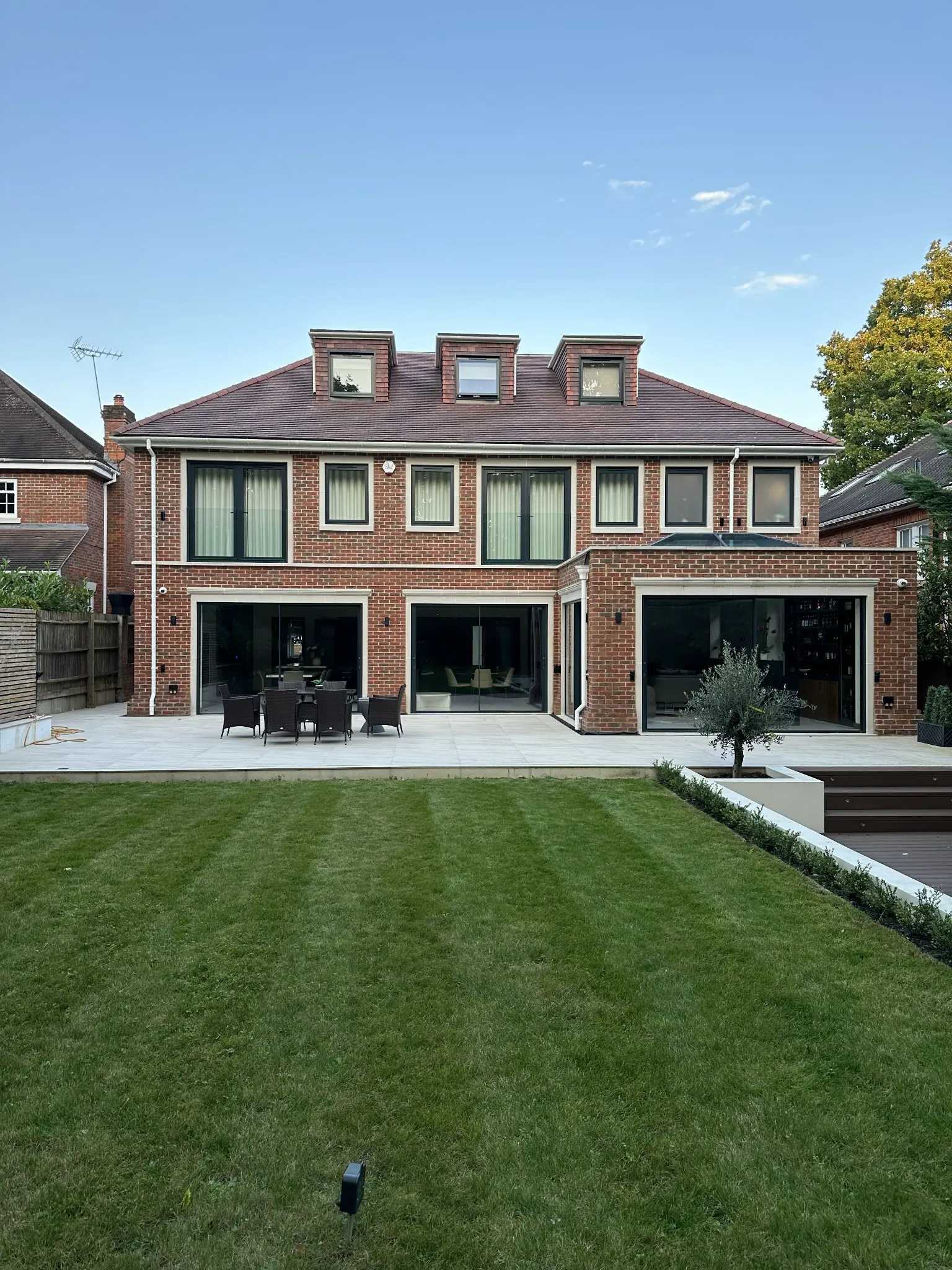
Embarking on a home extension project is an exciting venture, offering the opportunity to expand your living space, enhance natural light, and improve your home's overall aesthetic and functionality. A critical element in any extension design, particularly in the UK, is the glazing strategy. The right windows, doors, and rooflights can transform a space, but getting it wrong can lead to issues with thermal efficiency, comfort, and compliance with Building Regulations.
This guide delves into the essential considerations for glazing your home extension, providing practical advice, technical insights, and an understanding of the standards you need to meet.
Understanding UK Building Regulations for Glazing
In the UK, all new extensions, including their glazing elements, must comply with current Building Regulations. The most pertinent part for glazing is Part L (Conservation of Fuel and Power), which dictates thermal performance standards to ensure energy efficiency. These regulations were updated in June 2022 (for England) and are crucial for obtaining Building Control approval.
Key Thermal Performance Metrics: U-Values
The primary metric for measuring thermal performance is the U-value, expressed in Watts per square metre Kelvin (W/m²K). A lower U-value indicates better insulation and less heat loss. For home extensions, the glazing must meet specific minimum standards:
- New Build & Extension Windows/Doors: A maximum U-value of 1.2 W/m²K.
- Replacement Windows/Doors (e.g., if you're replacing existing glazing as part of the extension): A maximum U-value of 1.4 W/m²K.
It's important to note that while these are the minimum requirements, aiming for even lower U-values can significantly improve your extension's energy efficiency and long-term running costs. Your entire extension, as a 'new thermal element', will also be assessed for its overall heat loss, including walls, floors, and roofs. For context, the 2022 Part L U-value requirements for other elements are:
- Walls: 0.18 W/m²K
- Floors: 0.18 W/m²K
- Roofs: 0.15 W/m²K
Pro Tip
Always consult with your architect, builder, or a Building Control officer early in the design process. They can provide specific advice tailored to your project and ensure your glazing choices will comply with all relevant regulations, avoiding costly reworks later on.
Choosing the Right Glazing Type for Your Extension
The type of glazing you select will have a profound impact on the aesthetics, functionality, and thermal performance of your extension. Consider the following popular options:
1. Double Glazing vs. Triple Glazing
- Double Glazing: The standard for most new builds and extensions, featuring two panes of glass separated by a sealed gap filled with an inert gas (like argon). It offers good thermal performance and sound insulation.
- Triple Glazing: Comprises three panes of glass with two gas-filled gaps. It provides superior thermal efficiency (lower U-values, often below 1.0 W/m²K) and enhanced soundproofing. While more expensive and heavier, it can be a worthwhile investment for north-facing extensions or properties in noisy areas.
2. Glazing Materials and Frame Options
The frame material plays a significant role in both the appearance and thermal performance of your glazing units.
- uPVC: Cost-effective, low maintenance, and offers good thermal performance. Available in various colours and finishes.
- Aluminium: Strong, durable, and allows for very slim frames, maximising glass area. Excellent for contemporary designs and large expanses of glass. Its thermal performance has improved significantly with modern thermal breaks.
- Timber: Aesthetically pleasing, particularly for traditional or rustic homes. Offers good natural insulation but requires more maintenance than uPVC or aluminium.
- Composite (Timber-Aluminium): Combines the best of both worlds – timber internally for warmth and aesthetics, and aluminium externally for durability and low maintenance.
Design Considerations for Extension Glazing
Beyond technical specifications, the design and placement of your glazing are crucial for creating a comfortable and visually appealing extension.
Natural Light and Solar Gain
Maximising natural light is often a key driver for extensions. Consider the orientation of your extension:
- South-facing: Will benefit from ample natural light but can be prone to overheating (solar gain) in summer. Consider glazing with solar control coatings or external shading solutions.
- North-facing: Less prone to overheating but will receive less direct sunlight. Prioritise high-performance glazing (low U-values) to minimise heat loss.
- East/West-facing: Can experience strong morning or afternoon sun. Adjustable shading can be beneficial.
Privacy and Security
Think about how your glazing choices impact privacy, especially if your extension overlooks neighbours or a public area. Options include:
- Obscure or frosted glass: For bathrooms or areas requiring constant privacy.
- Integrated blinds: Offer flexible privacy and shading.
- Strategic placement: Positioning windows to maintain privacy without sacrificing light.
Security is paramount. Ensure all glazing units, especially large doors and ground-floor windows, feature multi-point locking systems and toughened or laminated glass where appropriate. Look for accreditations such as PAS 24 for enhanced security.
Ventilation
Adequate ventilation is essential for indoor air quality and preventing condensation. Ensure your glazing design incorporates openable elements, such as:
- Top-hung or side-hung windows: For traditional ventilation.
- Tilt-and-turn windows: Offer versatile ventilation options.
- Sliding or bi-fold doors: Can open up large sections for significant airflow.
Consider trickle vents, which are small, controllable openings that provide continuous background ventilation, often a requirement under Building Regulations.

Popular Glazing Options for Extensions
Here's a look at some popular glazing choices that can enhance your extension:
1. Bi-fold Doors
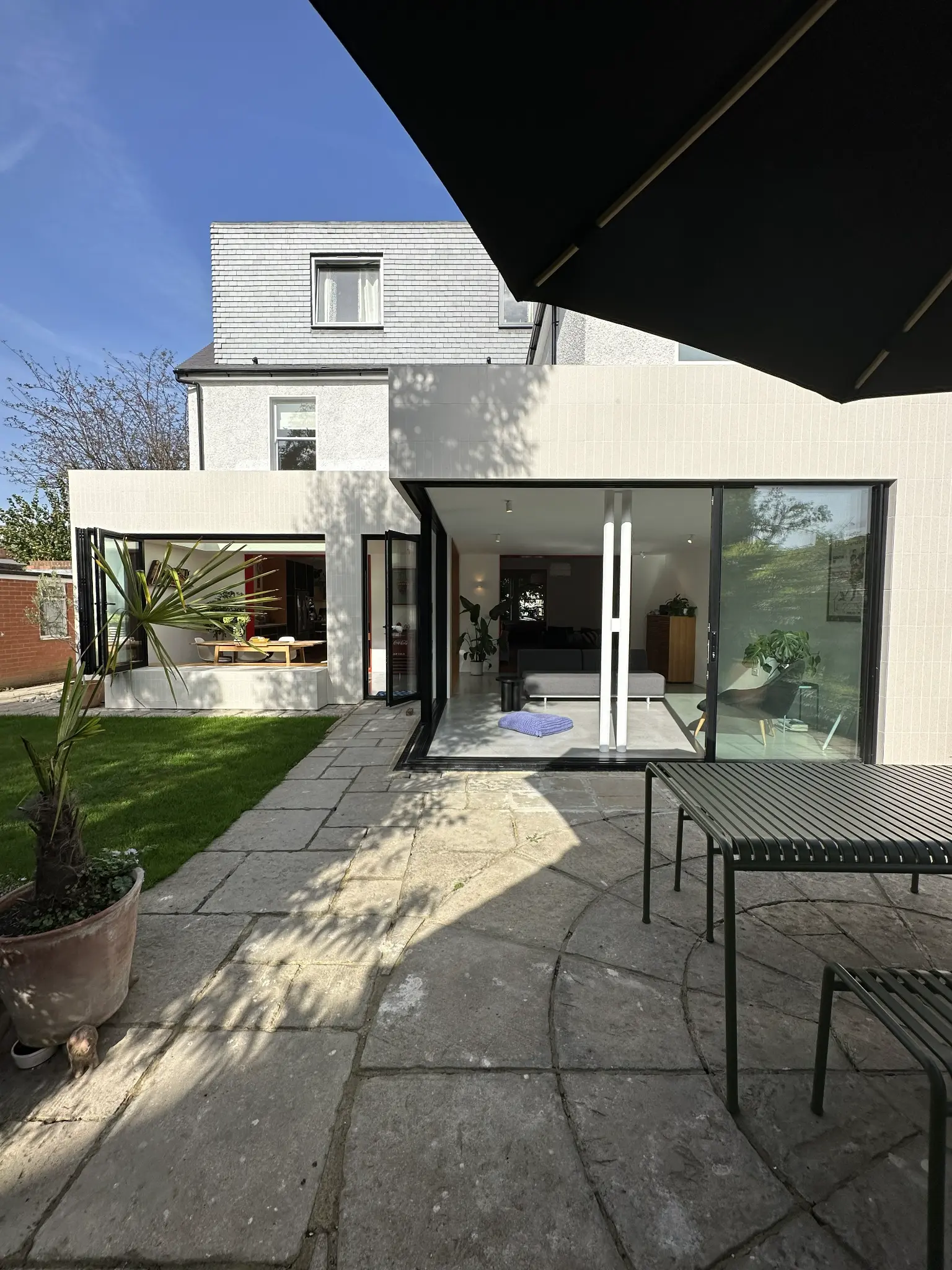
These create a seamless transition between your indoor and outdoor spaces, folding back to open up an entire wall. Ideal for connecting to gardens or patios, they offer impressive light and ventilation.
2. Sliding Doors (Patio Doors)
A classic choice, sliding doors offer large glass panels and don't require space for opening inwards or outwards, making them suitable for smaller areas. Modern designs feature slim frames and excellent thermal performance.
3. Rooflights and Lanterns
Essential for single-storey extensions or areas deep within the floor plan, rooflights (flat or pitched) and roof lanterns flood the space with overhead natural light, creating a bright, airy feel. Ensure they meet the 1.2 W/m²K U-value requirement.
4. Picture Windows
Large, fixed panes of glass designed to offer uninterrupted views and maximise light. While they don't open, they can be combined with smaller openable windows for ventilation. Their simplicity often allows for very low U-values.
Glazing Comparison Table
To help you weigh your options, here's a comparison of common glazing types:
| Glazing Type | Key Benefits | Considerations | Typical U-value (W/m²K) |
|---|---|---|---|
| Double Glazing | Cost-effective, good thermal/acoustic performance, widely available. | Standard performance, may not be sufficient for extreme conditions. | 1.2 - 1.4 |
| Triple Glazing | Superior thermal/acoustic performance, very low U-values. | Higher cost, heavier frames, can reduce light transmission slightly. | 0.8 - 1.0 |
| Bi-fold Doors | Seamless indoor-outdoor connection, large openings, excellent light. | Requires space for stacking, can be expensive, security considerations. | 1.2 - 1.6 (depending on frame) |
| Sliding Doors | Large glass areas, space-saving, good views, modern aesthetic. | Limited opening width compared to bi-folds, can be heavy. | 1.2 - 1.4 |
| Rooflights/Lanterns | Overhead light, brightens deep plans, architectural feature. | Potential for solar gain, cleaning access, condensation risk if poorly installed. | 1.2 - 1.4 (for the unit) |
The Benefits of Expertly Chosen Glazing
Enhanced Thermal Efficiency
High-performance glazing significantly reduces heat loss, keeping your extension warm in winter and cool in summer, leading to lower energy bills and a more comfortable living environment.
Abundant Natural Light
Thoughtfully designed glazing floods your new space with natural light, reducing the need for artificial lighting, improving mood, and making the area feel larger and more inviting.
Improved Aesthetic Appeal
Modern glazing options, with their sleek frames and expansive glass, can dramatically enhance the visual appeal of your extension, creating a contemporary, stylish look that seamlessly integrates with your home.
Increased Property Value
A well-designed, energy-efficient extension with quality glazing is a significant asset, making your home more attractive to potential buyers and increasing its market value.
Conclusion and Next Steps
Glazing for your home extension is far more than just choosing windows. It's about balancing aesthetics, performance, budget, and compliance with strict UK Building Regulations. By understanding U-values, considering frame materials, and thinking strategically about design, you can create an extension that is not only beautiful but also energy-efficient, comfortable, and a joy to live in.
Always engage with experienced professionals, including architects and reputable glazing suppliers, to ensure your project meets all requirements and achieves your vision. They can guide you through the complexities, helping you make informed decisions that will benefit your home for years to come.
If you're planning a home extension in the UK and need expert advice on glazing solutions that combine cutting-edge design with exceptional thermal performance, consider reaching out to specialists like Shard AG. We provide a comprehensive range of high-quality glazing products tailored to meet the specific demands of modern extensions, ensuring compliance with UK Building Regulations and delivering outstanding results for your home.
Explore Our Products
Discover how Shard Architectural Glazing can transform your home with our premium glazing solutions:
Ready to Transform Your Home?
Get in touch with our expert team for a free consultation and personalised quote. We'll help you choose the perfect glazing solution for your property.