
Maximising Light & Efficiency: Glazing Tips for UK Home Extensions
Discover essential glazing tips for your UK home extension. Learn about Building Regulations, U-values, material choices, and design considerations for optimal light and energy efficiency.

Shard Architectural Glazing
17 May 2026
Discover essential glazing tips for your UK home extension. Learn about Building Regulations, U-values, material choices, and design considerations for optimal light and energy efficiency.
📋In This Article
Extending your home is an exciting project, offering the chance to create more space, enhance functionality, and add significant value. While the structural elements often take centre stage, the choice and design of glazing are equally, if not more, critical. Glazing – encompassing windows, doors, and rooflights – profoundly impacts your extension's natural light, thermal performance, aesthetic appeal, and overall comfort. For UK homeowners, understanding the nuances of glazing, particularly in the context of our climate and stringent Building Regulations, is paramount.
This comprehensive guide will walk you through the key considerations for glazing in your home extension, from technical specifications like U-values to design choices and compliance with UK standards. Our aim is to equip you with the knowledge needed to make informed decisions, ensuring your new space is not only beautiful but also energy-efficient and compliant.
Understanding UK Building Regulations for Glazing
Compliance with Building Regulations is non-negotiable for any home extension in the UK. These regulations ensure that new constructions meet minimum standards for safety, health, welfare, and energy efficiency. For glazing, Part L (Conservation of Fuel and Power) is particularly relevant, setting strict requirements for thermal performance.
Part L (2022 England) and U-Values Explained
The updated Building Regulations Part L (2022 England) introduced more ambitious targets for energy efficiency. A key metric here is the U-value, which measures how effectively a component (like a window or door) prevents heat from escaping. The lower the U-value, the better the thermal insulation.
- New Build & Extensions (Walls): 0.18 W/m²K
- New Build & Extensions (Floors): 0.18 W/m²K
- New Build & Extensions (Roofs): 0.15 W/m²K
- Windows/Doors (New Build): 1.2 W/m²K
- Windows/Doors (Replacement): 1.4 W/m²K
For extensions, your glazing must typically meet the 1.2 W/m²K U-value for new build windows and doors. However, it's crucial to understand the 'whole dwelling' or 'whole extension' approach. While individual elements must meet these standards, the overall energy performance of the extension (or the entire dwelling, if assessed that way) is what Building Control will ultimately verify. This means that if you have a particularly large area of glazing, you might need to compensate with even better insulated walls, floors, or roofs elsewhere in the extension to achieve overall compliance.
Pro Tip
Always consult with your architect, builder, or a Building Control officer early in the design process. They can provide specific guidance on how your chosen glazing will impact your extension's overall energy performance and ensure full compliance with the latest regulations.
Ventilation Requirements
Part F (Ventilation) also plays a role. New windows in extensions typically require trickle vents to ensure adequate background ventilation, preventing condensation and maintaining good indoor air quality. While some homeowners dislike their appearance, they are often a mandatory requirement. Discuss integrated solutions with your glazing supplier.
Choosing the Right Glazing Type and Materials
The market offers a vast array of glazing options, each with its own characteristics, benefits, and considerations. Your choice will depend on your budget, aesthetic preferences, and performance requirements.
Glass Specifications: Double vs. Triple Glazing
- Double Glazing: The standard for modern homes, comprising two panes of glass separated by a sealed gap filled with an inert gas (usually argon). This significantly improves thermal performance compared to single glazing. Most modern double-glazed units easily meet the 1.2 W/m²K U-value requirement.
- Triple Glazing: Features three panes of glass with two sealed gas-filled gaps. This offers superior thermal insulation, achieving U-values as low as 0.8 W/m²K or even lower. While more expensive and heavier, triple glazing can be an excellent choice for north-facing extensions, properties in exposed locations, or for homeowners aiming for Passivhaus standards or simply desiring the highest possible energy efficiency and sound insulation.
Frame Materials: Balancing Aesthetics and Performance
The frame material is as important as the glass itself, influencing both U-value and durability:
- uPVC (Unplasticised Polyvinyl Chloride): A popular, cost-effective choice known for its excellent thermal performance, low maintenance, and durability. Available in various colours and finishes, though aesthetic options might be more limited than other materials.
- Aluminium: Offers sleek, slim sightlines, allowing for larger glass areas and a contemporary aesthetic. Aluminium is strong, durable, and low maintenance. While traditionally less thermally efficient, modern aluminium frames incorporate thermal breaks to achieve excellent U-values, often matching or exceeding uPVC.
- Timber: Provides a natural, warm aesthetic, often favoured for period properties or specific architectural styles. Timber frames offer good thermal performance, especially engineered timber, but require more maintenance (painting/staining) than uPVC or aluminium.
- Composite (e.g., Alu-clad timber): Combines the best of both worlds – timber internally for warmth and aesthetics, with an external aluminium cladding for weather resistance and minimal maintenance. An excellent premium option offering superb performance and longevity.
Design Considerations for Optimal Light and Space
Beyond technical specifications, how you design and place your glazing will define the character and functionality of your extension.
Maximising Natural Light
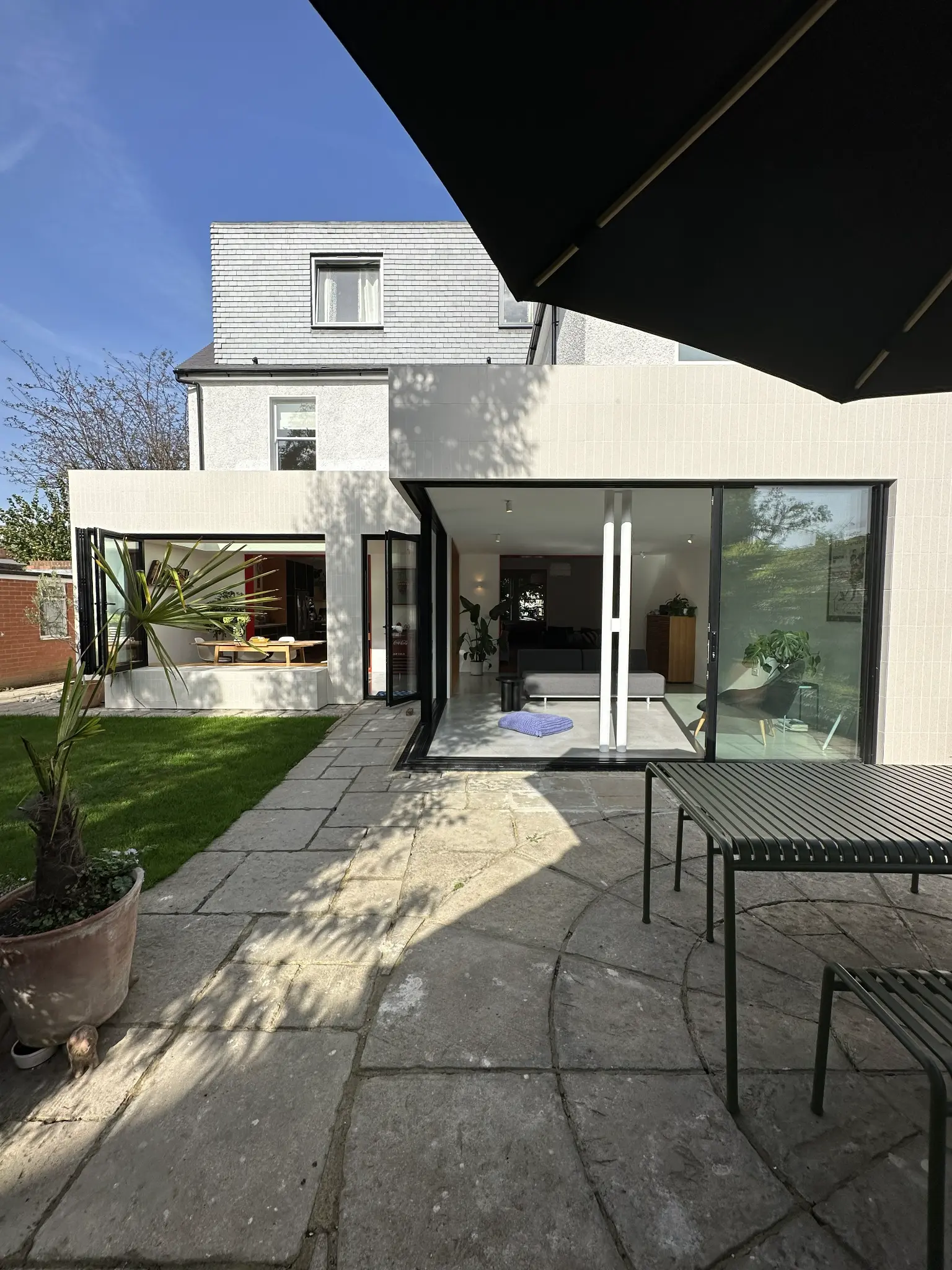
- Large Glazed Doors: Bifold, sliding (patio), or French doors are fantastic for opening up an extension to the garden, blurring the lines between indoor and outdoor spaces. Sliding doors often allow for larger individual panes of glass, offering less obstructed views than bifolds when closed.
- Rooflights and Lanterns: Essential for bringing light deep into an extension, especially if it's overshadowed by the existing house or adjacent buildings. Flat rooflights, pyramid lanterns, or bespoke glazed roofs can transform a dark space into a bright, airy environment. Ensure they are correctly specified for thermal performance and solar gain control.
- Picture Windows: Large, fixed panes of glass that frame a view, offering maximum light and an uninterrupted vista without the need for opening functionality.
- Corner Glazing: Creates a striking architectural feature, allowing light from two directions and providing panoramic views. Requires careful structural planning.
Solar Gain and Overheating
While maximising light is desirable, too much glazing, especially on south or west-facing elevations, can lead to excessive solar gain (overheating) in summer. This can be mitigated through:
- Solar Control Glass: Special coatings on the glass reflect a portion of the sun's heat, reducing heat build-up without significantly impacting light transmission.
- External Shading: Overhangs, brise soleil, or external blinds can effectively block direct sunlight during peak hours.
- Ventilation: Cross-ventilation strategies and adequate opening windows/doors help dissipate heat.
Privacy and Security
Consider the privacy needs of your extension. Obscure or frosted glass can be used in specific areas (e.g., bathrooms, utility rooms). For security, ensure all glazing meets relevant British Standards (e.g., PAS 24 for enhanced security) and features multi-point locking mechanisms.
Technical Specifications and Performance Comparison
Here's a comparison of common glazing types and their typical performance metrics. Remember that specific values can vary between manufacturers.
| Feature | Double Glazing (Standard) | Triple Glazing (High Performance) | Modern Aluminium Frame | Modern uPVC Frame |
|---|---|---|---|---|
| U-value (W/m²K) | 1.2 - 1.4 (whole window) | 0.8 - 1.0 (whole window) | 1.2 - 1.4 (whole window) | 1.2 - 1.4 (whole window) |
| Sound Insulation (dB) | 30-35 | 35-40+ | Good, depends on glass | Good, depends on glass |
| Cost | Standard | Higher (+20-40%) | Mid-High | Low-Mid |
| Sightlines | Medium | Medium (thicker frames) | Slim | Medium-Thick |
| Maintenance | Low | Low | Very Low | Very Low |
| Weight | Standard | Heavier | Light-Medium | Light-Medium |
Benefits of Well-Chosen Glazing
Investing in high-quality, well-designed glazing for your extension offers a multitude of advantages that extend far beyond aesthetics.
Enhanced Energy Efficiency
Minimises heat loss in winter and reduces solar gain in summer, leading to lower energy bills and a more comfortable indoor climate year-round. Compliance with Part L is a given.
Abundant Natural Light
Transforms dark spaces into bright, inviting areas, reducing the reliance on artificial lighting and positively impacting mood and wellbeing.
Increased Property Value
A well-lit, energy-efficient extension with modern, high-performance glazing is a significant selling point, adding tangible value to your home.
Improved Comfort & Aesthetics
Reduces draughts, cold spots, and external noise, creating a more pleasant living environment. Aesthetically, it can dramatically enhance the architectural appeal of your home.
Final Considerations and Expert Advice
Before committing to any glazing choices, take these final points into account:
- Budget Allocation: Glazing can be a significant portion of an extension's budget. Prioritise areas where performance and aesthetics are most critical, and balance cost with long-term energy savings.
- Acoustic Performance: If your extension is near a busy road or noisy area, consider specialist acoustic glazing to minimise sound transmission. Triple glazing or laminated glass can offer superior sound reduction.
- Maintenance: While most modern glazing is low maintenance, consider accessibility for cleaning, especially for large or high-level rooflights. Self-cleaning glass is an option for hard-to-reach areas.
- Installation Quality: Even the best glazing will underperform if poorly installed. Ensure you work with reputable, experienced installers who are FENSA or CERTASS registered for window and door installations, as this guarantees compliance with Building Regulations and offers consumer protection.
- Consult Professionals: Engage with architects, structural engineers, and reputable glazing specialists early in your project. Their expertise is invaluable in navigating complex regulations, optimising design, and ensuring the longevity and performance of your extension's glazing.
Making informed decisions about your extension's glazing is a critical step towards creating a comfortable, efficient, and beautiful new living space. By understanding the technical requirements, exploring material options, and considering design implications, you can ensure your investment pays dividends for years to come.
At Shard AG, we specialise in high-performance architectural glazing solutions for UK home extensions. Our team of experts can guide you through every step of the process, from initial design consultation to professional installation, ensuring your project meets both your aesthetic aspirations and the latest Building Regulations. Contact us today to discuss your extension glazing needs.
Explore Our Products
Discover how Shard Architectural Glazing can transform your home with our premium glazing solutions:
Ready to Transform Your Home?
Get in touch with our expert team for a free consultation and personalised quote. We'll help you choose the perfect glazing solution for your property.