Maximising Light & Efficiency: Glazing Tips for Your UK Home Extension
Discover expert glazing tips for your UK home extension. Learn about Building Regulations, U-values, glass types, and design considerations for a bright, energy-efficient space.

Shard Architectural Glazing
9 February 2026
Discover expert glazing tips for your UK home extension. Learn about Building Regulations, U-values, glass types, and design considerations for a bright, energy-efficient space.
📋In This Article
Extending your home is an exciting project, offering the chance to create new, vibrant living spaces tailored to your needs. A critical element in any extension design, and one that significantly impacts both aesthetics and performance, is glazing. Far more than just a window or door, modern glazing solutions can transform a space, flooding it with natural light, enhancing views, and playing a vital role in your home's energy efficiency. For UK homeowners, understanding the nuances of glazing, from technical specifications to Building Regulations, is key to a successful and compliant extension.
This guide will delve into the essential considerations for glazing in your home extension, providing practical advice to help you make informed decisions that balance light, thermal performance, and design.
Understanding UK Building Regulations for Glazing
When planning a home extension in the UK, compliance with Building Regulations is paramount, particularly Part L (Conservation of Fuel and Power). These regulations set minimum standards for the thermal performance of building elements, including windows and doors, to ensure energy efficiency and reduce carbon emissions. Ignoring these can lead to complications with Building Control approval and potential issues when selling your property.
Key Thermal Performance Metrics: U-values
The primary metric for measuring thermal performance in glazing is the U-value, expressed in Watts per square metre Kelvin (W/m²K). A lower U-value indicates better insulation and less heat loss. For home extensions in England, the current (2022) Building Regulations Part L specify the following U-value requirements:
- New Build & Extensions (Walls): 0.18 W/m²K
- New Build & Extensions (Floors): 0.18 W/m²K
- New Build & Extensions (Roofs): 0.15 W/m²K
- Windows (New Build): 1.2 W/m²K
- Windows (Replacement): 1.4 W/m²K
- Doors (New Build): 1.2 W/m²K
- Doors (Replacement): 1.4 W/m²K
It's important to note that while individual components must meet these standards, Building Control often assesses the overall thermal performance of the extension as a whole, using calculations like the 'Limiting Fabric Parameter' or 'Whole Dwelling Calculation'. This means that if you opt for a large area of glazing (which inherently has a higher U-value than a solid wall), you might need to compensate by improving the thermal performance of other elements in your extension, such as walls or roof, beyond the minimum requirements.
Pro Tip
Always consult with your architect, builder, or a Building Control officer early in the design process to ensure your glazing choices will comply with the specific requirements for your project. They can advise on the most cost-effective ways to achieve compliance.

Choosing the Right Glass and Frame Materials
The performance and appearance of your extension's glazing are determined by both the glass unit and the frame material.
Glass Types and Technologies
- Double Glazing: The standard for modern homes, comprising two panes of glass separated by a sealed gap filled with air or an inert gas (like argon). This significantly improves thermal insulation compared to single glazing.
- Triple Glazing: Features three panes of glass with two sealed gaps, offering superior thermal performance (lower U-values) and enhanced acoustic insulation. While more expensive and heavier, it can be beneficial for very large glazed areas or homes in noisy locations.
- Low-E (Low Emissivity) Glass: A microscopic metallic coating applied to one surface of the glass that reflects heat back into the room, reducing heat loss while still allowing sunlight in. This is a standard feature in most modern double and triple-glazed units.
- Solar Control Glass: Designed to reduce the amount of solar heat gain entering a building, preventing overheating in south-facing extensions or large glazed areas. It can be particularly useful in conservatories or orangeries.
- Self-Cleaning Glass: Features a special coating that reacts with UV light to break down organic dirt, which is then washed away by rain. A convenient option for hard-to-reach windows.
- Laminated or Toughened Glass: Essential for safety in certain applications (e.g., low-level glazing, doors). Laminated glass holds together when broken, while toughened glass shatters into small, relatively harmless pieces. Building Regulations specify where safety glazing is required.
Frame Materials
The frame material plays a crucial role in both the U-value and the aesthetic of your glazing.
- uPVC (Unplasticised Polyvinyl Chloride): A popular, cost-effective choice known for its durability, low maintenance, and good thermal performance. Available in various colours and finishes.
- Aluminium: Offers slim sightlines, contemporary aesthetics, and excellent strength, allowing for larger panes of glass. Modern aluminium frames incorporate thermal breaks to prevent heat transfer, achieving impressive U-values. It's durable and low maintenance.
- Timber: Provides a natural, traditional look and good thermal insulation. Requires more maintenance (painting/staining) than uPVC or aluminium but can be an excellent choice for period properties or specific design aesthetics.
- Composite (e.g., Alu-Clad Timber): Combines the best of both worlds – timber internally for warmth and aesthetics, with an external aluminium cladding for durability and low maintenance. Offers excellent thermal performance.
Design Considerations for Your Extension Glazing
Beyond technical performance, how you integrate glazing into your extension design will define its character and functionality.
Maximising Natural Light
Consider the orientation of your extension. South-facing glazing will offer abundant natural light and solar gain, but may require solar control glass or shading solutions to prevent overheating. North-facing glazing provides consistent, diffused light, ideal for studios or offices, but will have less solar gain.
Types of Glazed Elements
- Bi-Fold Doors: Offer a seamless transition between indoor and outdoor spaces, folding back to create a wide opening. Ideal for connecting an extension to a garden.
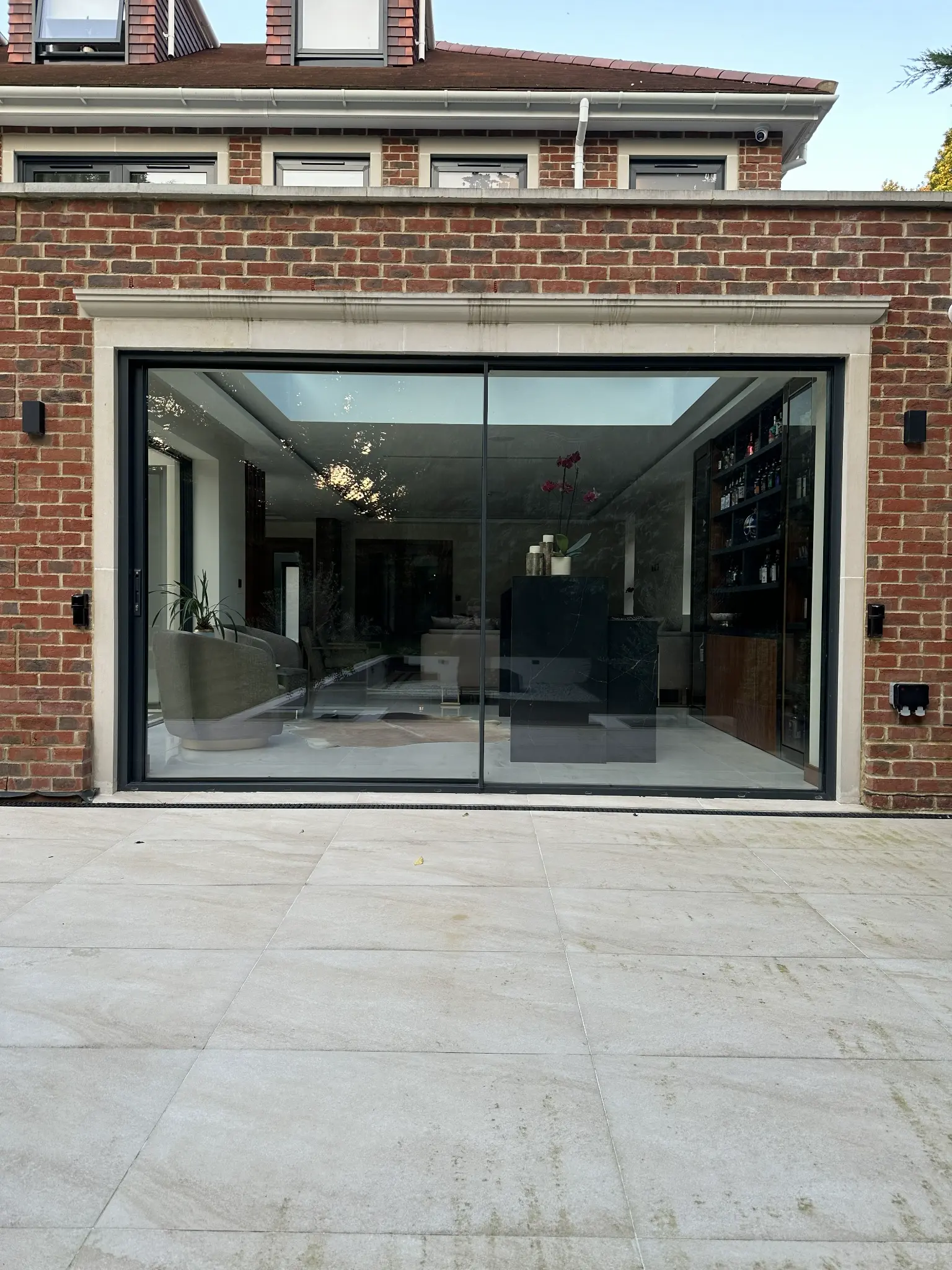
- Sliding Doors (e.g., Patio or Lift & Slide): Provide large, uninterrupted glazed areas and can be a good alternative to bi-folds when space for stacking panels is limited.
- French Doors: A classic choice, offering a more traditional aesthetic with two hinged doors that open outwards or inwards.
- Rooflights and Lanterns: Crucial for bringing natural light deep into an extension, especially those with solid roofs or in areas where side windows are restricted. They can dramatically brighten a room and create a sense of height.
- Picture Windows: Large, fixed panes of glass designed to frame a view, offering maximum light and minimal obstruction.
Acoustic Performance
If your extension is near a busy road or noisy neighbours, consider glazing with enhanced acoustic properties. This typically involves using thicker glass, laminated glass, or wider air/gas gaps in double or triple-glazed units.
Security
Modern glazing systems incorporate multi-point locking mechanisms, internal glazing beads (preventing glass removal from outside), and robust frame designs. Look for products that meet recognised security standards like PAS 24 or Secured by Design accreditation for peace of mind.
Glazing Comparison Table
Here's a quick overview of common glazing options and their typical characteristics:
| Feature | Double Glazing (Standard Low-E) | Triple Glazing (Standard Low-E) | Solar Control Double Glazing | Acoustic Double Glazing |
|---|---|---|---|---|
| Typical U-value (W/m²K) | 1.2 - 1.4 | 0.8 - 1.0 | 1.2 - 1.4 | 1.2 - 1.4 |
| Cost | Standard | Higher | Moderate | Moderate |
| Thermal Performance | Good | Excellent | Good (with solar gain reduction) | Good |
| Solar Heat Gain Reduction | Low | Low | High | Low |
| Noise Reduction | Good | Excellent | Good | Excellent |
| Weight | Standard | Heavier | Standard | Standard/Slightly Heavier |
| Best For | General use, compliance | Maximum energy efficiency, cold climates | South-facing, preventing overheating | Noisy locations |
Installation and Long-Term Maintenance
The best glazing products will only perform optimally if installed correctly. Always use experienced, certified installers who understand the specific requirements for your chosen glazing system and Building Regulations compliance. Poor installation can lead to draughts, leaks, and reduced thermal performance.
Modern glazing is generally low maintenance. uPVC and aluminium frames require only occasional cleaning with soapy water. Timber frames will need periodic inspection and re-painting or re-staining to protect them from the elements, typically every 5-10 years depending on exposure and finish.
Enhanced Natural Light
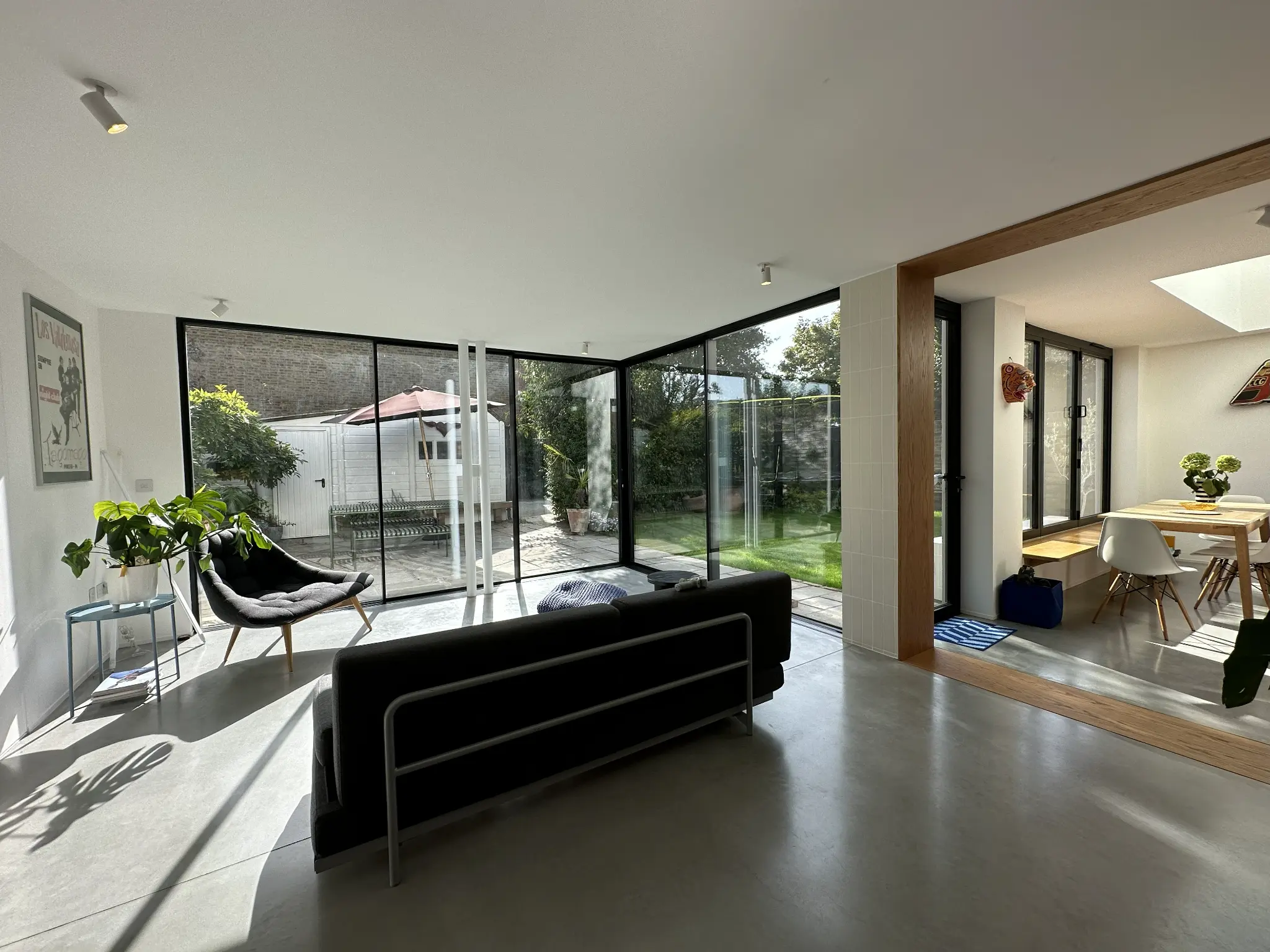
Thoughtfully designed glazing floods your extension with daylight, creating brighter, more inviting spaces and reducing the need for artificial lighting.
Improved Energy Efficiency
High-performance glazing with low U-values helps to retain heat in winter and prevent excessive heat gain in summer, leading to lower energy bills and a more comfortable home.
Seamless Indoor-Outdoor Living
Bi-fold or sliding doors can blur the lines between your extension and garden, creating expansive open-plan living areas perfect for entertaining or relaxing.
Increased Property Value
A well-designed, energy-efficient extension with quality glazing not only enhances your living experience but can also significantly increase the market value of your home.
Final Thoughts and Expert Advice
Glazing is a significant investment in your home extension, impacting comfort, energy bills, and the overall aesthetic for decades to come. Taking the time to research your options, understand the technical requirements, and work with reputable professionals will ensure your project is a resounding success.
Remember to:
- Prioritise compliance with UK Building Regulations Part L (2022) for thermal performance.
- Consider the orientation and function of your extension when selecting glass types.
- Choose frame materials that complement your home's style and meet performance needs.
- Invest in quality installation to ensure longevity and optimal performance.
- Consult with architects, builders, and glazing specialists early in your planning process.
At Shard AG, we understand the complexities of modern architectural glazing. Our team of experts is dedicated to helping UK homeowners navigate the options, ensuring your extension benefits from bespoke, high-performance glazing solutions that meet both your design aspirations and the strictest regulatory standards. We offer a comprehensive range of windows, doors, rooflights, and structural glazing, tailored to enhance your living space with light, comfort, and efficiency.
Explore Our Products
Discover how Shard Architectural Glazing can transform your home with our premium glazing solutions:
Ready to Transform Your Home?
Get in touch with our expert team for a free consultation and personalised quote. We'll help you choose the perfect glazing solution for your property.