

Maximising Space: The Strategic Use of Glass Doors in UK Homes
Discover how glass doors can transform your UK home, enhancing light, space, and flow. Learn about types, regulations, and practical considerations.

Shard Architectural Glazing
30 April 2026
Discover how glass doors can transform your UK home, enhancing light, space, and flow. Learn about types, regulations, and practical considerations.
📋In This Article
- The Power of Transparency: How Glass Doors Create Space
- Types of Glass Doors for Space Maximisation
- Technical Considerations and UK Building Regulations
- Materials and Finishes for Glass Door Frames
- Practical Considerations for Your Home
- Benefits of Maximising Space with Glass Doors
- Conclusion: Transforming Your Home with Light and Space
In the often-compact landscape of UK homes, every square foot counts. Homeowners are constantly seeking innovative ways to enhance living areas, create a sense of openness, and improve natural light. One of the most effective and aesthetically pleasing solutions for achieving these goals is the strategic incorporation of glass doors. Far beyond mere entry points, glass doors can be architectural statements that redefine the functionality and feel of a space.
This comprehensive guide will explore how various types of glass doors can help maximise space, improve light penetration, and contribute to a modern, airy aesthetic in your UK property. We'll delve into the technical aspects, practical considerations, and relevant UK Building Regulations to ensure your project is both beautiful and compliant.
The Power of Transparency: How Glass Doors Create Space
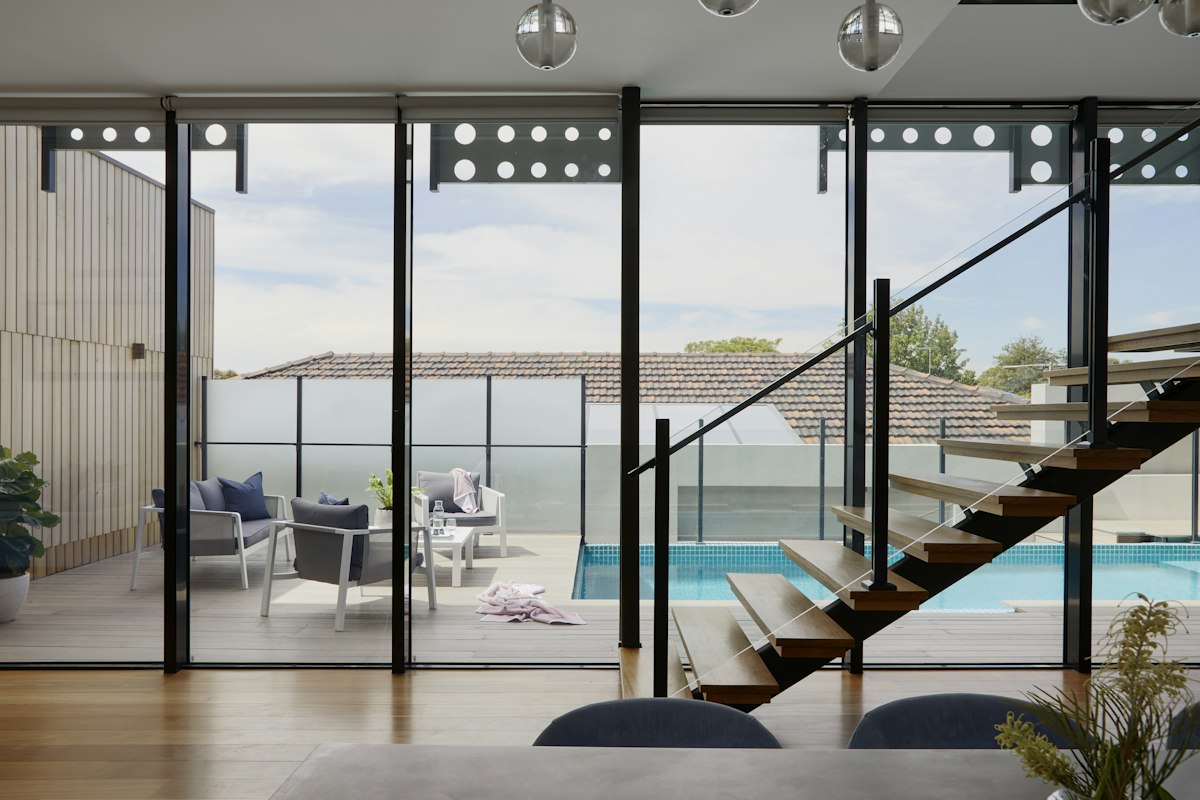
The primary benefit of glass doors in space maximisation lies in their transparency. Unlike solid doors that act as visual barriers, glass allows light to pass through, connecting adjacent rooms and extending sightlines. This visual continuity tricks the eye into perceiving a larger, more open area, even if the physical footprint remains unchanged.
Enhancing Natural Light
- Daylight Penetration: Glass doors allow natural light to flow deeper into your home, reducing the reliance on artificial lighting and creating a brighter, more inviting atmosphere. This is particularly beneficial in terraced or semi-detached properties where natural light sources might be limited.
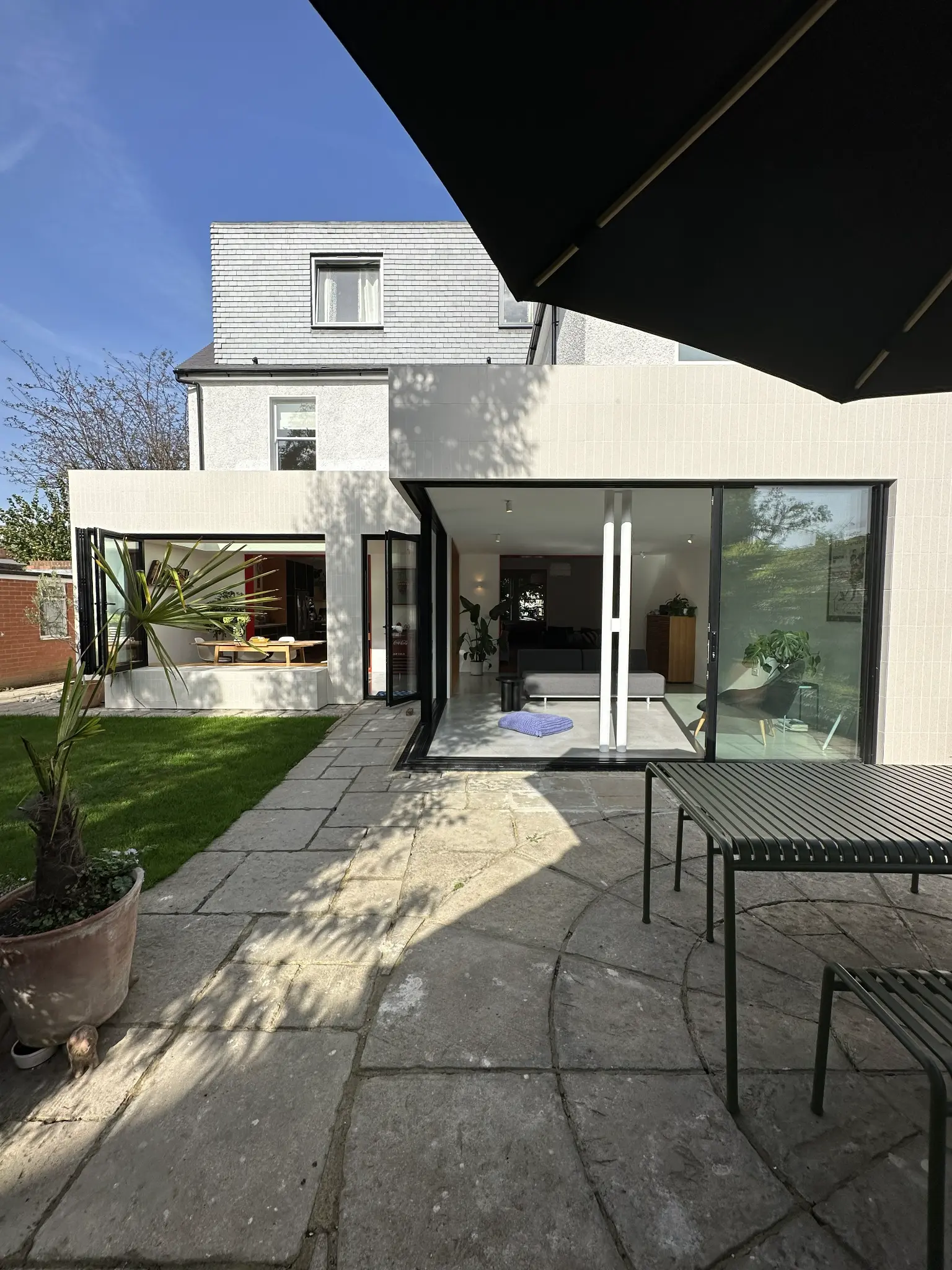
- Connecting Indoors and Outdoors: Large glass doors, such as bi-folds or sliders, seamlessly link interior living spaces with gardens or patios, effectively extending your usable living area into the outdoors during warmer months.
Visual Continuity and Flow
- Open-Plan Feel: Even when closed, internal glass doors maintain a visual connection between rooms, offering the benefits of an open-plan layout without sacrificing sound separation or temperature control.
- Reducing Clutter: By creating a sense of openness, glass doors can make rooms feel less cluttered and more organised, contributing to a calmer environment.
Types of Glass Doors for Space Maximisation
The market offers a diverse range of glass door options, each with unique characteristics suited to different applications and space-saving needs.
1. Sliding Glass Doors (Patio Doors)
Mechanism: These doors operate by sliding horizontally along a track, either within a frame or into a wall cavity (pocket doors). They do not require a swing arc, making them ideal for areas where space is at a premium.
- Advantages: Excellent for connecting large rooms or opening onto gardens. Maximise wall space as no swing arc is needed. Can be multi-panelled for very wide openings.
- Considerations: One panel typically remains fixed. Tracks need regular cleaning.
2. Bi-Fold Glass Doors
Mechanism: Consisting of multiple panels that fold back on themselves in a concertina style, bi-fold doors can open up an entire wall, creating a truly expansive opening.
- Advantages: Offer the widest possible opening, blurring the lines between indoor and outdoor spaces. Modern and stylish aesthetic.
- Considerations: Require space for the folded panels when open. Can be heavier and more complex to install than sliders.
3. French Doors
Mechanism: A pair of hinged doors that meet in the middle, typically opening outwards or inwards.
- Advantages: Classic, elegant look. Provide a good opening width. Can be used internally or externally.
- Considerations: Require a significant swing arc, which can limit furniture placement. Less space-saving than sliders or bi-folds.
4. Internal Glass Doors (Hinged or Sliding)
Mechanism: Standard hinged doors with glass panels, or internal sliding doors that disappear into a wall cavity (pocket doors).
- Advantages: Allow light transfer between internal rooms while maintaining separation. Pocket doors are excellent for small rooms like en-suites or utility rooms where a traditional swing door would be impractical.
- Considerations: Hinged versions still require swing space. Pocket doors require structural work for the wall cavity.
5. Pivot Doors
Mechanism: A door that rotates on a vertical axis rather than traditional hinges, often set a few inches in from the door frame.
- Advantages: Striking architectural feature. Can handle very large and heavy doors. Creates a grand entrance.
- Considerations: Requires careful planning for the pivot point. Can have a larger swing radius than a traditional hinged door.
Pro Tip
When selecting glass for external doors, always prioritise security and thermal performance. Look for toughened or laminated glass for safety, and double or triple glazing with low-emissivity (low-e) coatings and argon gas filling for optimal insulation.
Technical Considerations and UK Building Regulations
Installing glass doors, especially external ones, involves adherence to specific technical standards and UK Building Regulations. Failing to comply can lead to issues with property resale or even enforcement action.
Thermal Performance (Part L)
For external glass doors (e.g., bi-folds, sliders, French doors), thermal performance is paramount. UK Building Regulations Part L (Conservation of Fuel and Power) sets strict U-value requirements to minimise heat loss. A lower U-value indicates better insulation.
- New Build Homes: Windows and doors must achieve a U-value of 1.2 W/m²K or better.
- Replacement Doors (Existing Dwellings): Doors must achieve a U-value of 1.4 W/m²K or better.
Achieving these values typically requires high-performance double or triple glazing, often with warm edge spacers, low-e coatings, and inert gas (like argon) filling the cavity. The frame material (e.g., aluminium, timber, uPVC) also plays a significant role in overall U-value.
Safety Glazing (Part K)
Part K (Protection from Falling, Collision and Impact) of the Building Regulations dictates where safety glazing is required to prevent injury from impact. All glass in doors and side panels adjacent to doors must be toughened or laminated safety glass.
- Toughened Glass: Shatters into small, relatively harmless pieces upon impact.
- Laminated Glass: Consists of two or more panes of glass bonded together with a plastic interlayer, which holds the glass together if it breaks.
Ventilation (Part F)
When replacing external doors, you must ensure that adequate ventilation is maintained or improved. This often means incorporating trickle vents into the door frame, especially if the existing doors had them or if the room relies on background ventilation through windows.
Structural Considerations
Large glass door installations, particularly bi-folds or wide sliding systems, may require significant structural alterations to the opening. This could involve installing new lintels or steel beams (RSJs) to support the load above. Such work is subject to Building Regulations approval and often requires the involvement of a structural engineer.
Planning Permission
Most replacement doors or minor alterations to existing openings do not require planning permission. However, if you are creating a new opening, significantly enlarging an existing one, or if your property is listed or in a conservation area, it is highly advisable to consult your local planning authority before commencing work.
Materials and Finishes for Glass Door Frames
The frame material impacts aesthetics, thermal performance, durability, and maintenance requirements.
| Material | Key Characteristics | Pros | Cons |
|---|---|---|---|
| Aluminium | Strong, lightweight, slim sightlines | Excellent durability, low maintenance, modern aesthetic, good for large panes, thermally broken options available | Can be more expensive, less insulating than uPVC without thermal breaks |
| uPVC | Versatile, cost-effective, good insulator | Excellent thermal performance, wide range of colours, low maintenance, affordable | Thicker frames (larger sightlines), less rigid than aluminium, can discolour over time with poor quality products |
| Timber | Natural, traditional, customisable | Aesthetically pleasing, good insulator, can be repaired, sustainable option | Requires regular maintenance (painting/staining), can be prone to rot if not cared for, higher cost |
| Composite | Combines materials (e.g., timber inside, aluminium outside) | Best of both worlds: natural interior, durable exterior, excellent thermal performance | Highest cost, complex construction |
Practical Considerations for Your Home
Security
Glass doors, especially external ones, must offer robust security. Look for multi-point locking systems, anti-lift mechanisms for sliding doors, and internal glazing beads (where glass is fitted from the inside) to prevent easy removal of the glass from the outside. Compliance with PAS 24 (Publicly Available Specification) indicates a higher level of security.
Privacy
While transparency is a benefit, sometimes privacy is desired. Options include:
- Blinds or Curtains: Traditional and versatile.
- Integrated Blinds: Blinds sealed within the double glazing unit, offering dust-free privacy.
- Frosted or Obscure Glass: Provides permanent privacy while still allowing light.
- Smart Glass: Electrically switchable glass that turns from transparent to opaque at the flick of a switch (more expensive).
Maintenance
Glass doors generally require less maintenance than solid doors, but regular cleaning of glass and frames is essential to maintain appearance and functionality. Check tracks for debris on sliding and bi-fold doors.
Cost
The cost of glass doors varies significantly based on type, size, material, glazing specification, and installation complexity. While an initial investment, the long-term benefits of increased light, perceived space, and potential energy savings can offer excellent value.
Benefits of Maximising Space with Glass Doors
Enhanced Natural Light
Floods interiors with daylight, reducing reliance on artificial lighting and creating a brighter, more uplifting atmosphere throughout your home.
Improved Visual Flow
Creates seamless transitions between rooms and with outdoor spaces, making your home feel larger, more connected, and less compartmentalised.
Increased Property Value
Modern, well-installed glass doors are a desirable feature for prospective buyers, contributing to the aesthetic appeal and perceived spaciousness of your property.
Versatile Design Options
Available in a wide array of styles, materials, and finishes, allowing you to tailor the doors to perfectly complement your home's architectural style and interior design.
Conclusion: Transforming Your Home with Light and Space
Glass doors offer a powerful solution for homeowners looking to maximise space, enhance natural light, and create a more fluid, contemporary living environment. From the expansive openings of bi-folds to the subtle integration of pocket doors, the right choice can profoundly impact the feel and functionality of your UK home.
By carefully considering the various types, understanding the technical requirements and UK Building Regulations, and choosing appropriate materials, you can embark on a project that not only looks stunning but also adds significant value and enjoyment to your property. Always consult with reputable suppliers and installers to ensure your glass door installation is safe, compliant, and perfectly suited to your needs.
At Shard AG, we specialise in high-performance architectural glazing solutions tailored for UK homes. Our expert team can guide you through the options, ensuring your choice of glass doors meets all relevant Building Regulations and perfectly complements your living space. Contact us today to explore how we can help you transform your home with light and space.
Explore Our Products
Discover how Shard Architectural Glazing can transform your home with our premium glazing solutions:
Ready to Transform Your Home?
Get in touch with our expert team for a free consultation and personalised quote. We'll help you choose the perfect glazing solution for your property.