

Minimal Frame Glazing: Maximising Views & Efficiency in UK Homes
Explore minimal frame glazing for UK homes. Understand its benefits, technical specifications, Building Regulations compliance, and installation considerations for stunning, energy-efficient designs.

Shard Architectural Glazing
17 April 2026
Explore minimal frame glazing for UK homes. Understand its benefits, technical specifications, Building Regulations compliance, and installation considerations for stunning, energy-efficient designs.
📋In This Article
In contemporary UK home design, the desire for abundant natural light and seamless connections to outdoor spaces has never been stronger. Homeowners are increasingly seeking architectural solutions that maximise views while maintaining high levels of energy efficiency and security. This pursuit has led to the rise of minimal frame glazing technology – an innovative approach that prioritises expansive glass surfaces over bulky visible frames.
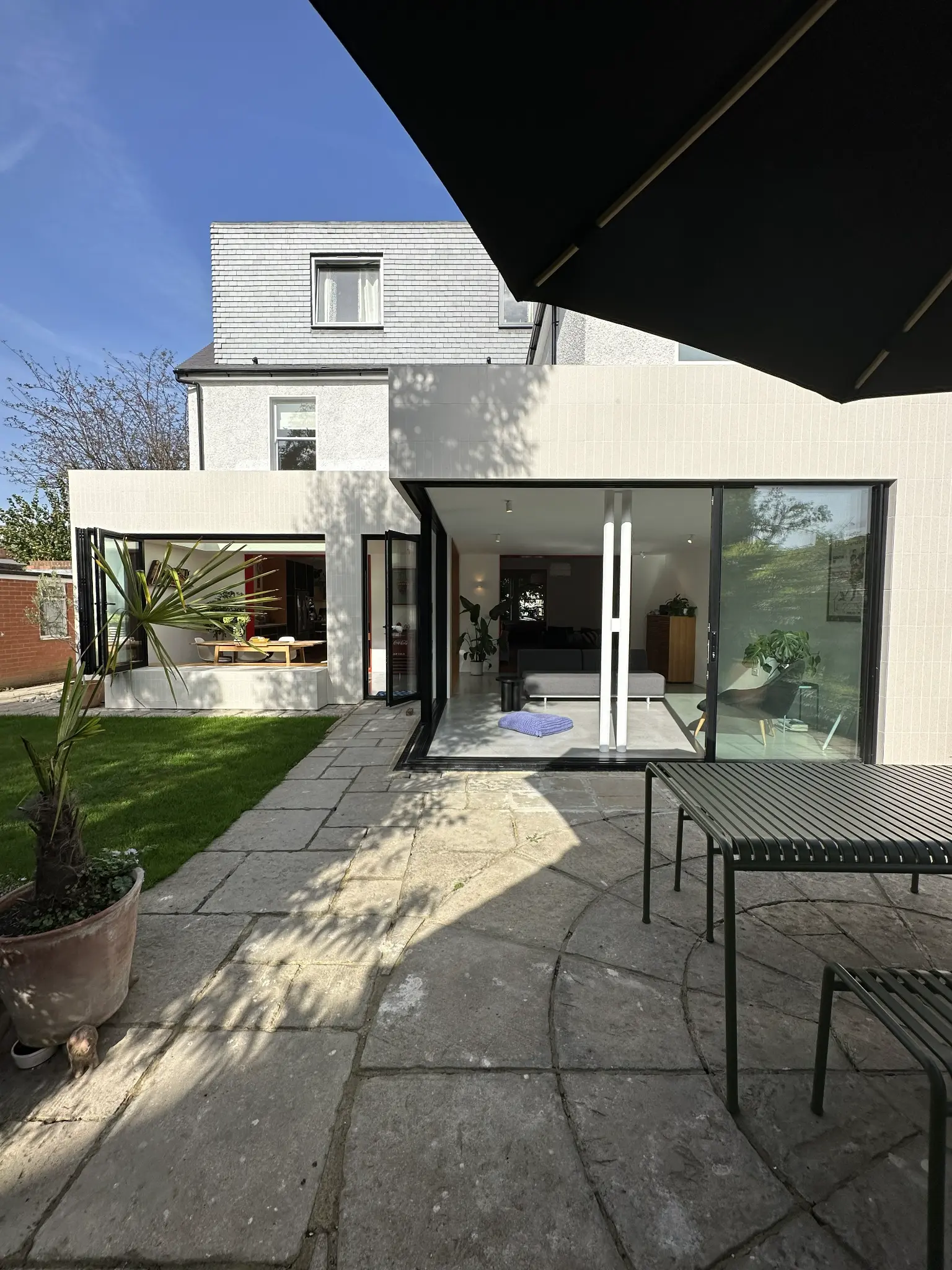
Minimal frame glazing, also known as slimline or frameless glazing, is characterised by its exceptionally slender profiles, often recessed or hidden within the building structure. This design philosophy aims to reduce the visual obstruction of traditional window and door frames, creating an almost uninterrupted expanse of glass. The result is a sleek, modern aesthetic that enhances natural light penetration, offers panoramic views, and blurs the lines between indoor and outdoor living.
This comprehensive guide will delve into the world of minimal frame glazing, exploring its technical intricacies, benefits, considerations for UK homeowners, and how it aligns with current Building Regulations. Whether you're planning a new build, an extension, or a significant renovation, understanding this technology is crucial for achieving a truly modern and efficient home.
What is Minimal Frame Glazing?
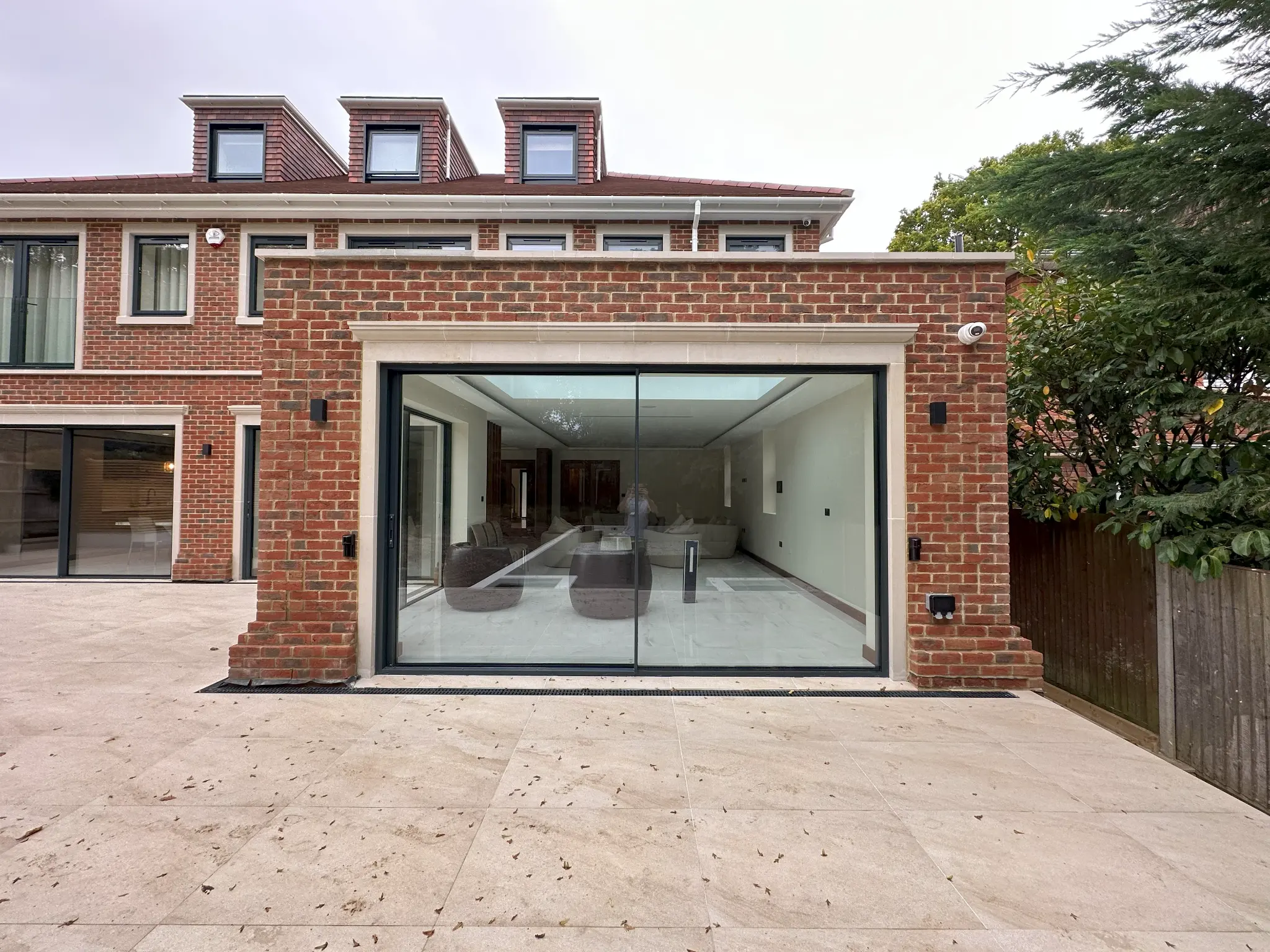
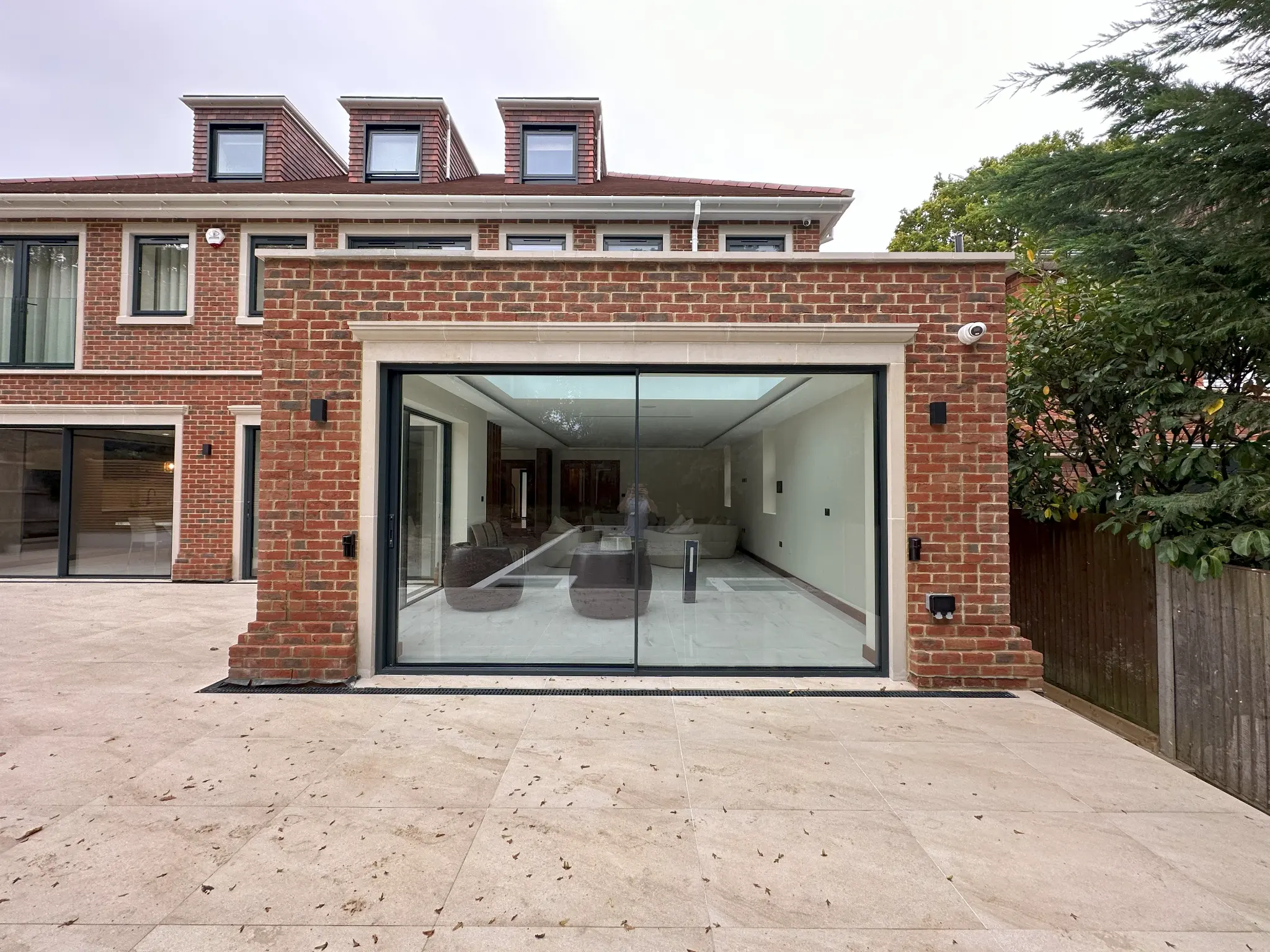
At its core, minimal frame glazing is about reducing the visible frame components of windows and doors to an absolute minimum. Unlike conventional systems where frames are prominent, minimal frame systems often feature profiles that are just 15-30mm wide, or even entirely concealed within the wall, floor, and ceiling structures. This design approach allows for much larger glass panels, often stretching from floor to ceiling and wall to wall, creating a 'glass wall' effect.
The magic behind these systems lies in their engineering. High-strength aluminium or composite materials are typically used for the slim frames, often combined with advanced glazing units. The structural integrity is maintained by reinforcing these slender profiles and integrating them cleverly into the building's fabric. This allows for impressive spans and heights that would be impossible with traditional framing.
Key Characteristics:
- Ultra-Slim Sightlines: Visible frame profiles are significantly reduced, often to less than 30mm, or even completely hidden.
- Large Glass Panels: Capable of accommodating expansive, heavy glass units, creating vast glazed areas.
- Concealed Mechanisms: Operating mechanisms, such as sliding tracks or hinges, are often hidden within the floor, ceiling, or wall.
- High Performance Glazing: Typically uses high-specification double or triple glazing to ensure thermal efficiency and acoustic performance.
- Integrated Design: Requires careful integration with the building's structural elements from the design stage.
Benefits of Minimal Frame Systems for UK Homes
The appeal of minimal frame glazing extends beyond its striking aesthetics, offering a range of practical advantages for UK homeowners.
Enhanced Natural Light
By minimising frame obstruction, these systems allow a greater influx of natural light into your home. This not only creates brighter, more inviting living spaces but can also reduce the reliance on artificial lighting during the day, potentially lowering energy bills.
Uninterrupted Views
Whether you have a stunning garden, a picturesque landscape, or an urban vista, minimal frames provide panoramic, unobstructed views, seamlessly connecting your interior with the outside world. This can significantly enhance the perceived size and openness of a room.
Modern Aesthetic & Value
The sleek, contemporary look of minimal frame glazing is highly sought after in modern architecture. It can elevate the design of any property, adding significant aesthetic appeal and potentially increasing its market value, especially in a competitive UK property market.
Thermal Efficiency & Comfort
Despite their expansive glass areas, modern minimal frame systems are engineered for high thermal performance. When specified correctly with advanced glazing, they contribute to a well-insulated envelope, helping to maintain comfortable indoor temperatures year-round and reduce heating costs.
Technical Considerations and UK Building Regulations
While the aesthetic benefits are clear, understanding the technical aspects and compliance with UK Building Regulations is paramount for any minimal frame glazing project.
Thermal Performance (Part L)
One of the most critical aspects for any glazing in the UK is its thermal performance, governed by Part L (Conservation of Fuel and Power) of the Building Regulations. This regulation sets maximum U-values (a measure of heat loss) for different building elements. For minimal frame glazing, achieving these values is crucial.
- New Build Properties & Extensions: The maximum U-value for windows and doors is 1.2 W/m²K.
- Replacement Windows & Doors: The maximum U-value is 1.4 W/m²K.
Minimal frame systems typically achieve these stringent requirements through:
- High-Performance Glazing: This includes double or triple glazed units with low-emissivity (low-e) coatings, argon or krypton gas infills, and warm edge spacer bars.
- Thermally Broken Frames: The slim aluminium frames must incorporate a 'thermal break' – a non-conductive material that separates the inner and outer parts of the frame, preventing heat transfer.
Structural Integrity and Wind Loading
Large glass panels are heavy and subject to significant wind loads, especially in exposed locations. The design must account for:
- Glass Specification: The thickness and type of glass (e.g., toughened, laminated) will be determined by the panel size, location, and exposure.
- Frame Reinforcement: Despite their slim appearance, the frames are engineered with internal reinforcement to handle the weight and forces.
- Building Structure Integration: The surrounding building structure (walls, floor, roof) must be capable of supporting the weight and transferring loads effectively. This often requires structural calculations by an engineer.
Security (Part Q)
Part Q (Security – Dwellings) of the Building Regulations specifies that new doors and windows in dwellings must be manufactured to a design that has been shown to resist physical attack by a casual burglar. This typically means compliance with British Standard PAS 24:2016. Minimal frame systems can achieve this through:
- Multi-point Locking Systems: Integrated securely within the slim frames.
- Laminated Glass: Offers enhanced resistance to impact.
- Robust Frame Construction: Despite their appearance, the frames are designed to be strong and resistant to forced entry.
Ventilation (Part F)
Adequate ventilation is crucial for indoor air quality and preventing condensation. Part F (Ventilation) of the Building Regulations requires that habitable rooms have means of ventilation. For minimal frame systems, this often means incorporating trickle vents, which can sometimes impact the 'frameless' aesthetic. Alternatively, a whole-house mechanical ventilation system with heat recovery (MVHR) can provide compliant ventilation without visible vents on the glazing.
Pro Tip
Always engage with an experienced architectural designer and a structural engineer early in your project. Minimal frame glazing requires precise planning and coordination between the glazing supplier, builder, and structural team to ensure proper integration, performance, and Building Regulations compliance. Retrofitting these systems into existing openings can be complex and may require significant structural alterations.
Types of Minimal Frame Glazing Systems
Minimal frame technology can be applied to various types of glazing, each offering distinct operational benefits:
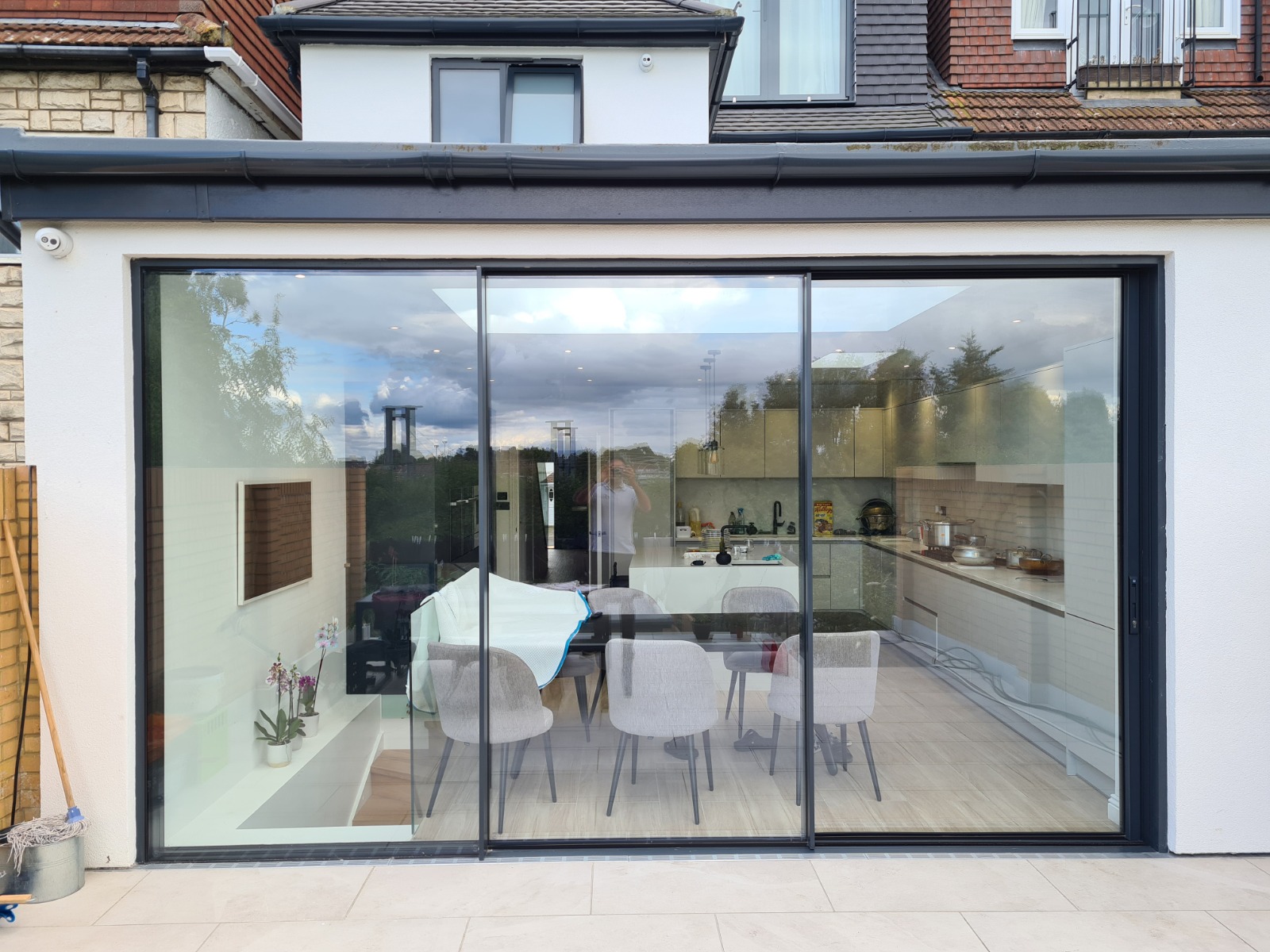
- Minimal Frame Sliding Doors: These are perhaps the most popular application, allowing large panels to glide effortlessly past each other, creating vast openings. They are ideal for connecting living spaces to patios or gardens. Often available in multi-panel configurations.
- Minimal Frame Fixed Panels: For areas where an opening isn't required but maximum light and views are desired, fixed minimal frame panels create stunning 'glass walls'.
- Minimal Frame Pivot Doors: Offering a dramatic entrance, pivot doors rotate on a vertical axis, creating a grand opening with minimal visible hinges.
- Minimal Frame Bifold Doors: While less common than sliding doors for truly minimal frames, some manufacturers offer slimline bifold options, though the folding mechanism inherently adds more visible frame elements than a pure sliding system.
- Minimal Frame Windows: Available as fixed, tilt-and-turn, or casement windows, providing the same sleek aesthetic for smaller openings.
Comparison: Minimal vs. Standard Glazing
To illustrate the differences, here's a comparison of key features:
| Feature | Minimal Frame Glazing | Standard Glazing (e.g., uPVC/Aluminium) |
|---|---|---|
| Visible Frame Width (Sightlines) | 15mm - 30mm (often recessed/concealed) | 50mm - 120mm+ |
| Glass Area vs. Frame Area | Maximised glass, minimal frame | Significant frame area |
| Aesthetic | Sleek, contemporary, 'glass wall' effect | Traditional, functional, more defined frames |
| Thermal Performance (U-value) | Excellent (typically 1.2 W/m²K or better) | Good to excellent (1.4 W/m²K to 0.8 W/m²K depending on spec) |
| Structural Integration | Requires careful integration with building structure | Generally simpler installation into prepared openings |
| Cost | Higher upfront investment due to engineering & materials | Generally lower than minimal frame systems |
| Installation Complexity | More complex, often requiring specialist installers | Standard installation procedures |
Design and Installation Considerations
Successfully integrating minimal frame glazing into your home requires careful planning and a professional approach.
Early Planning is Key
Minimal frame systems are not typically 'off-the-shelf' products. They are often custom-designed and manufactured to precise specifications. It's crucial to involve your architect, structural engineer, and chosen glazing specialist from the earliest design stages. This ensures that the building's structure can accommodate the weight and forces, and that services (like underfloor heating or electrical conduits) are not compromised by recessed tracks or frames.
Structural Support
The sheer weight of large glass panels necessitates robust structural support. Lintels, beams, and even foundations may need to be reinforced or specially designed. The glazing frames themselves are often designed to be load-bearing or to transfer loads directly to the building's primary structure.
Drainage and Weatherproofing
With recessed tracks and flush thresholds, meticulous attention to drainage and weatherproofing is essential, especially in the UK's climate. Integrated drainage channels, effective sealing, and appropriate detailing around the perimeter are critical to prevent water ingress and ensure longevity.
Access for Installation
Large, heavy glass panels require specialist lifting equipment (e.g., cranes, vacuum lifters) and skilled installers. Consider site access for such equipment during the construction phase.
Maintenance
While minimal frame systems are generally low maintenance, the large expanses of glass will benefit from regular cleaning to maintain their pristine appearance. Ensure easy access for cleaning, especially for very tall or wide panels.
Conclusion and Choosing the Right Supplier
Minimal frame glazing offers an unparalleled opportunity to transform your home, creating light-filled, open spaces with breathtaking views. By understanding the technical requirements, adhering to UK Building Regulations, and engaging with experienced professionals, you can achieve a stunning and highly functional architectural statement.
When considering minimal frame glazing for your project, it's vital to choose a reputable supplier and installer. Look for companies with a proven track record in high-end projects, who can demonstrate expertise in structural integration, thermal performance, and Building Regulations compliance. They should offer comprehensive design support, detailed technical specifications, and professional installation services.
At Shard AG, we specialise in providing bespoke minimal frame glazing solutions tailored to the unique requirements of UK homes. Our expert team works closely with architects, builders, and homeowners from concept to completion, ensuring every project meets the highest standards of design, performance, and regulatory compliance. We pride ourselves on delivering innovative, high-quality glazing that enhances living spaces and adds lasting value to your property. Contact us today to discuss how minimal frame technology can transform your home.
Explore Our Products
Discover how Shard Architectural Glazing can transform your home with our premium glazing solutions:
Ready to Transform Your Home?
Get in touch with our expert team for a free consultation and personalised quote. We'll help you choose the perfect glazing solution for your property.