

Modern Architectural Trends for UK Homes: A Comprehensive Guide
Explore the latest architectural trends reshaping UK homes, focusing on sustainability, open-plan living, and smart technology. Understand design principles, regulations, and practical considerations.

Shard Architectural Glazing
26 April 2026
Explore the latest architectural trends reshaping UK homes, focusing on sustainability, open-plan living, and smart technology. Understand design principles, regulations, and practical considerations.
📋In This Article
Modern architectural trends are continually evolving, driven by a desire for improved functionality, sustainability, and aesthetic appeal. For UK homeowners contemplating a new build, extension, or significant renovation, understanding these trends is crucial. This guide delves into the key contemporary architectural movements, offering practical insights, technical details, and considerations for integrating them into your home while adhering to UK Building Regulations.
Sustainability and Eco-Conscious Design
At the forefront of modern architecture is a profound commitment to sustainability. Eco-conscious design is no longer a niche concept but a fundamental principle, driven by environmental concerns and increasingly stringent Building Regulations.
Energy Efficiency and Thermal Performance
Achieving high levels of energy efficiency is paramount. This involves meticulous attention to insulation, airtightness, and glazing. The UK Building Regulations Part L (Conservation of Fuel and Power) sets specific U-value targets that new builds and extensions must meet:
- Walls: 0.18 W/m²K
- Floors: 0.18 W/m²K
- Roofs: 0.15 W/m²K
- Windows/Doors (New Build): 1.2 W/m²K
- Windows/Doors (Replacement): 1.4 W/m²K
Achieving these values often requires advanced insulation materials, such as PIR (Polyisocyanurate) boards, mineral wool, or cellulose fibre, coupled with careful detailing to minimise thermal bridging. For glazing, triple glazing is becoming increasingly common in new builds to comfortably meet the 1.2 W/m²K target, while high-performance double glazing can often suffice for replacements at 1.4 W/m²K.
Renewable Energy Integration
Modern homes frequently incorporate renewable energy sources. Solar photovoltaic (PV) panels are popular for electricity generation, often integrated seamlessly into the roofline. Air source heat pumps (ASHPs) are gaining traction as an efficient alternative to traditional gas boilers, extracting heat from the outside air to warm homes and provide hot water. Ground source heat pumps (GSHPs) offer even greater efficiency but involve higher installation costs due to the need for ground loops.
Sustainable Materials
The choice of materials plays a significant role. Architects are increasingly specifying materials with low embodied carbon, recycled content, or those sourced locally and sustainably. Examples include:
- Reclaimed timber and brick: Reduces waste and adds character.
- Recycled steel and aluminium: Common in structural elements and window frames.
- Natural insulation: Such as sheep's wool, hemp, or wood fibre.
- Low-VOC (Volatile Organic Compound) paints and finishes: Improves indoor air quality.
Pro Tip
When planning for renewable energy, consider the orientation of your property. South-facing roofs are ideal for solar PV panels, maximising their efficiency. Always consult with an MCS (Microgeneration Certification Scheme) accredited installer to ensure compliance and eligibility for any government grants.
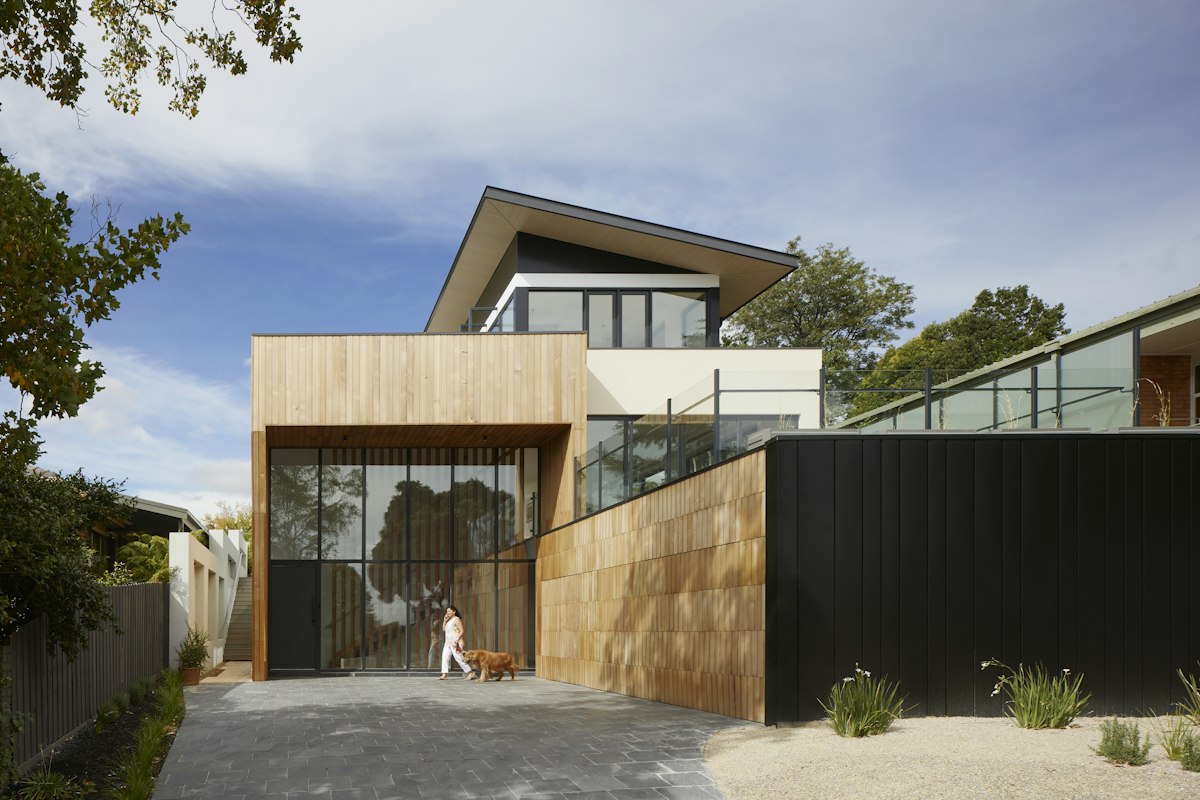
Open-Plan Living and Flexible Spaces
The desire for more fluid, adaptable living environments continues to shape modern home design. Open-plan layouts foster a sense of spaciousness and connectivity, while flexible spaces cater to evolving lifestyle needs.
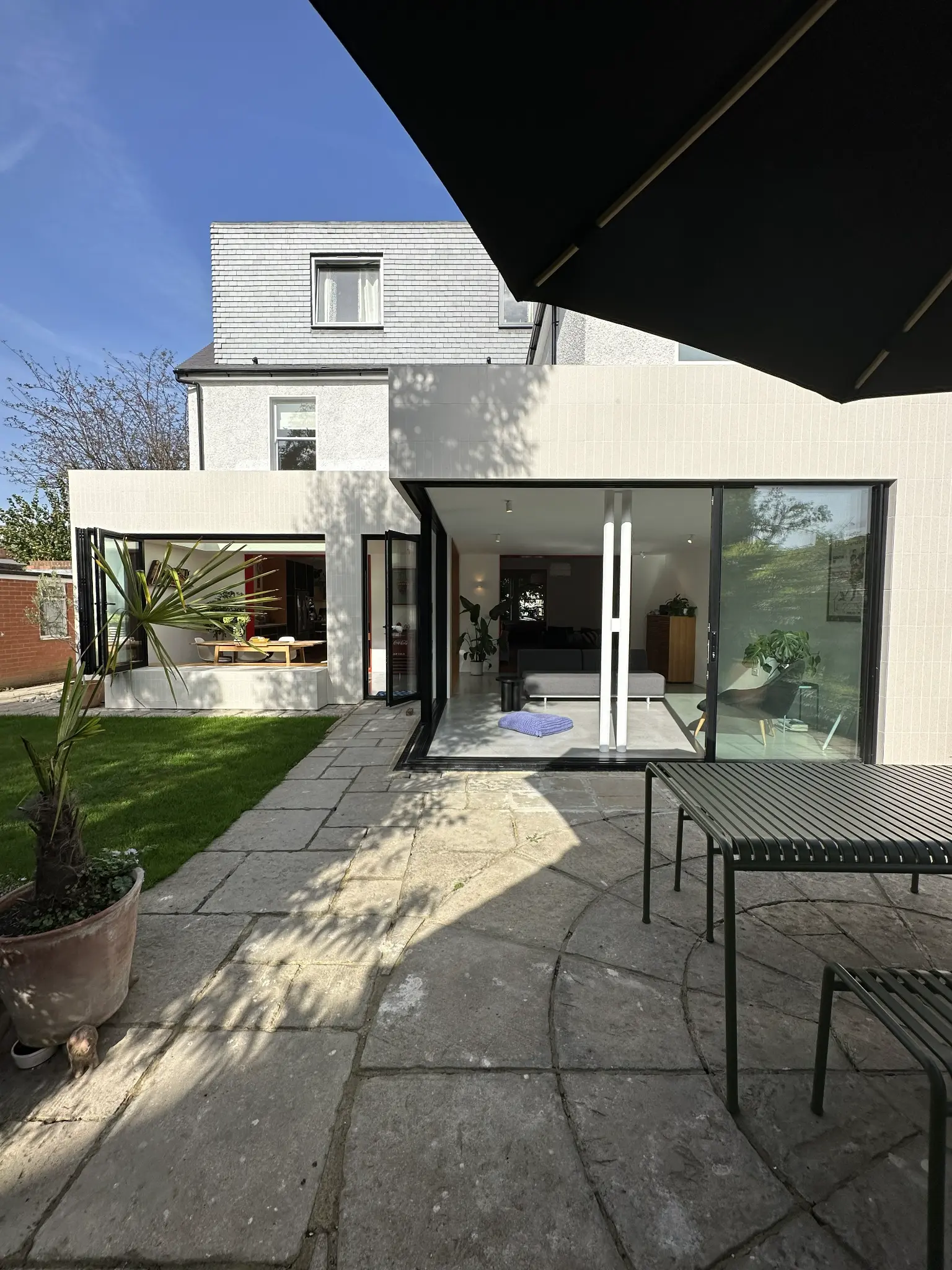
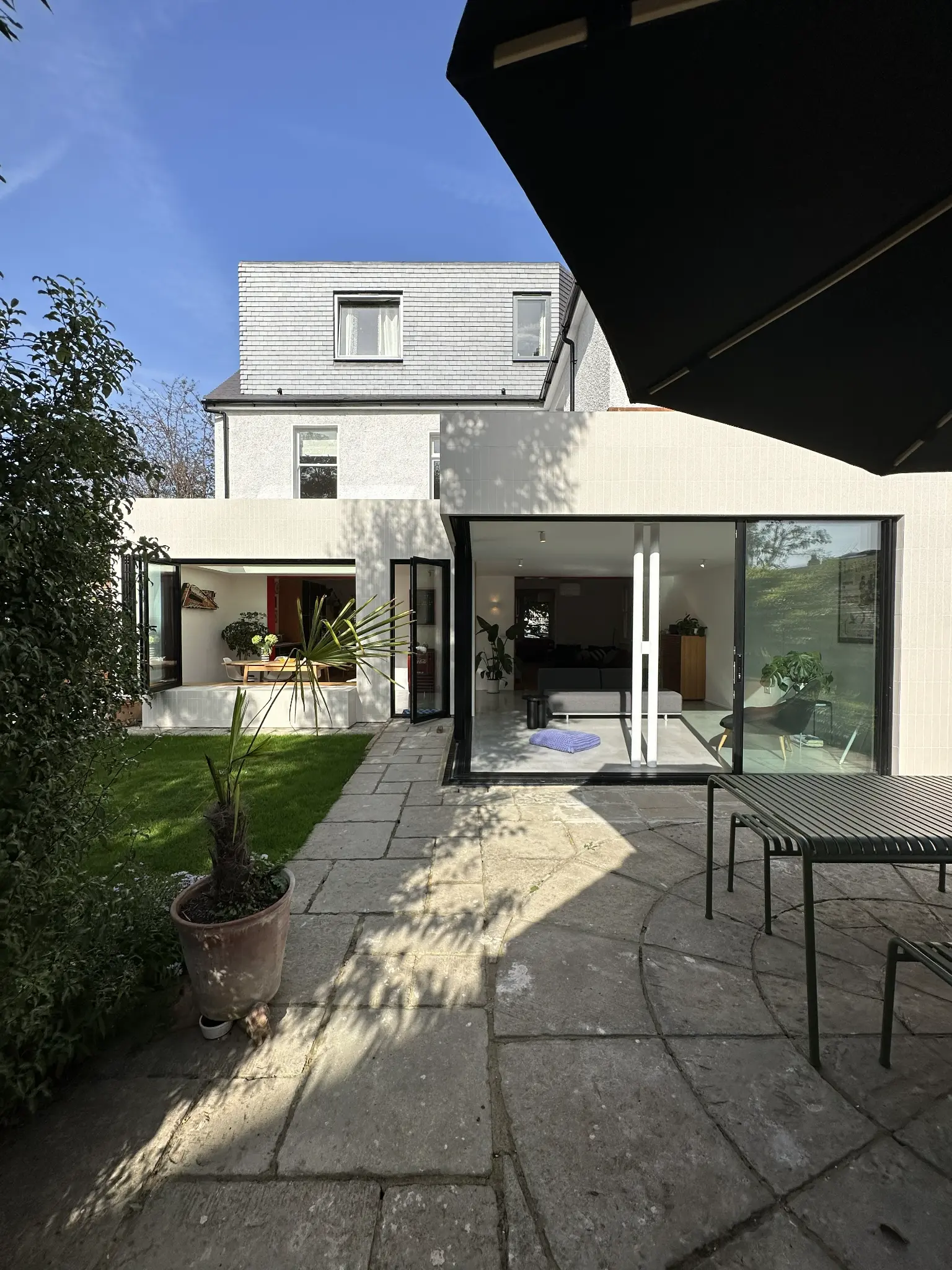
Seamless Indoor-Outdoor Connection
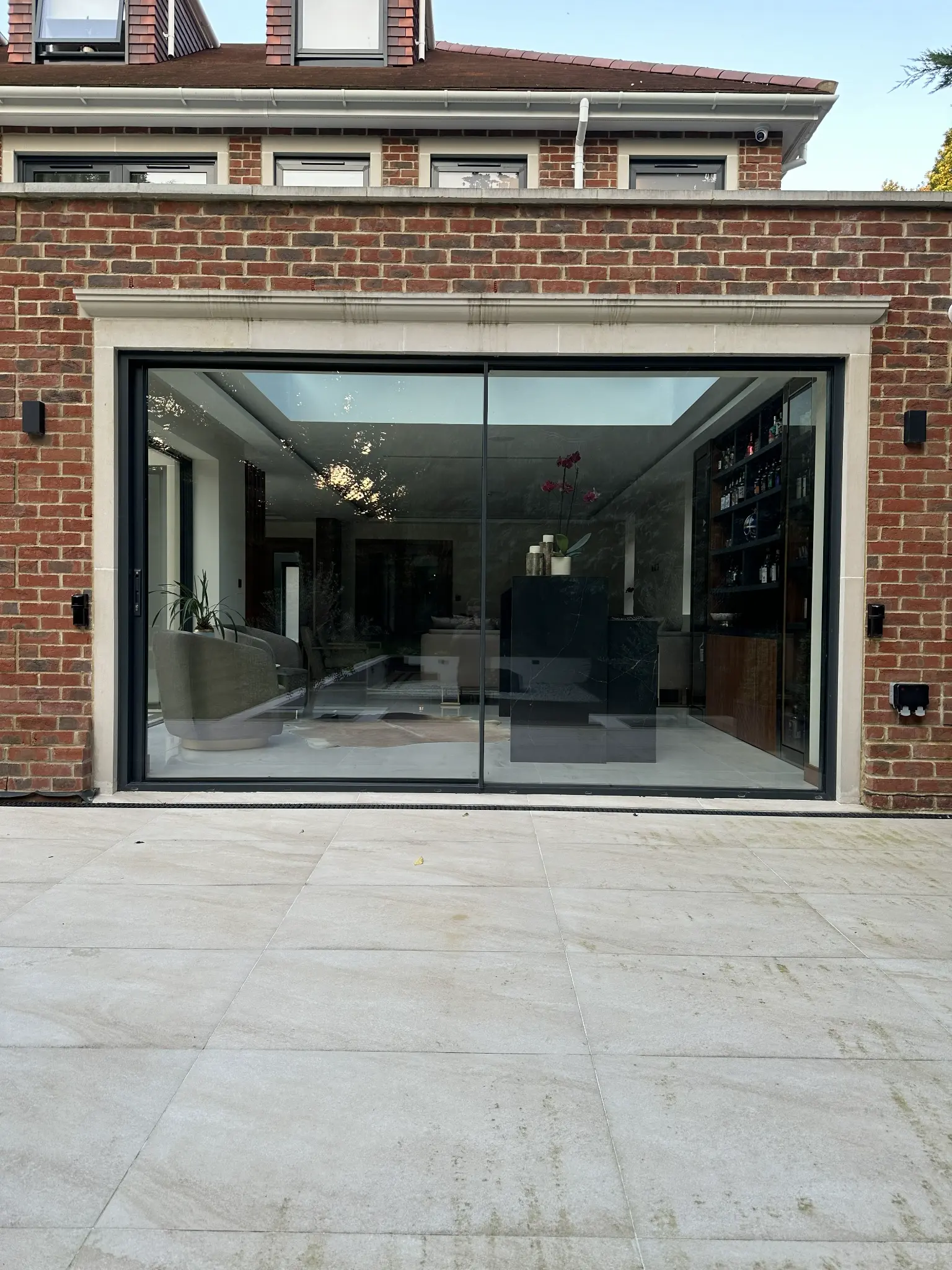
Large expanses of glazing are fundamental to achieving this trend. Bifold doors, sliding patio doors, and lift-and-slide doors blur the lines between internal and external spaces, allowing natural light to flood interiors and offering expansive views. When specifying these, consider:
- U-values: Ensure they meet the Building Regulations Part L requirements (1.2 W/m²K for new build, 1.4 W/m²K for replacement).
- Security: Look for multi-point locking systems and compliance with PAS 24 or Secured by Design standards.
- Thresholds: Low or flush thresholds are popular for accessibility and seamless transition, but require careful detailing for weatherproofing and drainage.
Zoned Living
While open-plan is popular, the concept has evolved to include 'zoned living'. This involves creating distinct areas within a larger open space using clever design elements like:
- Varying floor levels: A slight step down to a living area.
- Half-walls or room dividers: Offering separation without full enclosure.
- Built-in joinery: Such as bookshelves or media units.
- Lighting design: Using different light fixtures to define areas.
This approach allows for both communal interaction and individual activities, catering to the diverse needs of a modern household.
Smart Home Technology and Automation
Integration of technology is another defining characteristic of modern homes, enhancing convenience, security, and energy management.
Integrated Systems
Modern homes often feature integrated smart systems that control various aspects of the living environment. This can include:
- Lighting: Dimmable, colour-changing LEDs controllable via apps or voice commands.
- Heating and cooling: Smart thermostats that learn habits and optimise energy use.
- Security: Integrated CCTV, smart doorbells, and alarm systems.
- Blinds and curtains: Automated for privacy, light control, and thermal regulation.
The key is to design these systems to be intuitive and user-friendly, providing real benefits without unnecessary complexity.
Future-Proofing
When designing a modern home, it's wise to consider future-proofing for technological advancements. This might involve installing ample data cabling (e.g., Cat6 or Cat7), sufficient power outlets in strategic locations, and conduit for future wiring. While specific technologies change rapidly, a robust infrastructure ensures adaptability.
Materiality and Minimalist Aesthetics
Modern architecture often embraces a minimalist aesthetic, characterised by clean lines, uncluttered spaces, and a focus on natural materials. The beauty lies in the simplicity and the quality of the finishes.
Natural and Industrial Materials
A common trend is the juxtaposition of natural and industrial materials. This includes:
- Exposed concrete: For floors, walls, or structural elements, offering a raw, industrial feel.
- Timber: Used extensively for cladding, flooring, joinery, and even structural frames, bringing warmth and natural texture.
- Glass: Not just for windows, but also internal partitions, balustrades, and even structural elements to maximise light and openness.
- Steel: For structural beams, window frames, and bespoke architectural features.
The emphasis is on allowing the materials to speak for themselves, with minimal ornamentation.
Colour Palettes and Lighting
Modern interiors typically favour a neutral colour palette – whites, greys, and earthy tones – allowing natural light and the textures of materials to become the focal points. Lighting design is critical, with a mix of ambient, task, and accent lighting used to create atmosphere and highlight architectural features. Recessed lighting, linear LED strips, and statement pendants are common choices.
Practical Considerations and Building Regulations
While embracing modern trends, it's essential to navigate the practicalities and regulatory landscape in the UK.
Planning Permission and Permitted Development
Many modern architectural features, especially large extensions or new builds, will require planning permission. Even for smaller alterations, it's crucial to check if your proposed works fall under permitted development rights. These rights can be complex and often have limitations on size, height, and proximity to boundaries. Conservation areas and listed buildings have additional, stricter controls.
Building Control Approval
Regardless of planning permission, almost all structural alterations, new builds, or significant changes to thermal elements (like new windows or insulation) will require Building Control approval. This ensures your project complies with the functional requirements of the Building Regulations, covering aspects like structural integrity, fire safety, energy efficiency, ventilation, and accessibility.
Table: Key Building Regulations Part L (2022 England) U-Value Requirements
| Element | New Build & Extensions (W/m²K) | Replacement (W/m²K) |
|---|---|---|
| Walls | 0.18 | 0.28 (existing wall upgrade) |
| Floors | 0.18 | 0.28 (existing floor upgrade) |
| Roofs | 0.15 | 0.16 (existing roof upgrade) |
| Windows/Doors | 1.2 | 1.4 |
Note: The values for existing element upgrades are for when you are renovating or replacing the thermal element itself, not for new extensions. For new extensions, the 'New Build' values apply. Always consult the official Approved Document L for the most precise and up-to-date information.
Professional Consultation
Engaging qualified professionals is highly recommended. An architect can translate your vision into a buildable design, navigate planning and Building Control, and ensure aesthetic coherence. Structural engineers are vital for open-plan layouts or large glazing installations. Energy consultants can help optimise thermal performance and renewable energy integration. For specific glazing requirements, a reputable glazing specialist can provide expert advice on product selection, performance, and installation.
The Benefits of Embracing Modern Trends
Adopting modern architectural trends offers a multitude of advantages for UK homeowners.
Enhanced Comfort & Livability
Modern designs prioritise natural light, open spaces, and efficient climate control, creating homes that are a pleasure to live in year-round. Improved acoustics and ventilation also contribute to a healthier indoor environment.
Significant Energy Savings
With a strong focus on insulation, high-performance glazing, and renewable energy, modern homes are far more energy-efficient, leading to lower utility bills and a reduced carbon footprint.
Increased Property Value
Homes that are well-designed, energy-efficient, and incorporate desirable modern features often command higher market values, making them a sound investment for the future.
Future-Proofing & Adaptability
Flexible layouts and integrated smart technology ensure that modern homes can adapt to changing family needs and technological advancements, remaining relevant and functional for decades to come.
Embracing modern architectural trends offers UK homeowners the opportunity to create beautiful, highly functional, and sustainable living spaces. From maximising natural light and energy efficiency to integrating smart technology and creating seamless indoor-outdoor connections, these trends reflect a forward-thinking approach to home design. By understanding the principles, considering the practical implications, and adhering to UK Building Regulations, you can transform your home into a truly contemporary masterpiece.
At Shard AG, we specialise in high-performance architectural glazing solutions that perfectly complement modern home designs. Our extensive range of bifold doors, sliding doors, and windows are engineered for superior thermal efficiency, security, and aesthetic appeal, helping you achieve the seamless indoor-outdoor living and energy performance central to contemporary architecture. Contact us to discuss how our expert team can assist with your project.
Explore Our Products
Discover how Shard Architectural Glazing can transform your home with our premium glazing solutions:
Ready to Transform Your Home?
Get in touch with our expert team for a free consultation and personalised quote. We'll help you choose the perfect glazing solution for your property.