

Natural Ventilation Design: A Guide for UK Homeowners
Explore natural ventilation design for UK homes. Learn about passive strategies, Building Regulations, and how to create a healthier, more energy-efficient living environment.

Shard Architectural Glazing
15 May 2026
Explore natural ventilation design for UK homes. Learn about passive strategies, Building Regulations, and how to create a healthier, more energy-efficient living environment.
📋In This Article
In an era increasingly focused on sustainability and indoor air quality, natural ventilation stands out as a fundamental principle in architectural design. For UK homeowners, understanding how to effectively incorporate natural ventilation into their properties is key to creating healthier, more comfortable, and energy-efficient living spaces. This comprehensive guide delves into the principles, benefits, design considerations, and regulatory aspects of natural ventilation in the context of UK homes.
What is Natural Ventilation?
Natural ventilation refers to the process of supplying and removing air through a building without the use of mechanical systems such as fans or air conditioning units. Instead, it relies on natural forces like wind pressure and buoyancy (the stack effect) to drive airflow. The primary goal is to maintain good indoor air quality, regulate internal temperatures, and control humidity levels, all while minimising energy consumption.
Why is Natural Ventilation Important for UK Homes?
- Improved Indoor Air Quality (IAQ): Regular air changes dilute and remove indoor pollutants such as volatile organic compounds (VOCs) from furnishings, cleaning products, and cooking fumes, as well as allergens, dust, and excess carbon dioxide (CO2).
- Thermal Comfort: Strategically designed natural ventilation can help cool a home during warmer months, reducing reliance on energy-intensive air conditioning. It can also help prevent overheating, a growing concern in modern, well-insulated homes.
- Energy Efficiency: By reducing the need for mechanical ventilation and cooling, natural ventilation significantly lowers a home's energy consumption and carbon footprint.
- Health and Wellbeing: Good IAQ is linked to better concentration, reduced respiratory issues, and overall improved health for occupants.
- Reduced Noise: Compared to noisy mechanical systems, natural ventilation is inherently quiet, contributing to a more peaceful home environment.

Principles of Natural Ventilation Design
Effective natural ventilation relies on understanding and harnessing two main natural phenomena:
1. Wind-Driven Ventilation (Cross-Ventilation)
This occurs when wind pressure on one side of a building forces air through openings (inlets) and out through openings on the opposite or leeward side (outlets). For optimal cross-ventilation, the following are crucial:
- Opposing Openings: Windows or vents should be positioned on opposite walls to allow air to flow directly through the space.
- Opening Size and Placement: Larger openings allow more airflow. Inlets should ideally be located on the prevailing wind side, and outlets on the leeward side. Placing inlets low and outlets high can also enhance the stack effect.
- Internal Layout: Open-plan layouts or strategically placed internal vents and grilles can facilitate airflow throughout the home. Obstructions like solid internal doors or large pieces of furniture can hinder cross-ventilation.
2. Buoyancy-Driven Ventilation (Stack Effect)
The stack effect occurs because warm air is less dense than cool air and therefore rises. In a building, warm indoor air rises and escapes through high-level openings (e.g., roof vents, high windows), drawing cooler, fresher air in through low-level openings. This effect is more pronounced with greater height differences between inlets and outlets and larger temperature differentials.
- Vertical Openings: Essential for creating a clear path for rising warm air. Stairwells, double-height spaces, and vertical shafts can act as chimneys.
- Temperature Difference: The greater the temperature difference between inside and outside, the stronger the stack effect.
- Chimney Effect: Dedicated ventilation shafts or even open staircases can enhance the stack effect, drawing air upwards and out.
Pro Tip
When designing for natural ventilation, consider the prevailing wind direction for your property. Local weather data and site analysis can help determine the most effective placement of inlets and outlets to maximise wind-driven ventilation.
Design Strategies and Components
Implementing natural ventilation involves a combination of architectural design choices and specific components:
Architectural Design
- Building Orientation: Orienting a building to maximise exposure to prevailing breezes and minimise solar gain on certain facades can significantly impact ventilation effectiveness.
- Floor Plan: Open-plan living areas and strategically placed internal doors or louvres can facilitate airflow. Avoid long, narrow corridors that can create dead air zones.
- Window Design:
- Casement Windows: Offer excellent control over airflow direction and can scoop breezes into a room.
- Tilt & Turn Windows: Provide secure ventilation even in adverse weather, allowing air to escape at the top or enter at the side.
- Louvred Windows/Vents: Offer fine control over airflow and can be used to direct breezes.
- High-Level Vents/Rooflights: Crucial for the stack effect, allowing warm air to escape at the highest point.
- Thermal Mass: Heavyweight materials like concrete or brick can absorb heat during the day and release it slowly at night, helping to stabilise indoor temperatures and reduce overheating.
- Shading: External shading devices (e.g., overhangs, brise soleil) can prevent excessive solar gain, reducing the internal heat load and the need for cooling.
Specific Components
- Trickle Vents: Small, adjustable openings typically integrated into window frames. They provide continuous background ventilation, crucial for meeting Building Regulations, even when windows are closed.
- Purge Ventilation: Achieved by opening windows wide for a short period to rapidly exchange air, useful for removing cooking odours or high humidity.
- Automated Vents: Can be linked to sensors (temperature, CO2, humidity) to open and close automatically, optimising ventilation without manual input.
- Wind Catchers/Cowls: Roof-mounted devices designed to capture wind and direct it into the building, or to enhance the stack effect.
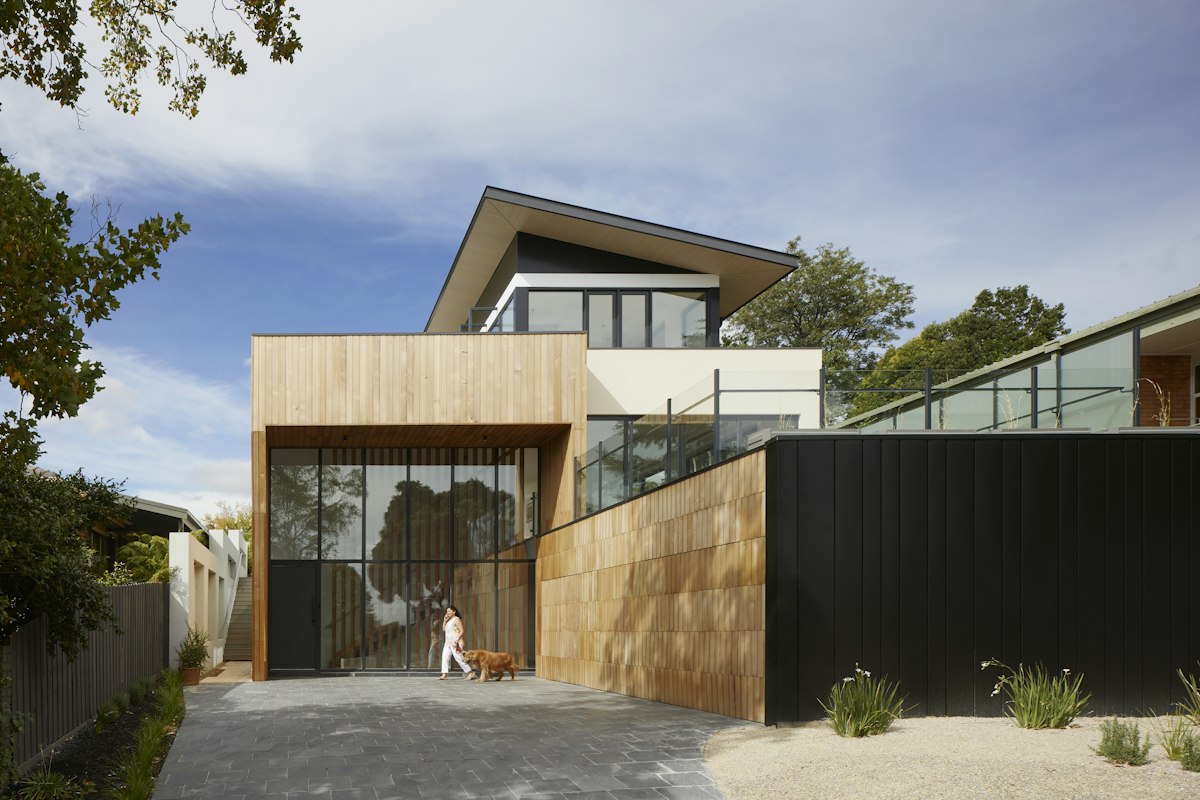
UK Building Regulations and Natural Ventilation
In the UK, natural ventilation design must comply with Part F (Ventilation) of the Building Regulations. The aim is to ensure adequate air quality and prevent condensation. The 2022 amendments to Part L (Conservation of Fuel and Power) also indirectly influence ventilation strategies by promoting highly insulated, airtight buildings, which then require careful consideration of controlled ventilation to avoid issues like condensation and poor air quality.
Key Requirements from Part F (Ventilation)
Part F specifies different types of ventilation:
- Background Ventilation: Provides a continuous low level of fresh air. This is typically achieved through trickle vents in windows or passive stack vents. For new dwellings, the minimum equivalent area for background ventilators is specified based on room type and volume. For example, habitable rooms often require a minimum of 5,000 mm² equivalent area.
- Purge Ventilation: Allows for rapid air exchange to remove high concentrations of pollutants or moisture. This is usually achieved by openable windows. The minimum opening area for purge ventilation is typically 1/20th of the room's floor area.
- Extract Ventilation: Required in 'wet rooms' (kitchens, bathrooms, utility rooms) to remove moisture and odours. While often mechanical (extractor fans), passive stack ventilation can sometimes be used in specific circumstances, especially in multi-storey buildings.
Airtightness and Ventilation: Modern UK homes are designed to be increasingly airtight to improve energy efficiency. While this is beneficial for reducing heat loss, it means that uncontrolled infiltration of air is significantly reduced. Therefore, controlled ventilation (whether natural or mechanical) becomes even more critical to ensure adequate fresh air supply and prevent issues associated with poor air quality and condensation. Building Control will assess ventilation strategies as part of the planning and construction process.
Pros and Cons of Natural Ventilation
Energy Savings
Reduces reliance on mechanical cooling and ventilation systems, leading to lower electricity bills and a smaller carbon footprint.
Improved Health
Enhances indoor air quality by diluting pollutants, reducing CO2 levels, and managing humidity, leading to a healthier living environment.
Enhanced Comfort
Provides a sense of freshness and can help regulate internal temperatures, preventing overheating during warmer periods.
Acoustic Benefits
Generally quieter than mechanical systems, contributing to a more peaceful home atmosphere.
Potential Drawbacks and Considerations
- Dependence on External Conditions: Effectiveness is subject to wind speed, direction, and external temperatures. On still, hot days, or very cold days, it may be less effective.
- Noise Pollution: Opening windows for ventilation can let in external noise, which can be an issue in urban or high-traffic areas.
- Security Concerns: Leaving windows open, especially on ground floors, can pose security risks. Secure trickle vents or high-level vents can mitigate this.
- Pollution Ingress: In areas with high external air pollution (e.g., near busy roads), opening windows can introduce pollutants. Filtration systems may be required in such cases.
- Draughts: Poorly designed or uncontrolled natural ventilation can lead to uncomfortable draughts, especially in colder months.
- Thermal Comfort Control: Less precise control over temperature and humidity compared to mechanical systems.
Integrating Natural Ventilation with Other Systems
For many modern, highly insulated homes, a hybrid approach combining natural and mechanical ventilation offers the best of both worlds. Mechanical Ventilation with Heat Recovery (MVHR) systems, for instance, can provide continuous, filtered fresh air while recovering heat from outgoing air, significantly reducing heat loss. Natural ventilation can then be used for purge ventilation or enhanced cooling during warmer periods.
Here's a comparison of common ventilation strategies:
| Feature | Natural Ventilation | Mechanical Extract Ventilation (MEV) | Mechanical Ventilation with Heat Recovery (MVHR) |
|---|---|---|---|
| Mechanism | Wind pressure, stack effect | Continuous low-level extraction from wet rooms, passive inlets elsewhere | Continuous supply and extract via ducted system, heat exchange |
| Energy Use | Very low (passive) | Low (small fans) | Moderate (fans, but heat recovery saves heating energy) |
| Air Quality Control | Good (if designed well), but dependent on external air quality | Good (removes moisture/pollutants from wet rooms), but reliant on passive inlets for fresh air | Excellent (filtered, controlled supply of fresh air) |
| Thermal Comfort | Good for cooling, but variable | Limited direct thermal control | Excellent (minimises heat loss, can incorporate summer bypass for cooling) |
| Noise | Quiet (internal), external noise ingress possible | Low (fan noise) | Very low (well-designed systems) |
| Cost (Installation) | Low (windows, vents) | Medium | High |
| Maintenance | Low (cleaning vents) | Medium (fan cleaning) | High (filter changes, duct cleaning) |
| UK Building Regs Part F | Can comply with appropriate trickle/purge vents | Commonly used for compliance in new builds | Excellent for compliance, often preferred in highly airtight homes |
Conclusion and Expert Advice
Natural ventilation is a powerful and sustainable approach to creating healthy and comfortable homes. By understanding the principles of wind-driven and buoyancy-driven airflow, and integrating appropriate design strategies and components, UK homeowners can significantly improve their indoor environment while reducing energy consumption.
While the benefits are clear, it's crucial to acknowledge the limitations and design carefully to avoid issues such as noise ingress, security risks, or insufficient airflow. For new builds and major renovations, consulting with an architect or building services engineer experienced in passive design is highly advisable. They can conduct detailed site analyses, computational fluid dynamics (CFD) modelling, and ensure your design complies with all relevant UK Building Regulations, particularly Part F and Part L.
At Shard AG, we understand the critical role that high-performance glazing plays in facilitating effective natural ventilation. Our range of bespoke windows and doors, including casement, tilt & turn, and sliding systems, can be specified with integrated trickle vents and designed for optimal opening areas to support both background and purge ventilation. We work closely with architects and homeowners to ensure our glazing solutions contribute to a holistic and energy-efficient natural ventilation strategy, enhancing comfort and air quality in your home.
Explore Our Products
Discover how Shard Architectural Glazing can transform your home with our premium glazing solutions:
Ready to Transform Your Home?
Get in touch with our expert team for a free consultation and personalised quote. We'll help you choose the perfect glazing solution for your property.