

Natural Ventilation Design: A UK Homeowner's Guide
Discover the principles of natural ventilation for UK homes. Learn about stack effect, cross-ventilation, and how to design for a healthier, more energy-efficient living space.

Shard Architectural Glazing
20 April 2026
Discover the principles of natural ventilation for UK homes. Learn about stack effect, cross-ventilation, and how to design for a healthier, more energy-efficient living space.
📋In This Article
In an era increasingly focused on energy efficiency and indoor air quality, natural ventilation stands out as a fundamental, yet often overlooked, aspect of home design. For UK homeowners, understanding how to effectively harness natural airflow can lead to a healthier, more comfortable, and potentially more energy-efficient living environment. This comprehensive guide delves into the principles, benefits, and practical considerations of natural ventilation design for residential properties in the United Kingdom.
What is Natural Ventilation?
Natural ventilation is the process of supplying and removing air through an indoor space without the use of mechanical systems, such as fans or air conditioning units. It relies on natural forces – primarily wind pressure and buoyancy (the stack effect) – to drive airflow. The goal is to introduce fresh outdoor air, dilute indoor pollutants, remove excess heat, and regulate humidity, all while minimising energy consumption.
Why is Natural Ventilation Important for UK Homes?
- Improved Indoor Air Quality (IAQ): Modern homes can trap pollutants from cooking, cleaning products, furniture, and even our own breathing. Natural ventilation helps to flush out these airborne contaminants, reducing the risk of respiratory issues and improving overall well-being.
- Thermal Comfort: Especially during warmer months, natural ventilation can provide effective cooling by removing excess heat and creating a sensation of airflow, reducing reliance on energy-intensive air conditioning.
- Energy Efficiency: By reducing the need for mechanical ventilation and cooling, natural ventilation can significantly lower a home's energy consumption and, consequently, utility bills.
- Reduced Condensation and Mould: Good airflow helps to remove moisture-laden air, preventing condensation build-up on cold surfaces, which is a primary cause of mould growth.
- Sustainability: Utilising natural forces aligns with sustainable building practices, reducing the carbon footprint associated with home operation.
Principles of Natural Ventilation Design
Effective natural ventilation relies on understanding and strategically employing two primary forces:
1. Wind-Driven Ventilation (Cross-Ventilation)
This occurs when wind pressure on one side of a building pushes air through openings (inlets) and out through openings on the opposite or adjacent side (outlets). For optimal cross-ventilation:
- Opposing Openings: Ideally, inlet and outlet openings should be located on opposite walls to maximise airflow across the space.
- Size and Position: Inlets should generally be smaller than or equal to outlets to create a slight positive pressure and ensure air moves through the space rather than just around it. Positioning openings at different heights can also enhance airflow.
- Internal Layout: Open-plan layouts or strategic placement of internal doors can facilitate better airflow paths. Avoid creating dead air zones.
2. Buoyancy-Driven Ventilation (Stack Effect)
The stack effect leverages the principle that warm air rises. As warm air inside a building rises, it escapes through high-level openings, creating a negative pressure that draws cooler, fresh air in through low-level openings. This effect is more pronounced in taller buildings or spaces with significant vertical differences in opening heights.
- High and Low Openings: Essential for creating the pressure differential. Low-level windows or vents act as inlets, and high-level windows, rooflights, or chimneys act as outlets.
- Temperature Differential: The greater the temperature difference between inside and outside, the stronger the stack effect.
- Vertical Distance: The greater the vertical distance between the inlet and outlet, the more effective the stack effect.
Pro Tip
Consider the prevailing wind direction in your area when designing or planning for natural ventilation. While wind direction can vary, understanding the dominant flow can help optimise window and vent placement for consistent cross-ventilation.
Design Considerations and UK Building Regulations
Integrating natural ventilation into a UK home requires careful planning, especially to ensure compliance with Building Regulations and to achieve desired performance.
Ventilation Requirements (Approved Document F)
Part F of the Building Regulations (Ventilation) sets out requirements for providing adequate means of ventilation. While mechanical systems are often discussed, natural ventilation plays a crucial role. For existing dwellings, replacement windows and doors must not reduce the effectiveness of existing ventilation provisions. For new builds and extensions, specific background ventilation and purge ventilation rates are required.
- Background Ventilation: Typically achieved through trickle vents in windows or purpose-built wall vents. These provide continuous low-level airflow to dilute pollutants and control humidity. The required equivalent area for trickle vents varies by room and dwelling type, but a common recommendation is 8000 mm² equivalent area for habitable rooms and 4000 mm² for bathrooms/WCs.
- Purge Ventilation: Rapid ventilation to remove high concentrations of pollutants or moisture quickly (e.g., after cooking or showering). This is usually achieved by opening windows. Building Regulations typically require an openable window area of at least 1/20th of the floor area of the room, or a minimum of 0.4m² for rooms less than 20m².
Thermal Performance (Approved Document L)
While natural ventilation is about airflow, it must not compromise thermal performance. Part L of the Building Regulations (Conservation of Fuel and Power) sets strict U-value requirements for building elements to minimise heat loss. This is where the choice of glazing and frame materials becomes critical.
UK Building Regulations Part L (2022 England) – U-Value Requirements:
| Building Element | New Build & Extensions (W/m²K) | Replacement (W/m²K) |
|---|---|---|
| Walls | 0.18 | 0.18 |
| Floors | 0.18 | 0.18 |
| Roofs | 0.15 | 0.15 |
| Windows/Doors | 1.2 | 1.4 |
| Party Walls | 0.0 | 0.0 |
When incorporating large glazed areas for natural light and ventilation, ensure the windows and doors themselves meet these stringent U-value requirements to prevent excessive heat loss in winter or heat gain in summer. High-performance double or triple glazing, combined with thermally broken frames, is essential.
Practical Considerations for Homeowners
- Security: Open windows can pose a security risk. Consider restrictors, secure night vents, or high-level vents that are difficult to access.
- Noise Pollution: In urban areas, opening windows for ventilation can introduce unwanted noise. Acoustic trickle vents or strategically placed openings away from noise sources can help.
- Pollution: Homes near busy roads or industrial areas may draw in outdoor pollutants. In such cases, a hybrid approach combining natural ventilation with filtered mechanical ventilation might be necessary.
- Draughts: While airflow is desired, uncontrolled draughts can cause discomfort. Careful placement and sizing of openings, along with the use of adjustable vents, can mitigate this.
- Weather Protection: Design openings to allow ventilation even during light rain. Overhangs, canopies, or specific window designs (e.g., top-hung or side-hung with limited opening) can offer protection.
Types of Openings for Natural Ventilation
The choice of windows, doors, and vents significantly impacts the effectiveness of natural ventilation.
- Casement Windows: Offer excellent purge ventilation as they can open wide, often to 90 degrees, allowing maximum airflow.
- Tilt and Turn Windows: Provide versatile ventilation. The 'tilt' function offers secure, continuous background ventilation, while the 'turn' function allows for full purge ventilation.
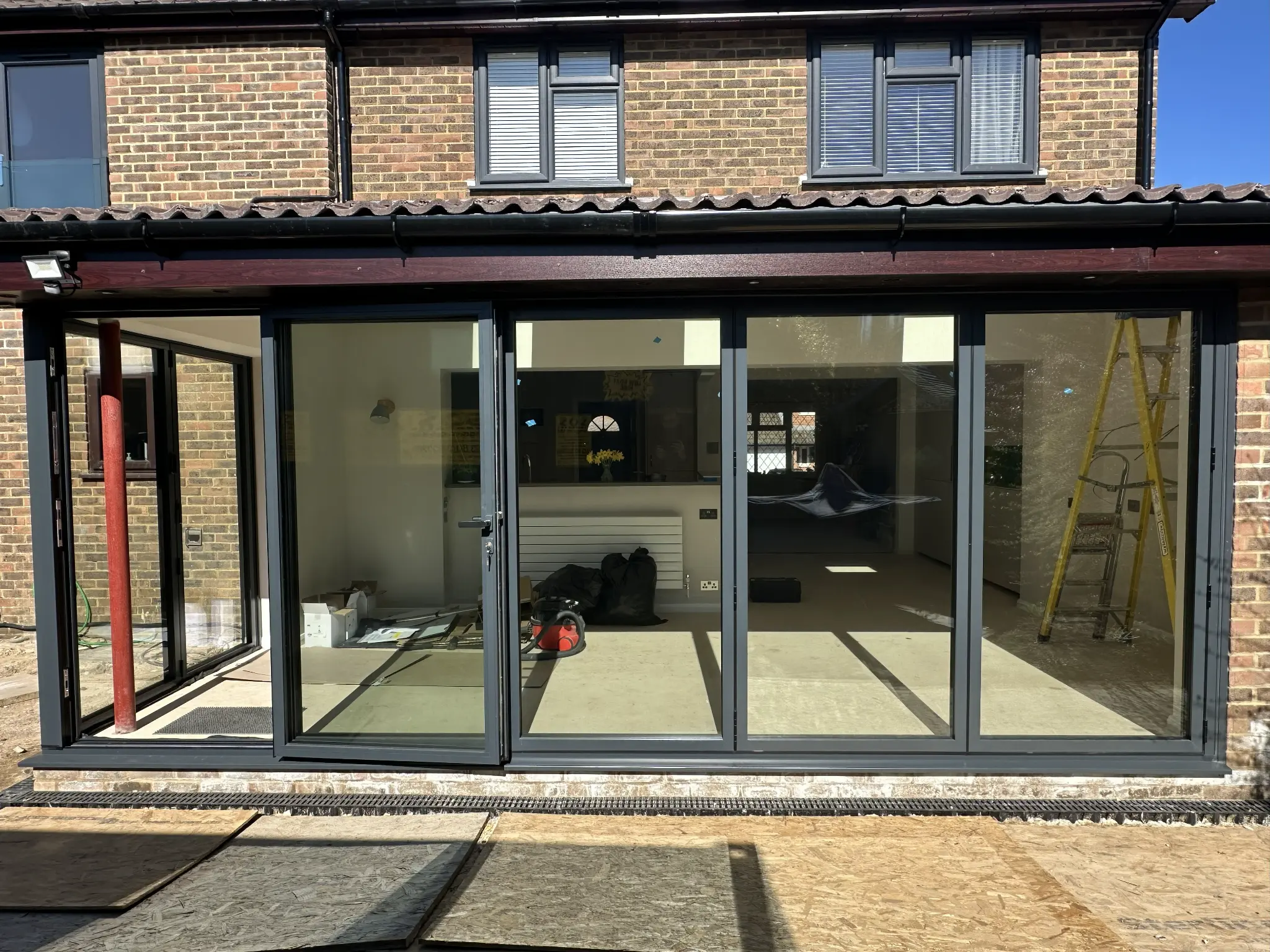
- Sliding Windows/Doors: Can provide good cross-ventilation when open, but the opening area is typically limited to 50% of the total unit width.
- Vertical Sliding Sash Windows: Allow for both high and low-level ventilation simultaneously, supporting the stack effect.
- Rooflights and Skylights: Crucial for stack effect ventilation, especially in multi-storey homes or those with vaulted ceilings. Automated rooflights can be linked to sensors for optimal performance.
- Trickle Vents: Small, adjustable vents integrated into window frames or installed in walls, providing continuous background ventilation without compromising security or thermal performance when closed.
Benefits of Optimised Natural Ventilation
Healthier Living Environment
Dilutes indoor pollutants, reduces CO2 levels, and minimises allergens, leading to improved respiratory health and overall well-being for occupants.
Reduced Energy Bills
Less reliance on mechanical cooling and ventilation systems translates directly into lower electricity consumption and heating costs, particularly during transitional seasons.
Enhanced Thermal Comfort
Provides effective passive cooling during warmer periods, preventing overheating and creating a more pleasant indoor climate without the need for air conditioning.
Sustainable Home Design
Contributes to a lower carbon footprint by utilising natural, renewable forces for air exchange, aligning with modern environmental goals and building standards.
Integrating Natural Ventilation into Your Home
Whether you're planning an extension, renovating an existing property, or simply looking to improve your current home, consider the following:
- Room Layout: Design open-plan areas or ensure internal doors can be opened to allow air to flow freely between spaces.
- Window Placement: Position windows strategically on opposite walls for cross-ventilation. For stack effect, ensure a good vertical separation between inlet and outlet openings.
- Glazing Choices: Opt for high-performance windows and doors that meet or exceed Part L U-value requirements. This ensures that while you can ventilate naturally, your home remains thermally efficient when windows are closed.
- Automated Systems: For advanced control, consider automated window openers or rooflights that can be programmed or linked to temperature/CO2 sensors to open and close as needed.
- Consult Professionals: For significant renovations or new builds, consult with architects, energy assessors, or ventilation specialists. They can conduct simulations and provide tailored advice to optimise natural ventilation for your specific property and local climate.
Natural ventilation is a powerful, sustainable tool for creating comfortable, healthy, and energy-efficient homes in the UK. By understanding its principles and carefully integrating them into your property's design, you can harness the power of nature to your advantage.
At Shard AG, we specialise in providing high-performance glazing solutions that support optimal natural ventilation while ensuring thermal efficiency and security. Our extensive range of windows, doors, and rooflights are designed to meet stringent UK Building Regulations, offering excellent U-values and integrated ventilation options like trickle vents. We work with homeowners and professionals to specify products that enhance indoor air quality and comfort, contributing to a truly sustainable living environment. Contact us to discuss how our bespoke glazing solutions can elevate your natural ventilation strategy.
Explore Our Products
Discover how Shard Architectural Glazing can transform your home with our premium glazing solutions:
Ready to Transform Your Home?
Get in touch with our expert team for a free consultation and personalised quote. We'll help you choose the perfect glazing solution for your property.