

Open Plan Living & Glazing: A UK Homeowner's Guide
Discover how architectural glazing transforms open plan living in UK homes. Learn about design considerations, Building Regulations, energy efficiency, and practical tips.

Shard Architectural Glazing
30 April 2026
Discover how architectural glazing transforms open plan living in UK homes. Learn about design considerations, Building Regulations, energy efficiency, and practical tips.
📋In This Article
Open plan living has become a cornerstone of modern UK home design, offering a sense of spaciousness, light, and connectivity. When combined with innovative architectural glazing solutions, this design philosophy can truly transform a property, blurring the lines between indoor and outdoor spaces and enhancing natural light penetration. However, creating a successful open plan area with extensive glazing requires careful planning, an understanding of technical specifications, and adherence to UK Building Regulations.
The Appeal of Open Plan Living with Glazing
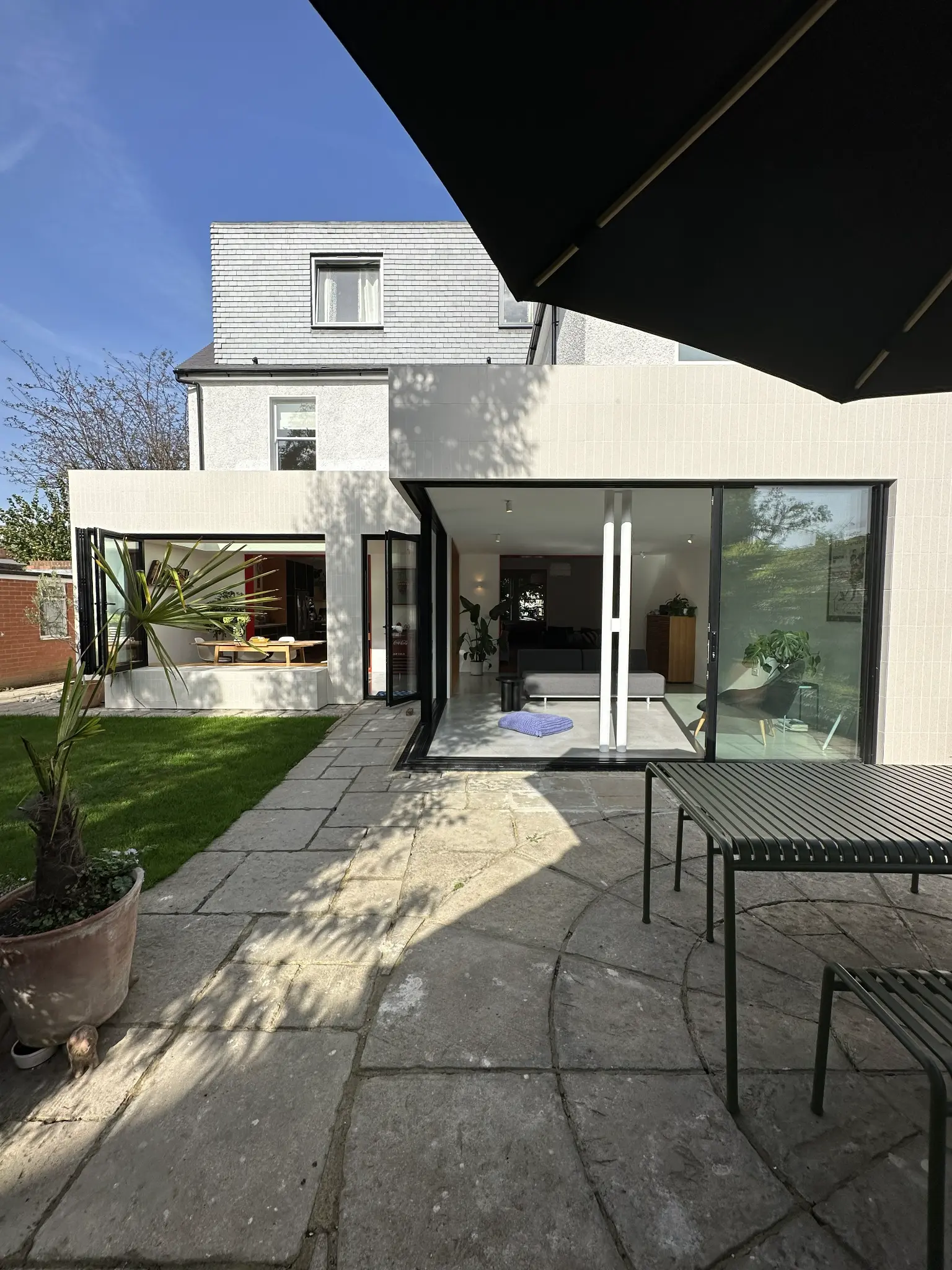
The desire for open, flowing spaces is driven by several factors, including changing lifestyles, a need for more versatile living areas, and the aesthetic appeal of light-filled interiors. Integrating large expanses of glass, such as bi-fold doors, sliding doors, or expansive fixed glazing, amplifies these benefits significantly.
Enhanced Natural Light
Large glazing units maximise daylight entry, reducing the need for artificial lighting and creating brighter, more inviting interiors. This can positively impact mood and well-being.
Seamless Indoor-Outdoor Flow
Bi-fold or sliding doors can effectively 'open up' an entire wall, connecting internal living spaces with gardens or patios, perfect for entertaining or enjoying warmer weather.
Perceived Space & Airiness
Removing internal walls and introducing large glazed elements makes rooms feel significantly larger and less confined, even in smaller properties.
Improved Views & Connection
Expansive glazing frames external views, bringing the outside in and fostering a greater connection with the surrounding environment.
Design Considerations for Open Plan Glazing
Achieving the perfect open plan glazed space involves more than just selecting large windows. It requires a holistic approach to design, functionality, and structural integrity.
Structural Implications
Removing internal walls, especially load-bearing ones, is a significant undertaking. It will almost certainly require the installation of new structural supports, such as steel beams (RSJs) or timber lintels, to carry the weight of the floors or roof above. This work must be designed by a qualified structural engineer and approved by local Building Control. Neglecting this step can have serious safety implications.
Glazing Type and Configuration
The choice of glazing system is crucial for both aesthetics and performance:
- Bi-fold Doors: Offer a near-complete opening, stacking panels neatly to one side. Ideal for creating a wide, unobstructed connection to the outdoors. Consider threshold options (flush or weathered) for accessibility and weather protection.
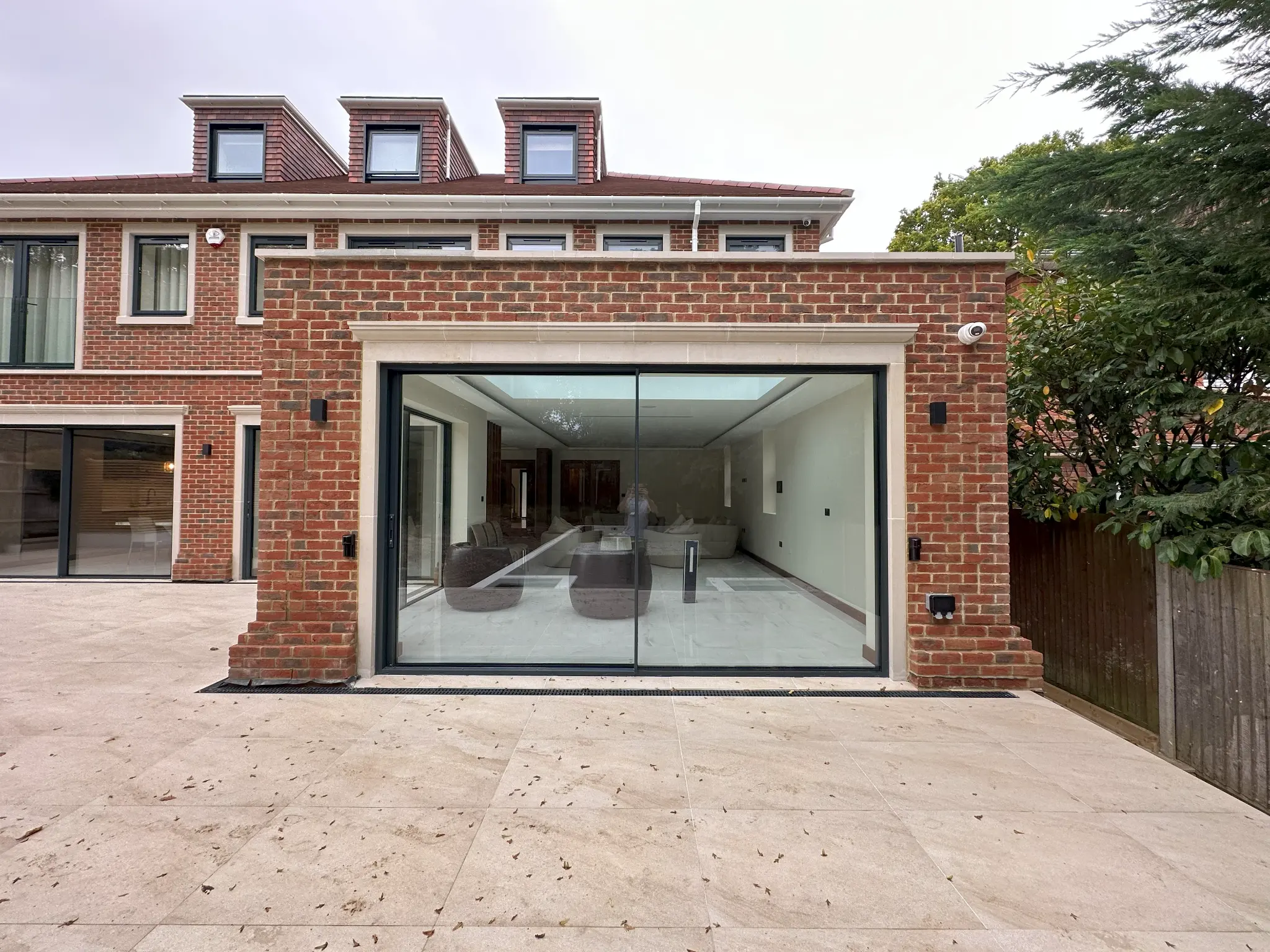
- Sliding Doors (Patio Doors): Provide large, uninterrupted glass panels, offering excellent views even when closed. They slide parallel to each other, saving space, but typically only allow 50% or 66% of the opening to be clear.
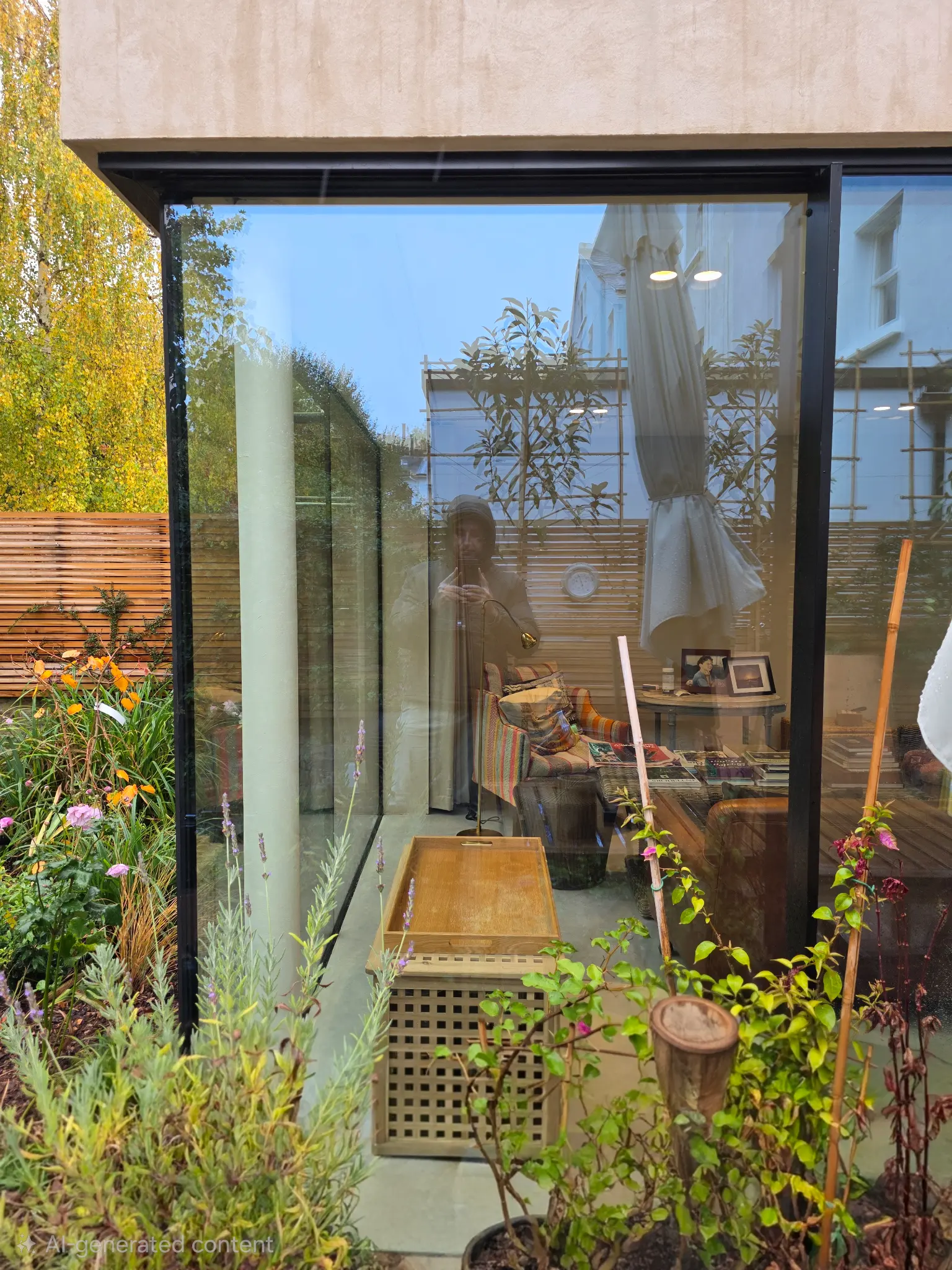
- Fixed Glazing: Large, non-opening panels that maximise light and views. Often used in conjunction with opening elements or as feature windows.
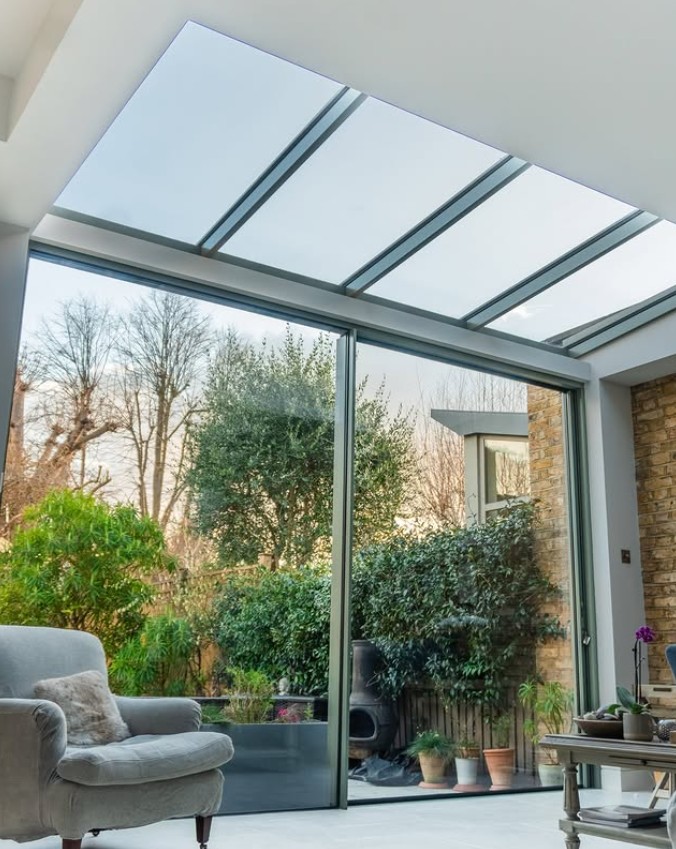
- Rooflights/Skylights: Essential for bringing light deep into open plan spaces, especially in single-storey extensions or areas far from external walls.
Solar Gain and Shading
While natural light is desirable, excessive solar gain (overheating) can be an issue, particularly with south-facing glazing. Consider:
- Solar Control Glass: Special coatings that reflect or absorb a portion of the sun's energy, reducing heat build-up without significantly impacting light transmission.
- External Shading: Overhangs, brise soleil, or external blinds can effectively block direct sunlight during peak hours.
- Internal Blinds/Curtains: Offer flexible control over light and privacy.
Privacy and Acoustics
Open plan spaces can sometimes lack privacy and suffer from increased noise reverberation. Strategies include:
- Zoning: Using furniture, rugs, or subtle level changes to define different areas within the open space.
- Acoustic Treatments: Soft furnishings, strategically placed rugs, and even acoustic panels can help absorb sound.
- Glazing Options: Consider laminated glass for improved sound insulation where external noise is a concern.
Pro Tip
When planning your open plan layout, consider the 'flow' of daily activities. Think about how cooking, dining, and relaxing will interact. Position large glazed elements to maximise views and light in the most frequently used areas, but also consider privacy from neighbours.
UK Building Regulations and Energy Efficiency
Any significant alteration to your home, especially structural changes or the addition of new glazed elements, will be subject to UK Building Regulations. Compliance is mandatory for safety, structural integrity, and energy efficiency.
Part L: Conservation of Fuel and Power
This section is critical for glazing. It sets minimum standards for the thermal performance of building elements to limit heat loss and carbon emissions. For new extensions or new dwellings, specific U-values (a measure of heat loss, where lower is better) must be met:
| Building Element | U-Value Requirement (W/m²K) |
|---|---|
| Walls (New Build & Extensions) | 0.18 |
| Floors | 0.18 |
| Roofs | 0.15 |
| Windows/Doors (New Build) | 1.2 |
| Windows/Doors (Replacement) | 1.4 |
| Party Walls | 0.0 |
These values (correct for Building Regulations Part L 2022, England) mean that your new glazing must be highly energy-efficient, typically requiring double or even triple glazing with low-emissivity (low-e) coatings and argon gas filling. Your chosen glazing supplier should be able to provide U-value certificates for their products.
Part B: Fire Safety
Removing walls can impact fire escape routes and the spread of fire. Open plan layouts may require specific fire safety measures, such as enhanced fire detection systems, sprinkler systems, or fire-rated doors/screens to maintain safe escape routes. Always consult with Building Control and a fire safety expert.
Part A: Structure
As mentioned, any structural alterations, such as removing load-bearing walls, require calculations from a structural engineer and approval from Building Control to ensure the stability of the building.
Part K: Protection from Falling, Collision and Impact
This part addresses safety glazing. Any glazing in critical locations (e.g., within 800mm of floor level, or in/around doors) must be safety glass (toughened or laminated) to prevent serious injury in case of breakage.
It is highly advisable to engage an architect or experienced designer and to formally notify your local authority's Building Control department before commencing any work. They will ensure your plans comply with all relevant regulations.
Material Choices for Glazing Frames
The frame material significantly impacts the aesthetics, performance, and maintenance requirements of your glazing.
- Aluminium: Highly durable, strong, and allows for very slim sightlines, maximising glass area. Excellent thermal performance can be achieved with thermal breaks. Available in a wide range of powder-coated colours.
- Timber: Offers a natural, warm aesthetic. Good thermal properties. Requires more maintenance (painting/staining) than other materials.
- uPVC: Cost-effective and low maintenance. Good thermal performance. Frame profiles can be thicker than aluminium or timber.
- Composite (Alu-Clad/Timber-Alu): Combines the best of both worlds – timber internally for warmth, aluminium externally for durability and low maintenance.
Maintenance and Longevity
Modern glazing systems are designed for longevity, but regular maintenance is key:
- Cleaning: Regular cleaning of glass and frames will maintain aesthetics and prevent build-up of dirt that could affect moving parts.
- Hardware Checks: Periodically check hinges, locks, and runners on opening doors. Lubricate moving parts as per manufacturer guidelines.
- Seals and Gaskets: Inspect seals for signs of perishing or damage, which can compromise weatherproofing and thermal performance.
The Shard AG Difference
At Shard AG, we understand the complexities and opportunities that architectural glazing presents for open plan living. Our expertise in designing, supplying, and installing high-performance glazing solutions ensures that your project not only looks stunning but also meets the stringent demands of UK Building Regulations and provides lasting energy efficiency and comfort. We work closely with homeowners, architects, and builders to deliver bespoke glazing that perfectly complements your open plan vision, from initial concept to final installation.
Explore Our Products
Discover how Shard Architectural Glazing can transform your home with our premium glazing solutions:
Ready to Transform Your Home?
Get in touch with our expert team for a free consultation and personalised quote. We'll help you choose the perfect glazing solution for your property.