

Open Plan Living & Glazing: Design, Regulations & Benefits
Explore the world of open plan living with architectural glazing. Understand design considerations, UK Building Regulations, and practical tips for a stunning, compliant home.

Shard Architectural Glazing
12 May 2026
Explore the world of open plan living with architectural glazing. Understand design considerations, UK Building Regulations, and practical tips for a stunning, compliant home.
📋In This Article
Open plan living has become a cornerstone of modern home design in the UK, offering a sense of spaciousness, light, and connectivity that traditional layouts often lack. When combined with architectural glazing – from expansive bifold doors and sliding systems to large picture windows and rooflights – the potential for transforming a home is immense. This guide delves into the intricacies of creating open plan spaces with glazing, covering design considerations, technical specifications, and crucial UK Building Regulations.
The Appeal of Open Plan Living with Glazing
The desire for open plan spaces stems from a shift in lifestyle, favouring communal areas for family interaction, entertaining, and a more fluid connection with the outdoors. Glazing plays a pivotal role in enhancing these benefits, effectively blurring the lines between interior and exterior environments.
Enhanced Natural Light
One of the most immediate and impactful benefits is the significant increase in natural light. Large glazed elements allow daylight to penetrate deep into the floor plan, reducing reliance on artificial lighting and creating a brighter, more uplifting atmosphere. This can have positive effects on mood and well-being.
Improved Sense of Space
By removing internal walls and incorporating extensive glazing, rooms feel larger and more expansive. This is particularly beneficial in smaller properties where maximising every square metre is crucial. The visual connection to a garden or patio through large glass doors can make an internal space feel like it extends far beyond its physical boundaries.
Better Connectivity and Flow
Open plan layouts foster better communication and interaction within the household. Parents can supervise children while cooking, and guests can socialise freely between kitchen, dining, and living areas. Glazing reinforces this by providing uninterrupted views and easy access to outdoor spaces, perfect for entertaining.
Architectural Statement
Modern glazing solutions are not just functional; they are also significant architectural features. Sleek frames, expansive glass panels, and innovative opening mechanisms can elevate the aesthetic appeal of a property, adding a contemporary touch and increasing its market value.
Design Considerations for Open Plan Glazing
While the benefits are clear, careful planning is essential to ensure an open plan glazed space is both beautiful and functional.
Layout and Zoning
Even in an open plan space, defining distinct zones for different activities (e.g., kitchen, dining, living) is important. This can be achieved through clever furniture arrangement, changes in flooring materials, or subtle level changes. Glazing can also help define zones, for example, a large bifold door system might open from the dining area to a patio, creating a seamless indoor-outdoor dining zone.
Thermal Performance and U-Values
Large expanses of glass can be a weak point for thermal efficiency if not specified correctly. It is crucial to choose high-performance glazing. The U-value measures how well a building element prevents heat from escaping. A lower U-value indicates better insulation. For new builds, extensions, and replacement windows/doors in England, current UK Building Regulations Part L (2022) specify a maximum U-value of 1.2 W/m²K for new build windows/doors and 1.4 W/m²K for replacement windows/doors. Always aim for the lowest U-value possible within your budget.
Solar Gain and Shading
While natural light is desirable, excessive solar gain can lead to overheating, especially in south-facing rooms. Consider strategies such as:
- Solar Control Glass: Special coatings on the glass can reflect a percentage of solar energy while still allowing light through.
- External Shading: Awnings, pergolas, brise soleil, or even strategically planted deciduous trees can provide shade in summer and allow winter sun.
- Internal Blinds/Curtains: While effective, these can sometimes detract from the open feel.
Ventilation
Open plan spaces require effective ventilation to prevent stuffiness and manage humidity, particularly in kitchen areas. Large glazed doors offer excellent natural ventilation when open, but consider trickle vents or integrated ventilation systems for periods when doors are closed.
Privacy
Extensive glazing can compromise privacy, especially in urban environments. Solutions include frosted or switchable privacy glass for certain areas, strategic landscaping, or smart blind systems.
Structural Considerations
Removing internal walls often requires the installation of structural steel beams (RSJs) to support the upper floors or roof. This is a critical aspect that must be designed by a qualified structural engineer and approved by Building Control.
Pro Tip
When planning your open plan layout, consider the orientation of your property. South-facing glazing will offer maximum light but also maximum solar gain. North-facing glazing provides consistent, diffused light but can feel cooler. East and west-facing glazing offer morning and evening sun respectively, which can be pleasant but also lead to glare.
UK Building Regulations and Compliance
Any significant alteration to your home, especially those involving structural changes or changes to thermal performance, will fall under UK Building Regulations. Compliance is mandatory to ensure safety, energy efficiency, and structural integrity.
Part A: Structure
Removing load-bearing walls requires a structural engineer's calculations and Building Control approval for the new support system (e.g., steel beams). This is non-negotiable for safety.
Part B: Fire Safety
Open plan layouts can impact fire safety. In traditional homes, walls and doors act as fire breaks. In open plan spaces, fire can spread more rapidly. Building Control may require specific measures, such as:
- Protected Escape Routes: Ensuring there's a clear, safe escape route, potentially involving fire-rated doors for specific rooms (e.g., a utility room off the kitchen).
- Interlinked Smoke Detectors: Mandatory in open plan areas, often requiring mains-powered, interlinked smoke and heat detectors on each floor.
- Sprinkler Systems: In some larger or more complex open plan new builds or extensions, sprinklers might be required, though this is less common for typical residential renovations.
It is always advisable to consult with your local Building Control body early in the design process to understand their specific requirements for fire safety in open plan schemes.
Part L: Conservation of Fuel and Power (Thermal Performance)
This is where glazing specifications are crucial. As mentioned, new windows and doors must meet stringent U-value requirements. The overall thermal performance of the extension or altered part of the dwelling must comply. Here are the current (2022 England) U-value requirements:
| Building Element | U-value Requirement (W/m²K) |
|---|---|
| Walls (new build & extensions) | 0.18 |
| Floors (new build & extensions) | 0.18 |
| Roofs (new build & extensions) | 0.15 |
| Windows/Doors (new build) | 1.2 |
| Windows/Doors (replacement) | 1.4 |
| Party Walls | 0.0 |
Meeting these values often requires high-performance double or triple glazing, thermally broken frames, and careful installation to prevent cold bridging.
Part F: Ventilation
Adequate ventilation must be maintained. This includes natural ventilation (e.g., openable windows/doors, trickle vents) and potentially mechanical extract ventilation, especially in kitchens and bathrooms within or adjacent to open plan areas.
Planning Permission vs. Building Control
It's important to distinguish between Planning Permission and Building Control. Planning Permission relates to the appearance and impact of your project on the local area. Building Control ensures the structural integrity, safety, and energy efficiency of the construction itself. Many internal alterations do not require planning permission but almost always require Building Control approval.
Types of Glazing for Open Plan Spaces
The choice of glazing system significantly impacts the aesthetics and functionality of your open plan area.
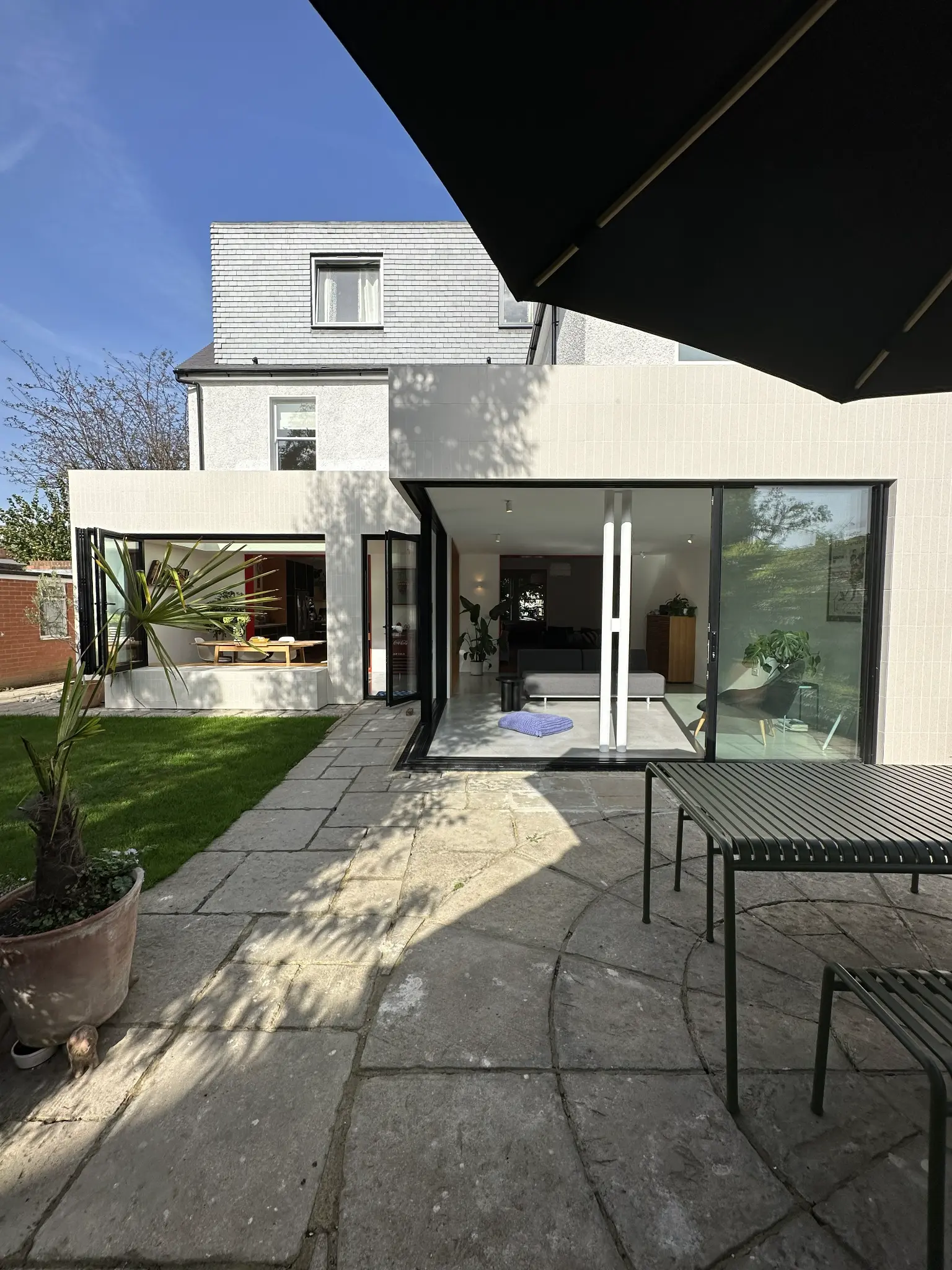
- Bifold Doors: Offer a near-seamless transition to the outdoors, folding back to create a wide opening. Ideal for connecting living spaces to gardens or patios.
- Sliding Doors: Provide large, uninterrupted panes of glass, offering expansive views. They slide horizontally, making them suitable for areas where space for bifolds to fold back is limited.
- Picture Windows: Large, fixed panes of glass designed purely for views and light. They are incredibly thermally efficient due to their fixed nature.
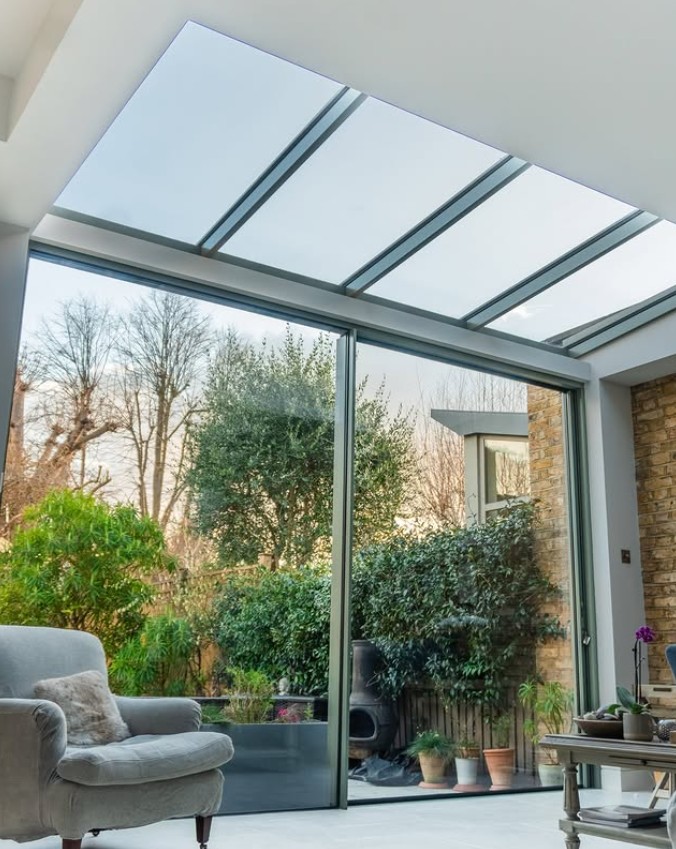
- Rooflights and Lanterns: Crucial for bringing light into deeper, open plan areas, especially in single-storey extensions or where side windows are restricted.
- Frameless Glazing: For the ultimate minimalist aesthetic, frameless glass walls or doors offer maximum transparency, though they can be more expensive and require specialist installation.
Benefits of Open Plan Glazing
Increased Property Value
Modern, well-designed open plan spaces with high-quality glazing are highly desirable, significantly enhancing a property's appeal and market value.
Enhanced Lifestyle
Enjoy a brighter, more connected home environment that facilitates family interaction, entertaining, and a stronger link to your outdoor space.
Energy Efficiency
With high-performance glazing, open plan designs can be surprisingly energy-efficient, reducing heating costs and improving comfort through better natural light and passive solar gain.
Architectural Sophistication
Transform your home into a contemporary masterpiece. Large glazed elements create a striking visual impact, showcasing modern design principles and craftsmanship.
Maintenance and Longevity
To ensure your open plan glazing remains beautiful and functional for years, regular maintenance is key.
- Cleaning: Regular cleaning of glass and frames prevents dirt build-up and maintains clarity. Use appropriate cleaning solutions for glass and frame materials (e.g., uPVC, aluminium, timber).
- Hardware Checks: Periodically check hinges, locks, and sliding mechanisms for smooth operation. Lubricate moving parts as recommended by the manufacturer.
- Seals and Gaskets: Inspect seals and gaskets for any signs of wear, cracking, or perishing. Damaged seals can compromise thermal performance and weather resistance.
- Drainage: Ensure drainage channels in door sills are clear of debris to prevent water accumulation.
High-quality glazing systems from reputable manufacturers are designed for longevity, often coming with extensive warranties. Aluminium frames, for example, are known for their durability and low maintenance.
The Shard AG Difference
Creating a successful open plan living space with architectural glazing requires expertise, precision, and a deep understanding of both design and regulations. At Shard AG, we specialise in providing bespoke glazing solutions that transform homes across the UK. From initial design consultation and structural considerations to the meticulous installation of high-performance bifold doors, sliding systems, and rooflights, our team ensures your vision is brought to life with adherence to the highest standards and all relevant UK Building Regulations. We pride ourselves on delivering exceptional quality, thermal efficiency, and stunning aesthetics, helping you achieve the open plan living space of your dreams.
Explore Our Products
Discover how Shard Architectural Glazing can transform your home with our premium glazing solutions:
Ready to Transform Your Home?
Get in touch with our expert team for a free consultation and personalised quote. We'll help you choose the perfect glazing solution for your property.