Orangery vs. Conservatory Glazing: A UK Homeowner's Guide
Explore the glazing differences between orangeries and conservatories for UK homes. Understand U-values, Building Regs, and design choices for your extension.

Shard Architectural Glazing
17 May 2026
Explore the glazing differences between orangeries and conservatories for UK homes. Understand U-values, Building Regs, and design choices for your extension.
📋In This Article
Choosing between an orangery and a conservatory for your home extension is a significant decision, and the glazing you select plays a pivotal role in its performance, appearance, and compliance with UK Building Regulations. Both structures offer fantastic ways to add light and space, but their fundamental design, particularly concerning their glazed elements, sets them apart. This guide will delve into the technical aspects of glazing for each, helping you make an informed choice.
Understanding Orangeries and Conservatories
Before we dive into the specifics of glazing, it's crucial to understand the core distinctions between these two popular home additions.
What is a Conservatory?
Traditionally, a conservatory is characterised by its extensive glazing, typically featuring over 50% of its wall area and over 75% of its roof area made from transparent or translucent materials. They are often seen as a direct extension of the garden, designed to maximise natural light and offer panoramic views. Historically, conservatories were exempt from certain Building Regulations, provided they met specific criteria, such as being thermally separated from the main dwelling and having an independent heating system.
What is an Orangery?
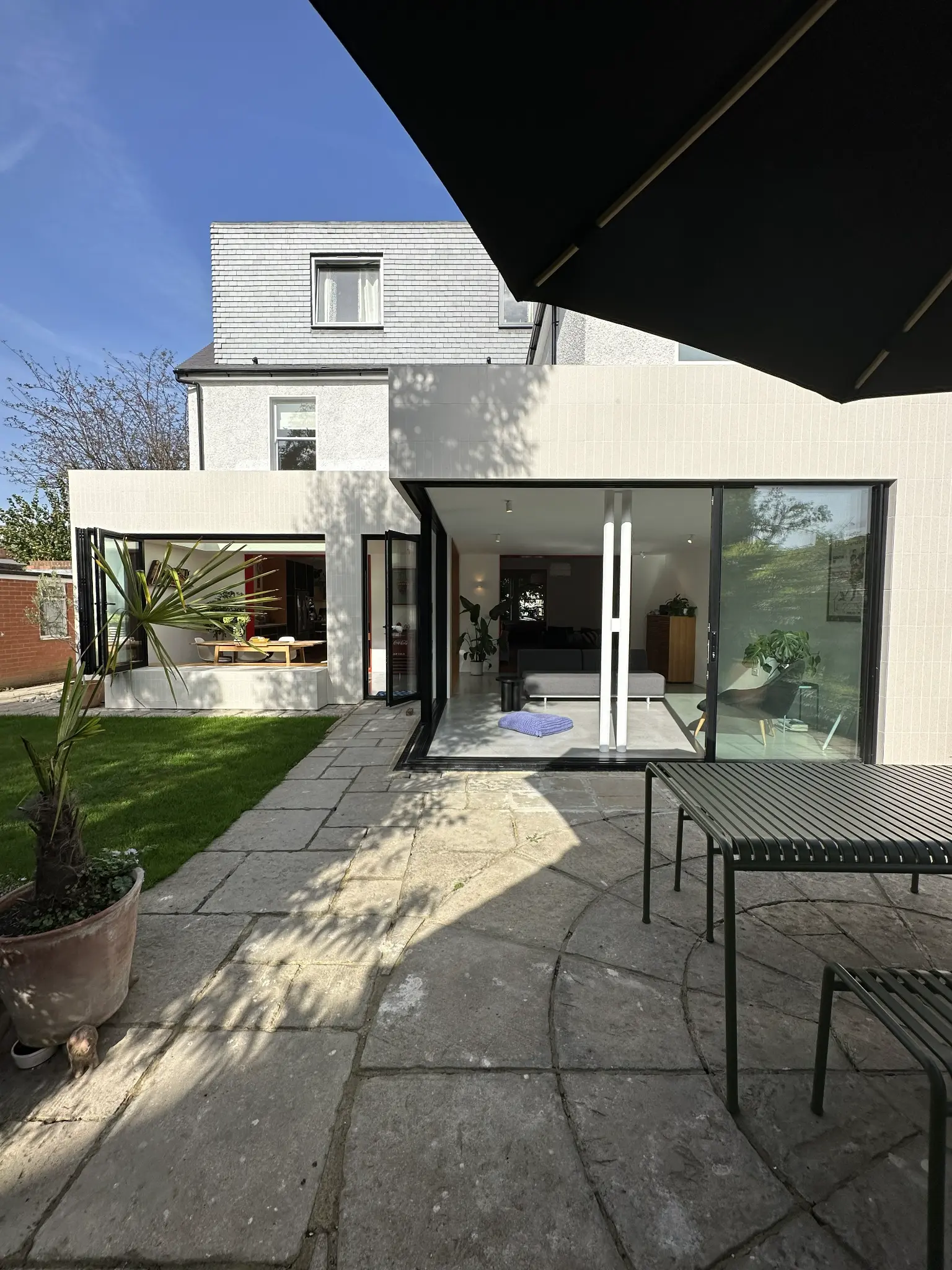
An orangery, in contrast, offers a more substantial, 'room-like' feel. While still featuring significant glazing, particularly in the roof (often a glazed lantern or rooflight), it incorporates more solid wall construction than a traditional conservatory. Typically, an orangery will have less than 50% of its wall area glazed and may feature a flat roof perimeter with a central glazed section. This solid structure often allows for better thermal performance and integration with the existing property.
Glazing Performance and U-Values
The thermal performance of your glazing is paramount, impacting energy efficiency, comfort, and Building Regulations compliance. This is measured by the U-value, which indicates how effectively a material insulates. A lower U-value signifies better insulation and less heat loss.
Understanding U-Values for Glazing
- Single Glazing: Typically U-values around 5.0 W/m²K. Rarely used in modern extensions due to poor thermal performance.
- Double Glazing: Standard for most new installations. U-values range from 1.2 to 1.6 W/m²K, depending on the glass type, spacer bars, and gas filling (e.g., argon).
- Triple Glazing: Offers superior thermal performance, with U-values as low as 0.8 to 1.0 W/m²K. This involves three panes of glass with two sealed cavities.
Pro Tip
Always request the specific U-values for the entire glazed unit, including the frame, not just the glass pane. The overall U-value (Uw for windows, Ud for doors) is what matters for Building Regulations compliance.
UK Building Regulations Part L (Conservation of Fuel and Power)
For new extensions, including orangeries and conservatories that are considered 'thermally open' to the main dwelling, strict U-value requirements apply. The 2022 amendments to Part L of the Building Regulations (England) set the following standards for new builds and extensions:
- Walls: 0.18 W/m²K
- Floors: 0.18 W/m²K
- Roofs: 0.15 W/m²K
- Windows/Doors (new build): 1.2 W/m²K
- Windows/Doors (replacement): 1.4 W/m²K
A traditional conservatory, if thermally separated from the main house, may be exempt from these specific U-value requirements for its structure. However, if you plan to integrate it fully into your home's heating system or remove the separating doors, it will then be subject to the full Building Regulations for extensions, including the U-value requirements for walls, roof, and glazing.
Orangeries, due to their more solid construction and often being designed as a permanent, heated room, are typically subject to these full Building Regulation requirements from the outset. This means their solid walls, roof, and glazed elements must all meet the specified U-values.
Glazing Options and Considerations
Beyond U-values, several other factors influence glazing choice for both orangeries and conservatories.
Glass Types
- Low-Emissivity (Low-E) Glass: Essential for energy efficiency. A microscopic coating reflects heat back into the room in winter and reduces heat gain in summer.
- Solar Control Glass: Specifically designed to reduce solar heat gain, preventing overheating in sunny extensions. It can have a slight tint or reflective appearance.
- Self-Cleaning Glass: Features a special coating that uses sunlight and rain to break down and wash away dirt, reducing maintenance.
- Laminated or Toughened Safety Glass: Required in critical locations (e.g., low-level glazing, doors, roof glazing) for safety, as per Building Regulations Part K. Laminated glass also offers enhanced security and sound reduction.
Frame Materials
The frame material significantly impacts thermal performance, aesthetics, and maintenance.
- uPVC: Cost-effective, low maintenance, and offers good thermal performance. Available in various colours and finishes.
- Aluminium: Strong, durable, and allows for slimmer sightlines, maximising glass area. Excellent for contemporary designs. Modern aluminium frames incorporate thermal breaks to prevent heat transfer.
- Timber: Offers a classic, natural aesthetic. Requires more maintenance but can achieve excellent thermal performance, especially with engineered timber.
- Composite (e.g., Aluminium clad timber): Combines the best of both worlds – timber internally for warmth, aluminium externally for durability and low maintenance.
Roof Glazing
This is where orangeries and conservatories diverge most significantly.
- Conservatory Roofs: Typically fully glazed, often using polycarbonate or glass panels. Glass roofs are preferred for better aesthetics and longevity. Options include active solar control glass to prevent overheating and self-cleaning coatings.
- Orangery Roof Lanterns/Rooflights: A central glazed element within a solid, insulated flat roof. This allows for excellent light penetration while retaining the thermal performance and 'room-like' feel of the solid roof. Glazing for roof lanterns should always be high-performance, often triple-glazed, and incorporate solar control and low-E properties.
Design and Aesthetic Considerations
The choice of glazing profoundly influences the overall look and feel of your extension.
- Light Transmission: Conservatories maximise light, offering a bright, airy space. Orangeries, with their more solid structure, provide a balance, often creating a more intimate and less exposed feel.
- Privacy: The extensive glazing of a conservatory can sometimes lead to privacy concerns, especially if overlooked. Orangeries, with their solid walls, offer more opportunities for privacy and wall space for furniture or artwork.
- Style: Slim-framed aluminium glazing suits modern, minimalist designs, while uPVC or timber might be chosen for more traditional or period properties. The colour of the frames can also dramatically alter the aesthetic.
- Ventilation: Integrated vents, trickle vents, and opening windows or roof vents are crucial for managing temperature and preventing condensation in both structures.
Orangery vs. Conservatory Glazing Comparison
Here's a summary of key glazing differences and considerations:
| Feature | Traditional Conservatory Glazing | Orangery Glazing |
|---|---|---|
| Wall Glazing % | Typically >50% (often much higher) | Typically <50% |
| Roof Glazing % | Typically >75% (fully glazed roof) | Central roof lantern or rooflight within a solid roof |
| Typical U-values (Windows/Doors) | 1.2 - 1.4 W/m²K (for thermally separated, exempt structures, may be less strict, but best practice is to meet these) | 1.2 W/m²K (often aiming for lower for overall building fabric compliance) |
| Typical U-values (Roof) | Glass roofs: 1.0 - 1.6 W/m²K (often higher for older polycarbonate) | Roof lantern: 0.8 - 1.2 W/m²K (often triple glazed); Solid roof perimeter: 0.15 W/m²K |
| Building Regulations | May be exempt if thermally separated and unheated (check specific criteria) | Typically subject to full Building Regulations for extensions |
| Overheating Risk | Higher, due to extensive glazing; solar control glass crucial | Lower, due to more solid structure; solar control still beneficial for roof lantern |
| Integration with Home | Often seen as a distinct, separate space | Designed to feel like a seamless extension of the main house |
Making the Right Choice for Your Home
Energy Efficiency
High-performance glazing with low U-values, low-E coatings, and argon gas filling significantly reduces heat loss, lowering energy bills and enhancing comfort year-round.
Comfort and Liveability
Correct glazing choices mitigate overheating in summer and cold spots in winter, ensuring your extension is a comfortable, usable space regardless of external temperatures.
Compliance & Value
Meeting UK Building Regulations with appropriate glazing ensures your extension is legal, safe, and adds genuine value to your property, avoiding potential issues upon resale.
Aesthetics & Light
The right glazing enhances natural light, provides stunning views, and complements your home's architectural style, creating a beautiful and inviting space.
The decision between an orangery and a conservatory, and subsequently the glazing choices, should be driven by your specific needs, budget, and how you intend to use the space. If you desire a bright, garden-integrated room with maximum light, a conservatory might be ideal, provided you address thermal performance to avoid it becoming too hot or cold. If you're looking for a more substantial, integrated extension that feels like a natural part of your home, with excellent thermal performance and a balance of light and solid structure, an orangery is likely the better choice.
Always consult with experienced professionals who can guide you through the design process, advise on the most suitable glazing specifications, and ensure full compliance with current UK Building Regulations. They can help you navigate the complexities of U-values, glass types, and frame materials to achieve an extension that is both beautiful and highly functional.
At Shard AG, we specialise in high-performance architectural glazing solutions for both orangeries and conservatories across the UK. Our expert team can provide tailored advice and bespoke glazing products to meet your project's unique requirements, ensuring optimal thermal performance, stunning aesthetics, and full compliance with all relevant Building Regulations.
Explore Our Products
Discover how Shard Architectural Glazing can transform your home with our premium glazing solutions:
Ready to Transform Your Home?
Get in touch with our expert team for a free consultation and personalised quote. We'll help you choose the perfect glazing solution for your property.