

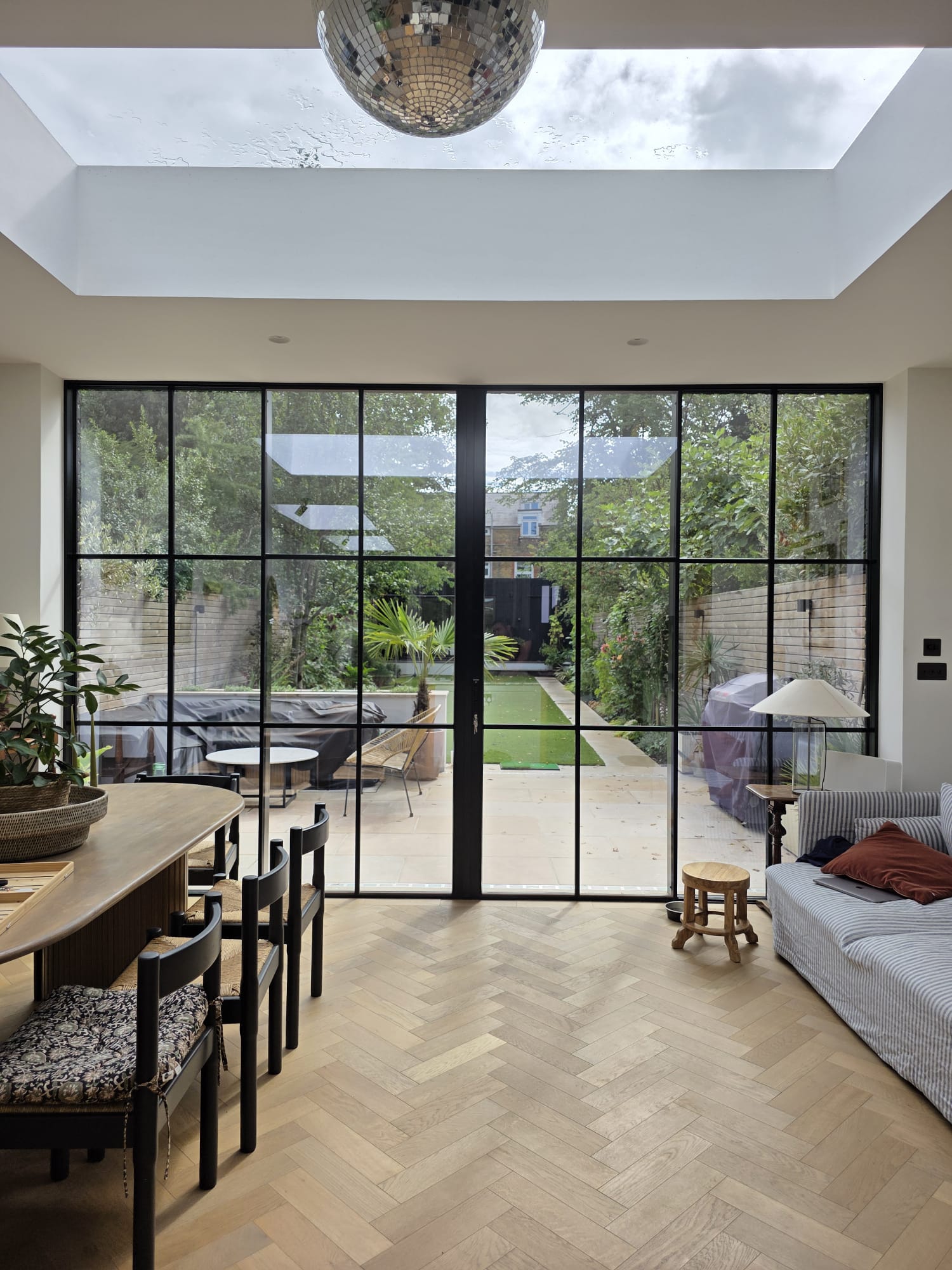
Period Property Glazing: Balancing Heritage & Modern Comfort
Discover how to upgrade glazing in UK period properties, balancing historical aesthetics with modern energy efficiency and Building Regulations compliance.

Shard Architectural Glazing
9 February 2026
Discover how to upgrade glazing in UK period properties, balancing historical aesthetics with modern energy efficiency and Building Regulations compliance.
📋In This Article
Owning a period property in the UK is a unique privilege, offering character, history, and often stunning architectural details. However, these charming homes frequently come with challenges, particularly when it comes to glazing. Original windows, while beautiful, are often single-glazed, leading to significant heat loss, draughts, and poor sound insulation. Upgrading your period property's glazing requires a delicate balance: preserving its historical integrity while enhancing comfort, energy efficiency, and meeting modern Building Regulations.
This guide will delve into the nuances of period property glazing, exploring the options available, the regulations you need to consider, and practical advice to help you make informed decisions.
Understanding Period Property Windows
Period properties encompass a wide range of architectural styles, each with distinct window designs. Understanding these styles is crucial before considering any upgrades:
- Georgian (1714-1837): Typically feature symmetrical designs, often with six-over-six pane sash windows. Glazing bars are usually slender.
- Victorian (1837-1901): Sash windows remain popular, but often with two-over-two or one-over-one pane configurations, sometimes with decorative stained glass in upper sashes. Bay windows became common.
- Edwardian (1901-1910): Often feature larger panes in the lower sash and smaller, multi-paned sections (often with leaded or stained glass) in the upper sash. Casement windows also grew in popularity.
- Arts & Crafts (late 19th - early 20th century): Characterised by leaded lights, often with small, rectangular panes, and timber casement windows.
- Art Deco (1920s-1930s): Steel-framed windows with geometric patterns, often curved or with Crittall-style designs.
The original materials were predominantly timber (softwood or hardwood) for sash and casement windows, and steel for later styles. These materials contribute significantly to the property's authentic appearance.
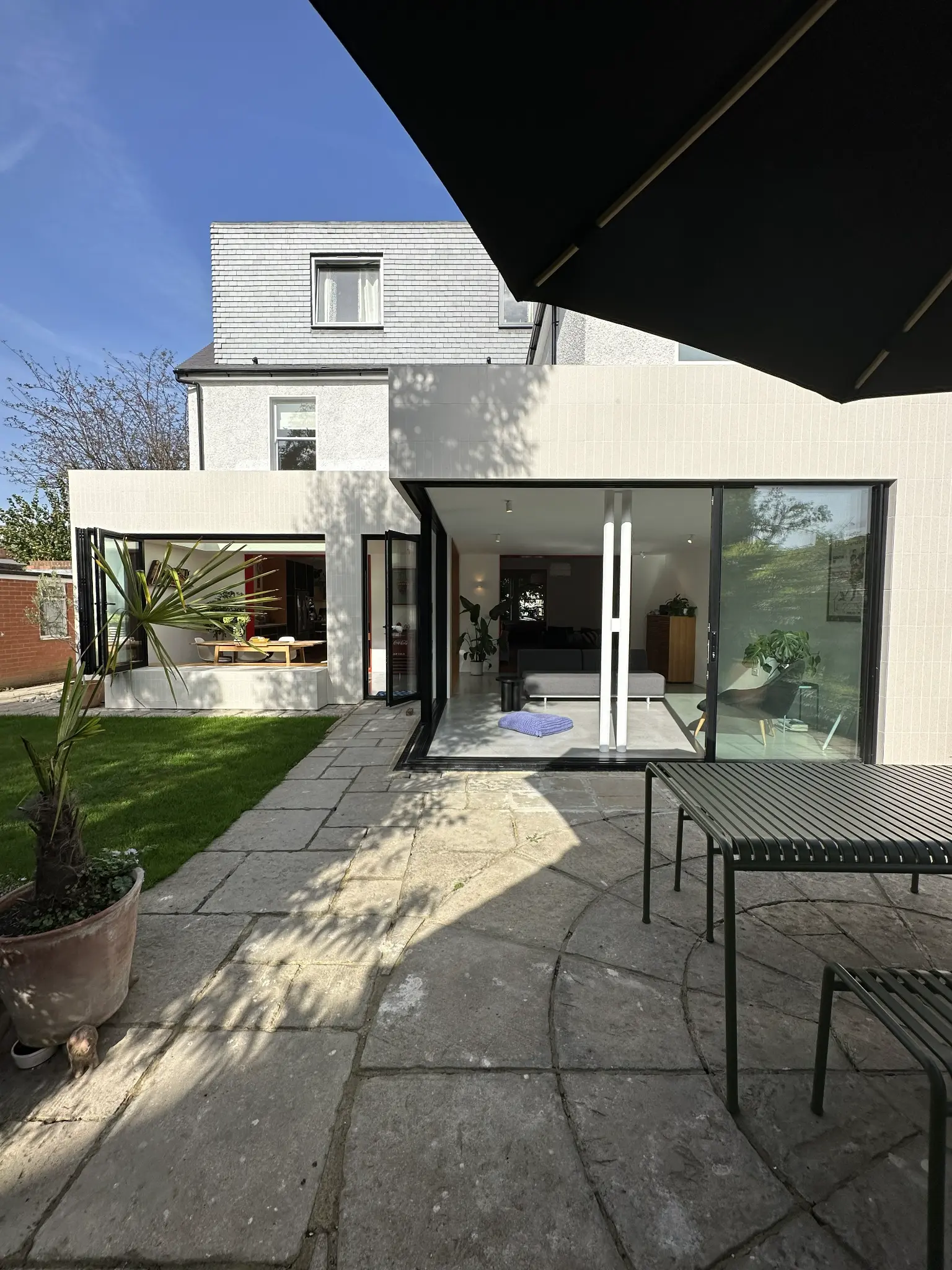
Glazing Options for Period Homes
When upgrading, you generally have three main approaches:
1. Repair and Refurbish Original Windows
For windows in reasonable condition, repairing and refurbishing the existing timber or steel frames is often the most historically sensitive and cost-effective option. This involves:
- Draught-proofing: Installing brush piles or compression seals can significantly reduce heat loss and noise.
- Repairing timber: Splicing in new timber, filling gaps, and repainting can restore frames.
- Replacing ironmongery: New sash cords, pulleys, locks, and handles can improve functionality and security.
- Secondary Glazing: An internal, independent pane of glass fitted behind the existing window. This is highly effective for thermal and acoustic insulation without altering the external appearance. It's often the preferred solution for listed buildings or properties in conservation areas where external changes are restricted.
Pro Tip
When considering secondary glazing, opt for discreet, slimline systems that match the existing window's sightlines. Ensure a sufficient air gap (typically 100-200mm) between the primary and secondary pane for optimal thermal and acoustic performance.
2. Upgrading to Slimline Double Glazing
Traditional double glazing units (DGUs) are often too thick and heavy for original period window frames, requiring new, bulkier frames that can look out of place. Slimline double glazing offers a solution. These units feature thinner glass panes and a narrower cavity, allowing them to be fitted into existing or new, historically accurate timber or steel frames without compromising aesthetics.
- Benefits: Improved thermal performance, reduced noise, enhanced security, and often a more authentic appearance than standard DGUs.
- Considerations: Still thicker than single glazing, so may require some modification to original frames or new, custom-made frames. Cost can be higher than standard double glazing.
3. Full Window Replacement
If original windows are beyond repair, or if you seek maximum thermal performance, full replacement with new, double-glazed units is an option. It's crucial that replacement windows are designed to replicate the original style, materials, and sightlines as closely as possible.
- Timber Sash & Casement Windows: New bespoke timber windows, often made from Accoya or similar durable timbers, can perfectly match original designs while incorporating modern slimline double glazing.
- Steel Windows: For Art Deco or Crittall-style properties, modern steel windows can replicate the slim profiles and robust appearance of originals, often with improved thermal breaks and double glazing.
UK Building Regulations and Planning Permission
This is a critical section for period property owners. Any alteration to windows in the UK is subject to Building Regulations, and often, planning controls.
Building Regulations Part L (Conservation of Fuel and Power)
For replacement windows and doors in existing dwellings in England, the current Building Regulations Part L (2022) sets a maximum U-value of 1.4 W/m²K. This is a significant improvement over previous standards and aims to reduce heat loss.
- Compliance: Any new or replacement window installation must meet this U-value. Slimline double glazing or high-performance secondary glazing can achieve this.
- Exemptions: There can be exemptions or relaxations for historically significant buildings (e.g., listed buildings or those in conservation areas) where meeting the full U-value requirement would 'unacceptably alter the character or appearance' of the building. In such cases, the 'best practicable' thermal performance that doesn't harm the character is usually sought.
Planning Permission and Listed Building Consent
- Conservation Areas: If your property is in a Conservation Area, you will likely need Planning Permission for any external alterations, including window replacement. The local planning authority will assess whether the proposed changes preserve or enhance the character of the area.
- Listed Buildings: If your property is a Listed Building (Grade I, II*, or II), you must obtain Listed Building Consent for any alterations that affect its special architectural or historic interest. This includes replacing or significantly altering windows, even if they are not visible from the street. The default position is often to repair rather than replace. If replacement is unavoidable, it must be 'like-for-like' in terms of material, design, and glazing pattern. Secondary glazing is often the most acceptable solution here.
Always consult your local planning authority and Building Control department before undertaking any work on period property glazing. Failure to do so could lead to enforcement action.
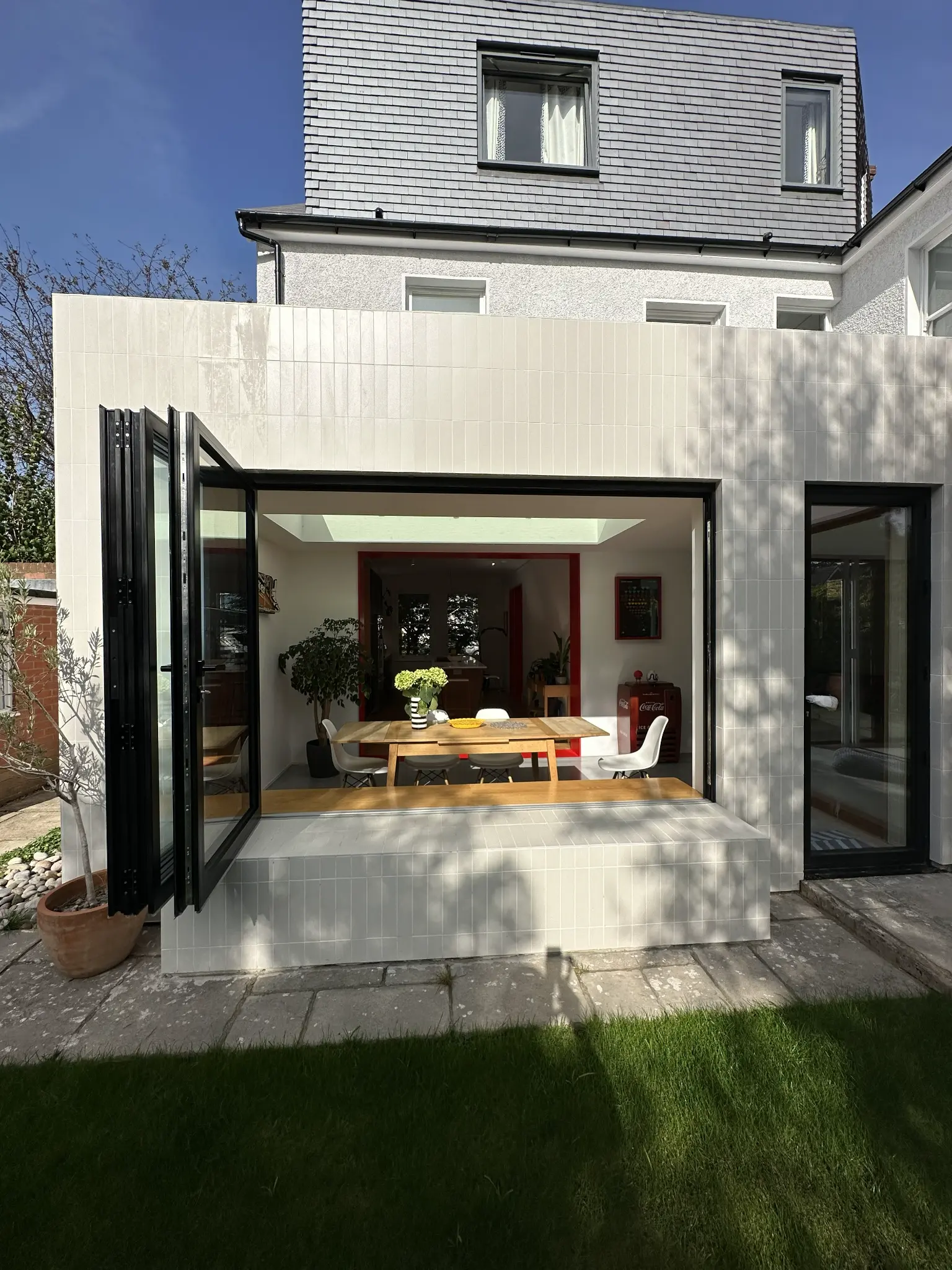
Technical Specifications and Materials
U-Values and Energy Efficiency
The U-value measures how effectively a component (like a window) prevents heat from escaping. A lower U-value indicates better insulation. For context, here are the 2022 Part L U-values for other building elements:
- Walls (new build & extensions): 0.18 W/m²K
- Floors: 0.18 W/m²K
- Roofs: 0.15 W/m²K
- Windows/Doors (new build): 1.2 W/m²K
- Windows/Doors (replacement): 1.4 W/m²K
Achieving a U-value of 1.4 W/m²K for replacement windows typically requires high-performance double glazing, often with a warm edge spacer bar and low-emissivity (low-e) glass coating.
Glass Types
- Low-E Glass: Features a microscopically thin, transparent coating that reflects heat back into the room, significantly improving thermal performance. Essential for meeting modern U-value requirements.
- Laminated Glass: Two panes bonded with an interlayer, offering enhanced security and sound reduction.
- Acoustic Glass: Specifically designed to reduce noise transmission, ideal for properties on busy roads.
- Heritage Glass: Can feature subtle imperfections or a slightly wavy appearance to mimic traditional hand-drawn glass, enhancing authenticity.
Frame Materials
- Timber: The most historically appropriate material. Opt for durable hardwoods (e.g., oak, utile) or engineered softwoods (e.g., Accoya) for longevity. Requires regular maintenance.
- Steel: Ideal for Art Deco or industrial-style properties. Modern steel frames offer slim profiles and improved thermal performance.
- Aluminium: Can achieve very slim profiles, but its modern aesthetic may not suit all period styles. Consider carefully for its suitability.
- uPVC: Generally not recommended for period properties due to its often bulkier profiles and plastic appearance, which can detract from the building's character.
Comparison of Glazing Options
Here's a quick overview to help compare the main approaches:
| Feature | Repair & Refurbish (with Secondary Glazing) | Slimline Double Glazing (in new/existing frames) | Full Replacement (with modern DGUs) |
|---|---|---|---|
| Historic Authenticity | Excellent (retains original windows) | Very Good (maintains sightlines) | Good (if bespoke and 'like-for-like') |
| Thermal Performance | Good to Very Good (with effective secondary glazing) | Very Good (meets 1.4 W/m²K) | Excellent (meets 1.4 W/m²K or better) |
| Acoustic Performance | Excellent (large air gap with secondary glazing) | Good | Good |
| Cost | Moderate (dependent on repairs) | High | Very High |
| Planning/Listed Building Consent | Often easiest to obtain | Requires careful consideration/negotiation | Most challenging to obtain |
| Maintenance | Ongoing for original frames | Moderate (for timber frames) | Moderate (for timber frames) |
Benefits of Upgrading Period Property Glazing
Enhanced Energy Efficiency
Significantly reduces heat loss, leading to lower energy bills and a smaller carbon footprint. Modern glazing can transform a draughty home into a comfortable living space.
Improved Comfort
Eliminates cold spots and draughts, creating a more consistent internal temperature. Reduces condensation on internal glass surfaces, preventing potential damp issues.
Reduced Noise Pollution
Modern glazing, especially secondary or acoustic glass, can dramatically cut down external noise, providing a quieter and more peaceful home environment.
Increased Property Value
A well-executed glazing upgrade enhances the aesthetic appeal, comfort, and energy performance of your period property, making it more attractive to potential buyers.
Choosing the Right Specialist
Working with period property glazing requires specialist knowledge and craftsmanship. It's crucial to choose a company with proven experience in heritage projects. Look for:
- Expertise in period styles: They should understand the nuances of different architectural eras.
- Knowledge of Building Regulations & Planning: They should be able to guide you through the consent process.
- Customisation capabilities: The ability to create bespoke solutions that match your property's unique requirements.
- Quality materials and installation: Ensuring longevity and performance.
Upgrading your period property's glazing is an investment that pays dividends in comfort, energy efficiency, and the long-term preservation of your home's character. By carefully considering your options, understanding the regulations, and partnering with experienced professionals, you can achieve a result that honours your home's past while embracing modern living.
At Shard AG, we specialise in high-performance architectural glazing solutions tailored for period properties across the UK. Our team combines deep technical expertise with a passion for heritage, ensuring that every project respects the unique character of your home while delivering exceptional thermal and acoustic performance. From bespoke slimline double glazing to sympathetic secondary glazing systems, we work closely with homeowners, architects, and conservation officers to provide solutions that meet the strictest aesthetic and regulatory requirements. Contact us today to discuss how we can help enhance your period property.
Explore Our Products
Discover how Shard Architectural Glazing can transform your home with our premium glazing solutions:
Ready to Transform Your Home?
Get in touch with our expert team for a free consultation and personalised quote. We'll help you choose the perfect glazing solution for your property.