

Pocket Sliding Doors: Space-Saving Style for UK Homes
Discover the benefits of pocket sliding door systems for UK homes. Learn about types, installation, Building Regulations, and design considerations.

Shard Architectural Glazing
15 May 2026
Discover the benefits of pocket sliding door systems for UK homes. Learn about types, installation, Building Regulations, and design considerations.
📋In This Article
In the quest for maximising space and enhancing the aesthetic appeal of modern homes, pocket sliding door systems have emerged as a highly popular and practical solution. Unlike traditional hinged doors that require a significant swing radius, pocket doors glide seamlessly into a cavity within the adjacent wall, effectively disappearing when open. This ingenious design not only saves valuable floor space but also offers a clean, minimalist look that complements a wide range of interior styles, from contemporary to classic.
For UK homeowners, understanding the nuances of pocket door systems – from their construction and installation to compliance with Building Regulations – is crucial for making an informed decision. This comprehensive guide will delve into the world of pocket sliding doors, providing the expert insights you need to consider them for your next home improvement project.
What Are Pocket Sliding Door Systems?
A pocket sliding door system comprises a door panel that slides horizontally into a designated 'pocket' or cavity built within the wall. This mechanism eliminates the need for floor space typically occupied by a swinging door, making them ideal for areas where space is at a premium, such as en-suite bathrooms, utility rooms, small kitchens, or connecting rooms in open-plan layouts.
Key Components of a Pocket Door System:
- Door Panel: Can be timber, glass, or a combination, typically 35mm to 44mm thick.
- Frame Kit (Pocket Kit): This is the structural framework that creates the wall cavity. It usually includes steel or timber uprights, a head track, and bottom guides.
- Track System: Mounted within the head of the frame, this allows the door to glide smoothly. High-quality tracks are essential for durability and quiet operation.
- Rollers/Hangers: Attached to the top of the door panel, these run along the track.
- Door Furniture: Flush handles, pull handles, or recessed locks are used to maintain the door's ability to fully retract into the pocket.
Pro Tip
When selecting a pocket door system, always prioritise the quality of the track and roller mechanism. Inferior components can lead to noisy operation, sticking, and premature wear, undermining the benefits of the system.
Benefits and Considerations for UK Homes
Pocket doors offer a compelling blend of practicality and style, but like any home improvement, they come with their own set of advantages and points to consider.
Space Optimisation
The most significant advantage is the reclaiming of floor and wall space. This allows for more flexible furniture placement, larger walkways, and a less cluttered feel, particularly beneficial in smaller UK properties or apartments.
Enhanced Aesthetics
Pocket doors provide a sleek, minimalist look. When open, they disappear, creating seamless transitions between rooms and an uncluttered visual line. They can also be a design feature themselves, especially with glass or statement timber panels.
Accessibility
For individuals with mobility issues or those using wheelchairs, pocket doors can offer wider, unobstructed openings compared to hinged doors, improving accessibility throughout the home.
Versatility
Available in single or double door configurations, and suitable for various materials including timber, frosted glass, or clear glass, they can be adapted to almost any room and design scheme.
Considerations:
- Installation Complexity: Installing a pocket door system is more involved than a standard hinged door. It typically requires opening up a section of the wall, which can be disruptive and may necessitate plastering and redecoration.
- Wall Integrity: The wall cavity created for the pocket door cannot contain electrical wiring, plumbing, or structural elements like load-bearing studs. Careful planning is essential.
- Sound and Thermal Insulation: A standard pocket door cavity can sometimes reduce the sound and thermal insulation properties of the wall compared to a solid wall. Specific acoustic or insulated pocket door kits are available to mitigate this.
- Cost: While prices vary, a complete pocket door system (frame, door, hardware, and installation) can be more expensive than a traditional door and frame, especially if wall modifications are extensive.
- Maintenance Access: While rare, if the track or rollers require maintenance or replacement, accessing them can be more challenging than with a surface-mounted sliding door.
Types and Materials of Pocket Doors
Pocket door systems are highly adaptable, offering various configurations and material choices to suit different needs and design preferences.
Configurations:
- Single Pocket Door: A single door panel slides into one wall cavity. Ideal for standard doorways.
- Double Pocket Door (Meeting Doors): Two door panels slide into opposing wall cavities, meeting in the middle. Perfect for wider openings, such as between a living room and dining room.
- Telescopic Pocket Door: Two or more door panels stack and slide into a single wall cavity. This allows for very wide openings to be created while still only requiring one wall pocket.
Materials:
- Timber: Solid timber or engineered wood doors are common, offering excellent sound insulation and a traditional aesthetic. They can be painted, stained, or veneered.
- Glass: Frosted, clear, or patterned glass panels are popular for allowing light to pass through while maintaining privacy. They create a modern, airy feel.
- Composite: Combining materials like timber frames with glass inserts, or engineered cores for enhanced stability and performance.
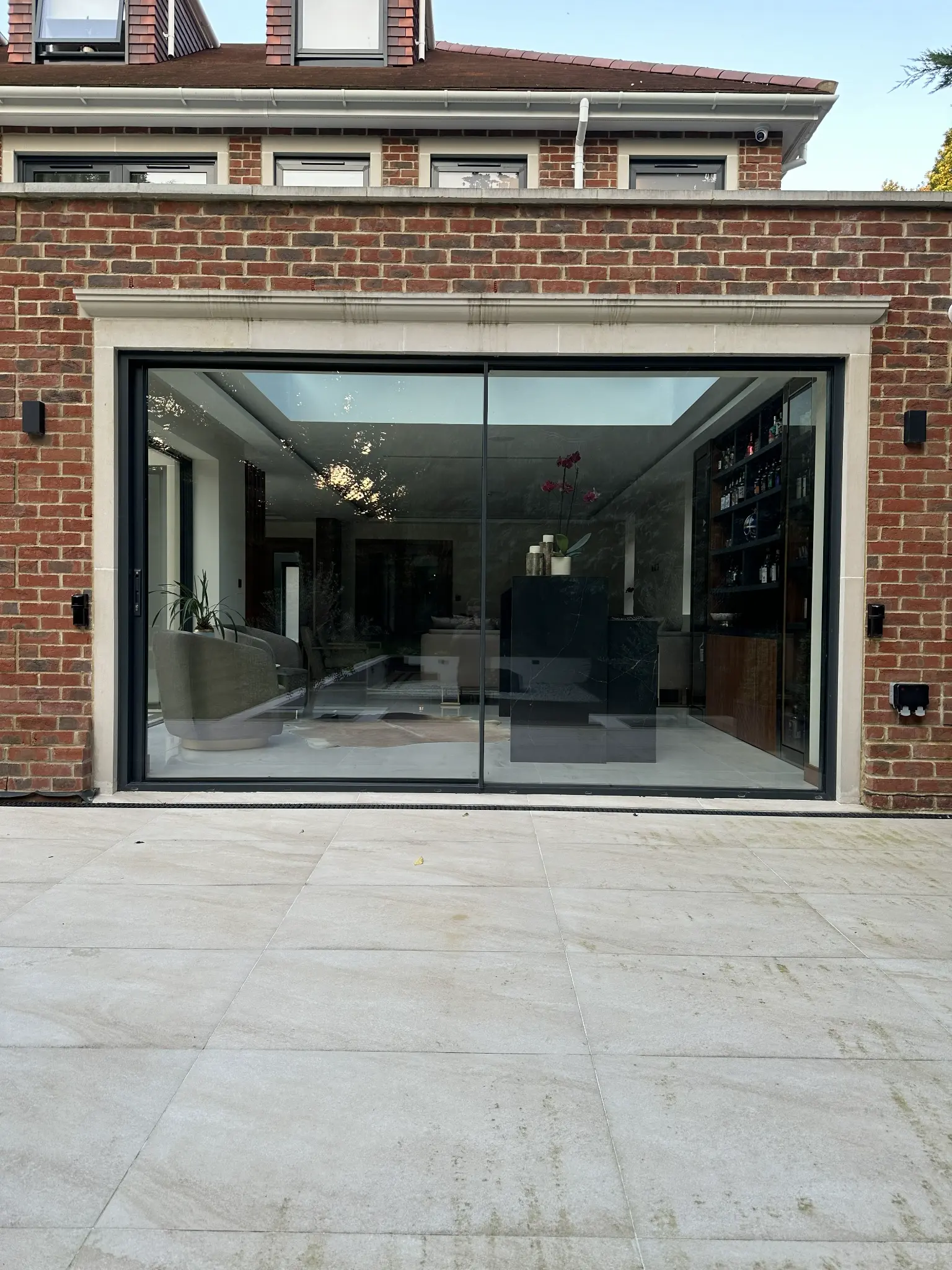
UK Building Regulations and Technical Specifications
When installing pocket sliding door systems in UK homes, it's crucial to consider compliance with relevant Building Regulations. While pocket doors themselves aren't explicitly regulated in the same way as external doors or windows, their impact on the building's structure, fire safety, and thermal performance must be addressed.
Key Regulations to Consider:
- Part B (Fire Safety): This is perhaps the most critical aspect. Standard pocket doors are generally not fire-rated. If a pocket door is installed in a location that requires a fire door (e.g., between an integral garage and a dwelling, or in certain escape routes in multi-storey homes), a specialised fire-rated pocket door system must be used. These systems incorporate intumescent strips, specific door construction, and robust hardware to achieve a fire resistance rating (e.g., FD30 for 30 minutes). Always consult with Building Control for specific requirements.
- Part A (Structure): Creating a wall cavity for a pocket door involves altering the wall. If the wall is load-bearing, a structural engineer must be consulted, and appropriate lintels or supports installed to maintain the structural integrity. This will require Building Control approval.
- Part L (Conservation of Fuel and Power): While primarily relevant for external elements, if a pocket door is used to separate a heated space from an unheated space (e.g., a conservatory or an unheated utility room), its thermal performance might come under scrutiny. Internal doors generally do not have specific U-value requirements, but good practice suggests minimising heat loss. For external doors or doors separating different thermal zones, the U-value requirements are stringent: 1.2 W/m²K for new build windows/doors and 1.4 W/m²K for replacement windows/doors. Most internal pocket doors will not meet these values, reinforcing their suitability for internal, thermally consistent spaces.
- Part M (Access to and Use of Buildings): For new builds or major renovations, Part M sets out requirements for accessibility. Pocket doors, with their ability to create wider, unobstructed openings, can be highly beneficial for meeting these standards, particularly regarding minimum clear opening widths for wheelchair access.
It is always advisable to consult with your local Building Control body before commencing work, especially if structural alterations or fire safety implications are involved. A reputable installer will also be able to guide you through these requirements.
Installation and Design Considerations
Successful integration of pocket doors relies heavily on careful planning and professional installation.
Installation Process Overview:
- Wall Preparation: The existing wall where the pocket is to be created must be opened up. Any existing studs, wiring, or plumbing must be rerouted or reinforced.
- Frame Kit Assembly: The pocket door frame kit is assembled and securely fixed within the wall opening. This forms the cavity.
- Track Installation: The head track is installed level and secure.
- Door Hanging: The door panel is fitted with rollers and hung from the track.
- Finishing: Plasterboard is fixed to the pocket frame, taped, and skimmed, followed by decoration. Architraves and skirting are then fitted.
- Hardware Installation: Flush handles, locks, or pull handles are installed.
Design Tips:
- Door Size: Ensure the door panel is appropriately sized for the opening. Standard UK door widths are typically 610mm, 686mm, 762mm, and 838mm, with heights of 1981mm. Pocket door systems are available to accommodate these.
- Handle Choice: Opt for flush pull handles or recessed locks that allow the door to fully retract into the pocket. Protruding handles will prevent full closure.
- Material Harmony: Match the pocket door material and finish to other internal doors or the overall interior scheme for a cohesive look. Glass doors can introduce light into darker hallways.
- Soft Close/Open: Consider adding a soft-close and soft-open mechanism for enhanced user experience, preventing slamming and ensuring smooth operation.
- Wall Depth: Standard pocket door frames are designed for typical UK stud wall depths (e.g., 75mm or 100mm studs, resulting in a finished wall thickness of around 115mm-140mm). Ensure your wall can accommodate the system.
Comparison with Other Door Types
To help you decide, here's a quick comparison of pocket doors against common alternatives:
| Feature | Pocket Sliding Door | Standard Hinged Door | Surface Mounted Sliding Door |
|---|---|---|---|
| Space Saving | Excellent (disappears into wall) | Poor (requires swing space) | Good (no swing space, but door visible on wall) |
| Aesthetics | Sleek, minimalist, seamless | Traditional, can be decorative | Modern, can be a design feature |
| Installation Complexity | High (wall modification required) | Low (standard frame) | Medium (track fixed to wall/ceiling) |
| Sound Insulation | Moderate (can be improved with specialist kits) | Good (solid door and frame seal) | Moderate (gap between door and wall) |
| Privacy/Security | Good (with flush locks) | Excellent (standard locks) | Moderate (can be less secure than hinged) |
| Cost (Installation incl.) | Higher | Lower | Medium |
| Accessibility | Excellent (wide, clear opening) | Good (if wide enough) | Good (wide, clear opening) |
Conclusion and Expert Advice
Pocket sliding door systems offer a sophisticated and highly functional solution for optimising space and enhancing the contemporary appeal of UK homes. While their installation requires careful planning and a more involved process than traditional doors, the benefits in terms of space-saving, aesthetics, and accessibility are often well worth the investment.
When considering a pocket door, always:
- Plan Ahead: Map out the wall space carefully, identifying any services that need rerouting.
- Prioritise Quality: Invest in a robust frame kit and a high-quality track and roller system for longevity and smooth operation.
- Check Regulations: Consult with local Building Control, especially for fire safety or structural alterations.
- Seek Professional Installation: Due to the complexity, professional installation is highly recommended to ensure proper function and a flawless finish.
For UK homeowners looking to create more open, functional, and stylish living environments, pocket sliding doors are an excellent choice. By understanding the technical aspects and regulatory requirements, you can confidently integrate these innovative systems into your home design.
At Shard AG, we specialise in high-quality architectural glazing and door systems, including a range of premium pocket sliding door solutions designed to meet the specific demands of UK properties. Our expert team can provide guidance on system selection, technical specifications, and compliance to help you achieve your design aspirations with confidence.
Explore Our Products
Discover how Shard Architectural Glazing can transform your home with our premium glazing solutions:
Ready to Transform Your Home?
Get in touch with our expert team for a free consultation and personalised quote. We'll help you choose the perfect glazing solution for your property.