

Slim Profile Door Frames: Maximising Light & Views in UK Homes
Explore the benefits, considerations, and technical aspects of slim profile door frames for UK homeowners. Enhance your home with more light and expansive views.

Shard Architectural Glazing
21 April 2026
Explore the benefits, considerations, and technical aspects of slim profile door frames for UK homeowners. Enhance your home with more light and expansive views.
📋In This Article
In modern architectural design, the pursuit of natural light and expansive views is paramount. Homeowners in the UK are increasingly looking for ways to blur the lines between indoor and outdoor spaces, creating brighter, more open living environments. One key innovation facilitating this trend is the advent of slim profile door frames.
These sophisticated glazing solutions offer significantly reduced frame sightlines compared to traditional doors, allowing for larger glass panels and an uninterrupted connection with the outside world. But what exactly are slim profile door frames, what are their benefits, and what should UK homeowners consider before investing?
What Are Slim Profile Door Frames?
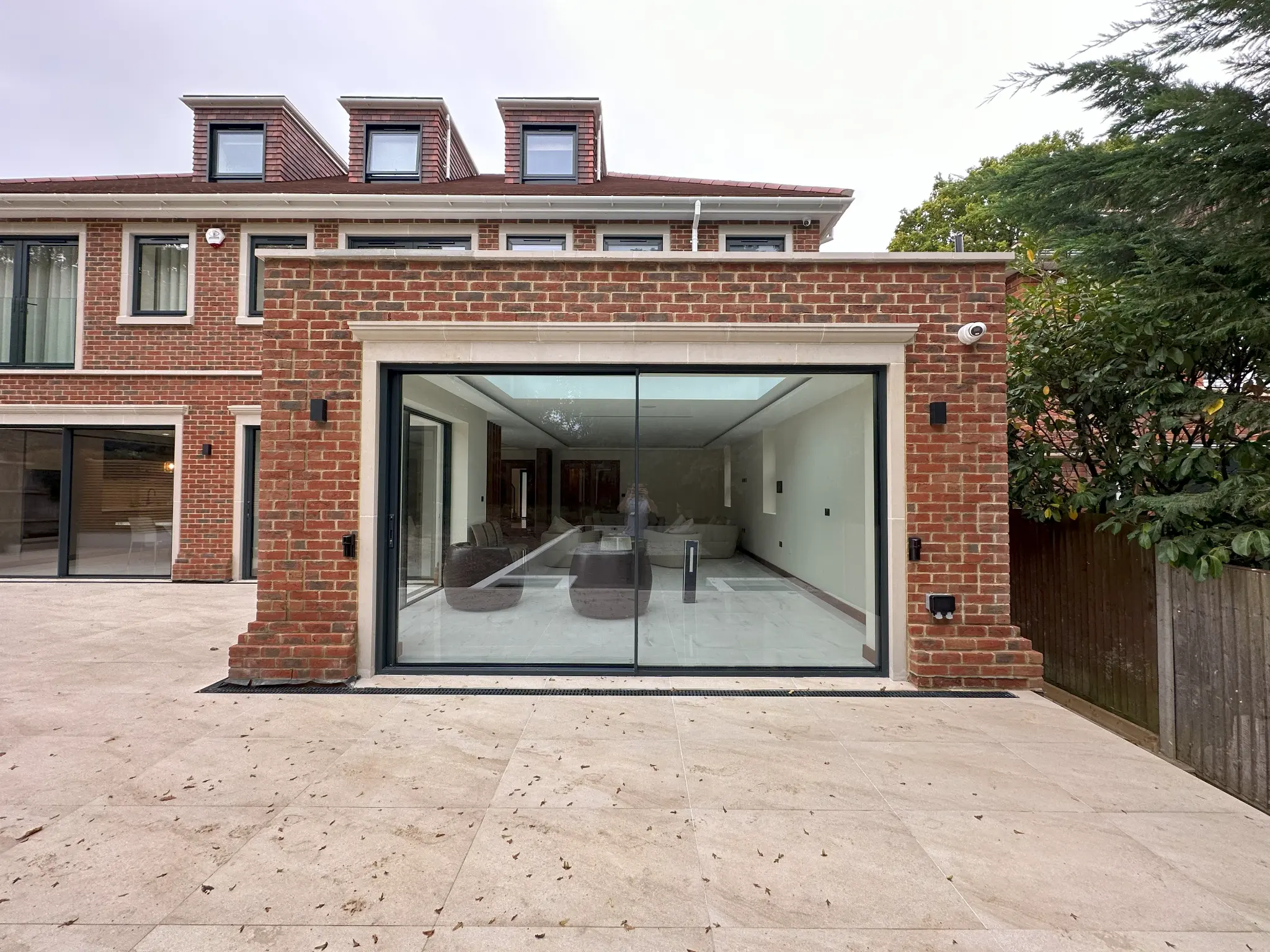
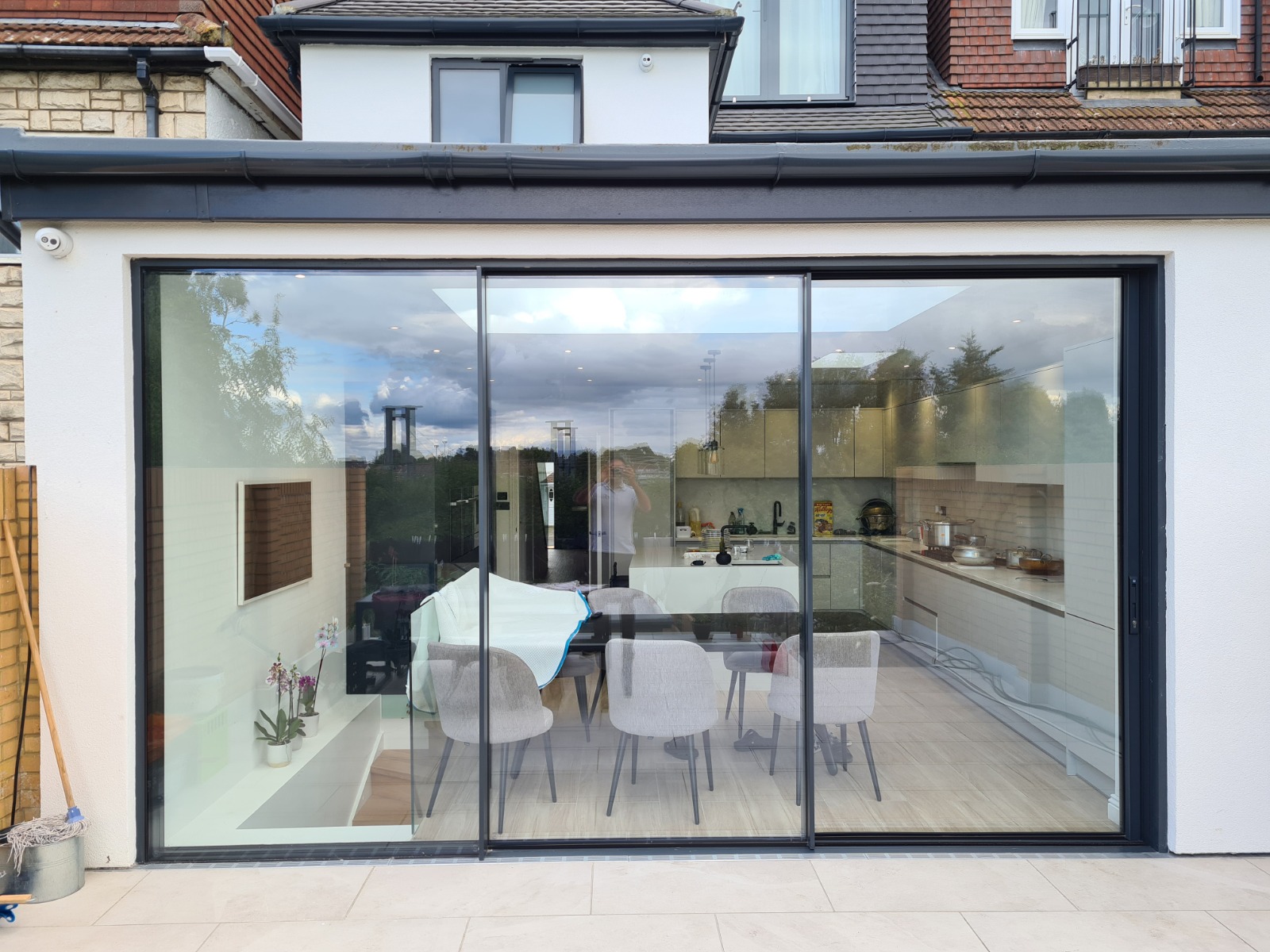
Slim profile door frames, often referred to as 'minimalist' or 'architectural' frames, are engineered glazing systems designed to minimise the visible width of the door frame, thereby maximising the glass area. While traditional door frames might have sightlines (the visible width of the frame) of 80-120mm or more, slim profile systems can reduce this to as little as 20-30mm, and in some cases, even less with clever concealed framing.
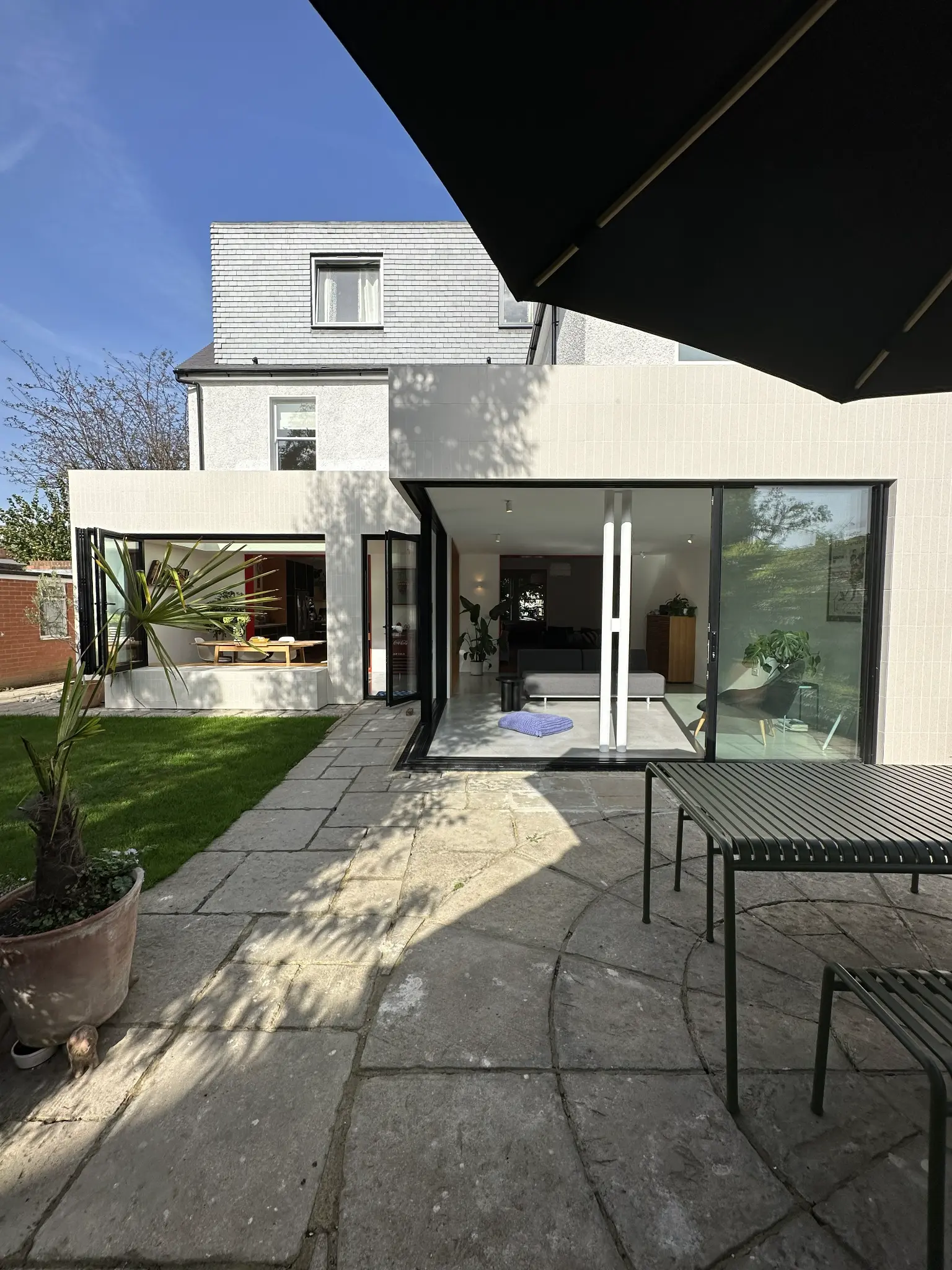
This design philosophy is applied across various door types, including bifold doors, sliding patio doors (especially lift-and-slide systems), and even large single or French doors. The goal is to create a sleek, contemporary aesthetic where the focus is on the view and the influx of natural light, rather than the frame itself.
Benefits of Choosing Slim Profile Doors
The appeal of slim profile door frames extends beyond mere aesthetics, offering a range of practical advantages for UK homes.
Enhanced Natural Light
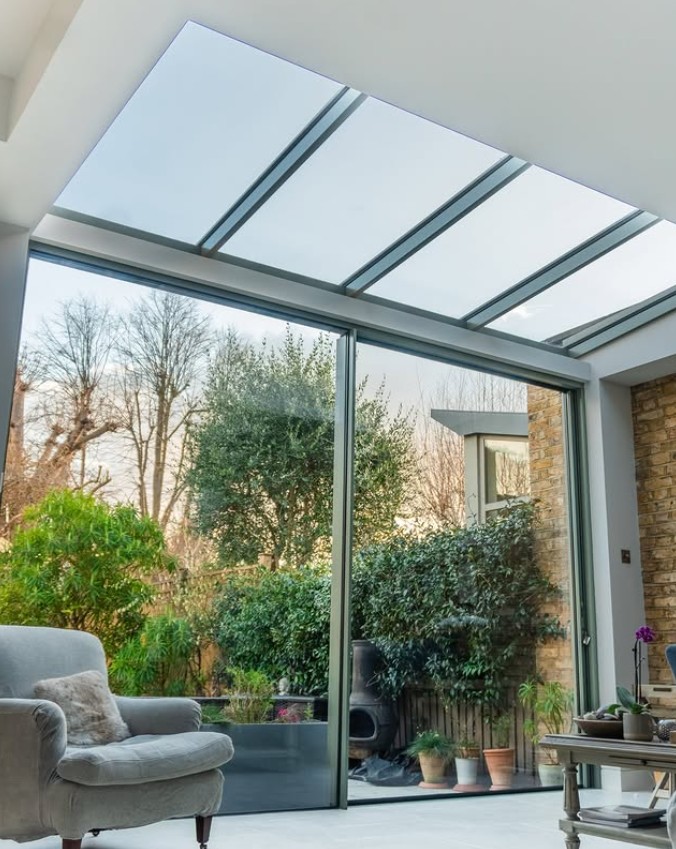
By significantly reducing the frame's visible footprint, more glass area is exposed. This allows a greater volume of natural light to penetrate your living spaces, making rooms feel brighter, more spacious, and less reliant on artificial lighting during the day. This can also contribute to improved mood and well-being.
Uninterrupted Views
The primary aesthetic benefit is the creation of expansive, panoramic views. Whether overlooking a garden, a cityscape, or a natural landscape, the minimal frames ensure that your outlook is as unobstructed as possible, effectively bringing the outdoors in.
Modern Aesthetic & Value
Slim profiles lend a sophisticated, contemporary look to any property, complementing modern architectural styles. This sleek design can significantly enhance the visual appeal and perceived value of your home, making it an attractive feature for potential buyers.
Improved Thermal Performance
Modern slim profile systems are engineered with advanced thermal breaks and often accommodate high-performance double or triple glazing. This ensures that despite the increased glass area, they can still achieve excellent U-values, meeting or exceeding current UK Building Regulations for energy efficiency.
Pro Tip
When comparing slim profile systems, always ask for the 'sightline' measurement, which refers to the visible width of the frame when the door is closed. This is the true indicator of how 'slim' the profile is and how much glass area you'll gain.
Materials and Technical Considerations
The ability to achieve such slender profiles while maintaining structural integrity and thermal performance relies heavily on the materials and engineering involved.
Common Materials
- Aluminium: This is the most common material for slim profile door frames due to its inherent strength, lightweight nature, and excellent durability. Aluminium can be extruded into very fine profiles without compromising structural stability. It is also highly resistant to corrosion and requires minimal maintenance.
- Steel: For the absolute slimmest sightlines, particularly in heritage or industrial-style applications, steel frames can be used. Steel offers exceptional strength, allowing for incredibly slender profiles, but it can be more expensive and requires more careful thermal breaking to achieve modern U-values.
- Timber/Composite: While less common for ultra-slim profiles, some engineered timber or composite systems can offer reduced sightlines, often combining the aesthetic warmth of timber internally with a durable, low-maintenance external material.
Glazing Specifications
To ensure thermal efficiency, slim profile doors typically feature high-performance glazing:
- Double Glazing: Standard for most applications, using two panes of glass separated by a gas-filled (e.g., argon) cavity and a warm edge spacer bar.
- Triple Glazing: For superior thermal performance, especially in larger openings or passive house designs, triple glazing can be incorporated, though this adds weight and cost.
- Low-E Coatings: Essential for reducing heat transfer, these microscopic coatings reflect heat back into the room in winter and out of the room in summer.
- U-Value: This measures how effectively a window or door insulates. A lower U-value indicates better thermal performance. For new build homes in England, doors must achieve a U-value of 1.2 W/m²K or better. For replacement doors, the requirement is 1.4 W/m²K. Modern slim profile systems are designed to meet or exceed these standards.
Structural Integrity and Security
Despite their slender appearance, reputable slim profile systems are engineered to be robust. They incorporate multi-point locking mechanisms, toughened or laminated safety glass, and reinforced frames to meet stringent UK security standards (e.g., PAS 24:2016 and Document Q of Building Regulations for new dwellings).
UK Building Regulations and Compliance
When installing or replacing doors in your UK home, compliance with Building Regulations is crucial. This is particularly true for external doors, which impact thermal performance, safety, and security.
Part L (Conservation of Fuel and Power)
As of June 2022, the updated Part L of the Building Regulations for England sets specific U-value targets for doors:
- New Dwellings: External doors (including glazed doors) must achieve a U-value of 1.2 W/m²K or better.
- Existing Dwellings (Replacement Doors): Replacement external doors must achieve a U-value of 1.4 W/m²K or better.
Reputable slim profile door manufacturers design their products to meet or exceed these requirements, often achieving U-values as low as 0.8-1.0 W/m²K with triple glazing. Always check the U-value specification of any system you are considering.
Part F (Ventilation)
New or replacement doors may need to incorporate trickle vents to comply with Part F, ensuring adequate ventilation. While some slim profiles can integrate these discreetly, it's a design consideration that needs to be addressed early.
Part K (Protection from Falling, Collision and Impact)
Glazed doors must use safety glass (toughened or laminated) in critical locations to prevent injury from breakage, as outlined in Part K.
Part Q (Security – New Dwellings)
For new build homes, external doors must be manufactured to a design that has been shown by test to meet the security requirements of PAS 24:2016. While not mandatory for replacement doors in existing homes, it is highly recommended to choose doors that meet this standard for enhanced security.
It is always advisable to consult with your local Building Control body or a qualified professional to ensure your chosen slim profile door system complies with all relevant regulations for your specific project.
Choosing the Right Slim Profile Door System
With various options available, selecting the ideal slim profile door requires careful consideration of several factors:
Door Type
- Sliding Doors: Often the best choice for achieving the largest glass panels and slimmest sightlines, as panels slide past each other rather than folding. Lift-and-slide systems offer superior weather sealing and smooth operation for very large panes.
- Bifold Doors: While offering a full opening, bifold doors inherently have more vertical sightlines due to the multiple folding panels and hinges. However, slim bifold options are available that significantly reduce these compared to standard bifolds.
- French or Single Doors: For smaller openings, slim frame French or single doors can still offer a significant aesthetic upgrade.
Performance vs. Aesthetics
While the slimmest sightlines are appealing, ensure they don't compromise on thermal performance, security, or durability. Reputable manufacturers balance these factors effectively.
Budget
Slim profile doors, particularly those with advanced engineering and larger glass panels, represent a premium investment. Prices vary significantly based on material, size, glazing specification, and manufacturer.
Installation
Due to the precision engineering and often large, heavy glass panels, professional installation is crucial. Ensure your chosen supplier provides experienced installers who are familiar with the specific system.
Comparison Table: Slim Profile Door Types
| Feature | Slim Sliding Doors | Slim Bifold Doors | Slim French/Single Doors |
|---|---|---|---|
| Typical Sightline (Vertical) | 20mm - 40mm | 50mm - 80mm | 40mm - 60mm |
| Opening Style | Panels slide horizontally, can stack or pocket | Panels fold and stack to one or both sides | Hinged, swing open |
| Max. Glass Area | Excellent, largest individual panes possible | Good, but multiple vertical frames when closed | Good for single opening, limited by width |
| Thermal Performance | Excellent (especially lift-and-slide) | Very Good | Very Good |
| Cost (Relative) | High | Medium-High | Medium |
| Best For | Maximising views, large openings, modern aesthetics | Creating large, fully open spaces, indoor-outdoor flow | Smaller openings, traditional look with modern twist |
Maintenance and Longevity
Modern slim profile door systems are designed for longevity and minimal maintenance. Aluminium frames, in particular, are highly durable and resistant to weathering. Regular cleaning of the glass and frames with mild soap and water is typically all that's required to keep them looking their best. Moving parts, such as runners and hinges, may benefit from occasional lubrication as per the manufacturer's guidelines.
Investing in a high-quality system from a reputable supplier ensures access to spare parts and professional support, safeguarding your investment for years to come.
Conclusion
Slim profile door frames offer a compelling solution for UK homeowners seeking to enhance their living spaces with abundant natural light, expansive views, and a contemporary aesthetic. By understanding the materials, technical specifications, and compliance requirements, you can make an informed decision that transforms your home.
For expert advice and a wide range of high-performance slim profile door systems tailored to your project, consider consulting with specialists like Shard Architectural Glazing. Their expertise in bespoke glazing solutions ensures that your vision for a brighter, more open home can become a reality, fully compliant with UK Building Regulations and designed for lasting performance.
Explore Our Products
Discover how Shard Architectural Glazing can transform your home with our premium glazing solutions:
Ready to Transform Your Home?
Get in touch with our expert team for a free consultation and personalised quote. We'll help you choose the perfect glazing solution for your property.