

Slim Profile Door Frames: Maximising Light & Views in UK Homes
Explore the benefits, technical considerations, and regulations for slim profile door frames in UK homes. Enhance aesthetics, light, and energy efficiency.

Shard Architectural Glazing
15 May 2026
Explore the benefits, technical considerations, and regulations for slim profile door frames in UK homes. Enhance aesthetics, light, and energy efficiency.
📋In This Article
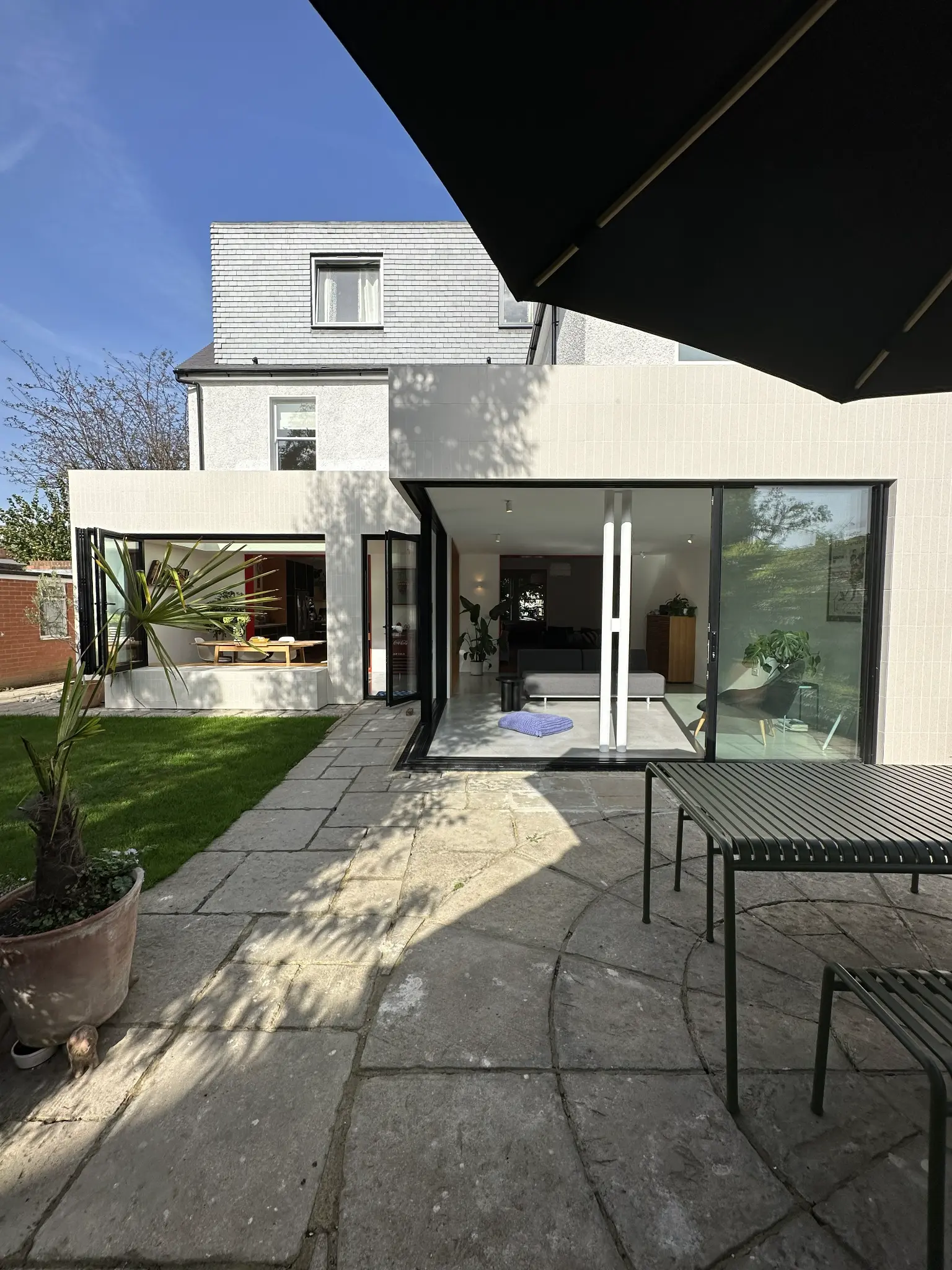
In contemporary home design, the pursuit of natural light and expansive views has become a cornerstone. Homeowners are increasingly looking to blur the lines between indoor and outdoor living spaces, and one of the most effective ways to achieve this is through the strategic use of glazing. Slim profile door frames have emerged as a leading solution, offering an elegant aesthetic that maximises glass area and minimises visual obstruction.
This comprehensive guide delves into what slim profile door frames are, their advantages and considerations, key technical specifications, and how they align with UK Building Regulations. Whether you're planning a new build, an extension, or a renovation, understanding these elements is crucial for making an informed decision.
What Are Slim Profile Door Frames?
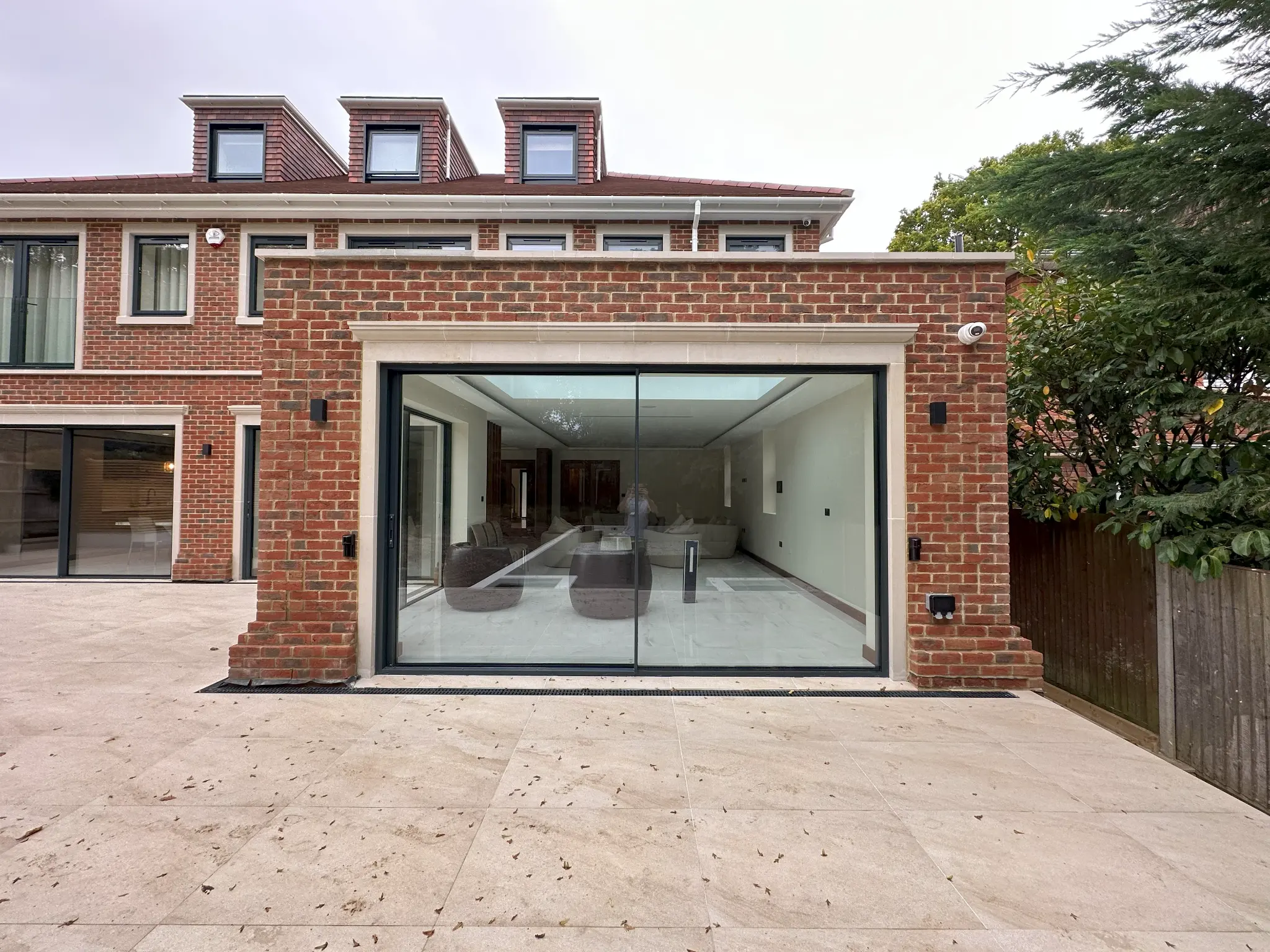
Slim profile door frames, often referred to as 'minimalist' or 'ultra-slim' frames, are engineered to reduce the visible sightlines of the door frame itself, thereby increasing the proportion of glass. Traditional door frames, particularly those made from uPVC or older timber, tend to have thicker, more obtrusive profiles. Slim profile options, typically crafted from aluminium or steel, utilise advanced manufacturing techniques to create frames that are significantly narrower.
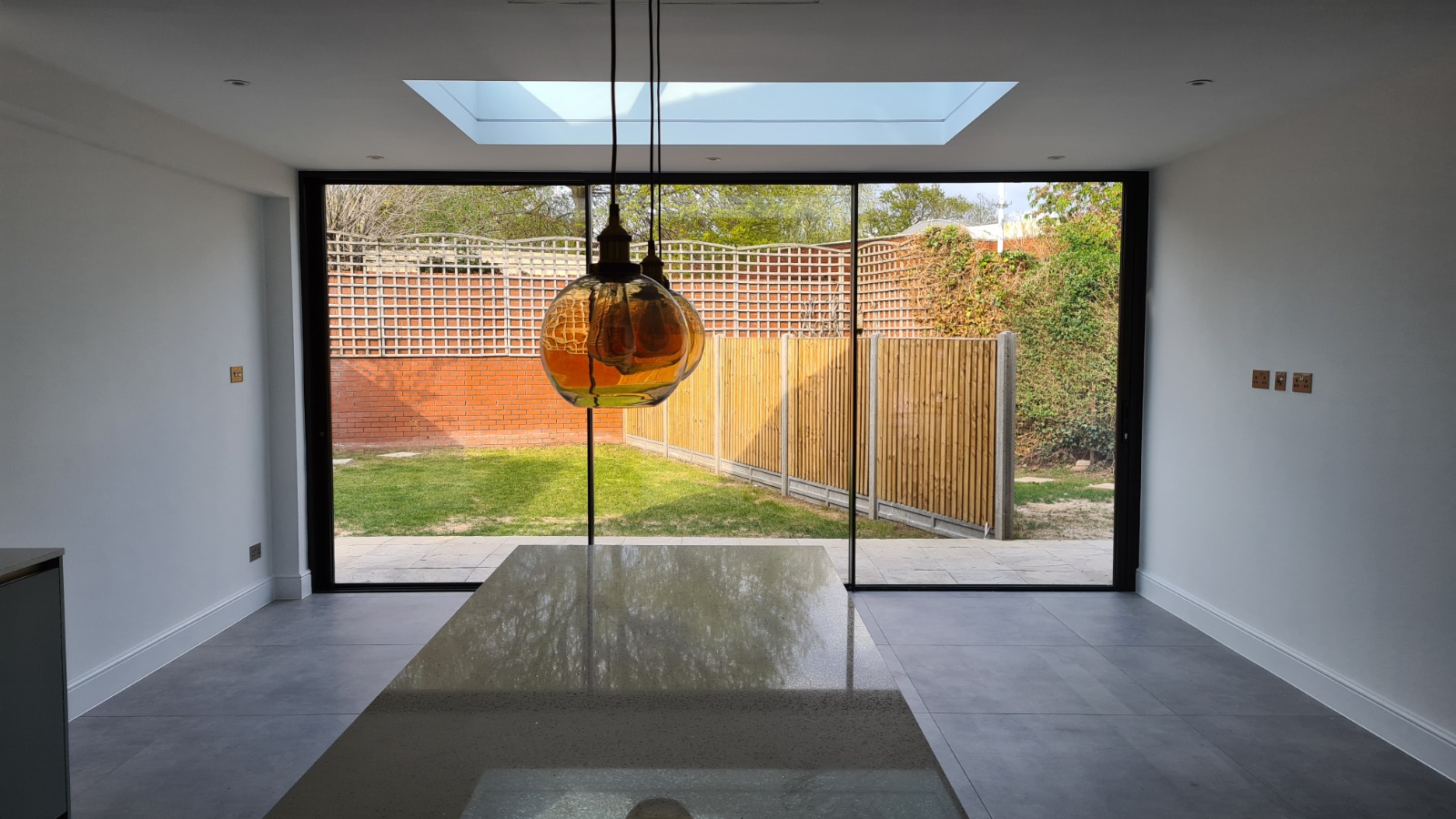
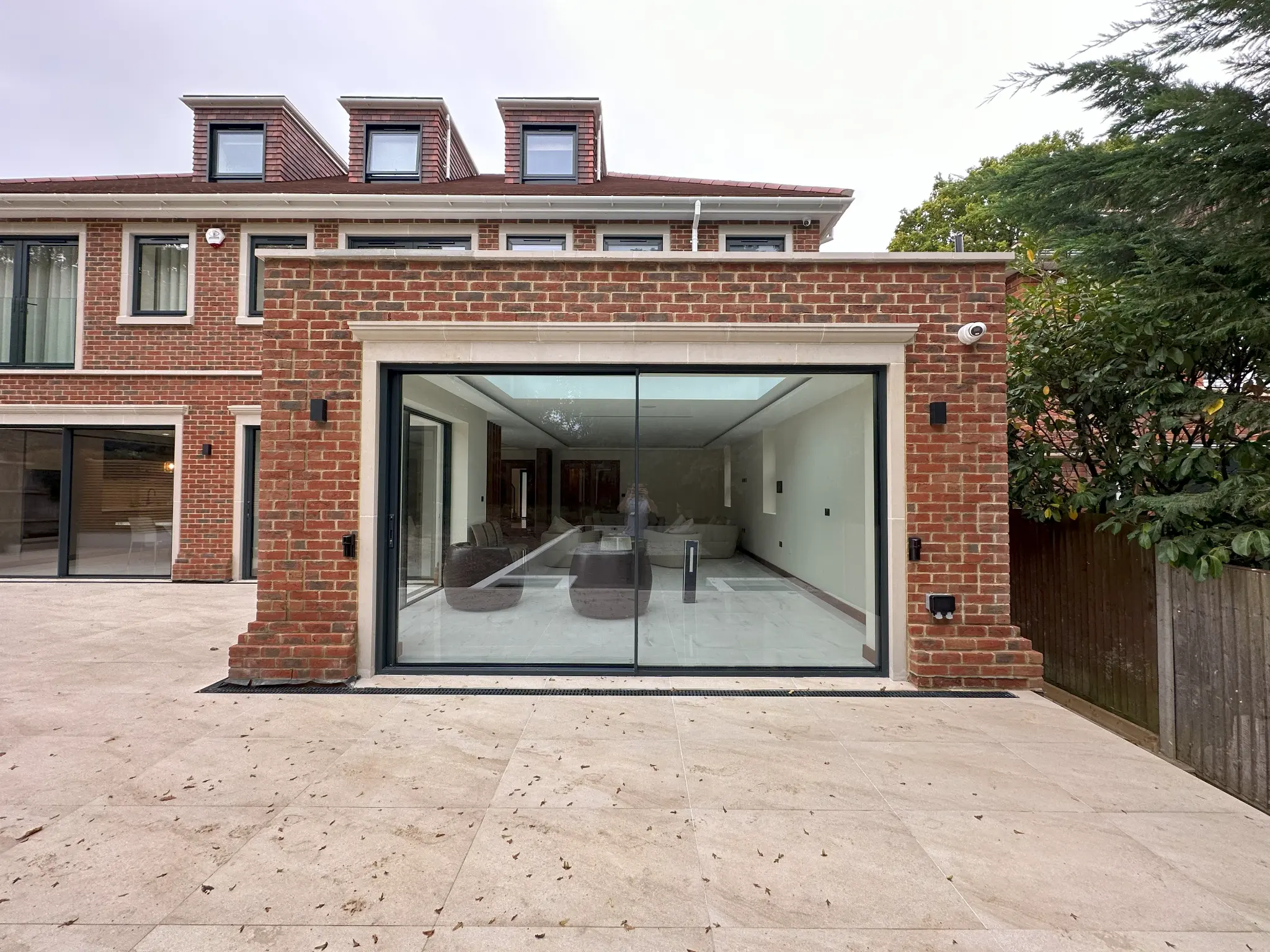
The primary goal is to achieve a sleek, contemporary look that allows for an uninterrupted vista and maximises the ingress of natural light. This design philosophy is particularly popular for large glazed areas, such as bi-fold doors, sliding patio doors, and French doors, where the visual impact of the frame can be substantial.
Benefits of Choosing Slim Profile Door Frames
Opting for slim profile door frames brings a host of advantages, enhancing both the aesthetic appeal and functionality of your home.
Enhanced Natural Light
By reducing the frame's visible mass, more glass area is exposed, allowing a greater volume of natural light to flood interior spaces. This can make rooms feel larger, brighter, and more inviting, potentially reducing the need for artificial lighting during daylight hours.
Uninterrupted Views
The minimalist design creates a seamless transition between your indoor and outdoor environments. Whether you have a picturesque garden, a stunning cityscape, or a tranquil landscape, slim frames ensure your view remains largely unobstructed.
Modern Aesthetic Appeal
Slim profiles inherently lend a contemporary, sophisticated look to any property. They complement modern architectural styles beautifully and can also provide a striking contrast in more traditional homes, adding a touch of modern elegance.
Space Perception
The increased glass area and reduced frame thickness contribute to a greater sense of openness and space. This is particularly beneficial in smaller rooms or extensions where maximising perceived space is a priority.
Materials and Technical Specifications
The choice of material is fundamental to achieving slim profiles while maintaining structural integrity and thermal performance.
Aluminium: The Go-To Material
Aluminium is by far the most common material for slim profile door frames due to its exceptional strength-to-weight ratio. This allows for very slender frames without compromising structural stability, even for large expanses of glass. Key characteristics include:
- Durability: Aluminium is highly resistant to corrosion, rust, and warping, making it a long-lasting option.
- Low Maintenance: It requires minimal upkeep, typically just periodic cleaning.
- Thermal Performance: Modern aluminium frames incorporate thermal breaks – polyamide strips inserted into the frame profile – to prevent heat transfer and improve insulation. Without these, aluminium's high thermal conductivity would lead to significant heat loss.
- Finish Options: Available in a vast array of powder-coated colours, offering design flexibility.
Steel: The Ultimate in Slenderness
For the absolute slimmest sightlines, steel frames are unparalleled. Steel is even stronger than aluminium, allowing for incredibly delicate profiles, often seen in heritage or industrial-style glazing. However, steel frames are typically more expensive and can be heavier, requiring robust structural support. Like aluminium, modern steel frames also incorporate thermal breaks to meet energy efficiency standards.
Glazing Specifications
The glass itself is a critical component. For UK homes, double glazing is the minimum standard, with triple glazing becoming increasingly popular for enhanced thermal and acoustic performance. Key glazing specifications include:
- U-value: This measures how effectively a material insulates. Lower U-values indicate better insulation. For windows and doors, the U-value applies to the entire unit (frame + glass).
- Spacer Bars: These separate the glass panes. Warm edge spacer bars (e.g., made from composite materials) are crucial for reducing thermal bridging at the edge of the glass, improving the overall U-value.
- Low-E Coatings: Microscopic metallic coatings applied to the glass surface reflect heat back into the room in winter and out in summer, improving thermal efficiency.
- Inert Gas Fills: Argon or Krypton gas between the panes further reduces heat transfer compared to air.
Pro Tip
When comparing slim profile door systems, always ask for the overall U-value of the complete unit (Uw), not just the glass (Ug) or the frame (Uf). The Uw value gives you the most accurate picture of the door's thermal performance.
UK Building Regulations and Compliance
Any new or replacement door installation in a UK home must comply with relevant Building Regulations. For slim profile door frames, the most pertinent regulations relate to thermal performance, ventilation, and safety.
Part L: Conservation of Fuel and Power
Part L (2022 England) sets strict requirements for the thermal performance of building elements. For doors, this means achieving specific U-values:
- New Build Properties: Windows and doors must achieve a maximum U-value of 1.2 W/m²K.
- Existing Properties (Replacement Doors): Replacement windows and doors must achieve a maximum U-value of 1.4 W/m²K.
Achieving these values with slim frames requires careful specification of materials, thermal breaks, and glazing. Reputable manufacturers will provide U-value calculations for their products, demonstrating compliance.
Part F: Ventilation
Part F addresses ventilation requirements. When replacing existing windows or doors, it's typically required to ensure that the ventilation provision is no worse than before. This often means incorporating trickle vents into the door frame, even if the original door didn't have them. Slim frames can sometimes pose a challenge for integrating trickle vents discreetly, so it's important to discuss this with your supplier.
Part K: Protection from Falling, Collision and Impact
Part K relates to safety glazing. Any large glazed area that could be mistaken for a doorway or is within a critical zone (e.g., adjacent to a door, or low-level glazing) must use safety glass, such as toughened or laminated glass, to prevent serious injury in case of breakage.
Building Control Approval
For new extensions or significant structural alterations, Building Control approval is mandatory. For like-for-like replacement doors, installation by a FENSA or CERTASS registered installer means the work is self-certified, and you will receive a certificate of compliance. If you use an unregistered installer, you will need to apply for Building Control approval yourself.
Considerations and Potential Drawbacks
While slim profile door frames offer numerous benefits, it's important to consider potential drawbacks and practicalities:
- Cost: Slim profile systems, particularly those made from high-quality aluminium or steel with advanced thermal breaks, are generally more expensive than standard uPVC or thicker aluminium frames.
- Thermal Performance vs. Sightlines: There can be a trade-off. Achieving the absolute slimmest sightlines might sometimes mean slightly compromising on thermal performance, or requiring more advanced (and costly) glazing specifications to compensate. Always check the overall Uw value.
- Structural Requirements: Large glazed doors, especially sliding systems, can be heavy. Ensure your property's structure can adequately support the weight, particularly for wide openings.
- Security: While modern slim frames are designed with security in mind (multi-point locking, robust hardware), it's crucial to ensure the system meets current security standards like PAS 24.
- Condensation: While modern frames with thermal breaks significantly reduce the risk, condensation can still occur on glass surfaces in areas with high humidity and poor ventilation.
- Maintenance of Large Glass Panels: More glass means more cleaning to maintain those pristine, uninterrupted views.
| Feature | Traditional Door Frames (e.g., uPVC) | Slim Profile Door Frames (e.g., Aluminium) |
|---|---|---|
| Aesthetic | Bulkier, more visible frame, classic/standard look | Sleek, minimalist, contemporary, maximised glass |
| Sightlines | Wider, more prominent frame lines (e.g., 80-120mm) | Narrower, less visible frame lines (e.g., 20-60mm) |
| Material | uPVC, timber, standard aluminium | High-grade aluminium, steel |
| Thermal Performance (Uw) | Can meet regulations (e.g., 1.4 W/m²K) | Can meet/exceed regulations (e.g., 1.2-1.4 W/m²K), requires thermal breaks |
| Cost | Generally lower | Generally higher due to material and engineering |
| Maintenance | Low | Low |
| Durability | Good, but can be prone to warping (uPVC) | Excellent, highly resistant to elements |
| Design Flexibility | Good range of colours/styles | Extensive range of powder-coated colours, modern finishes |
Choosing the Right System for Your Home
Selecting the ideal slim profile door frame system involves balancing your aesthetic desires with practical considerations and budget. Here are key steps:
- Define Your Vision: What look are you trying to achieve? How important are the slimmest possible sightlines versus budget?
- Consider the Opening Size: For very large openings, specific sliding or lift-and-slide systems may be more appropriate than bi-folds.
- Thermal Performance Needs: If you're building a highly energy-efficient home, prioritise the lowest possible Uw values, potentially opting for triple glazing.
- Security Requirements: Discuss security features and certifications (e.g., PAS 24) with your supplier.
- Ventilation: Confirm how trickle vents will be integrated to comply with Part F.
- Professional Advice: Always consult with experienced architects, builders, or glazing specialists. They can provide tailored advice based on your property's specific characteristics and local planning/building control requirements.
- Reputable Suppliers: Choose a supplier with a proven track record in high-quality slim profile systems, who can provide detailed U-value calculations and installation guarantees.
At Shard AG, we specialise in providing premium architectural glazing solutions, including a range of cutting-edge slim profile door frames designed to meet the aesthetic and performance demands of modern UK homes. Our expert team is dedicated to guiding you through the selection process, ensuring your chosen system not only enhances your property's beauty but also complies with all relevant UK Building Regulations and delivers exceptional long-term performance.
Explore Our Products
Discover how Shard Architectural Glazing can transform your home with our premium glazing solutions:
Ready to Transform Your Home?
Get in touch with our expert team for a free consultation and personalised quote. We'll help you choose the perfect glazing solution for your property.