

Slim Profile Door Frames: Maximising Light & Views in UK Homes
Discover the benefits of slim profile door frames for UK homes. Learn about design, thermal performance, security, and Building Regulations compliance.

Shard Architectural Glazing
19 May 2026
Discover the benefits of slim profile door frames for UK homes. Learn about design, thermal performance, security, and Building Regulations compliance.
📋In This Article
In contemporary home design, the pursuit of natural light and expansive views has become a paramount consideration. Homeowners are increasingly looking for ways to blur the lines between indoor and outdoor living spaces, creating brighter, more open environments. One of the most effective ways to achieve this aesthetic is through the strategic use of glazing, and specifically, slim profile door frames.
These innovative door systems offer a minimalist aesthetic, reducing the visible frame material to maximise the glass area. This guide will delve into the world of slim profile door frames, exploring their design principles, benefits, technical considerations, and how they align with UK Building Regulations, helping you make an informed decision for your home improvement project.
What Are Slim Profile Door Frames?
Slim profile door frames, often referred to as 'minimalist' or 'ultra-slim' frames, are engineered to reduce the visible width of the door's frame components. Unlike traditional door systems where the frame can be quite substantial, slim profiles minimise the amount of material that obstructs the view, allowing for larger expanses of glass. This design philosophy is driven by a desire to enhance natural light penetration and create an unobstructed connection with the outdoors.
These systems are typically available in various configurations, including bifold doors, sliding patio doors (often lift-and-slide or inline slide), and sometimes even French doors or single entrance doors. The key differentiator is the sightline – the visible width of the frame when the door is closed. While traditional frames might have sightlines exceeding 100-120mm, slim profile systems can boast sightlines as narrow as 20-30mm, or even less in some advanced sliding systems where panels can recess into walls.
Materials and Engineering
The ability to achieve such slender profiles relies heavily on advanced material science and precision engineering. The most common materials used for slim profile door frames are:
- Aluminium: This is by far the most popular choice due to its inherent strength-to-weight ratio. Aluminium can be extruded into complex, slender profiles that are robust enough to hold large, heavy glazed units without excessive bulk. It's also highly durable, corrosion-resistant, and requires minimal maintenance.
- Steel: For the absolute slimmest sightlines, particularly in heritage or industrial-style designs, steel frames can be used. Steel is incredibly strong, allowing for exceptionally thin profiles, but it can be heavier and more expensive than aluminium, and requires careful consideration for thermal performance.
- Timber-Aluminium Composites: Some systems combine the warmth of timber internally with the strength and weather resistance of aluminium externally, offering a slim profile with enhanced thermal properties and a natural aesthetic.
The engineering behind these systems often involves multi-chambered profiles, thermal breaks, and sophisticated roller mechanisms for smooth operation, especially with large, heavy glass panels.
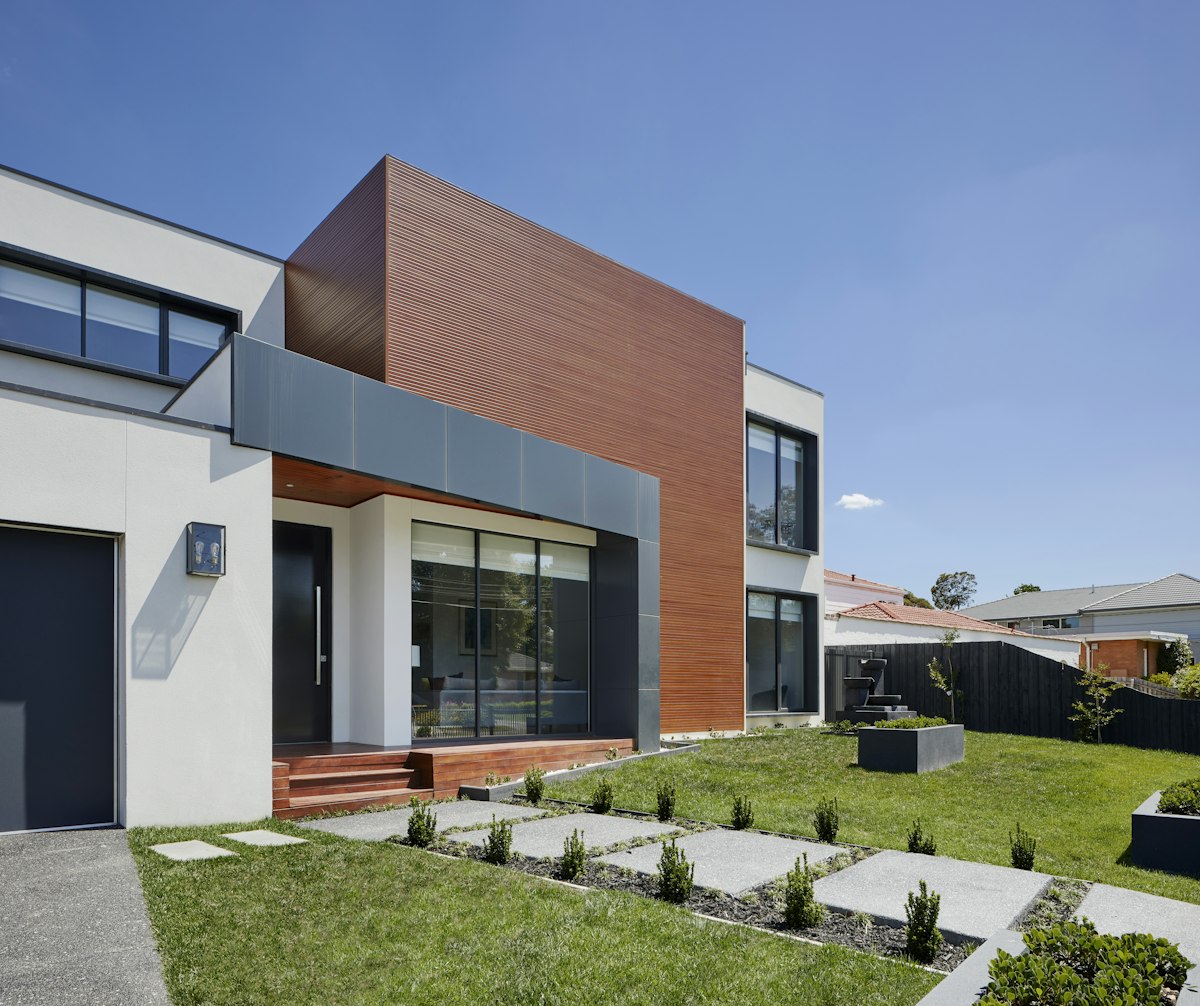
Benefits of Choosing Slim Profiles
Maximised Natural Light
The primary advantage is the significant increase in natural light entering your home. Less frame means more glass, leading to brighter interiors and a reduced reliance on artificial lighting during the day.
Enhanced Views
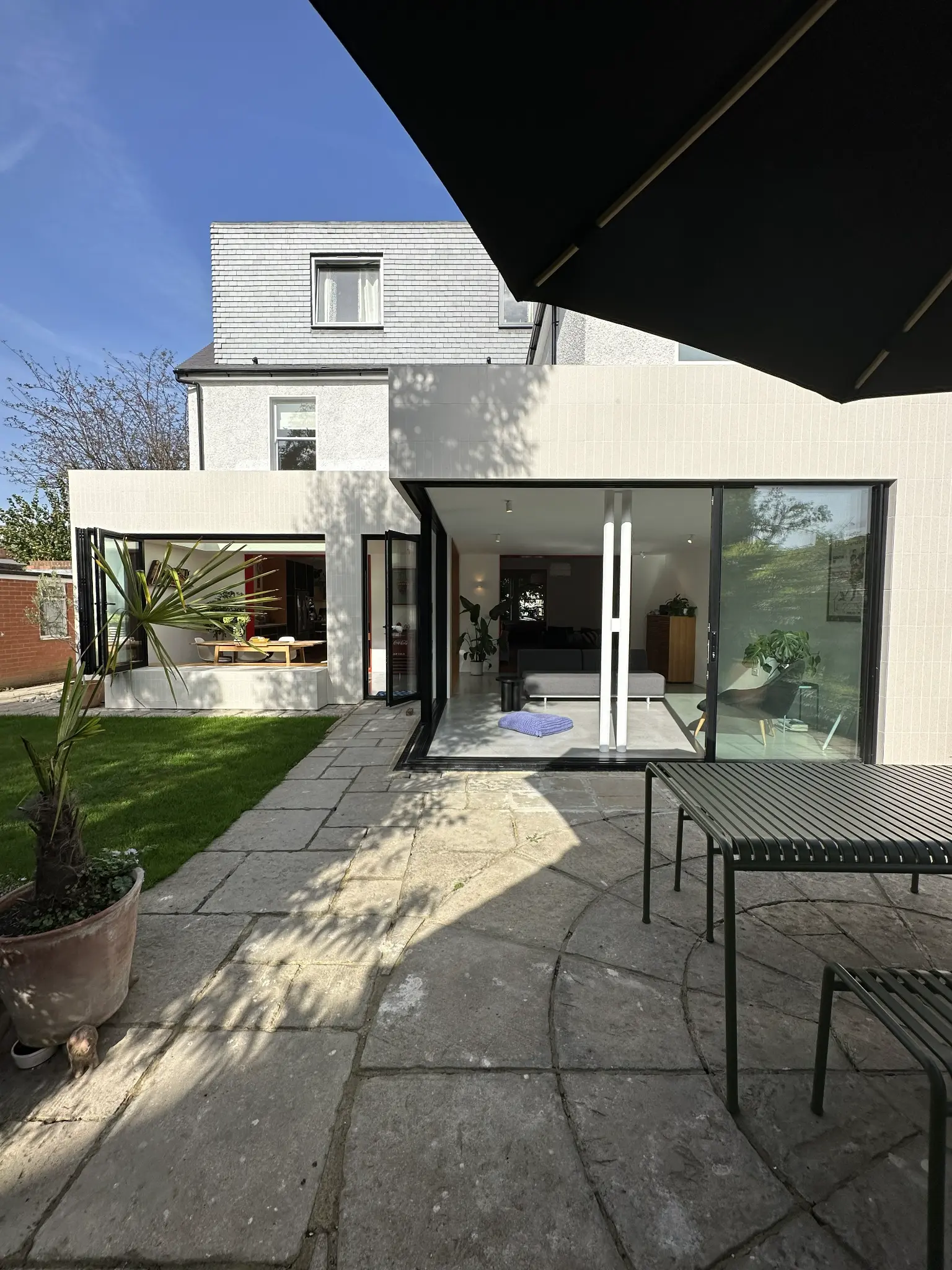
With minimal obstructions, slim profile doors offer expansive, panoramic views of your garden or surrounding landscape, creating a seamless connection between your indoor and outdoor spaces.
Contemporary Aesthetics
Their sleek, minimalist design complements modern architectural styles beautifully, adding a touch of sophistication and elegance to any property. They create a clean, uncluttered look.
Improved Space Perception
By opening up walls to the outside, these doors can make rooms feel larger and more airy, contributing to a sense of spaciousness and openness, even in smaller properties.
Technical Considerations and UK Building Regulations
While the aesthetic appeal of slim profile door frames is undeniable, it's crucial to consider their technical performance and compliance with UK Building Regulations, particularly Part L (Conservation of Fuel and Power).
Thermal Performance (U-Values)
One common misconception is that more glass automatically means poorer thermal performance. While glass is inherently less insulating than an opaque wall, modern slim profile door systems are engineered to achieve excellent thermal efficiency. This is primarily through:
- Double or Triple Glazing: Standard for all new installations, using low-emissivity (low-e) coatings, warm edge spacer bars, and inert gas (like argon or krypton) in the cavity.
- Thermal Breaks: Crucial for aluminium and steel frames, these are non-conductive materials inserted into the frame profile to prevent heat transfer between the inner and outer sections of the frame.
For replacement windows and doors in existing dwellings, UK Building Regulations Part L (2022 England) typically require a maximum U-value of 1.4 W/m²K. For new build properties or extensions, the requirement is even stricter, at 1.2 W/m²K. Reputable slim profile systems are designed to meet or exceed these standards, often achieving U-values as low as 1.0 W/m²K or even lower with triple glazing.
Pro Tip
Always request the specific U-value for the entire door system (frame and glass combined) from your supplier. Don't just rely on the glass U-value (Ug) or the frame U-value (Uf) in isolation. The overall U-value (Uw) is what matters for Building Regulations compliance.
Security
Despite their slender appearance, modern slim profile door frames are designed with robust security features. Look for systems that comply with PAS 24:2016 Enhanced Security Performance Requirements for Doorsets and Windows in the UK. Key security features include:
- Multi-point Locking Systems: Engaging at several points along the frame.
- High-security Cylinders: Anti-snap, anti-drill, anti-pick, anti-bump cylinders.
- Laminated or Toughened Glass: More resistant to impact.
- Internal Glazing Beads: Preventing glass removal from the outside.
Weather Tightness and Durability
Given the UK's often unpredictable weather, excellent weather tightness is paramount. High-quality slim profile systems feature:
- Robust Gasketing and Seals: To prevent water and air ingress.
- Drainage Systems: Integrated into the frame to manage any water ingress effectively.
- Corrosion-Resistant Materials: Especially important for coastal properties.
Aluminium frames, in particular, are highly durable and resistant to warping, rotting, or rusting, offering a long lifespan with minimal maintenance.
Structural Considerations
Installing large glazed doors, especially those with minimal frames, often requires careful structural assessment. The weight of large glass panels can be substantial, and the existing opening may need lintel or steel beam reinforcement. It is highly recommended to consult with a structural engineer and your local Building Control department early in the planning process to ensure the structural integrity of your property is maintained.
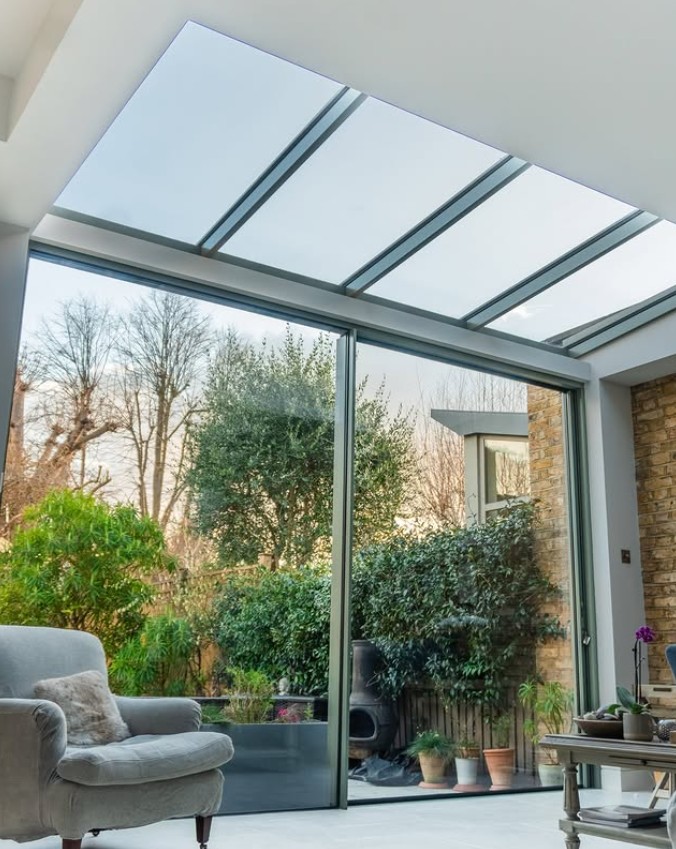
Types of Slim Profile Door Systems
The minimalist aesthetic can be applied to various door types, each with its own operational characteristics and benefits:
Slim Profile Sliding Doors
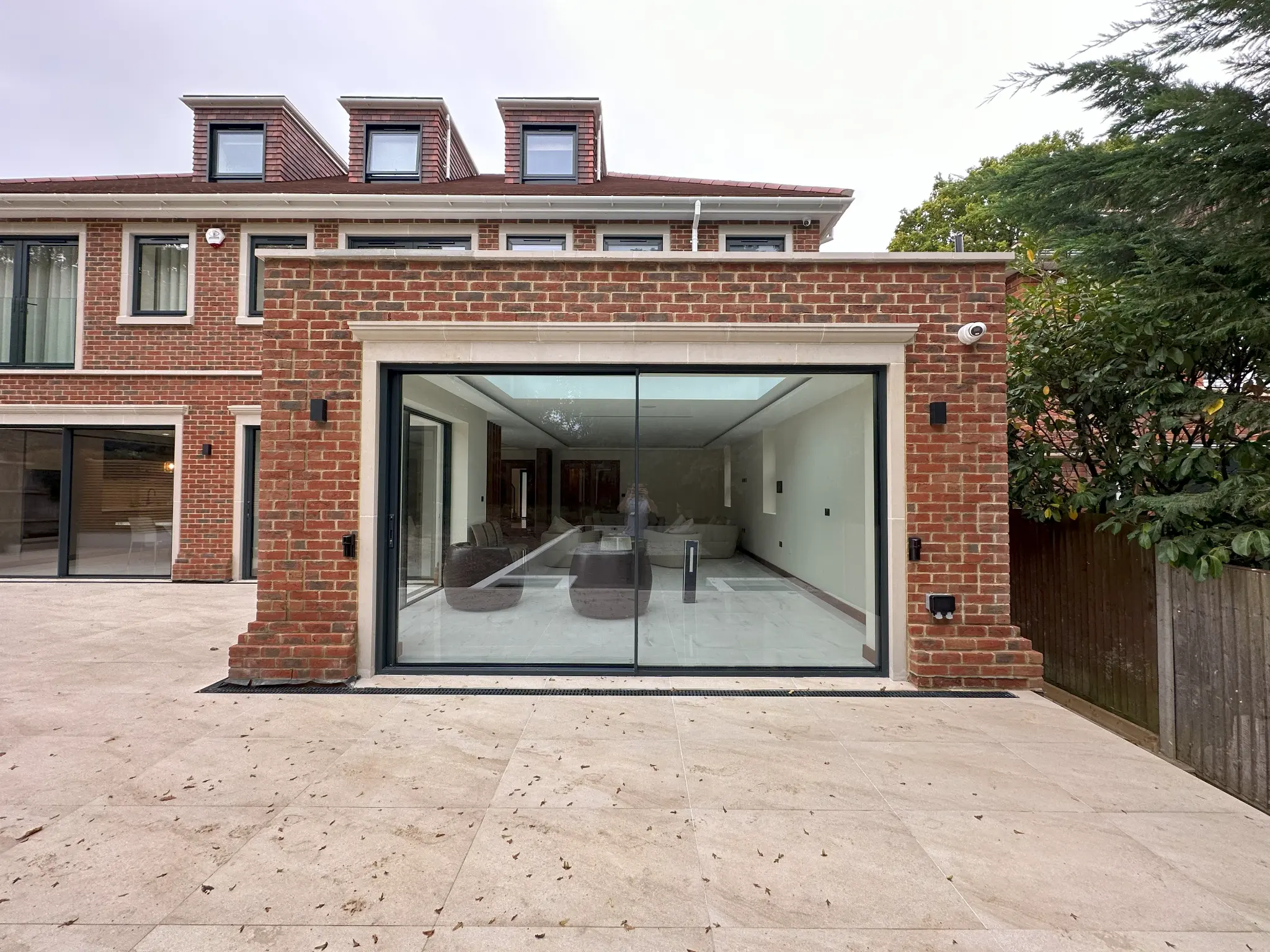
These are perhaps the most popular choice for achieving vast expanses of glass. They operate by panels sliding horizontally, often stacking behind one another or into a wall cavity (pocket doors). They offer the largest uninterrupted glass areas when closed.
- Advantages: Maximum glass area, ideal for wide openings, no intrusion into internal or external space when open.
- Considerations: Can be heavy, requires precise installation, some systems may have a slight threshold.
Slim Profile Bifold Doors
Bifold doors fold and slide open, creating a wide opening that fully connects indoor and outdoor spaces. While traditional bifolds have thicker frames, slim profile versions reduce the sightlines between panels.
- Advantages: Can open up nearly the entire aperture, creating a true 'wall of glass' when open.
- Considerations: Panels stack internally or externally, requiring space; more visible vertical frames than sliding doors when closed.
Slim Profile French Doors
For smaller openings or a more traditional yet refined look, slim profile French doors offer a timeless elegance with reduced frame bulk, allowing more light through each door leaf.
- Advantages: Classic aesthetic, can be opened inwards or outwards, good for smaller openings.
- Considerations: Two vertical frames in the centre when closed, require space for opening.
Comparison Table: Slim vs. Standard Aluminium Doors
| Feature | Slim Profile Aluminium Doors | Standard Aluminium Doors |
|---|---|---|
| Sightline (Visible Frame) | Typically 20mm - 60mm | Typically 80mm - 120mm+ |
| Glass Area | Maximised, up to 98% glass | Good, but less than slim profile |
| Aesthetics | Minimalist, contemporary, sleek | Modern, robust, functional |
| Thermal Performance (Uw) | Excellent (often <1.2 W/m²K) | Very good (typically 1.4-1.6 W/m²K) |
| Cost | Generally higher due to advanced engineering | Moderate, widely available |
| Structural Requirements | May require more detailed structural assessment for large spans | Standard structural considerations |
| Typical Applications | High-end residential, extensions, contemporary builds | Residential, commercial, general renovations |
Planning Your Slim Profile Door Installation
Embarking on a project involving slim profile door frames requires careful planning to ensure a successful outcome that meets your expectations and regulatory requirements.
Consultation and Design
Start by consulting with experienced architectural glazing specialists. They can guide you through the various options, explain the technical specifications, and help you choose the right system for your property's style and your specific needs. Consider factors such as:
- Opening Size and Configuration: How wide and tall is the opening? What type of door (sliding, bifold, French) best suits the space?
- Threshold Options: Do you need a flush threshold for seamless indoor-outdoor transition, or is a standard weather-rated threshold acceptable? Flush thresholds require careful drainage planning.
- Colour and Finish: Aluminium frames are available in a vast array of RAL colours, allowing you to match or contrast with your property's aesthetic.
- Glazing Specification: Double or triple glazing? Low-e coatings? Solar control glass for south-facing elevations? Acoustic glass for noisy areas?
Building Control and Planning Permission
Most installations of new or replacement doors will fall under the scope of Building Regulations. While replacement doors of the same size generally fall under permitted development, it's crucial that they meet current thermal performance standards (Part L). For new openings, extensions, or significant alterations, you will almost certainly need to involve Building Control. They will check for compliance with structural integrity, thermal performance, ventilation (Part F), and safety (Part K). In some cases, particularly for listed buildings or properties in conservation areas, planning permission may also be required. Always check with your local authority before commencing work.
Installation Expertise
The installation of slim profile door frames, especially large sliding or bifold systems, is a specialist job. The precision required for alignment, sealing, and ensuring smooth operation is paramount. Choose an installer with a proven track record in handling these advanced systems. Poor installation can lead to drafts, leaks, operational issues, and compromise thermal performance and security.
Conclusion
Slim profile door frames offer a compelling solution for homeowners looking to enhance natural light, improve views, and create a modern, spacious feel in their properties. By understanding the technical considerations, such as thermal performance, security, and Building Regulations compliance, you can confidently choose a system that not only looks stunning but also performs exceptionally well. With careful planning and the right expertise, these minimalist glazing solutions can truly transform your living spaces, connecting your home with the beauty of the outdoors.
For expert advice and a range of high-performance slim profile door frame options tailored to your UK home, consider consulting with specialists like Shard AG. Our team can guide you through the design, specification, and installation process, ensuring your project meets the highest standards of aesthetics, performance, and compliance.
Explore Our Products
Discover how Shard Architectural Glazing can transform your home with our premium glazing solutions:
Ready to Transform Your Home?
Get in touch with our expert team for a free consultation and personalised quote. We'll help you choose the perfect glazing solution for your property.