
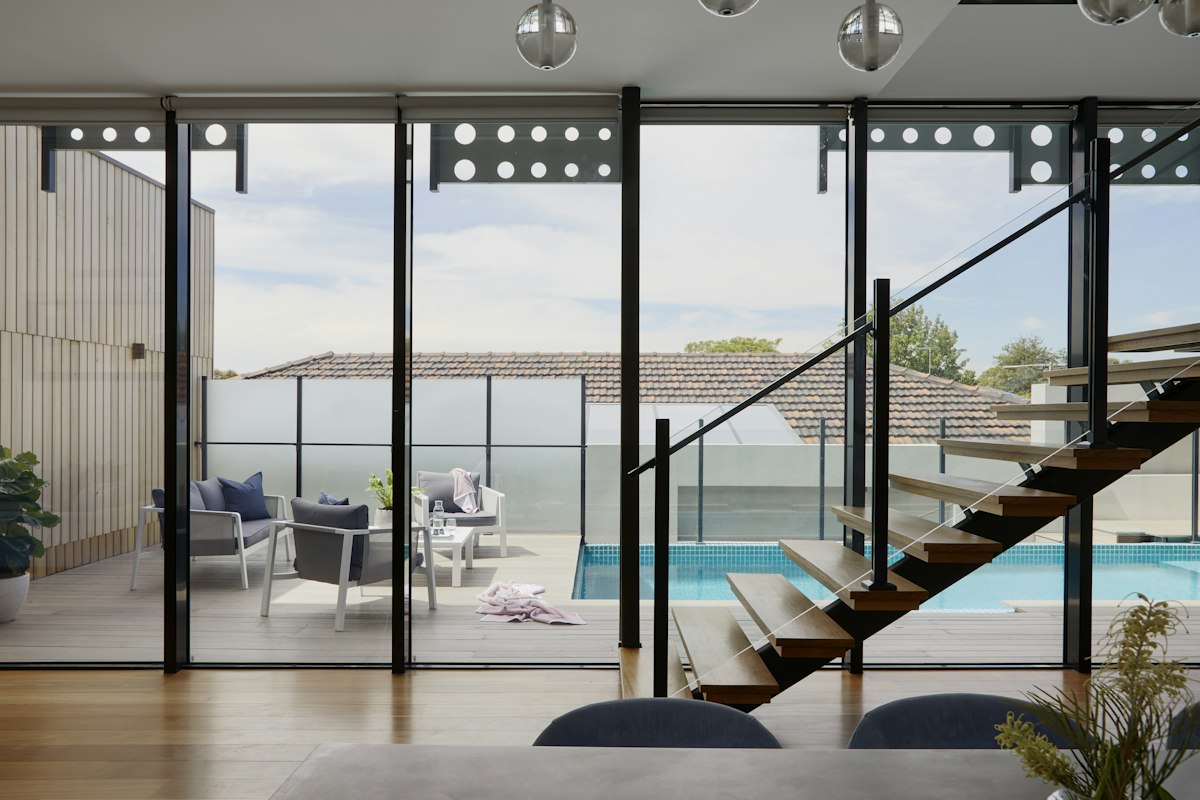
Smart Glass for UK Homes: The Future of Dynamic Glazing
Explore smart glass technology for UK homes. Learn about its types, benefits, applications, and how it complies with UK Building Regulations for energy efficiency.

Shard Architectural Glazing
2 May 2026
Explore smart glass technology for UK homes. Learn about its types, benefits, applications, and how it complies with UK Building Regulations for energy efficiency.
📋In This Article
Smart glass, also known as switchable glass or dynamic glazing, represents a significant leap forward in architectural design and home comfort. Far beyond traditional static windows, smart glass offers homeowners the ability to control light, privacy, and thermal performance at the touch of a button, transforming living spaces with unparalleled flexibility and efficiency.
This innovative technology is gaining traction in the UK, driven by a desire for enhanced comfort, energy savings, and modern aesthetics. For homeowners considering a renovation, extension, or new build, understanding smart glass can unlock a world of possibilities, from instant privacy in bathrooms to dynamic solar control in conservatories.
What is Smart Glass?
At its core, smart glass is an advanced glazing product that can change its light transmission properties when voltage, light, or heat is applied. This means a window or glass panel can switch from transparent to opaque, or from clear to tinted, almost instantaneously. This dynamic control offers a multitude of benefits over conventional glazing, which remains static regardless of external conditions or internal needs.
How Does Smart Glass Work?
The magic behind smart glass lies in its sophisticated interlayer materials. These materials react to external stimuli, altering their molecular structure or alignment to control the passage of light and heat. There are several primary types of smart glass technologies, each with distinct mechanisms:
- Electrochromic (EC) Glass: This type changes its tint in response to an electrical charge. It typically transitions slowly (minutes) and can offer multiple levels of tinting. It's excellent for solar control, blocking glare and reducing heat gain. EC glass retains its tint even when power is removed, only requiring electricity to switch states.
- Suspended Particle Device (SPD) Glass: SPD glass contains a film with rod-like particles suspended in a liquid. When no voltage is applied, these particles are randomly oriented, blocking light and making the glass opaque. Applying voltage aligns the particles, allowing light to pass through, making the glass transparent. SPD offers rapid switching (seconds) and precise control over light transmission.
- Polymer Dispersed Liquid Crystal (PDLC) Glass (Privacy Glass): This is perhaps the most common type for privacy applications. PDLC film consists of liquid crystal droplets dispersed within a polymer. In its natural state (no power), the liquid crystals are randomly oriented, scattering light and making the glass opaque or frosted. When an electric current is applied, the liquid crystals align, allowing light to pass through, rendering the glass transparent. It switches almost instantly.
- Thermotropic Glass: This glass reacts to temperature changes, becoming opaque when heated and clear when cooled. It's a passive technology, primarily used for solar control in specific applications where automatic response to heat is desired.
- Photochromic Glass: Similar to photochromic spectacle lenses, this glass darkens when exposed to UV light and lightens in its absence. It's also a passive technology, with its response time and degree of tinting dependent on UV intensity.
Pro Tip
When selecting smart glass, consider the primary function you need: instant privacy (PDLC), gradual solar control (Electrochromic), or rapid light blocking (SPD). Each technology excels in different areas, impacting cost, switching speed, and energy consumption.

Benefits of Smart Glass for UK Homes
Integrating smart glass into your home offers a range of practical and aesthetic advantages that go beyond traditional glazing solutions.
Enhanced Privacy
Instantly switch glass from clear to opaque, providing immediate privacy on demand for bathrooms, bedrooms, or overlooked areas, eliminating the need for blinds or curtains.
Superior Solar Control
Reduce glare and mitigate solar heat gain in summer, preventing overheating in conservatories, large glazed extensions, or south-facing rooms. This can lead to significant savings on air conditioning costs.
Improved Energy Efficiency
By actively managing solar gain and heat loss, smart glass can contribute to a more stable internal temperature, reducing reliance on heating and cooling systems and lowering energy bills.
Modern Aesthetics & Versatility
Achieve a sleek, minimalist look without visible window treatments. Smart glass can be integrated into various applications, from windows and doors to internal partitions and rooflights, offering design flexibility.
Additional Advantages:
- UV Protection: Many smart glass types block a significant percentage of harmful UV rays, protecting furniture, flooring, and artwork from fading.
- Noise Reduction: As a laminated product, smart glass can offer improved acoustic insulation compared to standard single or double glazing, contributing to a quieter home environment.
- Hygiene and Maintenance: Eliminating blinds and curtains reduces dust traps and simplifies cleaning, promoting a healthier living space.
- Security: The laminated nature of smart glass can also add an extra layer of security, making it more difficult to break than standard glass.
Applications in UK Residential Properties
The versatility of smart glass makes it suitable for a wide array of applications within a UK home, enhancing both functionality and style:
- Bathrooms and En-suites: Instant privacy for shower screens, external windows, or internal partitions between bedroom and bathroom.
- Kitchens: Splashbacks that double as privacy screens, or windows that can be tinted to reduce morning or afternoon glare.
- Conservatories and Orangeries: Dynamic solar control for roofs and vertical glazing, preventing overheating in summer and allowing maximum light in winter.
- Home Offices: Creating private, focused workspaces with switchable internal glass partitions.
- Bedrooms: Privacy on demand without heavy curtains, allowing for maximum natural light when desired.
- Front Doors and Side Panels: Enhancing security and privacy for entranceways.
- Rooflights and Skylights: Controlling light and heat from above, especially useful in south-facing installations.
- Internal Partitions: Creating flexible open-plan spaces that can be instantly privatised or enclosed.
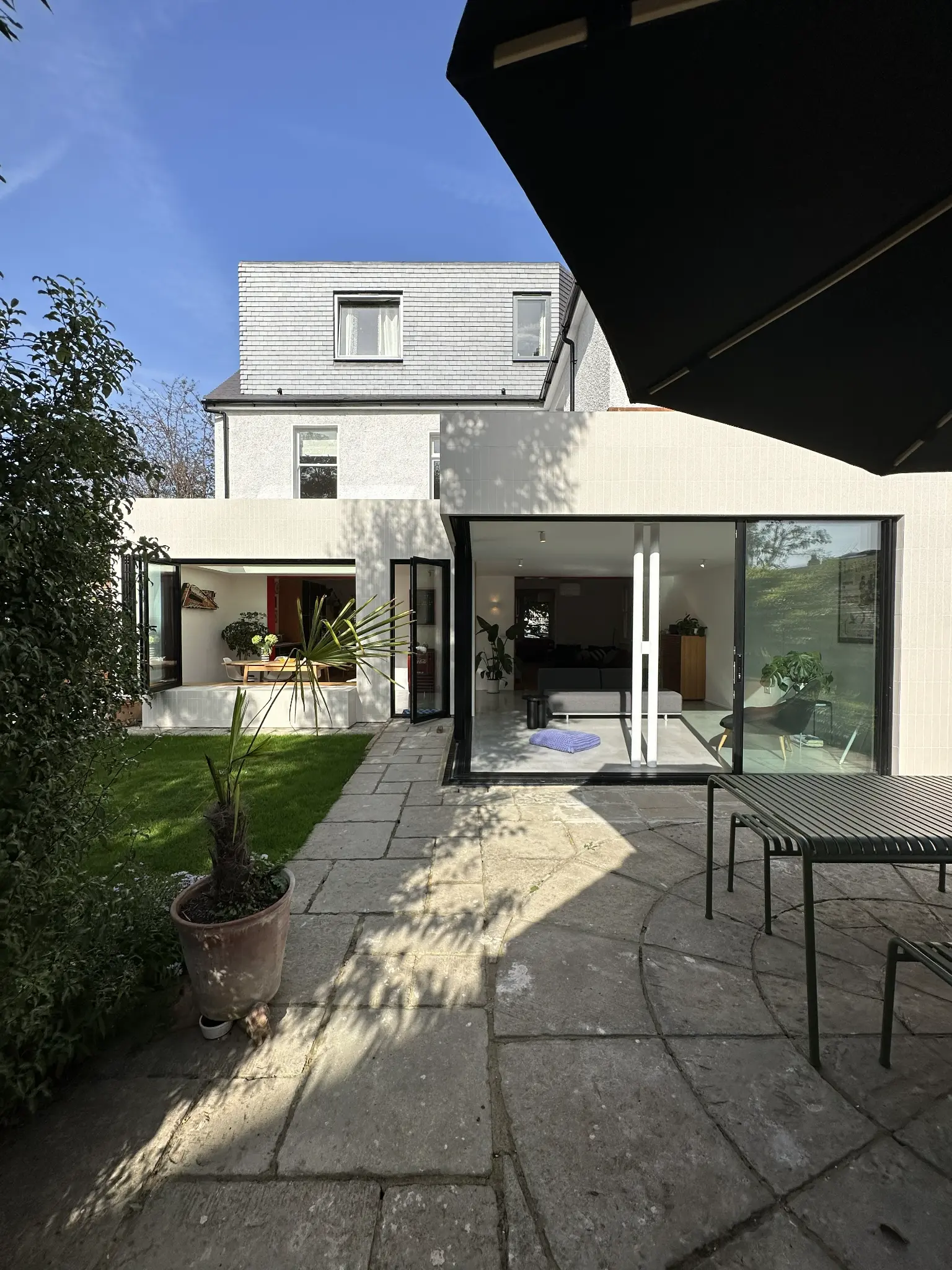
Technical Considerations and UK Building Regulations
While smart glass offers numerous benefits, it's crucial for UK homeowners to understand the technical aspects and how these products align with Building Regulations.
U-Values and Energy Efficiency
The U-value measures the rate of heat transfer through a material; a lower U-value indicates better insulation. For smart glass, the U-value will depend on the overall glazing unit construction (e.g., double or triple glazing, air or argon gas fill, low-emissivity coatings) rather than solely the smart film itself. However, the ability of smart glass to control solar gain is where it truly shines in energy efficiency.
Under UK Building Regulations Part L (Conservation of Fuel and Power, 2022 England), specific U-value targets must be met for new builds and extensions:
- New Build Windows/Doors: Maximum 1.2 W/m²K
- Replacement Windows/Doors: Maximum 1.4 W/m²K
It is essential that any smart glass installation, whether in a new opening or as a replacement, meets or exceeds these U-value requirements. Most reputable smart glass manufacturers integrate their technology within high-performance insulated glass units (IGUs) to ensure compliance.
G-Value (Solar Factor)
The g-value (or solar factor) measures the total solar energy transmittance through glass. A lower g-value means less solar heat enters the building. Smart glass, particularly electrochromic and SPD types, can dynamically adjust their g-value, offering significant solar control. This is particularly beneficial for large expanses of glass, helping to prevent overheating and reducing the need for air conditioning.
Power Requirements and Control Systems
Most active smart glass technologies (PDLC, SPD, Electrochromic) require a low-voltage electrical supply (typically 48V or 110V AC, stepped down to 60V AC or less). This necessitates professional installation by a qualified electrician to ensure safety and compliance with electrical regulations.
Control systems vary from simple wall switches to remote controls, smartphone apps, or integration with smart home automation systems (e.g., Zigbee, Z-Wave, KNX). This allows for sophisticated control, including scheduling, daylight sensors, or even voice commands.
Safety Glazing
All glazing in critical locations (e.g., doors, side panels, low-level glazing, bathroom screens) must comply with BS EN 12600 for impact safety. Smart glass is typically a laminated product, which inherently offers enhanced safety characteristics, as the film holds glass fragments together upon breakage, similar to laminated safety glass.
Comparison of Smart Glass Technologies
Understanding the differences between the main types is key to choosing the right solution for your home.
| Feature | PDLC (Privacy Glass) | SPD (Solar Control) | Electrochromic (Solar Control) |
|---|---|---|---|
| Primary Use | Instant Privacy | Light & Glare Control | Solar Heat & Glare Control |
| Switching Speed | Instant (milliseconds) | Fast (seconds) | Slow (minutes) |
| Appearance (Off) | Opaque/Frosted | Dark/Tinted | Clear (untinted) |
| Appearance (On) | Clear | Clear | Tinted (various levels) |
| Power Consumption | Low (only when clear) | Low (only when clear) | Very Low (only when switching) |
| UV Blockage | ~99% | ~99% | ~99% |
| Cost (Relative) | Moderate | High | Very High |
Cost, Maintenance, and Longevity
Initial Investment
Smart glass represents a premium glazing solution, and its initial cost is significantly higher than conventional double or triple glazing. The price varies widely depending on the type of technology, the size and complexity of the glass unit, and the control system chosen. While the upfront investment is substantial, the long-term benefits in terms of energy savings, comfort, and property value can offer a compelling return.
Maintenance
Maintenance for smart glass is generally straightforward. The glass itself can be cleaned in the same way as regular windows. The electrical components are typically sealed within the insulated glass unit, protecting them from environmental factors. It's advisable to follow the manufacturer's specific cleaning and care instructions.
Longevity
The lifespan of smart glass depends on the technology and quality of manufacturing. Reputable manufacturers offer warranties typically ranging from 5 to 10 years for the smart film component, with the overall insulated glass unit often carrying a longer warranty (e.g., 10-20 years). As with any advanced technology, ensuring professional installation and adherence to operating guidelines will contribute to its longevity.
Choosing the Right Smart Glass for Your Home
When considering smart glass for your UK home, it's important to approach the decision thoughtfully:
- Define Your Needs: What is the primary problem you're trying to solve? Is it privacy, solar glare, heat gain, or a combination? This will guide you towards the most appropriate technology.
- Budget: Be realistic about the investment. Obtain detailed quotes from several specialist suppliers.
- Performance: Request U-values and g-values for the complete smart glass unit to ensure compliance with Building Regulations and optimal energy performance.
- Integration: Consider how the smart glass will integrate with your existing or planned smart home systems.
- Supplier Reputation: Choose a reputable supplier and installer with a proven track record in smart glass technology. Ask for examples of previous installations and check their certifications.
- Warranty: Understand the warranty coverage for both the glass unit and the smart film/technology.
Smart glass technology offers an exciting and sophisticated way to enhance comfort, control, and energy efficiency in UK homes. By carefully considering the different types, their benefits, and technical requirements, homeowners can make informed decisions that transform their living spaces for the better.
For expert advice and high-quality smart glass solutions tailored to your specific project, consider consulting with specialists like Shard AG. We provide comprehensive guidance on selecting, designing, and installing advanced glazing systems that meet the unique demands of modern UK homes, ensuring compliance with all relevant Building Regulations and delivering exceptional performance.
Explore Our Products
Discover how Shard Architectural Glazing can transform your home with our premium glazing solutions:
Ready to Transform Your Home?
Get in touch with our expert team for a free consultation and personalised quote. We'll help you choose the perfect glazing solution for your property.