

Structural Glass Walls: A Comprehensive UK Homeowner's Guide
Explore structural glass walls for your UK home. Understand design, benefits, regulations, and practical considerations for creating stunning, light-filled spaces.

Shard Architectural Glazing
10 May 2026
Explore structural glass walls for your UK home. Understand design, benefits, regulations, and practical considerations for creating stunning, light-filled spaces.
📋In This Article
Structural glass walls represent the pinnacle of modern architectural glazing, offering homeowners in the UK the opportunity to create breathtaking, light-filled spaces with unparalleled views. Far beyond a simple window, these systems integrate glass directly into the building's structure, often eliminating the need for traditional frames and supports. This guide will delve into the intricacies of structural glass walls, covering their design principles, benefits, technical considerations, and compliance with UK Building Regulations.
What Are Structural Glass Walls?
At its core, a structural glass wall is a glazing system where the glass itself forms part of the building's load-bearing structure or provides the primary weather barrier and aesthetic without visible frames. Unlike conventional windows or curtain walling, which rely on aluminium, timber, or uPVC frames to hold the glass, structural glass systems minimise or entirely eliminate these elements. The glass panels are often joined using silicone seals, discreet metal fixings, or even glass fins, creating a seamless, 'all-glass' appearance.
There are several common types of structural glass systems:
- Point-Fixed Glazing: Glass panels are held in place by discreet stainless steel 'spider' fittings that bolt through the glass, typically to a secondary steel or glass fin structure.
- Glass Fin Supported Systems: Vertical or horizontal glass fins, often made from toughened laminated glass, are used as the primary structural support, to which the main glass panels are attached.
- Silicone-Glazed Systems: Large glass panels are bonded together using high-performance structural silicone, creating a virtually frameless aesthetic.
- Walk-on Glass Floors/Roofs: While not strictly 'walls', these systems use structural glass to bear foot traffic or roof loads, demonstrating the load-bearing capabilities of glass.
The choice of system depends heavily on the architectural vision, structural requirements, and budget.
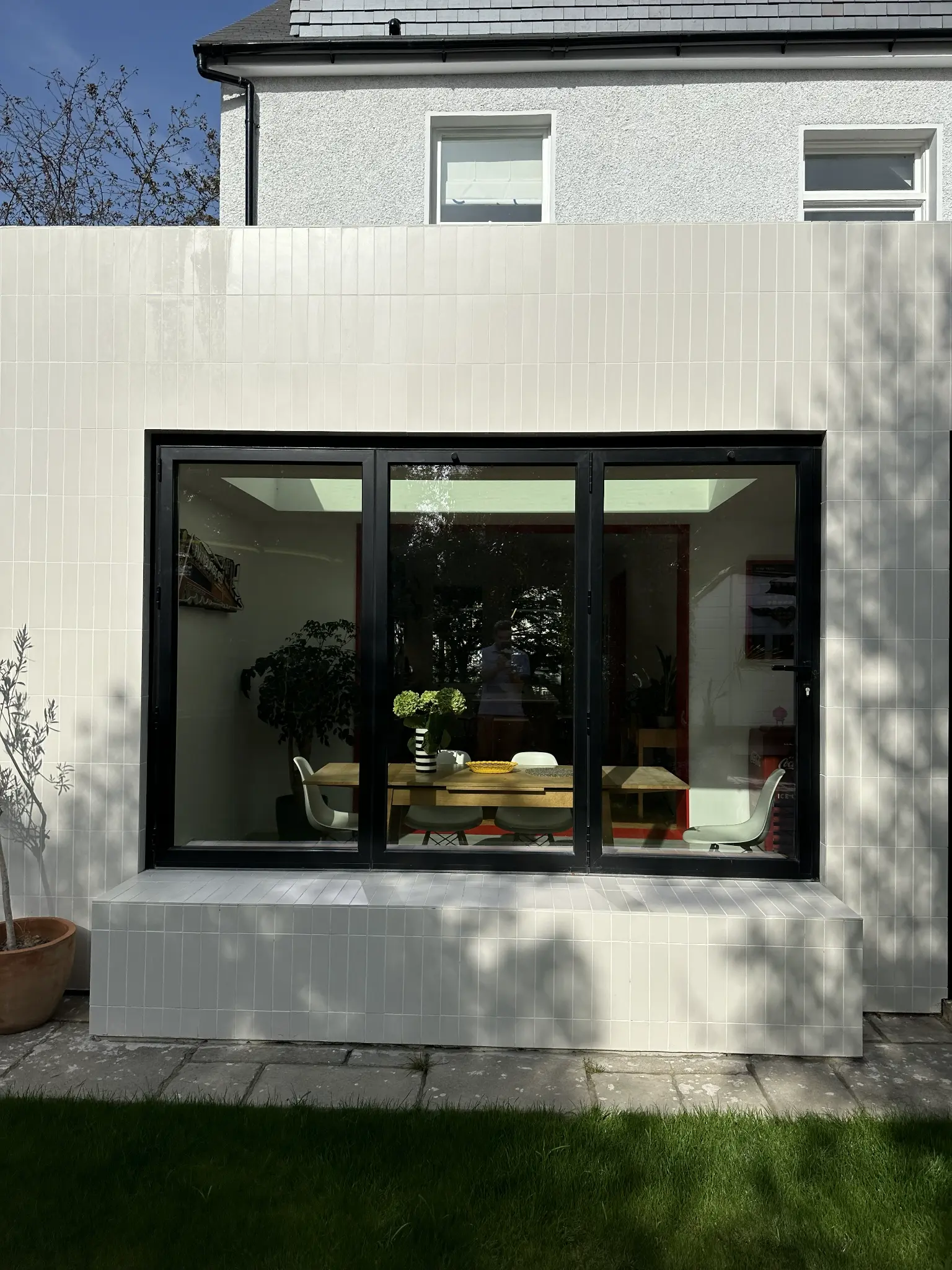
Benefits and Practical Considerations
Structural glass walls offer a host of advantages, but also come with specific considerations that homeowners should be aware of.
Maximised Natural Light
The primary draw of structural glass is its ability to flood interior spaces with natural light. This reduces reliance on artificial lighting, enhances mood, and can make smaller spaces feel significantly larger and more open.
Uninterrupted Views
By minimising frames and supports, structural glass provides expansive, panoramic views of the surrounding landscape, seamlessly connecting indoor and outdoor environments. This is particularly appealing for properties with attractive gardens or scenic outlooks.
Modern Aesthetic
The sleek, minimalist appearance of structural glass complements contemporary architectural designs, creating a sophisticated and luxurious feel. It can transform an ordinary extension or renovation into a striking architectural feature.
Increased Property Value
A well-designed and expertly installed structural glass system can significantly enhance the desirability and market value of a property, appealing to buyers seeking modern, light-filled homes.
Practical Considerations:
- Cost: Structural glass systems are generally more expensive than conventional glazing due to the specialised engineering, materials, and installation expertise required.
- Thermal Performance: While modern structural glass uses high-performance insulated glass units (IGUs), achieving optimal thermal efficiency can be more challenging than with framed systems due to the large glass surface area and the thermal bridges created by fixings. Careful specification is crucial.
- Privacy: The transparency that is a key benefit can also be a drawback for privacy. Solutions like switchable glass, integrated blinds, or strategic landscaping may be necessary.
- Cleaning and Maintenance: Large expanses of glass, especially in hard-to-reach areas, will require professional cleaning to maintain their pristine appearance.
- Solar Gain: While desirable in winter, excessive solar gain in summer can lead to overheating. Specifying solar control coatings or integrating shading solutions (e.g., external blinds, overhangs) is often recommended.
Technical Specifications and UK Building Regulations
The design and installation of structural glass walls are highly technical and must comply with stringent UK Building Regulations to ensure safety, structural integrity, and energy efficiency.
Glass Types and Construction:
- Toughened Glass (Tempered Glass): This glass is heated and rapidly cooled, making it four to five times stronger than ordinary glass. When it breaks, it shatters into small, relatively harmless fragments. It is often used for the outer pane of an IGU.
- Laminated Glass: Consists of two or more panes of glass bonded together with a plastic interlayer (typically PVB or SGP). If broken, the interlayer holds the fragments in place, preventing them from falling out. This is crucial for safety, especially in overhead glazing or where there's a risk of falling. Laminated glass is often specified for the inner pane or for the entire unit in critical applications.
- Insulated Glass Units (IGUs): Structural glass walls almost exclusively use IGUs, comprising two or more panes of glass separated by a sealed cavity filled with an inert gas (like argon or krypton) to improve thermal performance.
UK Building Regulations Compliance:
Several parts of the Building Regulations (England) 2010, as amended, are particularly relevant:
- Part A: Structure: This is paramount. The structural integrity of the glass and its fixings must be proven by a qualified structural engineer. Calculations must demonstrate the glass can withstand dead loads (its own weight), live loads (e.g., wind pressure, snow loads), and impact loads.
- Part B: Fire Safety: Consideration must be given to fire resistance, means of escape, and the spread of fire. While glass itself isn't combustible, its performance in a fire needs to be assessed, and fire-rated glass may be required in certain situations.
- Part K: Protection from Falling, Collision and Impact: This dictates that glazing in critical locations (e.g., low-level glazing, doors, adjacent to doors) must be safety glass (toughened or laminated) to prevent injury from breakage. Balustrades and barriers must also meet specific height and impact resistance requirements.
- Part L: Conservation of Fuel and Power: This is critical for thermal performance. Structural glass walls must meet specific U-value targets. For new build extensions, the target for windows and doors is 1.2 W/m²K. For replacement windows and doors, it's 1.4 W/m²K. Achieving these values with large expanses of glass requires careful specification of high-performance IGUs, often with low-emissivity coatings and warm edge spacers.
- Part F: Ventilation: Adequate ventilation must be provided, which can be challenging with fixed structural glass. Solutions may include trickle vents, integrated opening sections, or mechanical ventilation systems.
It is always advisable to consult with your local Building Control Body or a qualified professional early in the design process to ensure full compliance.
Pro Tip
When specifying structural glass, always request a full U-value calculation for the entire system, not just the glass unit itself. This 'installed U-value' will account for frames, seals, and fixings, providing a more accurate representation of the system's true thermal performance.
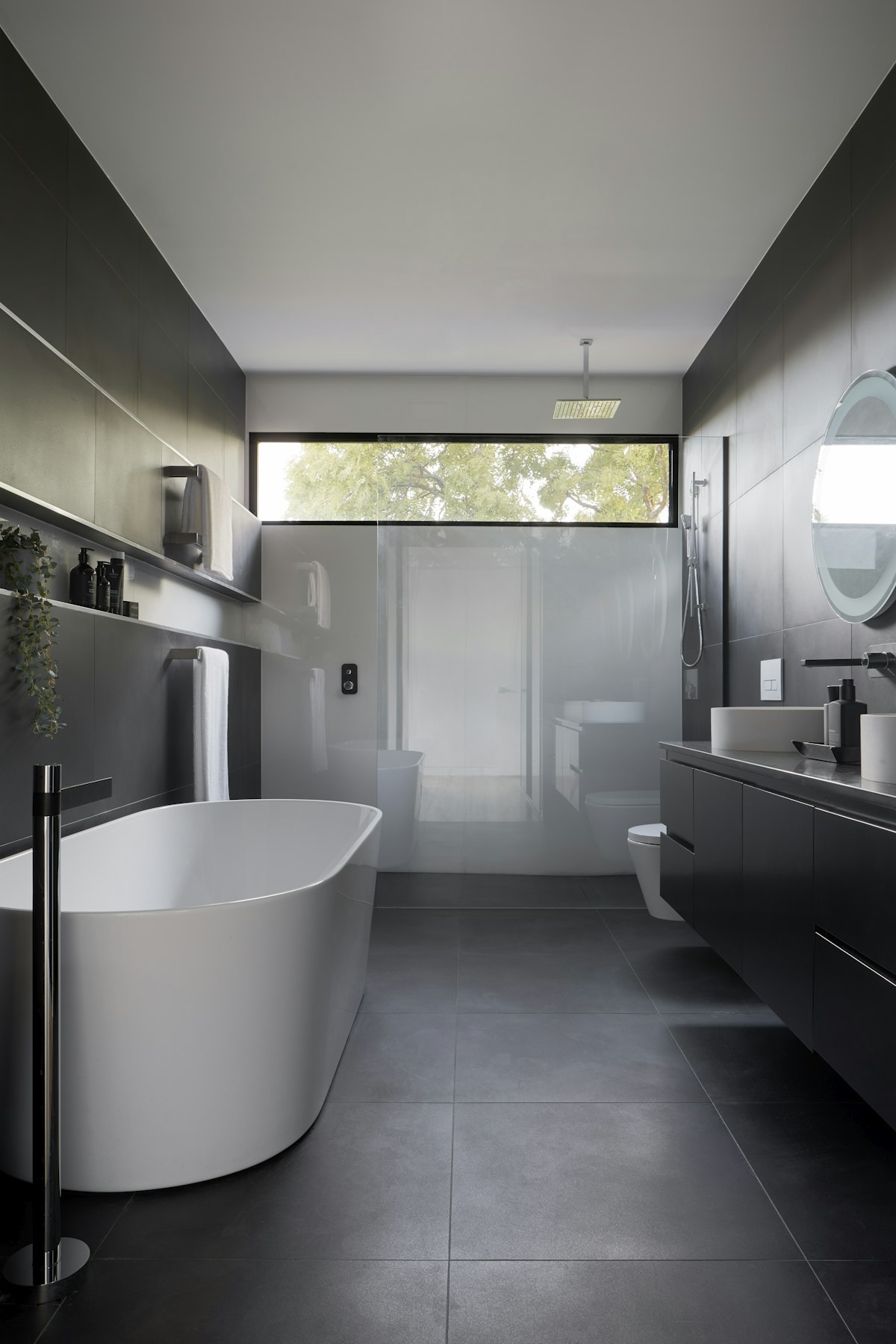
Design and Installation Considerations
Designing and installing structural glass walls is a specialist task that requires meticulous planning and execution.
Design Phase:
- Structural Engineer Involvement: A qualified structural engineer is indispensable. They will perform detailed calculations to ensure the glass and its supporting structure can safely withstand all anticipated loads.
- Architectural Vision: Work closely with an architect to integrate the structural glass seamlessly into your home's overall design, considering aesthetics, functionality, and flow.
- Environmental Factors: Consider the orientation of the glass, potential for solar gain, wind exposure, and privacy needs. These will influence glass specification (e.g., solar control coatings, acoustic glass) and the need for shading solutions.
- Access and Maintenance: Plan for how the glass will be cleaned and maintained, especially for large or high-level installations.
Installation Phase:
- Specialist Contractors: Structural glass installation is not a DIY job. It requires specialist glazing contractors with experience in handling large, heavy glass panels and precise installation techniques.
- Site Access: Consider how large glass panels will be delivered and manoeuvred into place. Cranes or specialist lifting equipment are often required, which can impact logistics and cost.
- Weather Protection: The building envelope needs to be properly sealed against water and air ingress. High-performance sealants and meticulous attention to detail are crucial.
- Coordination: The installation needs to be carefully coordinated with other trades (e.g., builders, electricians, plumbers) to ensure a smooth process.
Comparison: Structural Glass vs. Traditional Glazing
To help you decide if structural glass is right for your project, here's a comparison with more traditional framed glazing options:
| Feature | Structural Glass Wall | Traditional Framed Glazing |
|---|---|---|
| Aesthetic | Minimalist, frameless, seamless, high-end architectural look | Visible frames (aluminium, timber, uPVC), more conventional appearance |
| Views | Uninterrupted, panoramic views | Views partially obstructed by frames |
| Natural Light | Maximised light penetration | Good light, but frames reduce glazed area |
| Thermal Performance (U-value) | Achievable, but requires high-spec IGUs and careful design to meet 1.2-1.4 W/m²K | Easier to achieve good U-values due to insulating properties of frames |
| Structural Support | Glass itself acts as primary structure or supported by minimal glass/steel fins | Frames provide primary structural support for the glass |
| Cost | Higher due to specialist engineering, materials, and installation | Generally lower, depending on frame material and quality |
| Installation | Highly specialised, complex, requires expert contractors | Standard glazing installation, generally less complex |
| Maintenance | Requires professional cleaning for large areas; seals may need inspection | Standard cleaning; frame maintenance (e.g., painting timber) |
Planning Your Structural Glass Project
Embarking on a structural glass project requires a methodical approach to ensure success and compliance.
- Define Your Vision: What do you want to achieve? Maximise light, create a specific aesthetic, or connect with the outdoors?
- Consult Professionals Early: Engage an architect and a structural engineer from the outset. Their expertise is invaluable for feasibility, design, and regulatory compliance.
- Budget Realistically: Obtain detailed quotes from specialist structural glazing companies. Remember to factor in design fees, structural calculations, and potential access costs.
- Check Planning Permission: Large glazing installations, especially in extensions or alterations to listed buildings, may require planning permission. Your architect can advise on this.
- Building Control Application: A detailed Building Control application will be necessary, including structural calculations and thermal performance data.
- Choose a Reputable Specialist: Select a glazing contractor with a proven track record in structural glass, demonstrable expertise, and appropriate certifications. Ask for references and examples of similar projects.
- Review Specifications Thoroughly: Understand the glass type, coatings, U-values, fixing methods, and warranty details before committing.
Structural glass walls offer an unparalleled blend of aesthetics and functionality, transforming homes into luminous, open spaces. While they represent a significant investment and require careful planning, the result is often a stunning architectural statement that enhances both lifestyle and property value. By understanding the technical requirements, regulatory compliance, and practical considerations, UK homeowners can confidently embark on their structural glass journey.
At Shard AG, we specialise in designing, manufacturing, and installing bespoke structural glass solutions for discerning homeowners across the UK. Our team of experts works closely with architects and clients to deliver innovative, high-performance glazing systems that meet the most demanding aesthetic and technical specifications, ensuring full compliance with all relevant Building Regulations. Contact us today to discuss your vision and discover how structural glass can redefine your living space.
Explore Our Products
Discover how Shard Architectural Glazing can transform your home with our premium glazing solutions:
Ready to Transform Your Home?
Get in touch with our expert team for a free consultation and personalised quote. We'll help you choose the perfect glazing solution for your property.