
Structural Glass Walls: A Comprehensive UK Homeowner's Guide
Explore structural glass walls for UK homes. Understand design, regulations, benefits, and considerations for creating stunning, light-filled spaces.

Shard Architectural Glazing
13 May 2026
Explore structural glass walls for UK homes. Understand design, regulations, benefits, and considerations for creating stunning, light-filled spaces.
📋In This Article
Structural glass walls, often referred to as frameless glass or point-fixed glazing, represent a pinnacle of modern architectural design. They offer an unparalleled ability to create light-filled, expansive spaces, seamlessly blending indoor and outdoor environments. For UK homeowners considering this sophisticated addition, understanding the technical aspects, design considerations, and regulatory requirements is crucial. This guide delves into the world of structural glass, providing the expert insights you need to make informed decisions.
What Are Structural Glass Walls?
Unlike traditional window and door systems that rely on visible frames to support the glass, structural glass walls use the glass itself as a primary structural element. This is achieved through various sophisticated methods, including:
- Point-Fixed Glazing: Individual glass panels are secured by discreet stainless steel 'spider' fittings or bolts that pass through drilled holes in the glass, attaching to a sub-structure.
- Fin-Supported Glazing: Vertical glass fins, perpendicular to the main glass panels, act as stiffeners, transferring wind loads and other forces back to the main building structure.
- Glass Beams and Columns: In some highly engineered designs, glass beams and columns can be used to support glass roofs or multi-storey glass facades, creating a truly 'all-glass' aesthetic.
- Structural Silicone Glazing (SSG): Panels are bonded to a hidden frame using high-strength structural silicone, creating a flush, frameless exterior appearance.
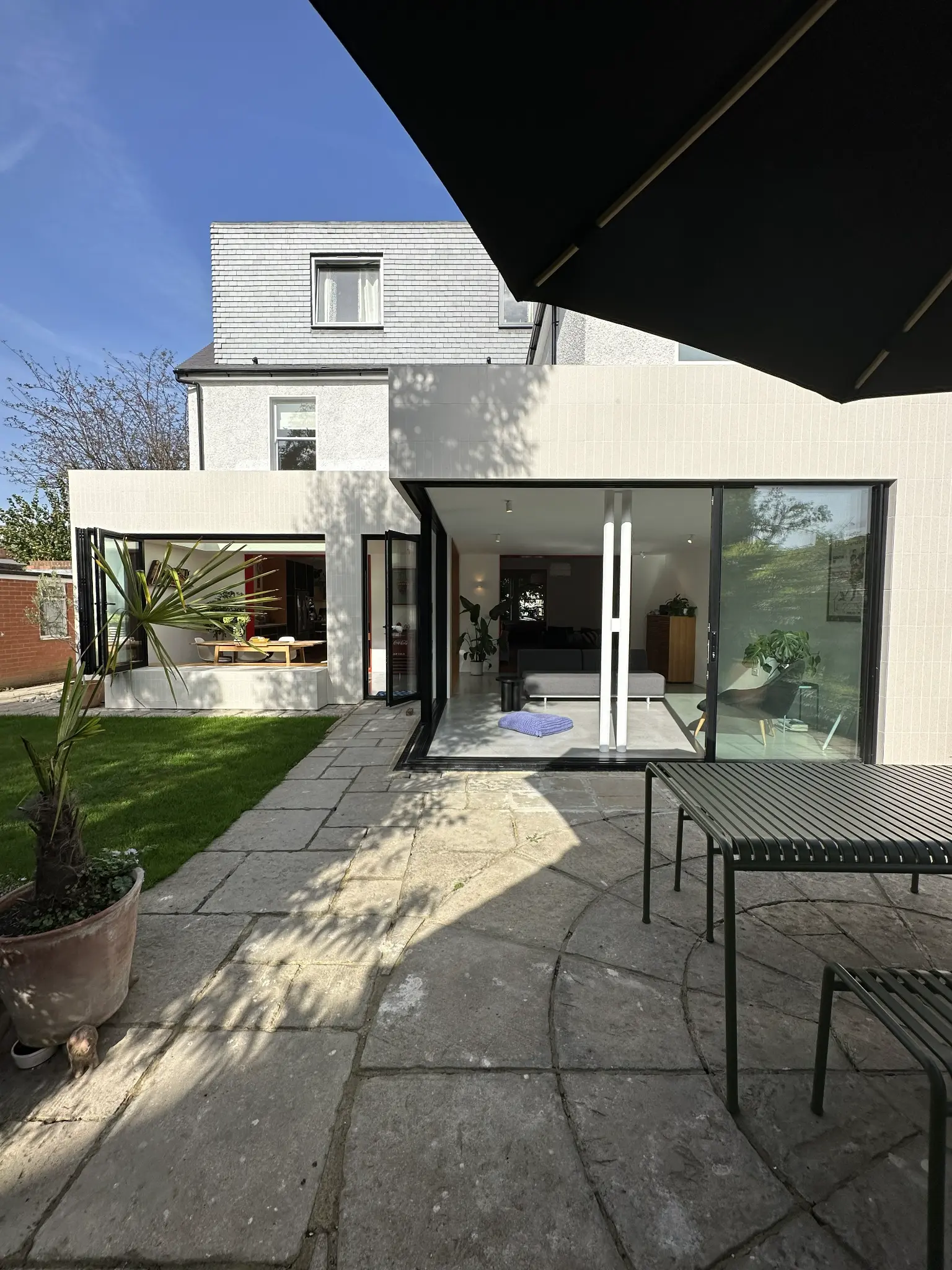
The result is a minimalist, transparent facade that maximises natural light and offers unobstructed views, transforming the perception of space within a property.
Design and Technical Considerations
Glass Specification and Performance
The type of glass used in structural applications is paramount for safety, performance, and compliance. Typically, structural glass walls utilise laminated safety glass, toughened safety glass, or a combination of both (laminated toughened glass).
- Toughened Glass: Also known as tempered glass, it's up to five times stronger than annealed glass of the same thickness. When broken, it shatters into small, relatively harmless fragments.
- Laminated Glass: Consists of two or more panes of glass bonded together with an interlayer (typically PVB or SGP). If broken, the interlayer holds the fragments in place, preventing them from falling out and maintaining the integrity of the opening.
For structural applications, laminated toughened glass is often preferred as it combines the strength of toughened glass with the safety and post-breakage integrity of lamination. Panel thickness can range significantly, often from 10mm to 30mm or more, depending on the span, wind loads, and structural requirements.
Pro Tip
Always specify glass with a low-emissivity (low-e) coating and argon or krypton gas-filled cavities for improved thermal performance. This is crucial for meeting UK Building Regulations Part L requirements and reducing energy bills.
Thermal Performance and U-Values
One of the primary challenges with large expanses of glass is maintaining thermal efficiency. Modern structural glass systems employ advanced technologies to achieve impressive U-values (a measure of heat loss). Double glazing is standard, but triple glazing with multiple low-e coatings and warm-edge spacers can significantly enhance performance. For new build properties and extensions in the UK, the U-value for windows and doors is typically required to be 1.2 W/m²K or lower. For replacement windows, it's 1.4 W/m²K or lower. Achieving these values with structural glass requires careful specification.
Structural Integrity and Engineering
The design of structural glass walls requires specialist engineering expertise. A structural engineer must calculate loads (wind, snow, dead loads, live loads) and design the glass panels, fixings, and supporting structure to safely withstand these forces. This involves detailed finite element analysis (FEA) and adherence to British Standards (e.g., BS 6180 for barriers, BS EN 1991 for actions on structures).
Sealants and Weatherproofing
High-performance, UV-stable silicone sealants are critical for weatherproofing and maintaining the integrity of the glass joints. These sealants must accommodate thermal expansion and contraction of the glass panels without compromising the seal.
UK Building Regulations and Compliance
Any significant alteration or extension involving structural glass walls will fall under the scope of UK Building Regulations. Key areas of compliance include:
- Part A (Structure): Ensuring the structural stability and safety of the glass system and its integration with the existing building. A structural engineer's calculations and certification are essential.
- Part B (Fire Safety): Considerations for fire resistance, means of escape, and fire spread. Large expanses of glass can impact fire safety strategies, and specialist advice may be needed.
- Part K (Protection from Falling, Collision and Impact): Ensuring the glass is safe and robust, particularly if it forms a barrier or is in an accessible area. Safety glass (toughened or laminated) is typically required.
- Part L (Conservation of Fuel and Power): This is highly relevant for glazing. Structural glass walls must meet stringent U-value requirements to minimise heat loss. As per the 2022 regulations for England, new windows/doors in new builds/extensions must achieve 1.2 W/m²K, and replacement windows/doors 1.4 W/m²K.
- Part F (Ventilation): Ensuring adequate ventilation is provided, which might involve incorporating openable sections or trickle vents within the glass system.
It is highly recommended to engage with your local Building Control body early in the design process. They will review plans and conduct inspections to ensure compliance. Failure to comply could affect the legality of your build and future property sales.
Advantages and Disadvantages of Structural Glass
Before committing to structural glass, it's important to weigh the benefits against potential drawbacks.
Maximised Natural Light
Creates bright, airy interiors, reducing reliance on artificial lighting and enhancing well-being.
Unobstructed Views
Seamlessly connects indoor spaces with the external environment, offering panoramic views.
Modern Aesthetic
Provides a sleek, contemporary, and minimalist look that elevates architectural design.
Increased Property Value
A well-designed and executed structural glass installation can significantly enhance a property's appeal and market value.
Potential Disadvantages and Considerations:
- Cost: Structural glass systems are typically more expensive than traditional framed glazing due to specialist engineering, manufacturing, and installation.
- Privacy: Large glass expanses can compromise privacy. Solutions like switchable privacy glass, integrated blinds, or strategic landscaping may be necessary.
- Solar Gain: While desirable in winter, excessive solar gain in summer can lead to overheating. Solutions include solar control coatings, external shading, or careful orientation.
- Cleaning and Maintenance: Large, often inaccessible glass panels can be challenging to clean, potentially requiring specialist services.
- Acoustics: While modern double and triple glazing offers good acoustic performance, large glass surfaces can sometimes lead to reverberation within a room.
- Condensation: Poorly specified or installed systems can be prone to condensation, particularly with high internal humidity and cold external temperatures.
Comparison with Traditional Glazing
To help illustrate the differences, here's a comparison of key aspects between structural glass and conventional framed glazing:
| Feature | Structural Glass Walls | Traditional Framed Glazing |
|---|---|---|
| Aesthetic | Minimalist, frameless, seamless views | Visible frames (aluminium, uPVC, timber), defined sections |
| Structural Support | Glass itself is structural, supported by discreet fittings/fins | Glass held within a rigid frame (e.g., aluminium, uPVC) |
| Light Transmission | Maximum light, minimal obstruction | Excellent, but frames reduce glazed area slightly |
| U-Value Potential | Can achieve excellent U-values (e.g., 1.2 W/m²K) with specialist glass/spacers | Excellent U-values (e.g., 1.2 W/m²K) achievable with standard systems |
| Cost | Higher (due to engineering, specialist glass, installation) | Moderate to high (depending on frame material and system) |
| Installation | Highly specialised, requires expert structural engineers and installers | Standard window/door installation, less complex |
| Maintenance | Requires careful cleaning, sealants may need periodic inspection | Relatively low, frames may require cleaning/painting |
| Design Flexibility | Highly customisable for large, unique openings | Good, but limited by frame section sizes and configurations |
Choosing the Right Partner for Your Project
Embarking on a structural glass project requires careful planning and the selection of experienced professionals. Look for companies with a proven track record in designing, engineering, and installing complex glazing systems. Ensure they can provide:
- Expert Design and Engineering: In-house or partnered structural engineers who can provide detailed calculations and drawings.
- High-Quality Materials: Sourcing of certified safety glass, durable fixings, and high-performance sealants.
- Specialist Installation Teams: Experienced installers familiar with the nuances of handling and fitting large, heavy glass panels.
- Comprehensive Warranty: A robust warranty covering both materials and workmanship.
- Building Regulations Compliance: Guidance and documentation to ensure your project meets all relevant UK Building Regulations.
Structural glass walls offer a transformative architectural solution for UK homeowners seeking to enhance their properties with light, space, and contemporary elegance. By understanding the technical requirements, regulatory landscape, and practical considerations, you can confidently embark on a project that delivers stunning results and lasting value.
At Shard AG, we specialise in the design, engineering, and installation of bespoke structural glass walls and complex glazing solutions across the UK. Our team of experts works closely with homeowners, architects, and builders to bring ambitious visions to life, ensuring every project meets the highest standards of safety, performance, and aesthetic excellence. From initial concept to final installation, we provide a comprehensive service tailored to your unique requirements, ensuring full compliance with all relevant British Standards and Building Regulations.
Explore Our Products
Discover how Shard Architectural Glazing can transform your home with our premium glazing solutions:
Ready to Transform Your Home?
Get in touch with our expert team for a free consultation and personalised quote. We'll help you choose the perfect glazing solution for your property.