
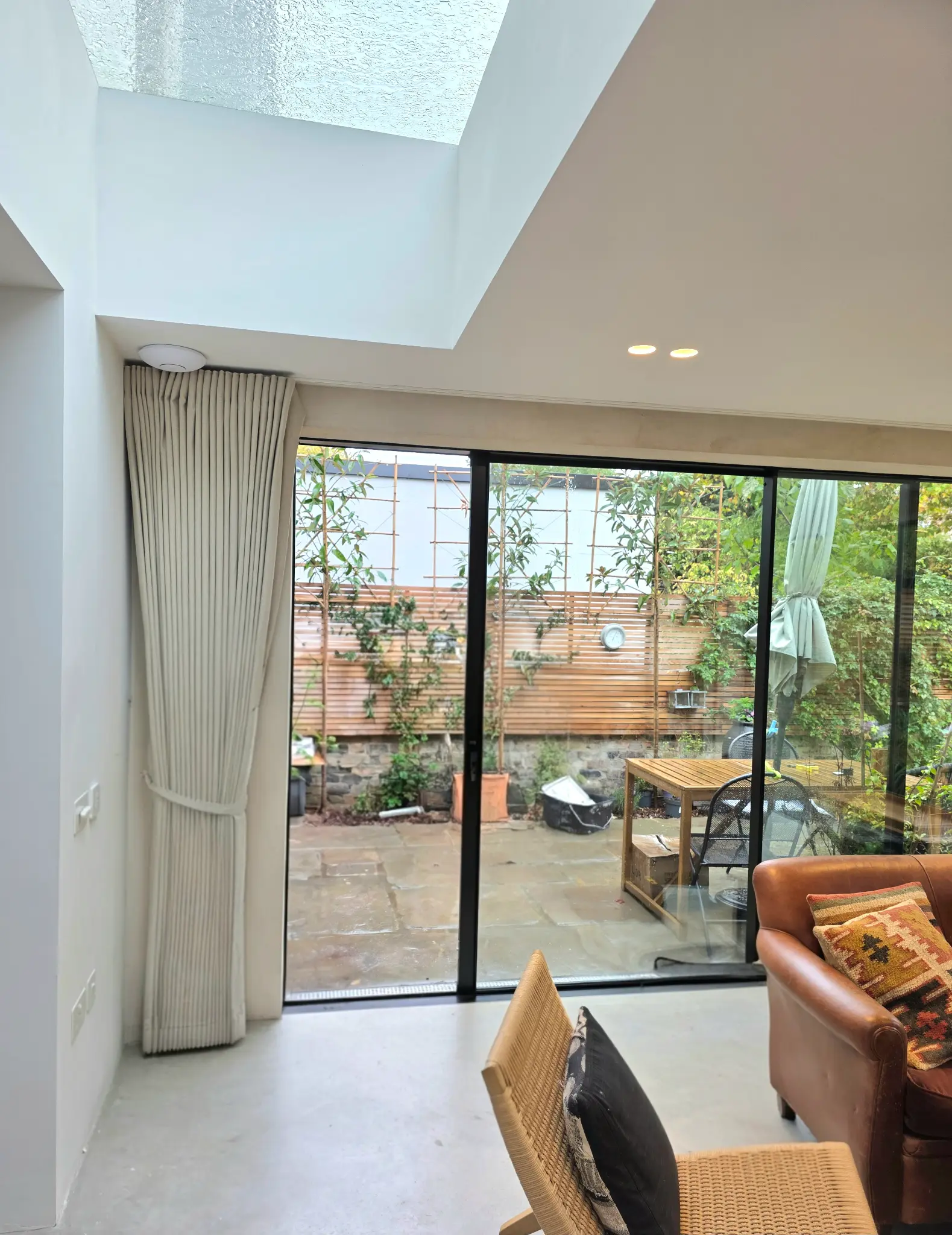
Unlocking Your Home's Potential: The Benefits of Corner Sliding Doors
Discover how corner sliding doors can transform your UK home, offering seamless indoor-outdoor living, enhanced natural light, and modern aesthetics. Explore design, performance, and Building Regulations.

Shard Architectural Glazing
14 May 2026
Discover how corner sliding doors can transform your UK home, offering seamless indoor-outdoor living, enhanced natural light, and modern aesthetics. Explore design, performance, and Building Regulations.
📋In This Article
In contemporary home design, the pursuit of seamless transitions between indoor and outdoor spaces is a key trend. For homeowners in the UK looking to maximise natural light, improve spatial flow, and add a touch of architectural elegance, corner sliding doors offer a sophisticated and highly effective solution. Unlike traditional sliding or bifold doors that typically open along a single wall, corner sliding doors extend this concept to an entire corner, creating a breathtaking, unobstructed opening.
This comprehensive guide will delve into the myriad benefits of incorporating corner sliding doors into your home, covering everything from design aesthetics and practical advantages to technical considerations and compliance with UK Building Regulations. Whether you're planning a new build, an extension, or a significant renovation, understanding the potential of these innovative glazing systems is crucial for making an informed decision.
What Are Corner Sliding Doors?
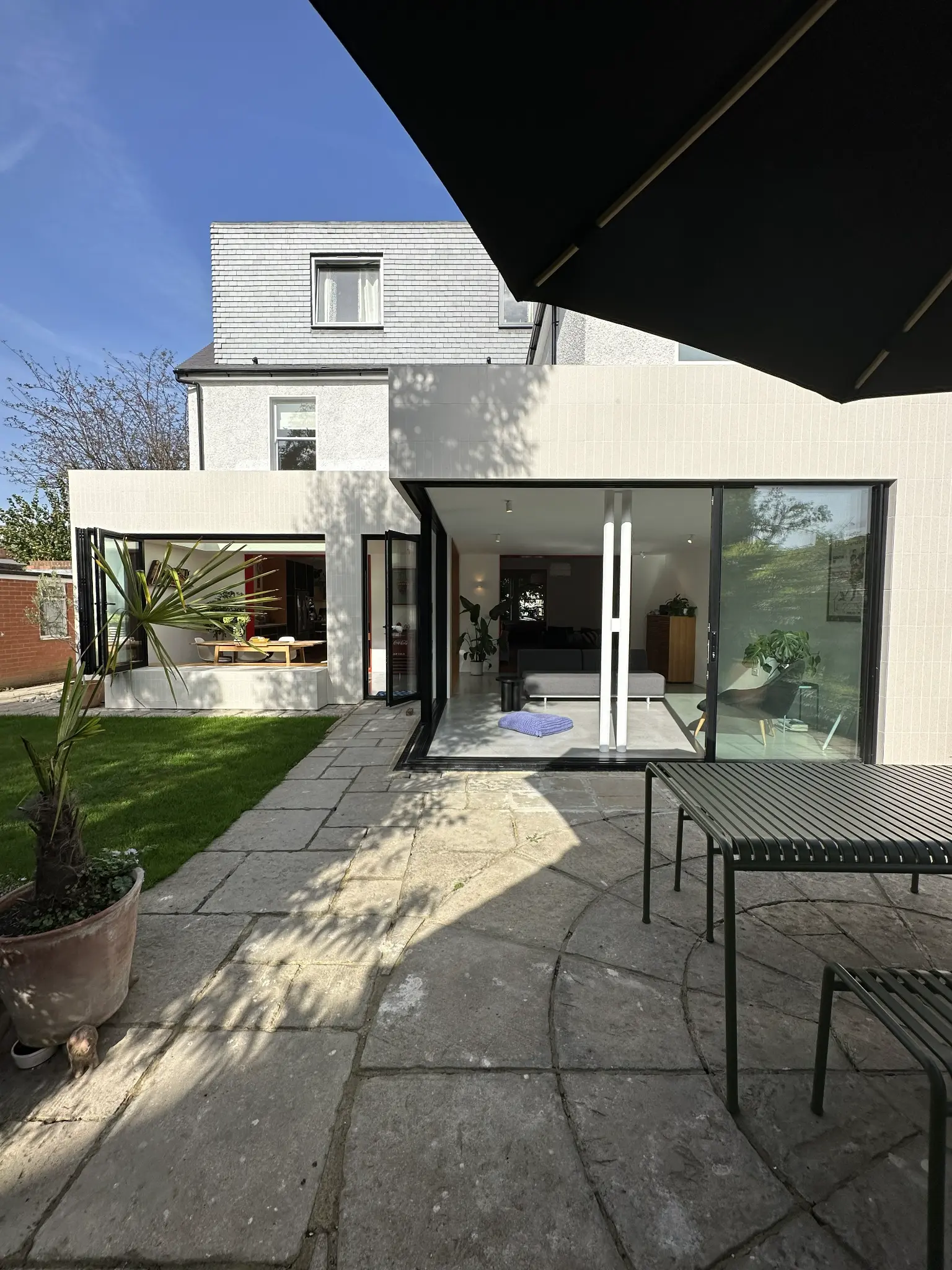
At their core, corner sliding doors are a variation of standard sliding patio doors, but with a critical difference: they meet at a 90-degree angle and can be designed to have no fixed corner post when fully open. This architectural feature allows two entire walls to effectively 'disappear', creating an expansive, column-free opening that blurs the lines between your interior living space and your garden or patio.
They typically consist of multiple large glass panels that slide smoothly along tracks. Depending on the system, the panels can slide into a pocket wall (a cavity within the adjacent wall) for a completely hidden effect, or stack neatly at one or both ends of the opening. The absence of a corner post is what truly distinguishes these systems, offering an unparalleled sense of openness and connection to the outdoors.
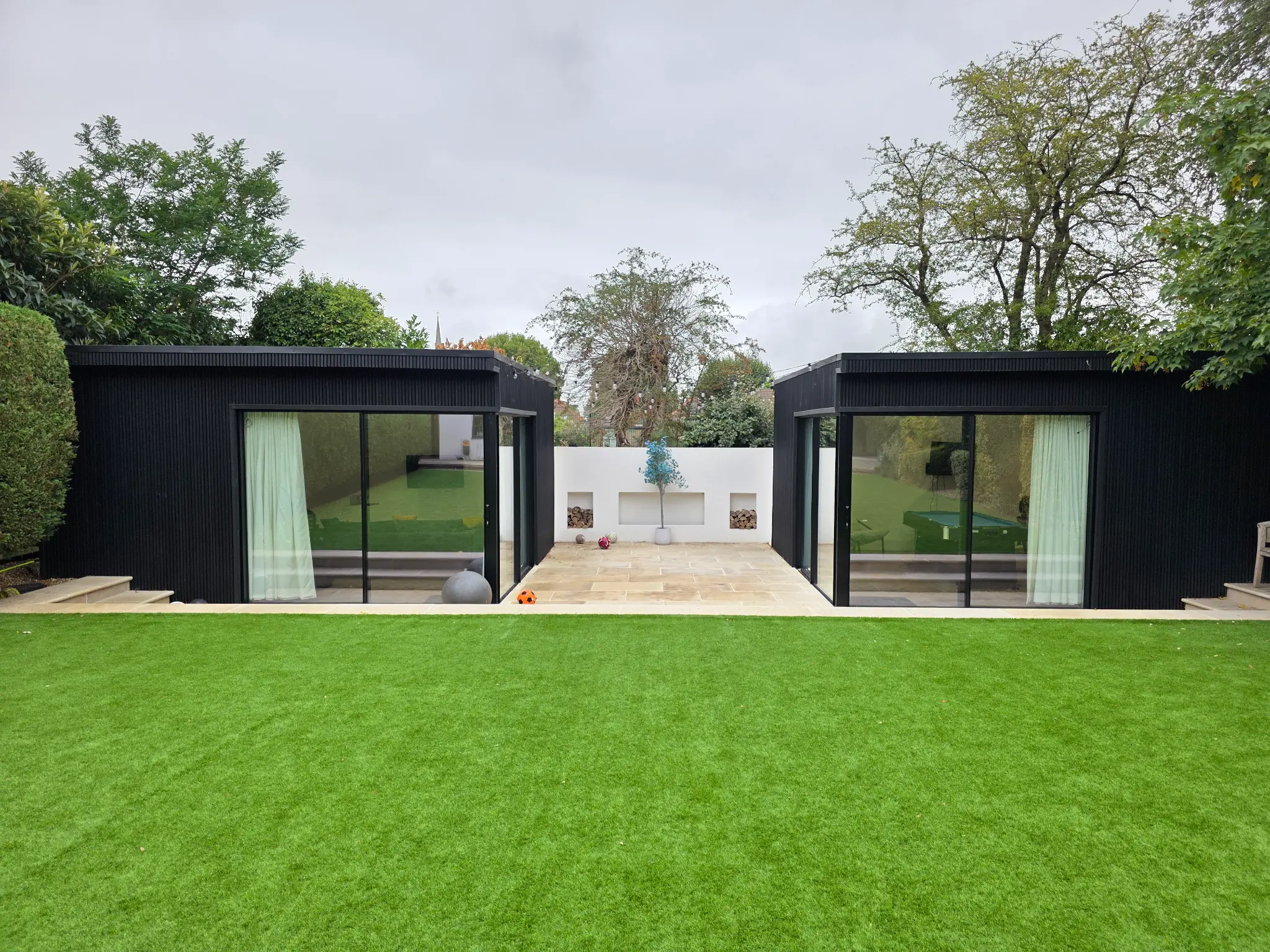
Key Benefits of Corner Sliding Doors for UK Homes
The appeal of corner sliding doors extends far beyond their striking appearance. They offer a host of practical and aesthetic advantages that can significantly enhance your living environment.
Unrivalled Openness
The primary advantage is the creation of a truly expansive, unobstructed opening. When fully retracted, the corner vanishes, providing a panoramic view and a seamless transition between your indoor and outdoor areas. This is particularly impactful for entertaining or simply enjoying your garden.
Maximised Natural Light
With large expanses of glass on two sides, corner sliding doors flood your interior spaces with natural light from multiple angles. This reduces the need for artificial lighting during the day, creating a brighter, more inviting, and energy-efficient home environment.
Enhanced Spatial Flow
By removing the physical barrier of a corner, these doors dramatically improve the flow of movement and perception of space. Smaller rooms can feel significantly larger and more connected to the exterior, making them ideal for open-plan living designs.
Contemporary Aesthetic Appeal
Corner sliding doors are a hallmark of modern architectural design. Their clean lines, minimalist frames, and impressive scale add a sophisticated, high-end look that can significantly boost your home's curb appeal and market value.
Additional Advantages:
- Improved Ventilation: The ability to open two sides of a room allows for excellent cross-ventilation, helping to keep your home cool and fresh during warmer months without relying on air conditioning.
- Versatile Design: Available in various configurations, including pocket doors (where panels slide into a wall cavity) or stacking systems, allowing for customisation to suit your specific space and aesthetic preferences.
- Increased Property Value: High-quality, well-designed architectural features like corner sliding doors are highly sought after and can add significant value to your property.
Technical Considerations and UK Building Regulations
While the benefits are clear, installing corner sliding doors requires careful planning and adherence to specific technical and regulatory standards, particularly in the UK.
Structural Requirements
The removal of a corner post means that the structural load that would normally be supported by that corner must be redistributed. This typically involves installing a substantial steel beam or lintel above the opening, often supported by additional steel columns hidden within the adjacent walls. A qualified structural engineer must design and specify this support structure to ensure the integrity of your building. This is a critical step and should never be overlooked.
Thermal Performance (Part L)
In the UK, all new and replacement glazing must comply with Part L (Conservation of Fuel and Power) of the Building Regulations. This mandates specific U-values to ensure energy efficiency.
- New Build & Extensions: Corner sliding doors installed in new builds or extensions must achieve a U-value of 1.2 W/m²K or better.
- Replacement Doors: For replacement projects, the requirement is 1.4 W/m²K or better.
Achieving these values typically requires high-performance double or triple glazing, often with low-emissivity (low-e) coatings, warm edge spacer bars, and inert gas (like argon) filling between the panes. The frame material also plays a significant role, with thermally broken aluminium being a popular choice for its strength and thermal efficiency.
Pro Tip
When comparing different corner sliding door systems, always ask for the 'whole product' U-value, not just the glass U-value. The frame and overall construction significantly impact thermal performance. Ensure the U-value meets or exceeds the current UK Building Regulations Part L (2022 England) for your specific project type (new build/extension or replacement).
Security (Part Q)
Part Q (Security – Dwellings) of the Building Regulations applies to new dwellings and extensions. While not strictly applicable to all replacement projects, it's highly advisable to choose doors that meet or exceed its standards. This typically means doors should be tested to PAS 24:2016, which assesses their resistance to opportunistic burglars. Look for features like multi-point locking systems, laminated or toughened glass, and robust frame construction.
Weather Resistance
Given the UK's often unpredictable weather, excellent weather sealing is paramount. Ensure the chosen system is designed to withstand wind, rain, and draughts. Look for systems with robust gaskets, effective drainage, and high ratings for air permeability, water tightness, and wind resistance.
Thresholds
Consider the threshold design. A flush threshold offers the most seamless transition, minimising trip hazards and enhancing accessibility. However, flush thresholds require careful detailing to ensure effective drainage and weather sealing. A slightly raised or rebated threshold might offer superior weather protection in very exposed locations.
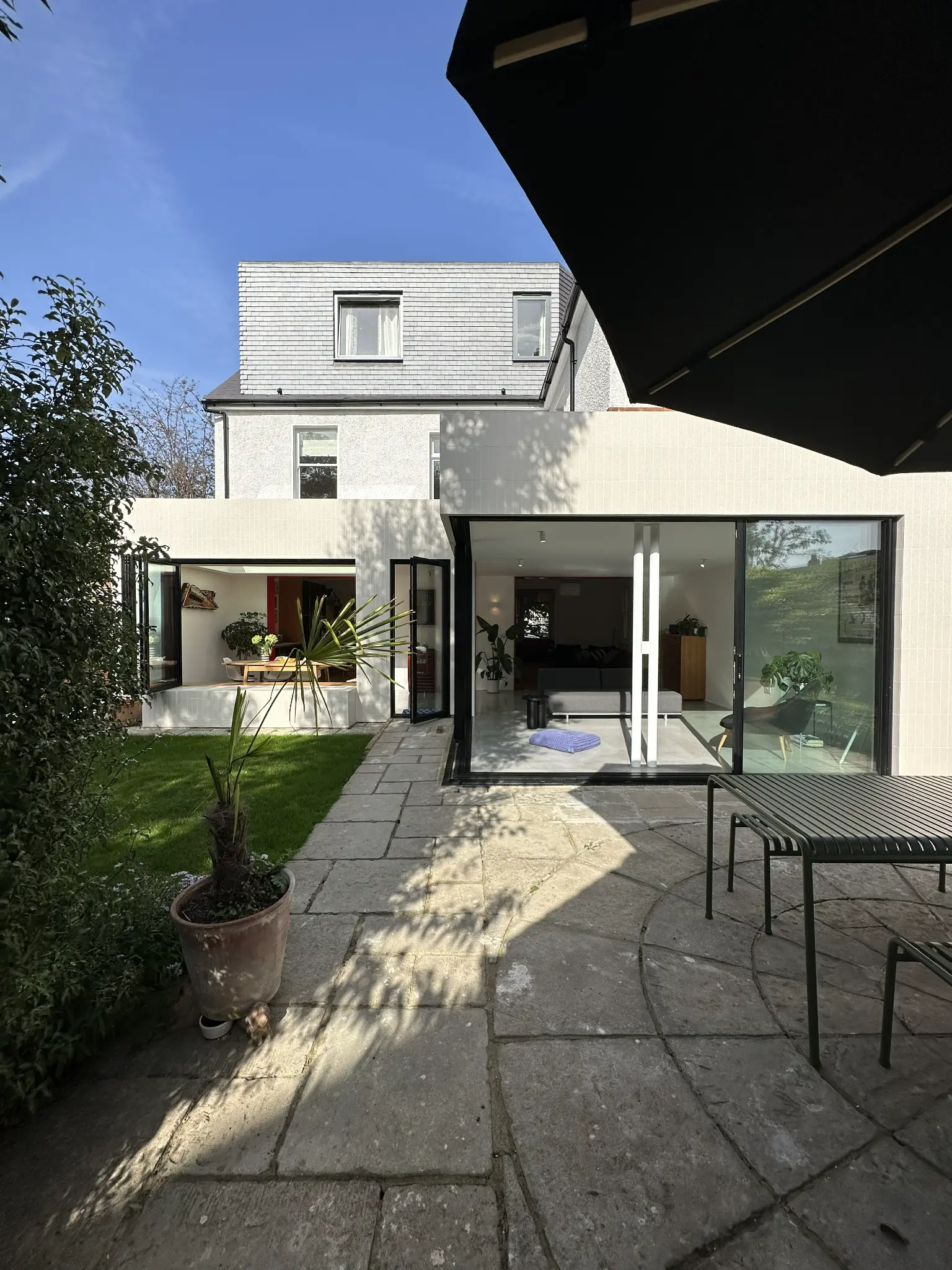
Design and Material Choices
The aesthetics and performance of your corner sliding doors will be heavily influenced by the materials and design choices you make.
Frame Materials
- Aluminium: The most popular choice for corner sliding doors due to its strength, durability, and ability to be thermally broken. Aluminium frames can be very slim, maximising glass area, and are available in a vast range of colours and finishes.
- Timber: Offers a natural, warm aesthetic. Timber frames can be robust but generally thicker than aluminium. They require more maintenance and need to be engineered to prevent warping.
- Composite (Aluminium Clad Timber): Combines the aesthetic warmth of timber internally with the low-maintenance, weather-resistant properties of aluminium externally.
Glazing Options
- Double Glazing: Standard for thermal performance, typically with a 4mm glass, 16mm argon cavity, 4mm glass (4/16/4).
- Triple Glazing: Offers superior thermal and acoustic performance, ideal for highly exposed areas or homes aiming for passive house standards.
- Low-E Coatings: Essential for energy efficiency, reflecting heat back into the room in winter and out in summer.
- Solar Control Glass: Reduces solar gain, preventing overheating in south-facing rooms.
- Laminated or Toughened Glass: Enhances security and safety. Toughened glass shatters into small, blunt pieces if broken, while laminated glass holds together.
Configuration Options
Corner sliding doors can be configured in several ways:
- Pocket Doors: Panels slide completely into a wall cavity, offering a completely open corner with no visible doors when open. This requires significant wall space for the pocket.
- Stacking Doors: Panels slide and stack neatly at one or both ends of the opening. This is a more common and often more cost-effective solution, though the stacked panels will remain visible.
- Symmetrical vs. Asymmetrical: The two sides of the corner can be of equal length or one significantly longer than the other, depending on your design.
Comparison with Other Door Types
To put corner sliding doors into perspective, let's compare them with other popular large glazing options:
| Feature | Corner Sliding Doors | Bifold Doors | Standard Sliding Doors |
|---|---|---|---|
| Opening Style | Corner opens completely, panels slide away (pocket or stack) | Panels fold and stack concertina-style at one or both ends | Panels slide past each other, one or more fixed |
| Unobstructed Opening | Excellent (entire corner disappears, no corner post) | Good (up to 90% opening, but stacked panels remain) | Limited (typically 50% opening, panels overlap) |
| Frame Sightlines | Often very slim, especially with pocket systems | Thicker frames due to folding mechanism | Can be slim, but often thicker than corner sliders |
| Space Required | Significant structural work. Pocket systems need wall cavity. | Requires space for stacked panels at the side. | Minimal, panels slide within their own footprint. |
| Thermal Performance | Excellent (achieves 1.2-1.4 W/m²K easily with good spec) | Good (can achieve 1.2-1.4 W/m²K) | Good (can achieve 1.2-1.4 W/m²K) |
| Cost | Highest (due to complex engineering & installation) | Medium-High | Medium |
| Aesthetic Impact | Dramatic, high-end, truly seamless | Modern, good connection to outdoors | Clean, minimalist, good light entry |
Potential Drawbacks and Considerations
While corner sliding doors offer significant advantages, it's important to be aware of the potential challenges:
- Cost: They are generally more expensive than standard sliding or bifold doors due to the complex engineering, structural requirements, and specialised installation.
- Structural Work: The need for substantial structural alterations (steel beams, columns) adds to the overall cost and complexity of the project.
- Installation Complexity: Installation requires highly skilled and experienced professionals to ensure correct alignment, weather sealing, and smooth operation.
- Maintenance: While modern systems are designed for durability, regular cleaning and occasional lubrication of tracks are necessary to maintain smooth operation.
- Privacy: Large expanses of glass can reduce privacy, especially in overlooked properties. Consider integrated blinds, curtains, or smart glass options.
- Overheating: South-facing corner doors can lead to excessive solar gain in summer. Solar control glass or external shading solutions might be necessary.
Conclusion and Next Steps
Corner sliding doors represent a pinnacle of modern architectural glazing, offering an unparalleled connection to the outdoors, abundant natural light, and a truly stunning aesthetic. For UK homeowners seeking to create a contemporary, open-plan living space that maximises views and enhances spatial flow, they are an exceptional choice.
However, their successful implementation hinges on careful planning, expert structural design, and selection of a high-performance system that complies with all relevant UK Building Regulations. Always engage with experienced architects, structural engineers, and reputable glazing specialists from the outset of your project.
If you're considering corner sliding doors for your UK home, Shard AG offers a range of bespoke, high-performance systems designed to meet the most demanding architectural specifications and energy efficiency standards. Our team of experts can guide you through the design, technical requirements, and installation process, ensuring your vision is brought to life with precision and quality.
Explore Our Products
Discover how Shard Architectural Glazing can transform your home with our premium glazing solutions:
Ready to Transform Your Home?
Get in touch with our expert team for a free consultation and personalised quote. We'll help you choose the perfect glazing solution for your property.