UV Protection in Modern Glazing: A UK Homeowner's Guide
Discover how modern glass protects your home from harmful UV rays. Learn about types of UV, glazing technologies, Building Regulations, and practical benefits for UK homeowners.

Shard Architectural Glazing
21 April 2026
Discover how modern glass protects your home from harmful UV rays. Learn about types of UV, glazing technologies, Building Regulations, and practical benefits for UK homeowners.
📋In This Article
When considering new or replacement glazing for your home, the focus often falls on thermal performance, security, and aesthetics. However, an equally crucial, yet frequently overlooked, aspect is Ultraviolet (UV) protection. While sunlight brings warmth and light, it also carries harmful UV radiation that can damage interiors and pose health risks. Modern glazing technology has made significant strides in mitigating these effects, offering homeowners a sophisticated solution to this invisible threat.
This comprehensive guide will delve into the science of UV radiation, explore how modern glass provides protection, discuss relevant UK Building Regulations, and outline the practical benefits for your home and family.
Understanding Ultraviolet Radiation and Its Impact
Ultraviolet (UV) radiation is a form of electromagnetic radiation emitted by the sun. It's invisible to the human eye and is categorised into three main types based on wavelength:
- UVA (320-400 nm): Accounts for approximately 95% of the UV radiation reaching the Earth's surface. It penetrates deeply into skin, contributing to premature ageing and skin cancer. It can also penetrate glass.
- UVB (280-320 nm): Partially absorbed by the ozone layer, UVB is the primary cause of sunburn and a significant contributor to skin cancer. Most standard glass blocks a substantial portion of UVB.
- UVC (100-280 nm): Completely absorbed by the Earth's atmosphere and ozone layer, UVC radiation does not typically reach the Earth's surface.
Within your home, the primary concern is UVA radiation, as it can pass through conventional glass. Prolonged exposure to UVA through windows can lead to:
- Fading and degradation of furnishings: Carpets, curtains, upholstery, artwork, and wooden furniture can discolour, fade, and deteriorate over time due to UV exposure.
- Damage to flooring: Hardwood floors, laminate, and even some types of vinyl can suffer from fading and structural changes.
- Health risks: While less intense than direct outdoor exposure, cumulative indoor UV exposure can still contribute to skin ageing, eye damage, and an increased risk of certain skin conditions.
How Modern Glazing Provides UV Protection
Modern glass technologies offer various methods to significantly reduce UV transmission into your home, often without compromising natural light or views.
Low-Emissivity (Low-E) Coatings
Low-E coatings are microscopically thin, transparent layers of metallic oxides applied to one or more surfaces of an insulated glass unit (IGU). While primarily designed to improve thermal performance by reflecting infrared (heat) radiation, many modern low-E coatings also offer substantial UV protection.
- Mechanism: These coatings reflect a significant portion of the UV spectrum, preventing it from passing through the glass.
- Benefits: Excellent balance of thermal insulation and UV blocking, often blocking 80-99% of harmful UV rays. They also help reduce heat gain in summer and heat loss in winter.
- Considerations: Different types of low-E coatings exist, with varying levels of UV protection and solar gain control. It's important to specify the right type for your needs.
Laminated Glass
Laminated glass consists of two or more panes of glass bonded together with one or more interlayers of polyvinyl butyral (PVB) or SentryGlas (SG). This construction is primarily known for its safety and security benefits, as the interlayer holds the glass together if it shatters.
- Mechanism: The PVB or SG interlayer is highly effective at absorbing UV radiation.
- Benefits: Blocks almost 99% of UV rays. Offers superior safety (remains intact when broken), enhanced sound insulation, and improved security.
- Considerations: Typically more expensive and heavier than standard toughened glass.
Tinted Glass
Tinted glass has colourants added during the manufacturing process, which absorb solar radiation.
- Mechanism: The tint absorbs UV, visible light, and infrared radiation.
- Benefits: Reduces glare and solar heat gain, offering some UV protection.
- Considerations: Reduces the amount of visible light entering the room, making interiors darker. UV protection levels vary significantly depending on the tint.
Specialised Films and Coatings
While often applied retrospectively, some manufacturers integrate specialised UV-blocking films or coatings directly into the glass manufacturing process.
- Mechanism: These films are engineered to specifically filter out UV wavelengths.
- Benefits: Can achieve very high levels of UV blockage (e.g., 99.9%).
- Considerations: May have a slight impact on visible light transmission or clarity depending on the specific film.
Pro Tip
When discussing glazing options with a supplier, always ask for the UV transmission percentage or the UV blocking percentage for the specific glass specification. A lower UV transmission percentage indicates better protection.
UV Protection and UK Building Regulations
Unlike thermal performance, which is heavily regulated, there are no specific UK Building Regulations that mandate a minimum level of UV protection for residential glazing. The primary focus of Part L (Conservation of Fuel and Power) is on energy efficiency. However, the choice of glazing that offers good UV protection often aligns with other regulatory requirements and best practices.
Relevant UK Building Regulations (Part L, 2022 England)
While not directly about UV, the following U-values are critical for new and replacement glazing and often achieved with technologies that also offer good UV protection:
| Building Element | Maximum U-value (W/m²K) |
|---|---|
| New Build Windows/Doors | 1.2 |
| Replacement Windows/Doors | 1.4 |
| New Build Walls | 0.18 |
| Floors | 0.18 |
| Roofs | 0.15 |
Achieving these U-values typically involves using high-performance insulated glass units (IGUs) with low-E coatings and inert gas infills (like argon). As discussed, many low-E coatings inherently provide excellent UV protection. Therefore, by selecting glazing that meets modern energy efficiency standards, you are very likely to be gaining significant UV protection as a beneficial side effect.
It is always advisable to check with your local Building Control body or a qualified professional for the specific requirements applicable to your project.
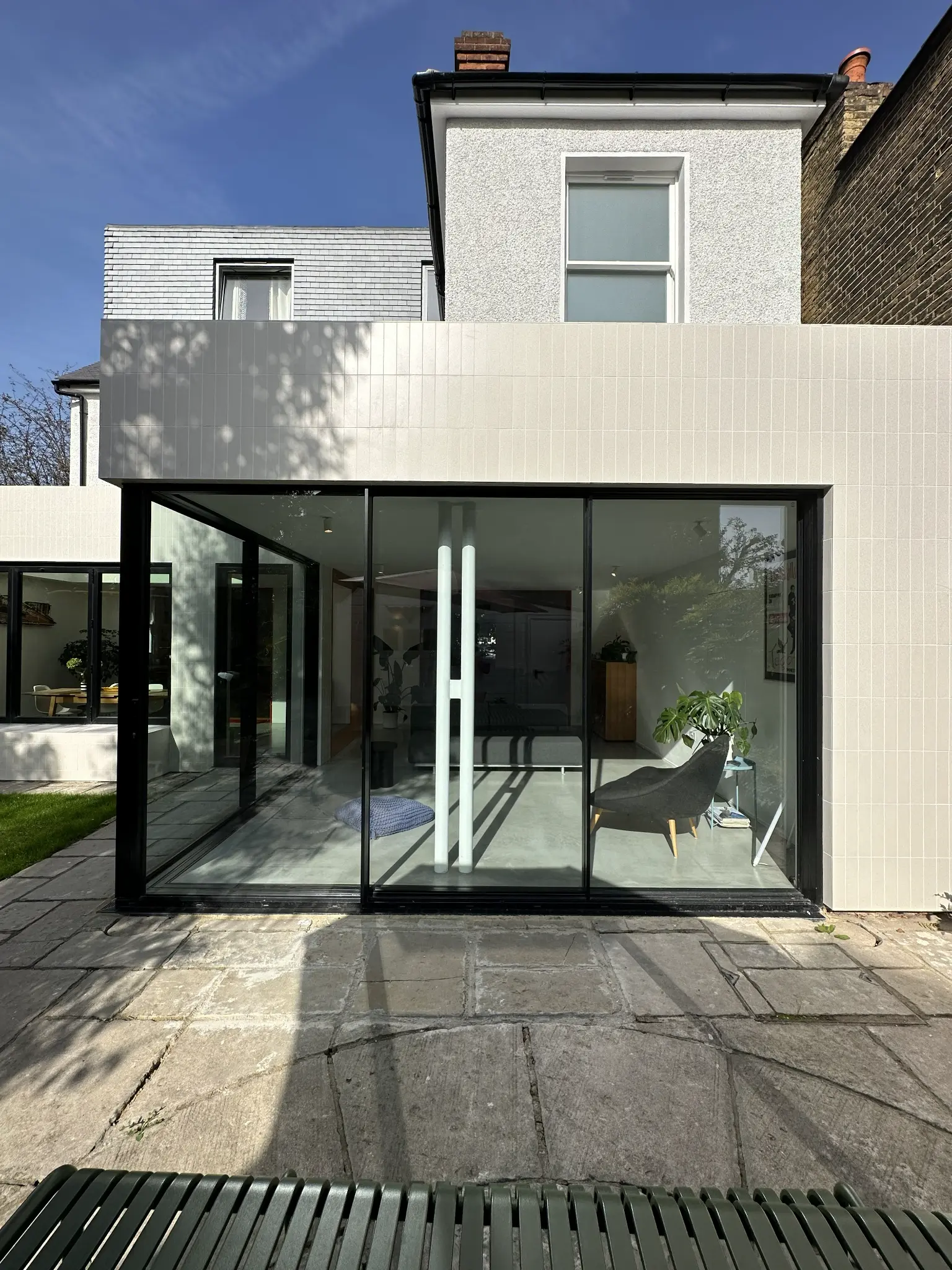
Benefits of UV Protective Glazing for Your Home
Investing in glazing with superior UV protection offers a multitude of advantages for UK homeowners:
Preservation of Interiors
Significantly extends the life and vibrancy of your furniture, flooring, curtains, artwork, and other interior furnishings by preventing fading and degradation caused by UV radiation.
Enhanced Comfort & Health
Reduces the cumulative risk of UV-related skin and eye damage for occupants who spend time near windows. It also contributes to a more stable indoor environment by reducing solar heat gain, especially when combined with good solar control properties.
Energy Efficiency
Often, UV protective glazing (especially low-E glass) also excels in thermal performance, helping to keep your home warmer in winter and cooler in summer, leading to lower energy bills.
Increased Property Value
Modern, high-performance glazing is an attractive feature for potential buyers, indicating a well-maintained and energy-efficient home with protected interiors.
Choosing the Right UV Protective Glass
When selecting new or replacement glazing, consider the following factors:
- Location and Orientation: South-facing windows typically receive the most intense UV exposure. Consider higher levels of UV protection for these areas.
- Room Function: Rooms with valuable artwork, antique furniture, or sensitive materials will benefit most from maximum UV protection.
- Balance with Visible Light: While some options like heavily tinted glass can block a lot of UV, they also reduce visible light. Low-E and laminated glass offer excellent UV protection with minimal impact on natural light.
- Thermal Performance: Ensure your chosen glazing meets or exceeds current UK Building Regulations for thermal efficiency (U-values).
- Budget: Laminated glass and high-specification low-E coatings can be more expensive than standard options, but the long-term benefits often outweigh the initial cost.
It's important to discuss your specific needs and priorities with a reputable glazing professional. They can advise on the most suitable glass types and specifications to achieve the desired balance of UV protection, thermal performance, and aesthetic appeal for your home.
Conclusion
UV protection in modern glass is far more than a luxury; it's a vital component of a comfortable, healthy, and well-preserved home. By understanding the different technologies available and their benefits, UK homeowners can make informed decisions that safeguard their interiors and contribute to their family's well-being. While not explicitly mandated by Building Regulations, the best modern glazing solutions inherently offer robust UV blocking capabilities, aligning with energy efficiency goals and providing peace of mind.
For expert advice on selecting high-performance glazing with excellent UV protection for your UK home, consider consulting with a specialist like Shard AG. Our team can guide you through the options, ensuring your new windows and doors meet your specific requirements for comfort, efficiency, and protection.
Explore Our Products
Discover how Shard Architectural Glazing can transform your home with our premium glazing solutions:
Ready to Transform Your Home?
Get in touch with our expert team for a free consultation and personalised quote. We'll help you choose the perfect glazing solution for your property.