
Aluminium vs uPVC Windows: A UK Homeowner's Guide
Choosing between aluminium and uPVC for your windows and doors? This comprehensive guide for UK homeowners compares durability, energy efficiency, cost, and aesthetics.

Shard Architectural Glazing
10 April 2026
Choosing between aluminium and uPVC for your windows and doors? This comprehensive guide for UK homeowners compares durability, energy efficiency, cost, and aesthetics.
📋In This Article
When embarking on a home improvement project involving new or replacement windows and doors, one of the most fundamental decisions you'll face is the choice of frame material. In the UK, the two most prevalent options are aluminium and unplasticised polyvinyl chloride (uPVC). Both have distinct characteristics, advantages, and potential drawbacks, making the 'best' choice highly dependent on your specific priorities, budget, and property style.
This guide aims to provide a balanced, in-depth comparison, equipping you with the knowledge to make an informed decision for your home. We'll delve into their performance, aesthetics, cost implications, and how they align with current UK Building Regulations.
Durability and Longevity
The lifespan and resilience of your window and door frames are crucial considerations, impacting both long-term value and maintenance requirements.
Aluminium Frames
- Strength and Rigidity: Aluminium is an inherently strong and lightweight metal. This allows for much slimmer frame profiles compared to uPVC, maximising glass area and natural light. Its rigidity means it's less prone to warping, twisting, or expanding significantly with temperature fluctuations.
- Lifespan: High-quality aluminium frames are exceptionally durable and can last for 40-50 years or even longer with proper care. They are resistant to rust, corrosion (when properly treated and coated), and UV degradation.
- Maintenance: Aluminium requires very little maintenance. A simple wipe down with soapy water a few times a year is usually sufficient to keep them looking good.
- Environmental Resistance: They perform well in harsh weather conditions, including coastal areas where salt spray can be an issue, provided they have a marine-grade powder coating.
uPVC Frames
- Strength and Rigidity: uPVC frames are reinforced with steel to provide structural integrity, especially for larger openings. Without this reinforcement, uPVC can be more susceptible to thermal expansion and contraction, which might lead to minor warping over time if not properly manufactured and installed.
- Lifespan: Modern uPVC frames are designed to be highly durable, typically offering a lifespan of 20-35 years. They are resistant to rot, rust, and pests.
- Maintenance: Similar to aluminium, uPVC is very low maintenance, requiring only occasional cleaning with soapy water. It does not require painting or varnishing.
- Environmental Resistance: uPVC is generally resistant to most weather conditions. However, prolonged exposure to intense UV radiation can, over many decades, cause some discolouration or brittleness in lower-quality products, though this is far less common with modern formulations.
Energy Efficiency and Building Regulations
Energy efficiency is a paramount concern for UK homeowners, impacting heating bills and environmental footprint. Both frame materials have evolved significantly to meet stringent Building Regulations.
Understanding U-Values
The U-value measures how effectively a component of a building prevents heat from escaping. The lower the U-value, the better the insulation. It's measured in Watts per square metre Kelvin (W/m²K).
Aluminium Frames and Thermal Performance
Historically, aluminium was considered less thermally efficient due to its conductive nature. However, modern aluminium frames incorporate advanced thermal breaks – non-conductive materials inserted into the frame profile to create a barrier between the inner and outer sections. This technology has dramatically improved their insulating properties.
- Typical U-values: With high-performance double glazing, aluminium windows can achieve U-values as low as 1.2 W/m²K, and even lower with triple glazing (e.g., 0.8 W/m²K).
- Building Regulations Part L (England, 2022): For new build dwellings, windows and doors must achieve a U-value of 1.2 W/m²K or better. For replacement windows and doors in existing dwellings, the requirement is 1.4 W/m²K or better. Modern aluminium systems comfortably meet these standards.
uPVC Frames and Thermal Performance
uPVC is a naturally good insulator due to its multi-chambered profile design, which traps air and reduces heat transfer.
- Typical U-values: uPVC windows with high-performance double glazing can easily achieve U-values of 1.2 W/m²K or better, with some advanced systems reaching 0.8 W/m²K with triple glazing.
- Building Regulations Part L (England, 2022): As with aluminium, uPVC windows and doors must meet 1.2 W/m²K for new builds and 1.4 W/m²K for replacements. uPVC is generally very adept at meeting these targets cost-effectively.
Pro Tip
Always request the specific U-values for the complete window or door unit (frame + glass) from your supplier, not just the glass. The overall U-value is what matters for Building Regulations compliance and energy performance.
Aesthetics and Design Flexibility
The visual impact of your windows and doors significantly influences your home's curb appeal and interior ambiance.
Aluminium Frames
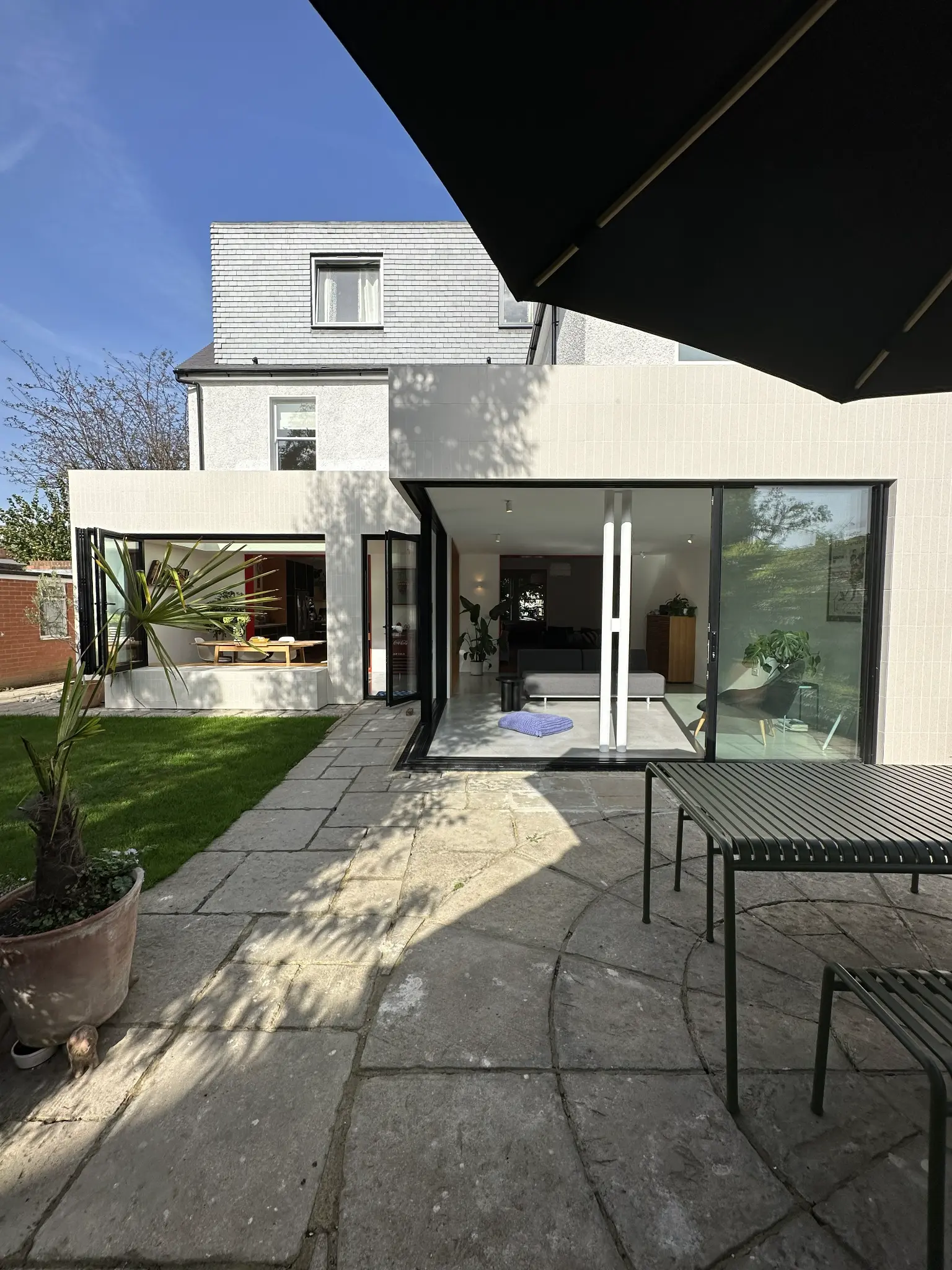
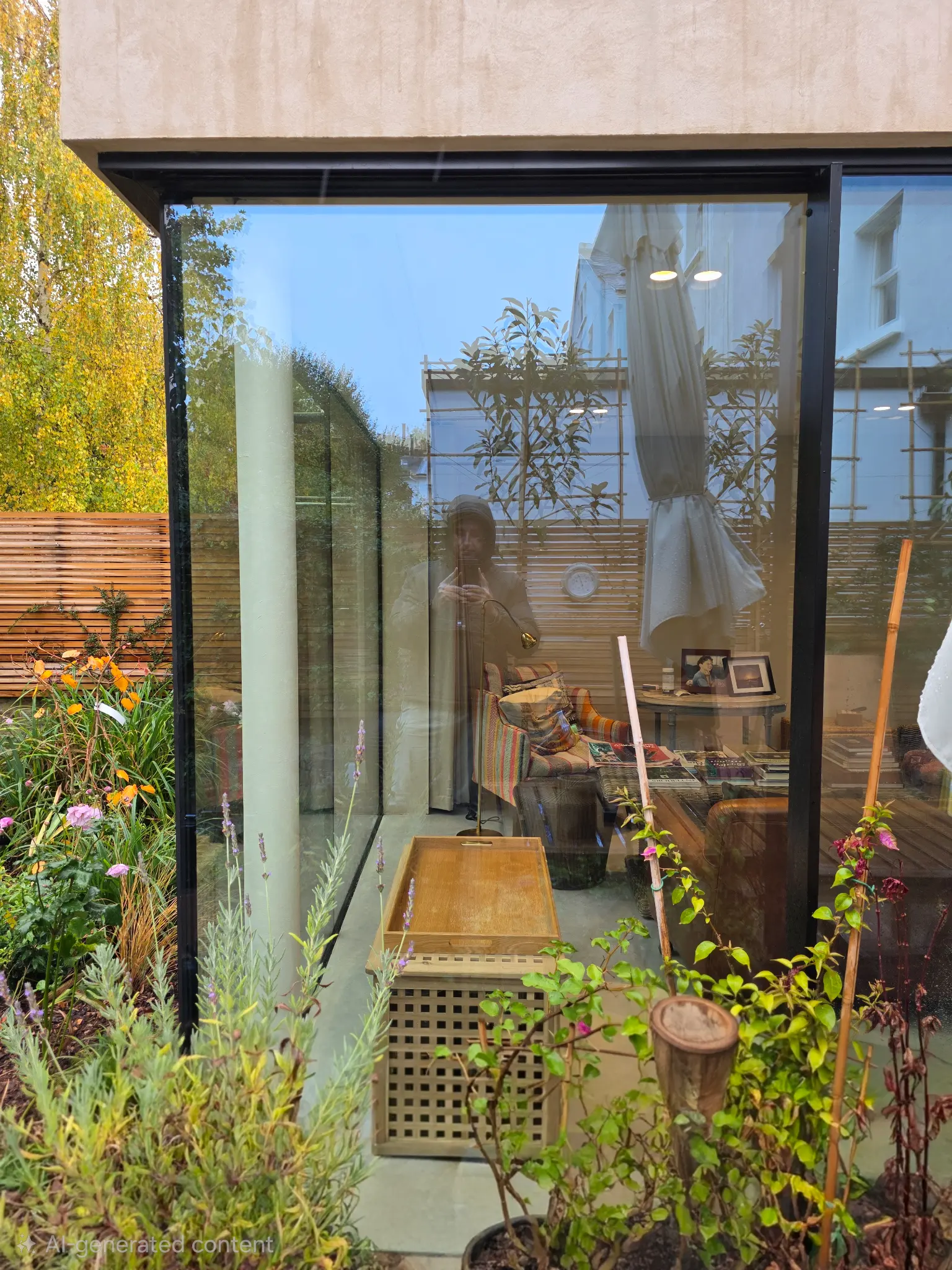
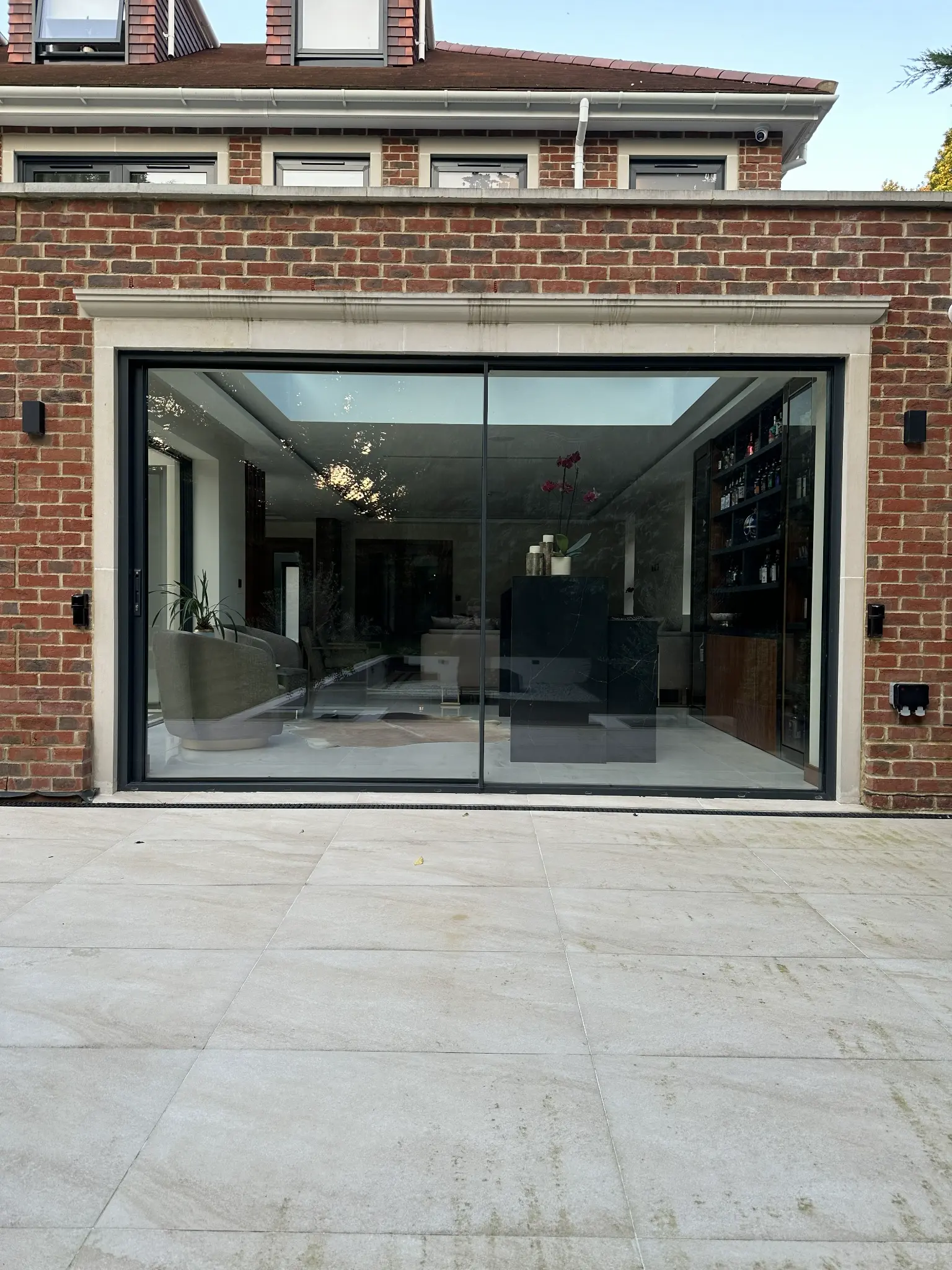
- Slim Profiles: Aluminium's strength allows for very slender frames, leading to larger glass areas and a sleek, contemporary aesthetic. This is particularly popular in modern architectural designs, large glazed extensions, and bi-fold doors.
- Colour Options: Aluminium frames are typically powder-coated, offering an extensive palette of RAL colours. This finish is highly durable, scratch-resistant, and maintains its colour well over time. Dual-colour options (different colours inside and out) are also readily available.
- Finish: The finish is smooth and often has a subtle metallic sheen, which can be matte, satin, or gloss.
- Architectural Style: Best suited for contemporary, minimalist, and industrial-style properties, or for adding a modern touch to traditional homes.
uPVC Frames
- Profile Thickness: uPVC frames are generally thicker than aluminium due to the need for internal steel reinforcement and multi-chambered insulation. While modern uPVC profiles are becoming slimmer, they typically still have a more substantial appearance.
- Colour Options: Traditionally, uPVC was only available in white. Today, a wide range of colours is available, often achieved through foils or spray-painting. Popular options include anthracite grey, black, and various woodgrain effects.
- Finish: The finish can vary from smooth to textured (e.g., woodgrain foils).
- Architectural Style: Highly versatile, uPVC can be designed to mimic traditional timber windows (e.g., sash windows, flush casements) or suit more modern properties. It's a popular choice for most residential properties in the UK.
Cost and Value
Budget is almost always a factor, but it's important to consider long-term value alongside upfront cost.
Aluminium Frames
- Upfront Cost: Generally, aluminium windows and doors are more expensive than uPVC. The manufacturing process, material cost, and advanced thermal break technology contribute to this higher price point.
- Long-Term Value: Their exceptional durability, long lifespan, and minimal maintenance can offer excellent long-term value. Their contemporary aesthetic can also add significant market appeal to certain property types.
uPVC Frames
- Upfront Cost: uPVC is typically the more budget-friendly option, making it a very popular choice for homeowners looking for a cost-effective solution without compromising on performance.
- Long-Term Value: While their lifespan is generally shorter than aluminium, their lower initial cost, good thermal performance, and low maintenance still represent excellent value for money over their operational life.
Comparison Table: Aluminium vs uPVC
| Feature | Aluminium Frames | uPVC Frames |
|---|---|---|
| Durability/Lifespan | Excellent (40-50+ years), resistant to rust, warp, UV | Very Good (20-35 years), resistant to rot, rust, pests |
| Frame Profile | Slim, elegant, maximises glass area | Thicker, multi-chambered, can mimic timber |
| Energy Efficiency (U-value) | Excellent (e.g., 1.2 W/m²K with double glazing), requires thermal breaks | Excellent (e.g., 1.2 W/m²K with double glazing), naturally insulating |
| Maintenance | Very low (wipe clean) | Very low (wipe clean) |
| Colour Options | Extensive RAL palette, powder-coated, dual-colour available | Wide range of foils/sprays, woodgrain effects, dual-colour available |
| Aesthetic Suitability | Modern, contemporary, minimalist, large glazed areas | Versatile, traditional, modern, cost-effective replacement |
| Cost | Higher upfront investment | Lower upfront investment |
| Recyclability | Highly recyclable, retains value | Recyclable, but process can be more complex for older frames |
Environmental Impact and Sustainability
As environmental awareness grows, the sustainability of building materials is an increasingly important factor.
Aluminium
Aluminium is often lauded for its sustainability credentials. It is 100% recyclable and can be recycled repeatedly without degradation of its properties. The recycling process uses significantly less energy (up to 95% less) than producing primary aluminium. While the initial production of aluminium is energy-intensive, its long lifespan and high recyclability mean its overall environmental impact can be very favourable.
uPVC
uPVC is also recyclable, and the industry has made significant strides in establishing recycling schemes. Modern uPVC frames can be recycled multiple times, though the process can be more complex for older frames containing mixed materials. The production of uPVC involves chlorine, which has historically raised environmental concerns, but modern manufacturing processes are much cleaner and more regulated. Its long lifespan also contributes to reducing waste.
Making Your Decision
Ultimately, the choice between aluminium and uPVC depends on a careful assessment of your priorities:
- Budget: If cost is your primary driver, uPVC generally offers a more affordable solution.
- Aesthetics: For a sleek, minimalist, and contemporary look with large glass areas, aluminium is often the preferred choice. For versatility and traditional styles, uPVC offers many options.
- Durability & Longevity: Both are highly durable, but aluminium typically boasts a longer lifespan and greater inherent strength.
- Thermal Performance: Both materials, when correctly specified with modern glazing and thermal breaks (for aluminium), can achieve excellent U-values and comply with UK Building Regulations.
- Property Style: Consider what best complements your home's architectural style and your personal taste.
Enhanced Kerb Appeal
Both materials can significantly upgrade your home's exterior, but their distinct aesthetics cater to different architectural visions, from modern minimalism to classic charm.
Improved Energy Efficiency
Upgrading to modern aluminium or uPVC frames with high-performance glazing will drastically reduce heat loss, leading to lower energy bills and a more comfortable indoor environment.
Increased Security
Modern frames, regardless of material, are designed with advanced multi-point locking systems and robust construction, offering superior protection against intruders compared to older windows.
Reduced Maintenance
Say goodbye to painting and constant upkeep. Both aluminium and uPVC require minimal cleaning, freeing up your time for other activities.
When making your final decision, it is always advisable to consult with reputable local suppliers and installers. They can provide specific product information, U-value certificates, and advise on what best suits your property and budget while ensuring compliance with current UK Building Regulations.
At Shard AG, we specialise in high-performance architectural glazing solutions for UK homeowners. We offer a comprehensive range of both premium aluminium and advanced uPVC window and door systems, designed to meet the highest standards of energy efficiency, security, and aesthetics. Our expert team can guide you through the selection process, providing tailored advice to help you choose the perfect frames for your home, ensuring full compliance with all relevant UK Building Regulations.
Explore Our Products
Discover how Shard Architectural Glazing can transform your home with our premium glazing solutions:
Ready to Transform Your Home?
Get in touch with our expert team for a free consultation and personalised quote. We'll help you choose the perfect glazing solution for your property.