
Bi-Parting Sliding Doors: UK Homeowner's Comprehensive Guide
Explore bi-parting sliding doors for your UK home. Understand their benefits, design options, technical specifications, and Building Regulations compliance.

Shard Architectural Glazing
5 April 2026
Explore bi-parting sliding doors for your UK home. Understand their benefits, design options, technical specifications, and Building Regulations compliance.
📋In This Article
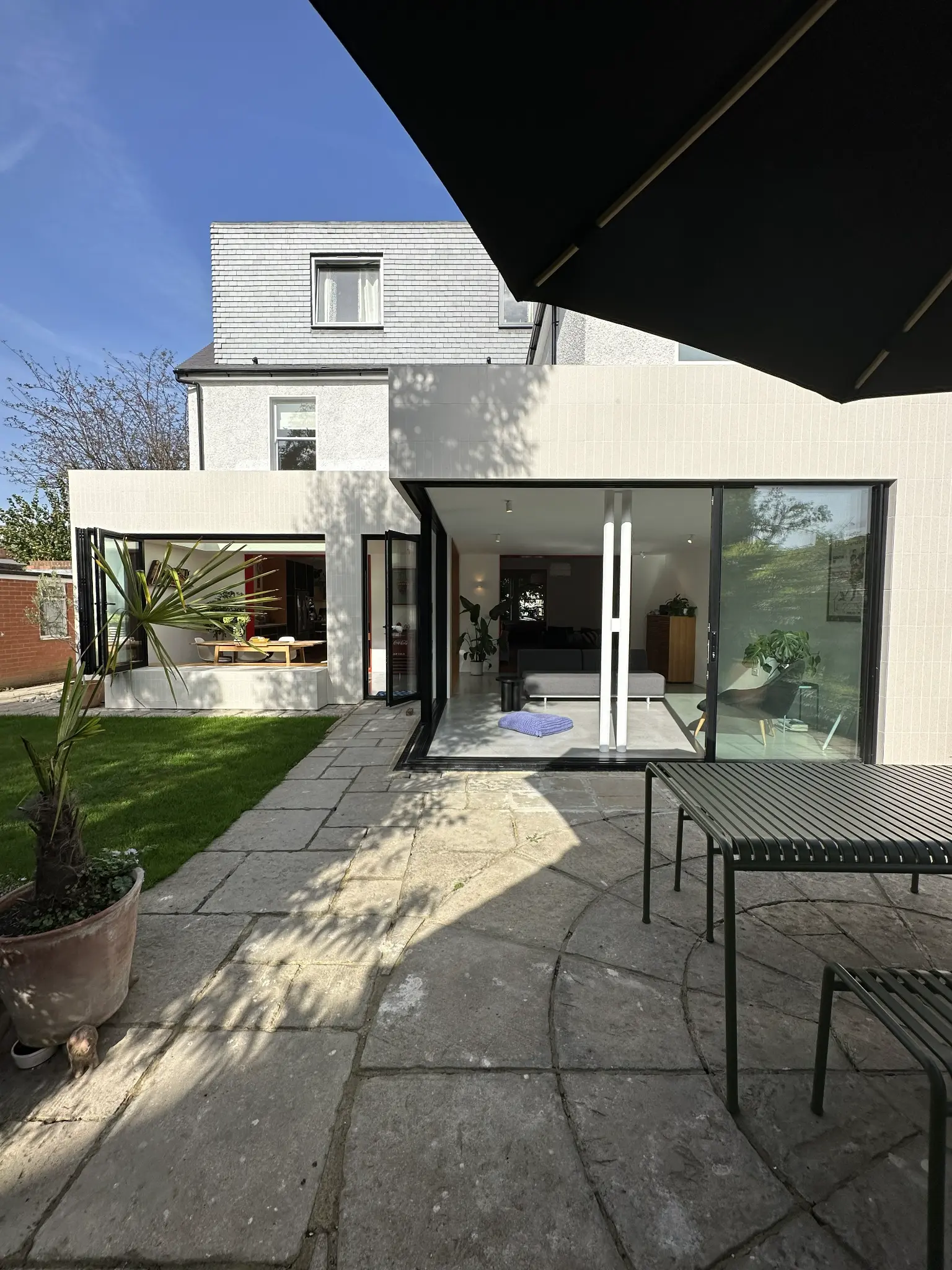
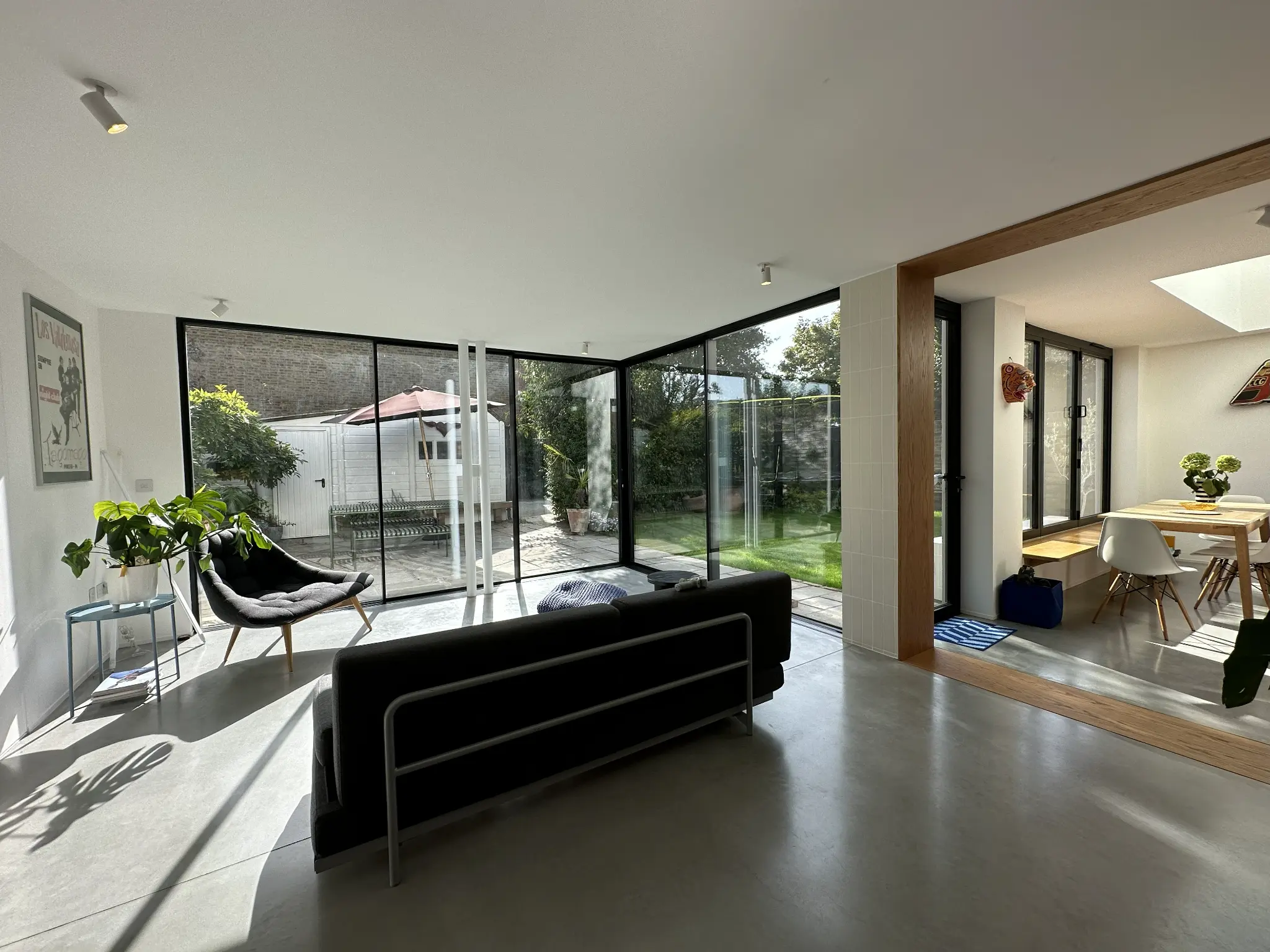
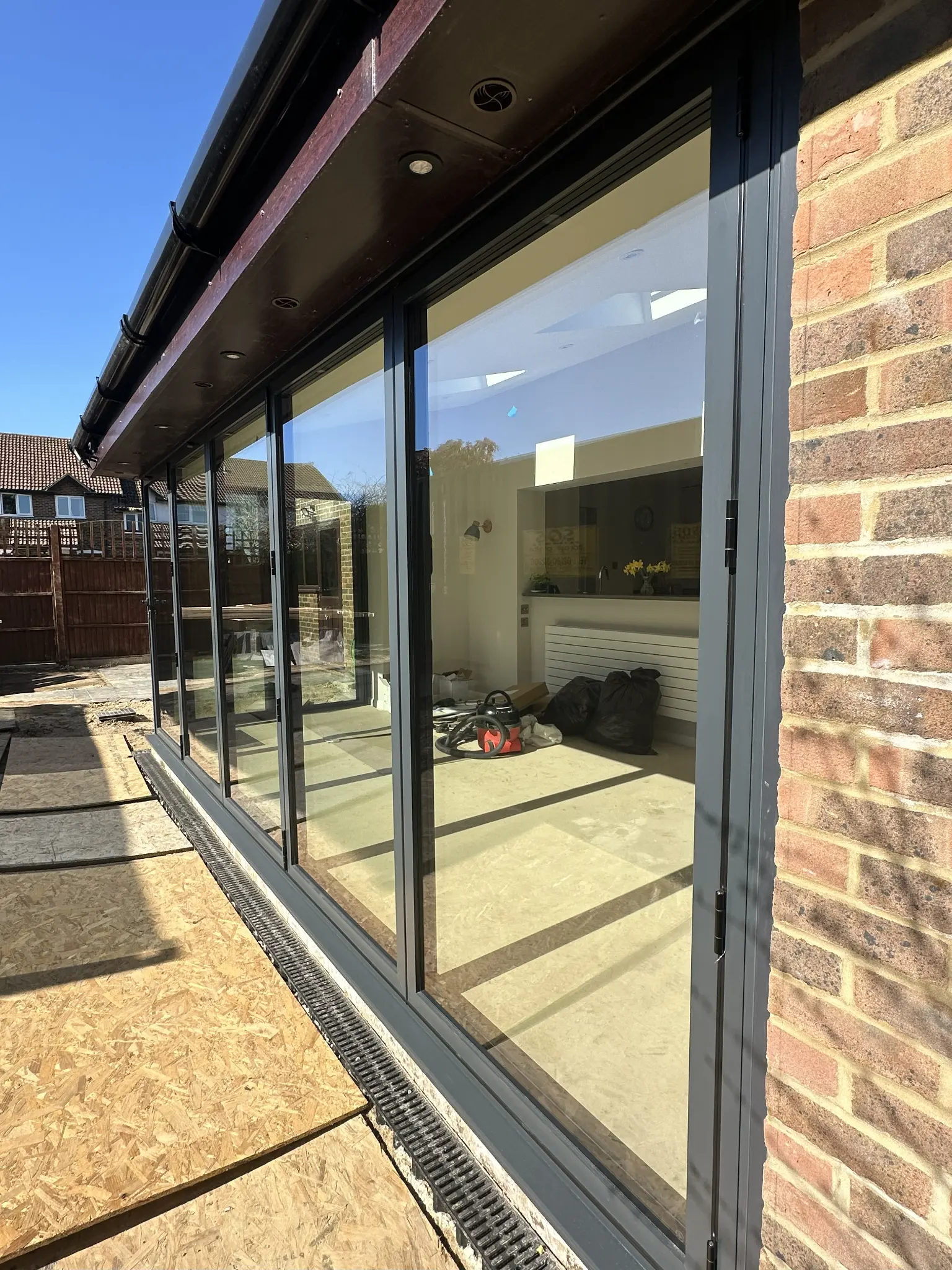
Bi-parting sliding doors offer a sophisticated and highly functional solution for connecting indoor and outdoor spaces, or for creating flexible internal room divisions. Unlike traditional sliding doors that stack to one side, bi-parting systems feature two sets of panels that meet in the middle and slide open in opposite directions, creating a wide, unobstructed opening. This design maximises natural light, enhances views, and provides an impressive architectural feature for any UK home.
For homeowners considering this elegant glazing solution, understanding the various aspects – from design and materials to technical specifications and Building Regulations – is crucial. This comprehensive guide will delve into everything you need to know about bi-parting sliding doors.
What Are Bi-Parting Sliding Doors?
At their core, bi-parting sliding doors consist of multiple panels, typically two or more per side, that operate on a track system. When opened, the panels slide smoothly past each other and stack neatly at either end of the opening, effectively disappearing to create a vast aperture. This symmetrical opening mechanism is what distinguishes them from standard patio sliders or bifold doors.
The system usually involves a head track and a floor track, with rollers or glides ensuring effortless operation. The panels can be configured in various ways, such as 2+2 (four panels, two sliding each way), 3+3 (six panels, three sliding each way), or even larger configurations depending on the width of the opening and the desired aesthetic. The central meeting point often features an interlocking stile for enhanced security and weather sealing when closed.
Benefits and Considerations for UK Homes
Choosing bi-parting sliding doors brings a host of advantages, but it's also important to be aware of potential considerations.
Maximised Openings
The primary advantage is the expansive opening they create. By sliding panels to both sides, bi-parting doors offer a larger clear opening than single-sided sliders, seamlessly blending interior and exterior spaces.
Enhanced Natural Light & Views
With large glass panels and minimal frame sightlines, these doors flood interiors with natural light, reducing reliance on artificial lighting and offering uninterrupted panoramic views of your garden or surroundings.
Architectural Statement
Their symmetrical design and grand scale make bi-parting doors a striking architectural feature, adding significant aesthetic value and a sense of luxury to any property.
Space Efficiency
Unlike bifold doors which stack inwards or outwards, sliding doors do not intrude on living space or patio areas when open, making them ideal for smaller patios or rooms where space is at a premium.
Key Considerations:
- Cost: Generally, bi-parting sliding door systems can be more expensive than standard patio doors due to their complex tracking systems, larger glass panels, and robust framing.
- Weight: The large glass panels can be very heavy, requiring substantial structural support and professional installation.
- Maintenance: While generally low maintenance, tracks need to be kept clean and free of debris to ensure smooth operation.
- Thresholds: Achieving a truly flush threshold can sometimes be challenging while maintaining optimal weather resistance and drainage, though modern systems offer excellent low-profile options.
Design, Materials, and Configuration Options
Bi-parting sliding doors come in a variety of materials and configurations, allowing for customisation to suit specific architectural styles and performance requirements.
Frame Materials:
- Aluminium: Highly popular for its strength, durability, and ability to support large glass panels with very slim sightlines. Aluminium frames are low maintenance, corrosion-resistant, and can be powder-coated in a vast array of colours. They offer excellent thermal performance when combined with thermal breaks.
- Timber: Provides a classic, warm aesthetic, often favoured for traditional or conservation properties. Timber frames offer good natural insulation but require more maintenance (painting/staining) than aluminium.
- uPVC: A more budget-friendly option, uPVC offers good thermal performance and is low maintenance. However, it typically has thicker frames, which can reduce the glass area compared to aluminium.
- Composite: Combines the best of both worlds, often featuring timber internally for warmth and aesthetics, and aluminium or GRP (Glass Reinforced Plastic) externally for weather resistance and low maintenance.
Glazing Options:
The choice of glazing is critical for thermal performance, security, and noise reduction.
- Double Glazing: Standard for modern doors, offering good thermal insulation and noise reduction.
- Triple Glazing: Provides superior thermal performance, ideal for achieving very low U-values and enhancing energy efficiency, though it adds weight and cost.
- Low-E Coatings: Applied to glass surfaces to reflect heat back into the room in winter and reduce heat gain in summer.
- Argon Gas Filling: Inert gas between panes improves insulation compared to air.
- Laminated or Toughened Glass: Essential for safety and security. Laminated glass offers enhanced security and acoustic insulation, while toughened glass is designed to shatter into small, harmless pieces upon impact.
Configurations:
Common bi-parting configurations include:
- 2+2: Four panels in total, two sliding left, two sliding right.
- 3+3: Six panels in total, three sliding left, three sliding right.
- Pocket Doors: For the ultimate seamless opening, panels can slide into a cavity within the wall structure, completely disappearing from view. This requires significant structural work during the build or renovation.
Pro Tip
When planning your bi-parting doors, consider the 'traffic door' option. Some systems allow one of the panels to be opened independently like a regular door, without having to slide open the entire system. This is incredibly practical for everyday access without fully exposing the interior.
.jpg)
Technical Specifications and UK Building Regulations
Understanding the technical aspects and complying with UK Building Regulations is paramount for any major glazing installation.
U-Values:
The U-value measures how effectively a component (like a door or window) prevents heat from escaping. A lower U-value indicates better thermal performance. For replacement doors in existing dwellings, the current Building Regulations Part L (Conservation of Fuel and Power, 2022 England) typically require a maximum U-value of 1.4 W/m²K. For new builds or extensions, the requirement is even stricter at 1.2 W/m²K.
Air Permeability and Weather Tightness:
These are crucial for preventing draughts and water ingress. Doors should be tested to British Standards (e.g., BS 6375) for:
- Air Permeability: Resistance to air leakage.
- Water Tightness: Resistance to water penetration under wind pressure.
- Wind Resistance: Ability to withstand wind loads without damage or excessive deflection.
Security:
Security is a significant concern for large glazed openings. Look for doors that comply with PAS 24:2016 (Enhanced Security Performance Requirements for Doorsets and Windows in the UK). Key security features include multi-point locking systems, anti-lift devices, internal glazing beads, and robust frame construction.
Building Regulations Part L (2022 England) - Specific U-Value Requirements:
When installing bi-parting sliding doors, particularly in new extensions or new build properties, the entire building envelope must meet stringent thermal performance targets. While the door itself has a U-value requirement, it's part of a larger picture:
| Element | Target U-Value (W/m²K) | Notes |
|---|---|---|
| Walls | 0.18 | For new builds & extensions |
| Floors | 0.18 | |
| Roofs | 0.15 | |
| Windows/Doors (New Build) | 1.2 | |
| Windows/Doors (Replacement) | 1.4 | |
| Party Walls | 0.0 |
It is always advisable to consult with your local Building Control body or a qualified architect/builder to ensure your project complies with all relevant regulations, as specific requirements can vary based on the project scope and local authority interpretations.
Installation and Maintenance
Given the size and weight of bi-parting sliding doors, professional installation is not just recommended, but essential. An incorrectly installed door can lead to operational issues, compromised security, and reduced thermal performance.
Installation Considerations:
- Structural Support: The opening may require additional lintel or structural beam support, especially for very wide spans.
- Level Base: A perfectly level and stable base is critical for smooth operation and proper sealing.
- Drainage: Adequate drainage around the external threshold is vital to prevent water ingress, particularly with low-profile or flush thresholds.
- Weather Sealing: Correct installation of gaskets and seals is key to achieving optimal weather tightness and thermal performance.
Maintenance Tips:
- Clean Tracks: Regularly clear debris, dirt, and leaves from the bottom track to ensure smooth and effortless sliding. A soft brush and vacuum cleaner are usually sufficient.
- Lubricate Moving Parts: Periodically apply a silicone-based lubricant (avoid oil-based products as they can attract dirt) to rollers and hinges as per the manufacturer's instructions.
- Clean Frames: Wipe down frames with a mild detergent and soft cloth. Avoid abrasive cleaners.
- Inspect Seals: Check rubber gaskets and seals for signs of perishing or damage and replace if necessary to maintain weather tightness.
- Glass Cleaning: Use a non-abrasive glass cleaner and a microfibre cloth for streak-free results.
Choosing the Right System for Your Home
Selecting the ideal bi-parting sliding door system involves balancing aesthetics, performance, budget, and practical considerations.
- Assess Your Space: Consider the size of the opening, the available stacking space on either side, and how the doors will integrate with your interior and exterior design.
- Prioritise Performance: Decide on your priorities: maximum thermal efficiency (triple glazing, low U-values), superior security (PAS 24), or acoustic insulation.
- Material Choice: Weigh the pros and cons of aluminium, timber, uPVC, or composite frames based on your aesthetic preferences, maintenance expectations, and budget.
- Budget: Bi-parting doors represent a significant investment. Obtain detailed quotes from reputable suppliers, ensuring they include installation, glazing options, and any necessary structural work.
- Supplier Reputation: Choose a reputable supplier and installer with a proven track record in high-quality glazing solutions. Look for companies that offer comprehensive warranties and excellent after-sales service.
Bi-parting sliding doors are a fantastic investment for UK homeowners looking to create a striking visual impact, maximise natural light, and enjoy expansive openings that truly connect their home with the outdoors. By carefully considering the design, technical specifications, and installation requirements, you can ensure your new doors provide years of enjoyment and enhance the value and comfort of your property.
For expert advice and a wide range of high-performance bi-parting sliding door systems tailored to UK homes, consider consulting with specialists like Shard AG. We can guide you through the options and ensure your installation meets all regulatory standards and your personal aspirations.
Explore Our Products
Discover how Shard Architectural Glazing can transform your home with our premium glazing solutions:
Ready to Transform Your Home?
Get in touch with our expert team for a free consultation and personalised quote. We'll help you choose the perfect glazing solution for your property.