
Bifold vs Sliding Doors: A UK Homeowner's Comprehensive Guide
Choosing between bifold and sliding doors for your UK home? Explore the pros, cons, technical details, and Building Regulations compliance for each.

Shard Architectural Glazing
27 March 2026
Choosing between bifold and sliding doors for your UK home? Explore the pros, cons, technical details, and Building Regulations compliance for each.
📋In This Article
Modern architectural design increasingly blurs the lines between indoor and outdoor living spaces, and large glazed door systems are at the forefront of this trend. For UK homeowners looking to enhance their property with expansive views and seamless transitions, the choice often comes down to two primary options: bifold doors and sliding patio doors. Both offer significant aesthetic and functional benefits, but they achieve these in different ways, each with its own set of considerations regarding design, performance, and practical use. Understanding these differences is crucial for making an informed decision that aligns with your home's architecture, your lifestyle, and your budget.
This comprehensive guide will delve into the intricacies of bifold and sliding doors, exploring their mechanisms, performance characteristics, and compliance with UK Building Regulations. We'll provide a balanced perspective, highlighting the advantages and potential drawbacks of each, to help you determine which system is the best fit for your home improvement project.
Understanding Bifold Doors: The Concertina Effect
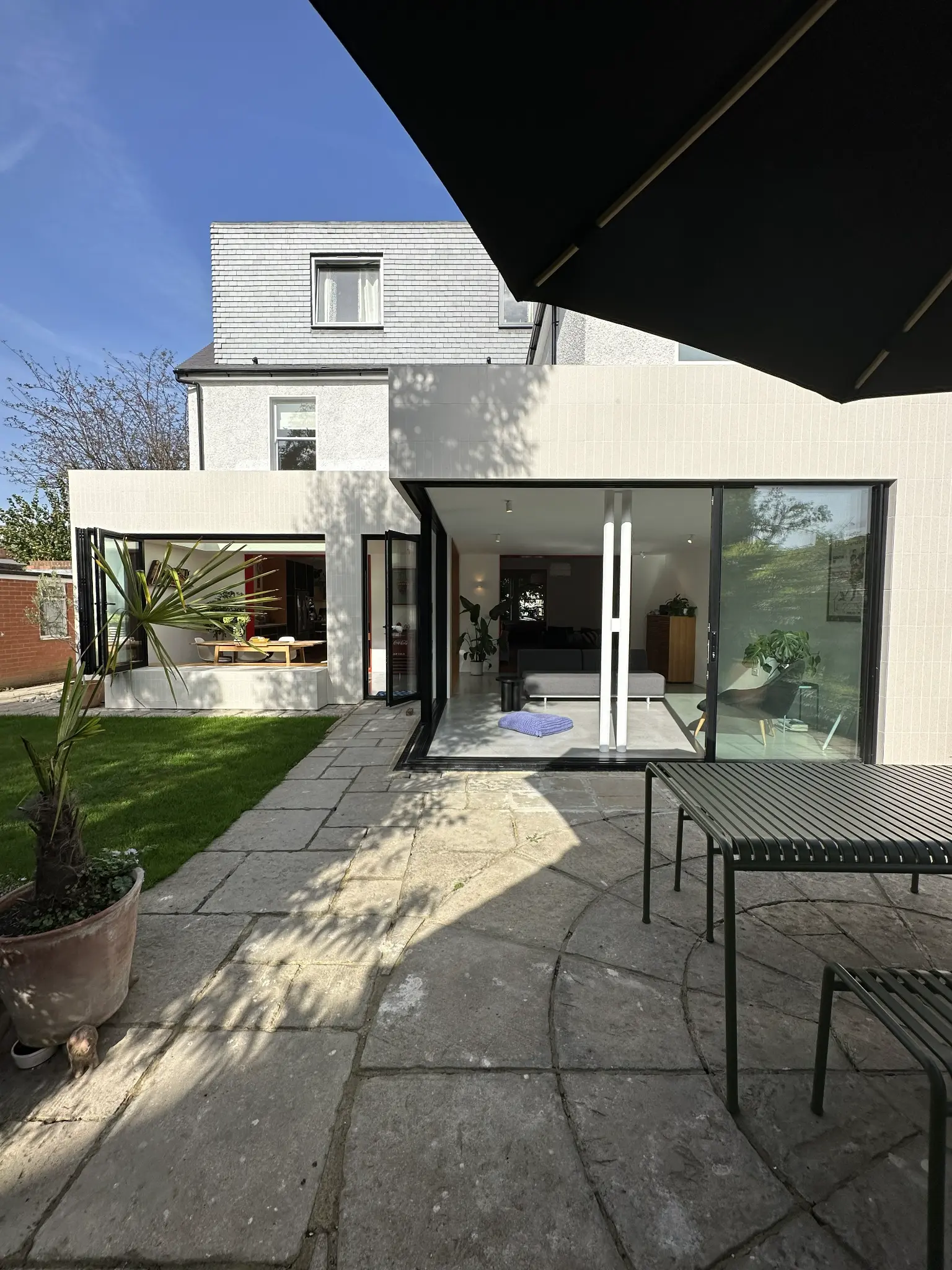
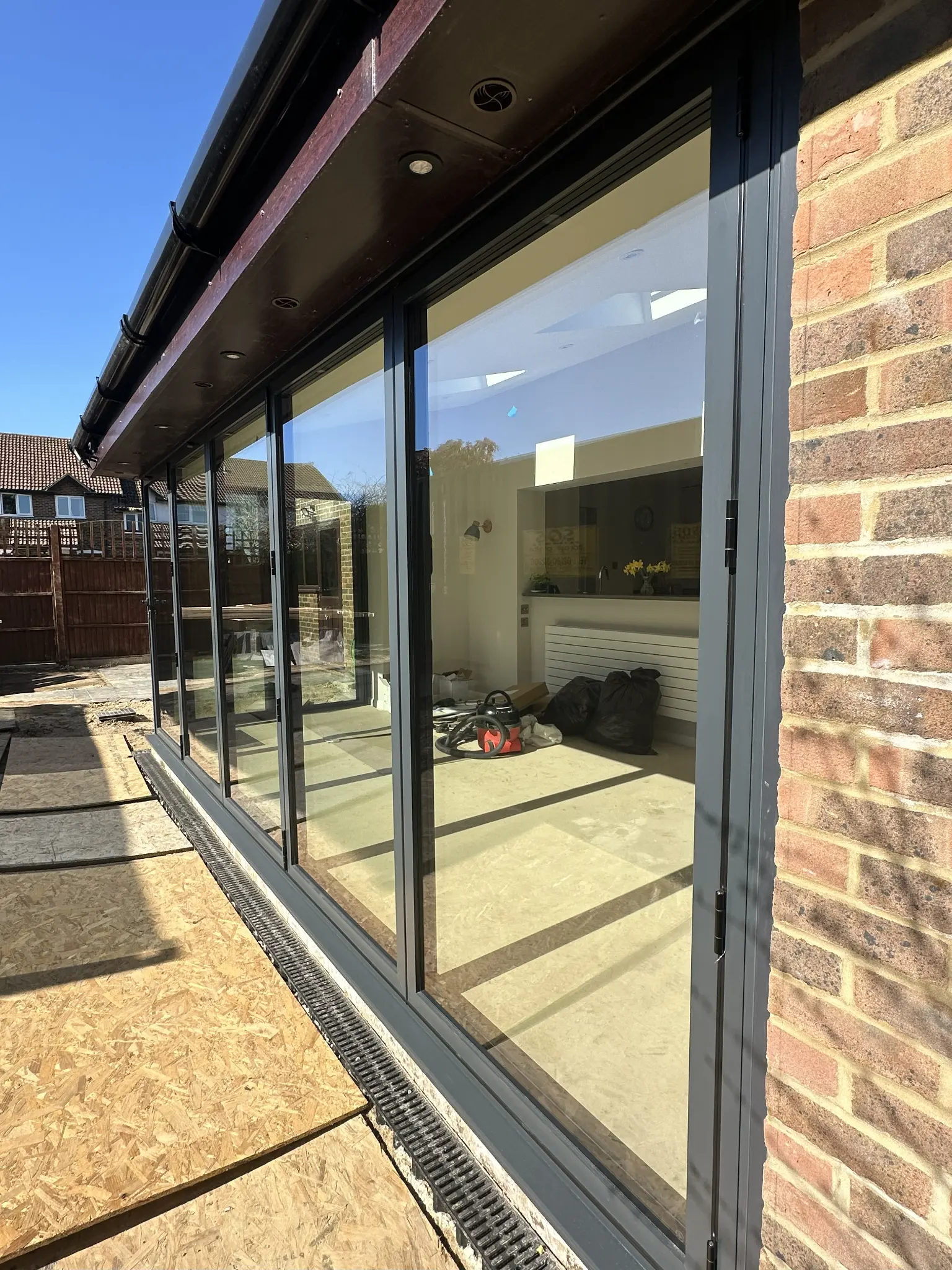
Bifold doors, sometimes referred to as 'folding-sliding' or 'concertina' doors, are characterised by their unique opening mechanism. They consist of multiple panels that fold back on themselves, stacking neatly to one or both sides of the opening, creating a wide, unobstructed aperture. This 'wall of glass' effect is highly sought after for its ability to truly connect indoor and outdoor spaces.
How Bifold Doors Work
- Panels: Typically range from 2 to 7 or more, connected by hinges.
- Tracks: Operate on a top and bottom track system. The bottom track usually bears the majority of the weight, ensuring smooth operation and stability.
- Mechanism: Each panel folds against the next, guided by rollers within the tracks. When fully open, the panels stack perpendicularly to the door frame, leaving a clear opening.
- Configuration: Available in various configurations, allowing all panels to fold one way, or some to fold one way and others the opposite, often incorporating a single 'traffic door' for easy access without opening the entire system.
Advantages of Bifold Doors
- Maximum Opening: Offer the largest unobstructed opening percentage compared to sliding doors, often up to 90% of the total width. This creates a genuine seamless transition.
- Aesthetic Appeal: When open, they provide a dramatic visual impact, completely integrating the interior with the exterior.
- Ventilation: The expansive opening allows for excellent natural ventilation, ideal for warm days.
- Design Flexibility: Available in various materials (aluminium, uPVC, timber) and finishes to suit any architectural style.
Considerations for Bifold Doors
- Space Requirement: The stacked panels require space, both internally or externally, which needs to be factored into patio or room design.
- Frame Thickness: Bifold door frames tend to be thicker than those of sliding doors due to the multiple meeting stiles, which can slightly reduce the overall glass area when closed.
- Cost: Generally, bifolds can be more expensive than standard sliding doors, primarily due to their more complex engineering and hardware.
- Maintenance: The multiple moving parts and tracks may require more regular cleaning and maintenance to ensure smooth operation.
Exploring Sliding Doors: Sleek and Space-Saving
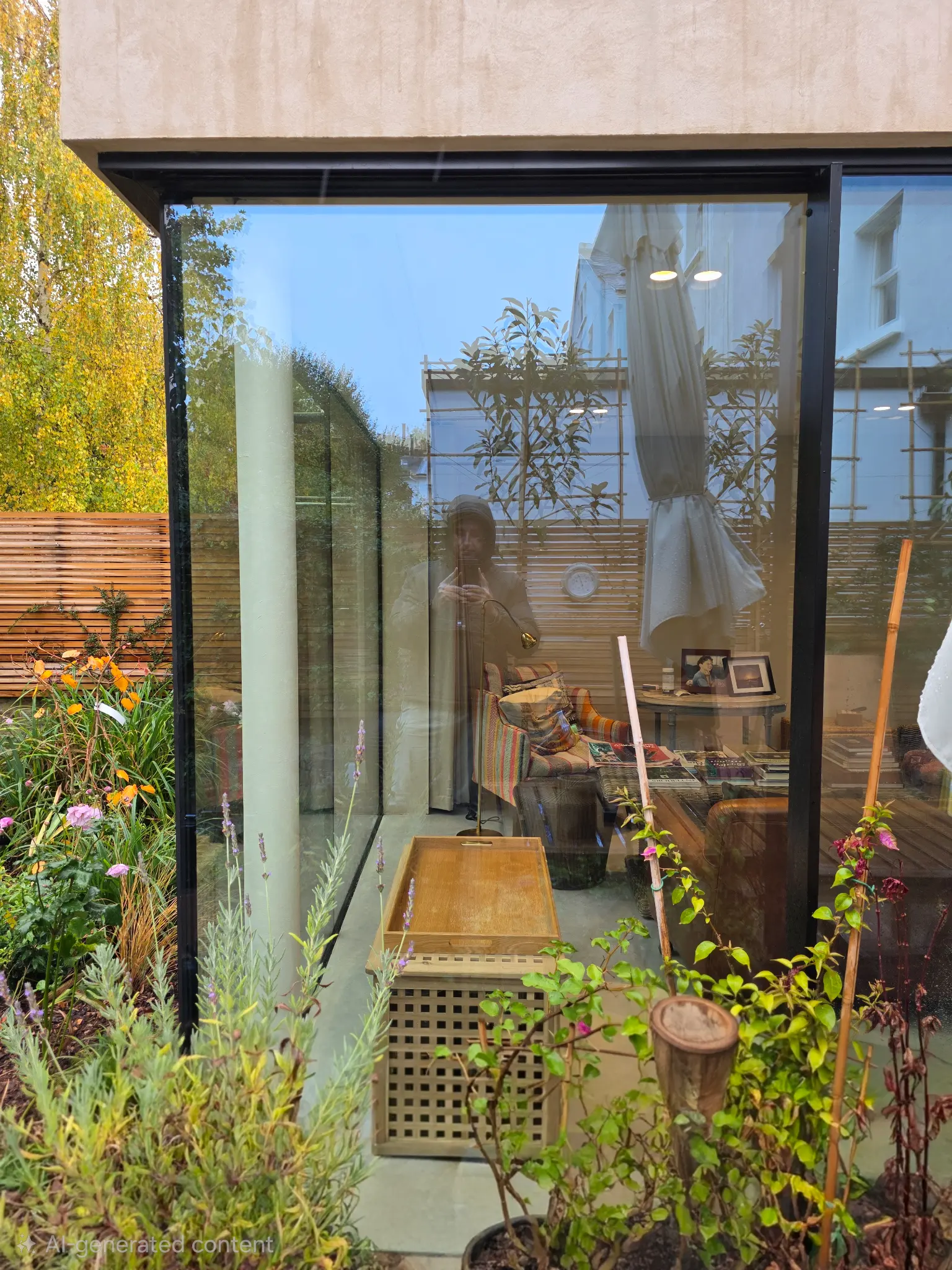
Sliding doors, often called patio doors, operate by panels gliding horizontally past one another on a track. They are renowned for their minimalist aesthetic, large glass panes, and efficient use of space, making them a popular choice for contemporary homes.
How Sliding Doors Work
- Panels: Typically consist of 2 to 4 (or more) large glass panels.
- Tracks: Operate on a multi-track system, allowing panels to slide behind fixed panels or other moving panels.
- Mechanism: Panels are fitted with rollers that glide along the tracks. Modern systems often feature 'lift and slide' mechanisms, where the panel is slightly lifted off its seals before sliding, offering superior weather performance and smoother operation.
- Configuration: Common configurations include two panels (one fixed, one sliding), three panels (one fixed, two sliding, or two fixed, one sliding), or four panels (two fixed, two sliding in the middle).
Advantages of Sliding Doors
- Space Efficiency: Panels slide within their own footprint, meaning no space is required internally or externally for stacking, making them ideal for smaller patios or rooms.
- Maximal Glass Area: With fewer, larger panels, sliding doors offer a greater proportion of glass to frame, maximising natural light and views when closed.
- Sleek Aesthetics: Their minimalist design and slim sightlines contribute to a very contemporary and uncluttered look.
- Security: Modern sliding door systems, especially 'lift and slide' variants, offer excellent security features and weather sealing.
Considerations for Sliding Doors
- Limited Opening: The maximum opening is typically 50% (for a two-panel system) or slightly more for multi-panel configurations, as panels always overlap. This means a full, unobstructed opening is not possible.
- Ventilation: While still offering good ventilation, it's not as expansive as with bifold doors.
- Weight: Large glass panels can be very heavy, requiring robust framing and installation.
- Cleaning: The tracks can accumulate dirt and debris, requiring regular cleaning to ensure smooth operation.
Enhanced Natural Light
Both door types significantly increase natural light, reducing reliance on artificial lighting and creating brighter, more inviting living spaces.
Improved Views
Large glazed panels offer expansive, uninterrupted views of your garden or surroundings, enhancing the connection with nature.
Increased Property Value
Modern, high-performance glazed doors are a desirable feature for potential buyers, often adding significant value to a property.
Better Indoor-Outdoor Flow
They create a seamless transition between your home and garden, perfect for entertaining or simply enjoying the outdoors from within.
Technical Specifications and UK Building Regulations
When selecting any major glazing product for your home in the UK, it's paramount to consider its technical performance and compliance with current Building Regulations. The key area here is thermal performance, primarily governed by Part L (Conservation of Fuel and Power).
Thermal Performance (U-values)
A U-value measures how effectively a component (like a door or window) prevents heat from escaping. A lower U-value indicates better insulation and energy efficiency. For replacement doors and windows in existing dwellings in England, the current maximum U-value permitted is 1.4 W/m²K. For new builds and extensions, the requirement is even stricter at 1.2 W/m²K.
Both bifold and sliding doors are available with excellent U-values, often achieving 1.2 W/m²K or better, especially when specified with high-performance glazing such as argon-filled double or triple glazing with low-emissivity (low-e) coatings and warm edge spacers. Aluminium frames, while conductive, can achieve excellent thermal breaks to meet these standards.
Other Building Regulations Considerations
- Part F (Ventilation): New or replacement doors may need to incorporate trickle vents to ensure adequate background ventilation, especially in rooms where existing ventilation is reduced.
- Part K (Protection from Falling, Collision and Impact): Glazing in critical locations (e.g., within 800mm of floor level, or in doors) must be safety glass (toughened or laminated) to prevent injury from breakage.
- Part B (Fire Safety): While less common for external doors, fire safety considerations might apply in specific scenarios, such as doors leading to escape routes from flats.
- Accreditation: Look for doors that are certified to relevant British Standards (e.g., BS 6375 for weather tightness and operation) and have CE marking, indicating compliance with European safety, health, and environmental protection requirements.
Pro Tip
Always request the U-value certificate for any doors you are considering. Ensure it meets or exceeds the current Building Regulations Part L requirements for your specific project (replacement or new build/extension). Failing to meet these standards could affect compliance and potentially lead to issues during Building Control approval.
Material Choices and Durability
The material chosen for your bifold or sliding doors significantly impacts their appearance, thermal performance, durability, and maintenance requirements.
- Aluminium: The most popular choice for both bifold and sliding doors. It's strong, lightweight, highly durable, resistant to corrosion, and requires minimal maintenance. Aluminium frames can be very slim, especially for sliding doors, maximising glass area. Modern aluminium systems incorporate thermal breaks to achieve excellent U-values.
- uPVC: A cost-effective option, uPVC offers good thermal performance and is low maintenance. However, it typically results in thicker frames compared to aluminium, which can reduce glass area. While durable, uPVC may not offer the same longevity or structural integrity for very large openings as aluminium.
- Timber: Provides a natural, warm aesthetic and excellent thermal properties. Timber doors require more maintenance (painting/staining) to protect them from the elements. Engineered timber options offer enhanced stability and durability.
Cost and Installation Considerations
The cost of bifold and sliding doors can vary significantly based on material, size, number of panels, glazing specification, hardware, and manufacturer. Generally, aluminium systems tend to be more expensive than uPVC, with timber often sitting in between or at the higher end for bespoke options.
| Feature | Bifold Doors | Sliding Doors |
|---|---|---|
| Opening Percentage | Up to 90% (near full opening) | Typically 50-70% (panels always overlap) |
| Space Usage | Requires space for stacked panels (in/out) | Panels slide within frame footprint (space-saving) |
| Frame Sightlines | Thicker frames due to multiple meeting stiles | Slimmer frames, larger glass panes |
| Natural Light (Closed) | Good, but slightly less than sliders due to more frames | Excellent, maximises glass area and views |
| Ventilation | Exceptional when fully open | Good, but not as expansive as bifolds |
| Cost (General) | Often higher due to complex mechanism | Generally more cost-effective for similar size |
| Maintenance | More moving parts, tracks need regular cleaning | Tracks need cleaning, fewer moving parts |
| Aesthetics | Dramatic, 'wall of glass' when open | Sleek, minimalist, contemporary |
| Security | Excellent with multi-point locking | Excellent, especially 'lift and slide' systems |
| Typical U-value (UK Regs) | Achieves 1.2-1.4 W/m²K with good spec | Achieves 1.2-1.4 W/m²K with good spec |
Installation
Both bifold and sliding doors require professional installation due to their size, weight, and precision engineering. A poorly installed door can lead to operational issues, draughts, and compromised security. It's crucial to use experienced installers who understand the specific requirements of these systems, including ensuring a level and stable opening, correct sealing, and proper drainage.
Making the Right Choice for Your Home
The decision between bifold and sliding doors ultimately depends on your priorities and the specifics of your property:
- If your primary goal is to achieve the widest possible opening and a truly seamless transition to your outdoor space, and you have the room for the stacked panels, bifold doors are likely your best option.
- If maximising natural light and views, maintaining a sleek, minimalist aesthetic, and conserving space are your top priorities, then sliding doors, particularly modern lift and slide systems, will be an excellent choice.
Consider the orientation of your opening, the prevailing winds, and how you intend to use the space. Do you frequently entertain and want to fully open up your living area? Or do you prefer expansive views and a solid, secure barrier against the elements?
It is always advisable to consult with local Building Control for specific project requirements and to engage with reputable suppliers and installers. They can provide expert advice tailored to your property, ensuring your chosen doors not only look fantastic but also perform optimally and comply with all relevant UK standards.
At Shard AG, we specialise in providing high-performance architectural glazing solutions for UK homeowners. Our extensive range of bifold and sliding doors are designed to meet the latest Building Regulations, offering exceptional thermal efficiency, security, and aesthetic appeal. We work with leading manufacturers to ensure our products deliver superior quality and durability. Our experienced team can guide you through the selection process, from initial design consultation to professional installation, helping you choose the perfect glazing solution to transform your home.
Explore Our Products
Discover how Shard Architectural Glazing can transform your home with our premium glazing solutions:
Ready to Transform Your Home?
Get in touch with our expert team for a free consultation and personalised quote. We'll help you choose the perfect glazing solution for your property.