Choosing Sliding Doors: A UK Homeowner's Expert Guide
Discover how to select the perfect sliding doors for your UK home. Learn about types, materials, glazing, thermal performance, and Building Regulations.

Shard Architectural Glazing
7 April 2026
Discover how to select the perfect sliding doors for your UK home. Learn about types, materials, glazing, thermal performance, and Building Regulations.
📋In This Article
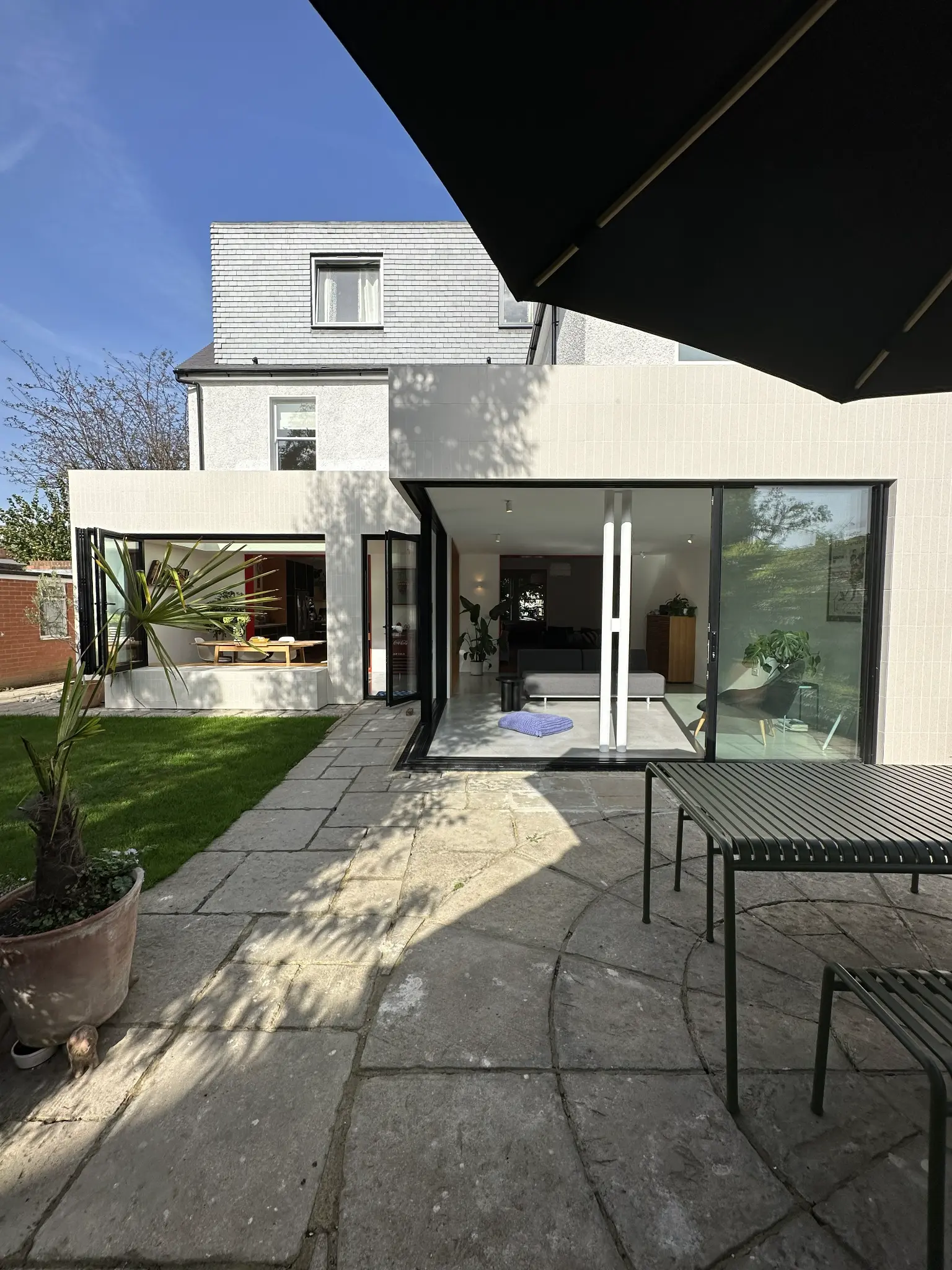
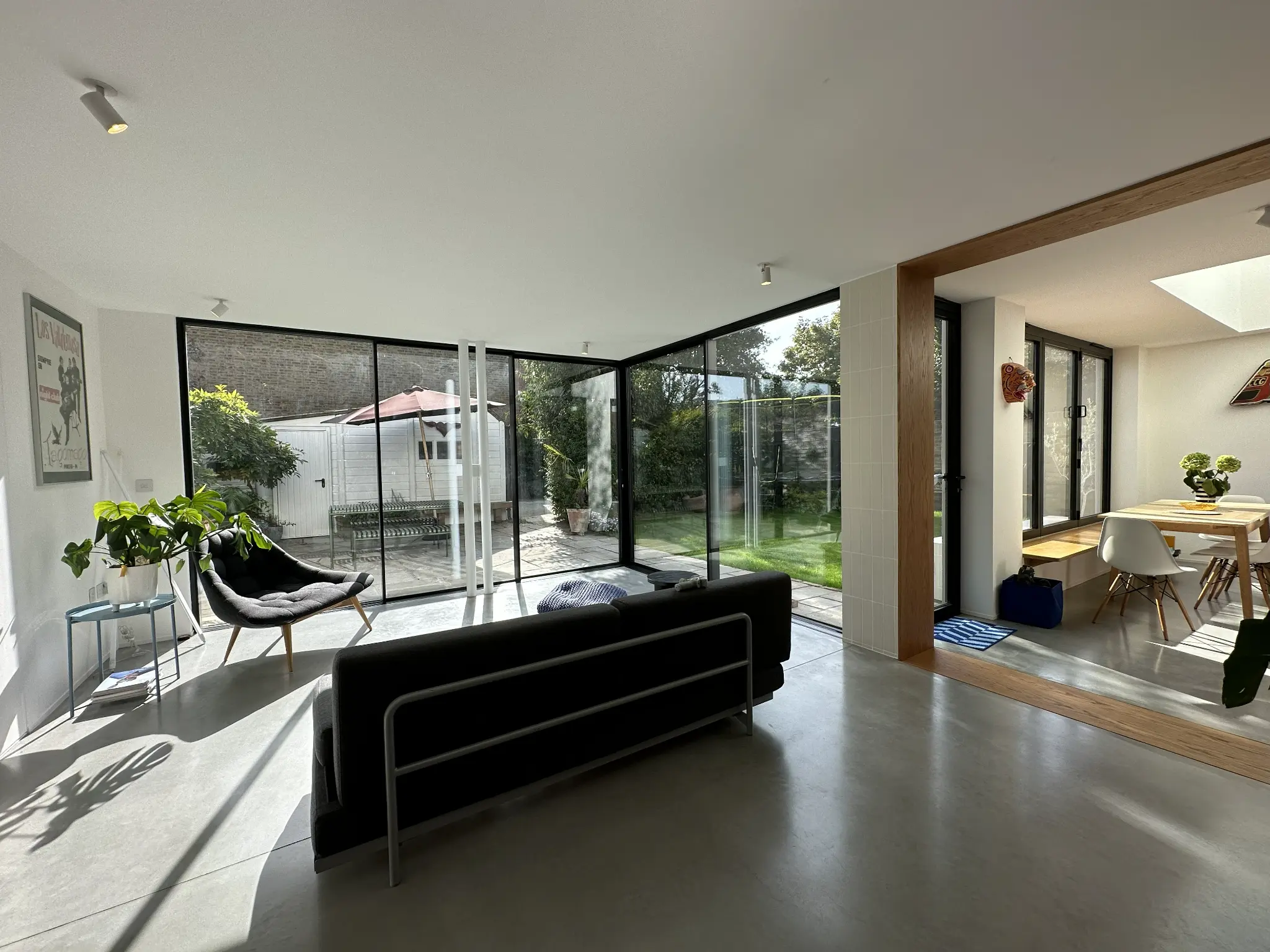
Sliding doors offer a fantastic way to transform a living space, seamlessly connecting interiors with the outdoors, maximising natural light, and providing a modern, elegant aesthetic. For UK homeowners, choosing the right sliding door system involves navigating a variety of options, from different types and materials to glazing specifications and Building Regulations compliance. This comprehensive guide will equip you with the knowledge to make an informed decision for your home improvement project.
Types of Sliding Doors for UK Homes
When considering sliding doors, it's essential to understand the primary types available, as each offers distinct operational benefits and aesthetic qualities.
1. Standard Sliding Patio Doors
- Mechanism: These doors typically feature two or more panels, with one or more panels sliding horizontally behind a fixed panel. They operate on a track system.
- Space Efficiency: They don't require swing space, making them ideal for areas where space is at a premium, both internally and externally.
- Configurations: Common configurations include 2, 3, or 4 panels, allowing for various opening widths.
- Aesthetics: Often characterised by a more traditional, robust frame, though modern slimline versions are available.
2. Lift and Slide Doors
- Mechanism: A more advanced type, lift and slide doors operate by a handle mechanism that first lifts the door panel slightly off its seals and then allows it to slide effortlessly along its track. When closed, the panel lowers onto the seals, creating a superior weather-tight and secure seal.
- Performance: Known for their excellent thermal performance, acoustic insulation, and enhanced security due to the compression sealing.
- Weight Capacity: Can accommodate much larger and heavier glass panels, offering expansive, uninterrupted views.
- Operation: Despite their size, they are surprisingly easy to operate due to the lifting mechanism.
3. Bifold Doors
- Mechanism: While not strictly 'sliding' in the same way as patio or lift and slide doors, bifold doors fold back in a concertina style, stacking neatly to one or both sides of the opening.
- Opening Width: Offer the widest possible clear opening, typically up to 90% of the aperture, truly blurring the lines between indoor and outdoor spaces.
- Configurations: Available in numerous configurations, from 2 panels up to 7 or more, with various opening directions.
- Considerations: Require space for the folded panels, and the frame profiles can be thicker than some slimline sliding options.
Pro Tip
Consider how you will use the opening. If you want to fully open up a wall, bifold doors might be your preference. If you prioritise large, uninterrupted glass panels and ease of operation for everyday access, standard or lift and slide doors are often a better fit.
Materials and Finishes: Durability and Aesthetics
The choice of material significantly impacts the door's appearance, thermal performance, maintenance requirements, and lifespan.
1. Aluminium Sliding Doors
- Pros: Extremely durable, lightweight, strong, and allows for very slim frame profiles, maximising glass area. Excellent resistance to corrosion and requires minimal maintenance. Available in a vast range of RAL colours through powder coating.
- Cons: Can be more expensive than uPVC. Aluminium is a good conductor of heat, so high-quality systems incorporate thermal breaks to prevent heat loss.
- Ideal for: Contemporary homes, large openings, and achieving a minimalist aesthetic.
2. uPVC Sliding Doors
- Pros: Generally the most cost-effective option. Good thermal performance due to the multi-chambered profiles. Low maintenance and available in various finishes, including woodgrain effects.
- Cons: Frame profiles are typically thicker than aluminium, which can reduce the glass area. Can be prone to expansion and contraction with temperature changes, and colour options are more limited than aluminium.
- Ideal for: Budget-conscious projects, traditional homes, and smaller openings.
3. Timber Sliding Doors
- Pros: Offers a classic, natural aesthetic with excellent insulation properties. Can be stained or painted to suit any style. Sustainable option if sourced responsibly.
- Cons: Requires more maintenance (repainting/re-staining) than uPVC or aluminium to protect against weathering. Can be susceptible to warping or swelling if not properly treated and maintained.
- Ideal for: Period properties, eco-conscious homeowners, and those seeking a warm, traditional look.
4. Composite Sliding Doors
- Mechanism: Typically feature an aluminium exterior for durability and weather resistance, combined with a timber interior for a natural aesthetic and enhanced thermal performance.
- Pros: Best of both worlds – low maintenance exterior, natural interior. Excellent thermal and acoustic properties.
- Cons: Generally the most expensive option.
- Ideal for: High-end projects where both aesthetics and performance are paramount.
Glazing and Thermal Performance: UK Building Regulations
The glazing within your sliding doors is crucial for insulation, security, and comfort. In the UK, thermal performance is governed by Part L of the Building Regulations, which sets minimum standards for energy efficiency.
U-Values Explained
The U-value measures how effectively a building element (like a window or door) prevents heat from escaping. A lower U-value indicates better insulation and thermal performance. It is measured in Watts per square metre Kelvin (W/m²K).
Current UK Building Regulations Part L (2022 England) for Dwellings:
- New Build Homes: Windows/Doors must achieve a U-value of 1.2 W/m²K or lower.
- Replacement Windows/Doors: Must achieve a U-value of 1.4 W/m²K or lower.
While these are minimum requirements, many high-performance sliding doors can achieve significantly lower U-values (e.g., 1.0 W/m²K or even 0.8 W/m²K with triple glazing), which will further improve your home's energy efficiency and reduce heating bills.
Glazing Options
- Double Glazing: The standard for modern doors. Consists of two panes of glass separated by a sealed gap filled with an inert gas (like argon) to improve insulation.
- Triple Glazing: Features three panes of glass with two sealed gaps. Offers superior thermal and acoustic performance, ideal for very cold climates or homes near noisy areas.
- Low-E (Low Emissivity) Coatings: A microscopic, transparent coating applied to one of the glass surfaces reflects heat back into the room in winter and reduces heat gain in summer. Essential for achieving good U-values.
- Warm Edge Spacers: The spacer bar separating the glass panes in an insulated glass unit (IGU) can be made from a low-conductivity material (e.g., composite or plastic) instead of aluminium, further reducing heat loss at the edges of the glass.
- Laminated or Toughened Glass: For security and safety. Toughened glass shatters into small, relatively harmless pieces, while laminated glass holds together when broken, preventing a large opening. Often a requirement for doors and low-level glazing.
Security and Safety Features
Security is paramount for any external door. Look for doors that comply with recognised security standards.
- Multi-Point Locking Systems: These engage at several points along the door frame, providing far greater resistance to forced entry than single-point locks.
- Anti-Lift Mechanisms: Prevent the sliding panels from being lifted off their tracks from the outside.
- Toughened or Laminated Glass: As mentioned, these glass types are much harder to break through than standard annealed glass.
- PAS 24: This is a UK standard for enhanced security performance for doors and windows. Doors certified to PAS 24 have undergone rigorous testing against common attack methods. Specifying PAS 24 certified doors provides peace of mind.
- Child Safety: Consider finger-trap protection mechanisms, especially with bifold doors, and ensure any glass is appropriately toughened or laminated.
Practical Considerations and Installation
Beyond the product itself, several practical aspects need careful thought.
Threshold Options
- Low Threshold: Offers a near-flush transition between inside and outside, ideal for accessibility (wheelchairs, prams) and a seamless aesthetic. However, requires excellent drainage solutions to prevent water ingress.
- Weather-Rated Threshold: A slightly raised threshold designed to provide superior weather protection, often recommended for exposed locations.
Drainage
Proper drainage outside your sliding doors is critical, especially with low thresholds. Consider installing a linear drainage channel (often called a 'slot drain' or 'aco drain') directly in front of the doors to manage rainwater effectively and prevent pooling.
Building Control Approval
Any new external door installation, particularly if it involves altering an existing opening or creating a new one, will typically require Building Control approval to ensure compliance with relevant Building Regulations (e.g., Part L for thermal performance, Part F for ventilation, Part B for fire safety, Part K for safety glazing). It is highly advisable to consult with your local Building Control body or a qualified professional before commencing work to understand specific requirements.
Ventilation (Part F)
When replacing existing windows or doors, you must ensure that the ventilation provision in the room is not worse than before. This often means incorporating trickle vents into the new door frames, even if your old doors didn't have them, to comply with Part F of the Building Regulations.
Cost and Value for Money
The cost of sliding doors can vary significantly based on type, material, size, glazing specification, and manufacturer. While it's tempting to opt for the cheapest option, remember that this is a long-term investment in your home.
| Feature | uPVC Sliding Doors | Aluminium Sliding Doors | Lift and Slide Doors | Bifold Doors |
|---|---|---|---|---|
| Typical Cost Range (Indicative) | £1,000 - £3,000 | £2,500 - £7,000 | £4,000 - £10,000+ | £3,000 - £10,000+ |
| Frame Profile (Slimness) | Moderate to Thick | Slim to Very Slim | Slim to Moderate | Moderate to Thick |
| Thermal Performance (U-value) | Good (1.4 - 1.6 W/m²K) | Excellent (1.2 - 1.4 W/m²K, with thermal break) | Superior (0.8 - 1.2 W/m²K) | Very Good (1.2 - 1.6 W/m²K) |
| Max. Clear Opening | Limited (typically 50%) | Limited (typically 50%) | Limited (typically 50%) | Very High (up to 90%) |
| Maintenance | Very Low | Very Low | Low | Low to Moderate |
| Aesthetic Suitability | Traditional/Modern | Modern/Contemporary | High-End Modern | Modern/Contemporary |
Investing in higher quality doors with better thermal performance, robust security features, and durable materials will likely pay dividends in the long run through reduced energy bills, enhanced home security, and a longer lifespan for the product.
Benefits of Quality Sliding Doors
Enhanced Natural Light
Large glass panels maximise the influx of daylight, making rooms feel brighter, more spacious, and reducing the need for artificial lighting during the day.
Seamless Indoor-Outdoor Living
Sliding doors create a fluid transition between your interior living spaces and garden or patio, perfect for entertaining and enjoying your outdoor environment.
Improved Energy Efficiency
Modern sliding doors with advanced glazing and thermal breaks significantly reduce heat loss, helping to lower your energy bills and improve your home's comfort.
Increased Property Value
High-quality, aesthetically pleasing, and energy-efficient sliding doors are a desirable feature that can enhance your home's market appeal and value.
Conclusion: Making Your Choice
Choosing the right sliding doors involves balancing aesthetics, performance, budget, and compliance with UK Building Regulations. By carefully considering the type of door, material, glazing specifications, security features, and practical installation aspects, you can select a system that not only enhances your home's appearance but also improves its comfort, energy efficiency, and security for many years to come.
For expert advice and a wide range of high-performance sliding door solutions tailored to UK homes, consider consulting with specialists like Shard AG. Our team can guide you through the options, ensuring your chosen doors meet both your aesthetic aspirations and all relevant technical and regulatory standards.
Explore Our Products
Discover how Shard Architectural Glazing can transform your home with our premium glazing solutions:
Ready to Transform Your Home?
Get in touch with our expert team for a free consultation and personalised quote. We'll help you choose the perfect glazing solution for your property.