

Coastal Glazing: Protecting Your Home from the UK Elements
Discover essential glazing considerations for UK coastal properties. Learn about durability, insulation, safety, and compliance with Building Regulations.

Shard Architectural Glazing
24 March 2026
Discover essential glazing considerations for UK coastal properties. Learn about durability, insulation, safety, and compliance with Building Regulations.
📋In This Article
Living by the sea in the UK offers unparalleled beauty and a unique lifestyle. However, coastal environments present distinct challenges for property owners, particularly when it comes to the building fabric. The constant exposure to salt-laden air, strong winds, driving rain, and intense UV radiation demands a robust and carefully considered approach to construction materials, especially glazing. Choosing the right windows and doors for a coastal home isn't just about aesthetics; it's about long-term durability, energy efficiency, safety, and comfort.
This comprehensive guide will delve into the critical aspects of selecting glazing for coastal properties in the UK, providing homeowners with the knowledge to make informed decisions that protect their investment and enhance their living experience.
The Coastal Challenge: Why Standard Glazing Isn't Enough
Coastal environments are inherently more aggressive than inland locations. Understanding these specific challenges is the first step in appreciating the need for specialised glazing solutions.
Salt Corrosion
- Metal Components: Salt spray is highly corrosive to many metals, including aluminium, steel, and even some stainless steel grades if not properly specified. This can lead to pitting, discolouration, and structural weakening of frames, hinges, and other hardware.
- Sealants: Standard sealants can degrade faster when exposed to salt and UV, leading to breaches in the thermal envelope and water ingress.
High Wind Loads
- Structural Integrity: Coastal properties are often subject to significantly higher wind pressures than inland homes. Windows and doors must be designed and installed to withstand these forces without flexing excessively, leaking, or failing.
- Glass Strength: Larger panes of glass, or those in exposed locations, require greater thickness or toughening to resist wind pressure and impact from wind-borne debris.
UV Radiation
- Material Degradation: Intense UV light can cause plastics (like uPVC), sealants, and even some timber finishes to degrade, discolour, and become brittle over time.
- Internal Fading: Unprotected glazing can allow UV rays to penetrate, leading to fading of furniture, flooring, and artwork indoors.
Moisture and Driving Rain
- Water Ingress: The combination of strong winds and heavy rainfall can force water into even tiny gaps, leading to damp, mould, and structural damage if frames and seals are not watertight.
- Condensation: While not unique to coastal areas, effective insulation and ventilation are crucial to manage condensation, especially in properties exposed to fluctuating temperatures and high humidity.
Material Matters: Frame Options for Coastal Homes
The choice of frame material is paramount for coastal glazing, directly impacting durability, maintenance, and thermal performance.
uPVC (Unplasticised Polyvinyl Chloride)
- Pros: Excellent resistance to salt corrosion, low maintenance, good thermal performance, cost-effective. Modern uPVC is UV-stabilised to resist discolouration.
- Cons: Can expand and contract with temperature changes, potentially leading to seal issues over many years if not high quality. Aesthetic limitations for some architectural styles.
- Coastal Consideration: Opt for high-quality, UV-stabilised uPVC profiles with robust internal reinforcement (often steel, which needs to be galvanised or protected).
Aluminium
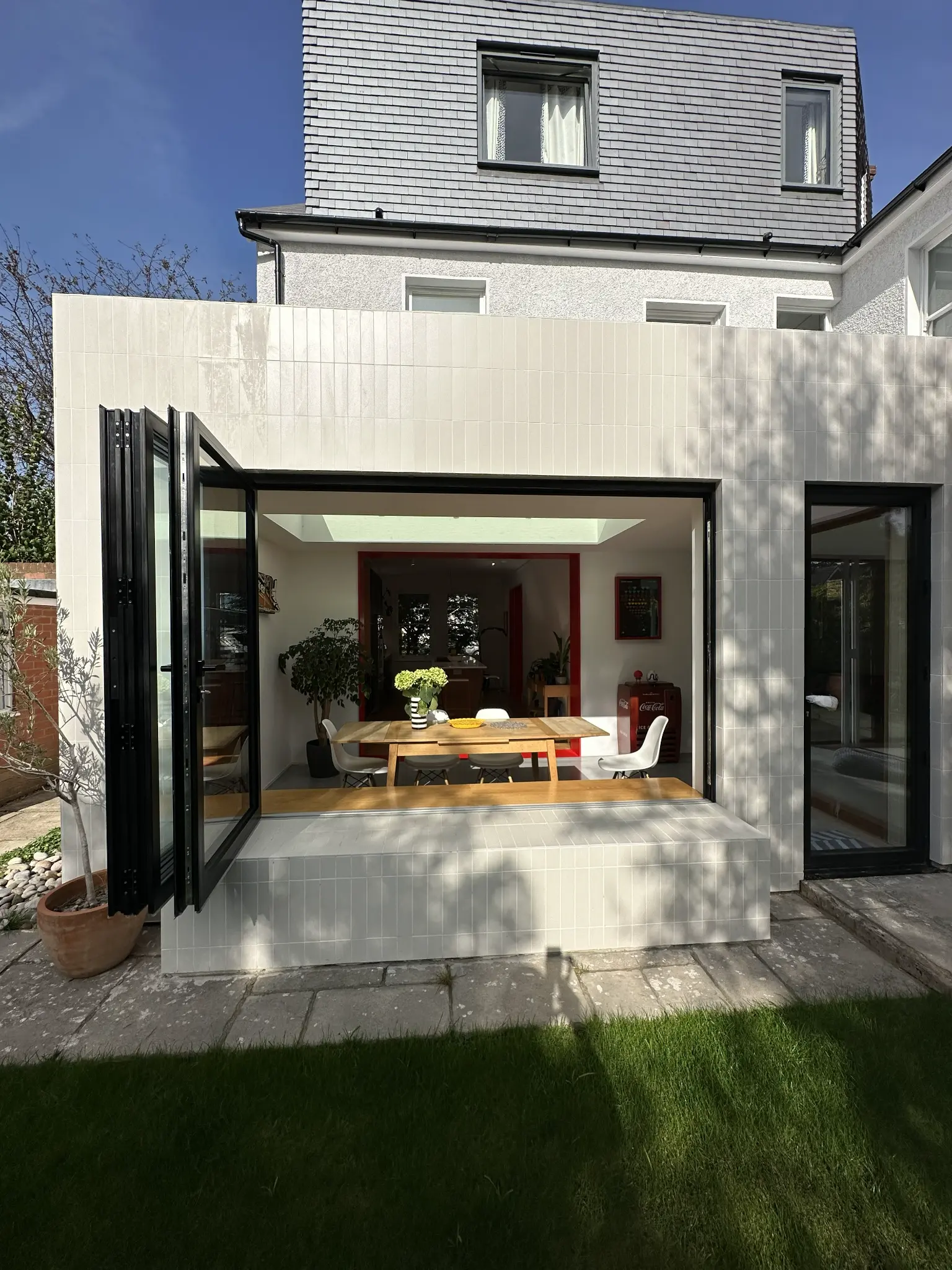
- Pros: Extremely strong, allowing for slim sightlines and large expanses of glass. Highly durable.
- Cons: Historically, aluminium was a poor insulator, but modern thermally broken systems address this. Raw aluminium is highly susceptible to salt corrosion.
- Coastal Consideration: Crucially, aluminium frames must be marine-grade powder coated (e.g., to Qualicoat Class 2 or equivalent) or anodised to provide a protective barrier against salt corrosion. Ensure all hardware (hinges, handles) are also made from corrosion-resistant materials like marine-grade stainless steel (316 grade) or adequately protected.
Timber
- Pros: Natural aesthetic, excellent thermal properties, sustainable (if sourced responsibly).
- Cons: Requires regular maintenance (painting/staining) to protect against moisture and UV. Can be susceptible to rot if not properly treated and maintained.
- Coastal Consideration: Use naturally durable timbers (e.g., Accoya, European Oak) or pressure-treated softwoods. Apply high-performance, microporous paint or stain systems specifically designed for external use in harsh conditions, ensuring all end grains are sealed. Regular inspection and maintenance are vital.
Composite (e.g., Timber-Aluminium)
- Pros: Combines the best of both worlds – timber internally for warmth and aesthetics, aluminium externally for durability and low maintenance. Excellent thermal performance.
- Cons: Higher initial cost.
- Coastal Consideration: The external aluminium component must be marine-grade powder coated as described above.
Enhanced Durability
Specialised materials and finishes withstand salt, wind, and UV, ensuring a longer lifespan for your windows and doors.
Superior Weather Protection
Advanced sealing and robust construction prevent water ingress and drafts, keeping your home dry and comfortable.
Improved Energy Efficiency
High-performance glazing reduces heat loss, lowering energy bills and creating a more stable indoor climate.
Increased Safety & Security
Stronger glass and frames offer better resistance to high winds and potential impacts, enhancing peace of mind.
Glass Specifications for Coastal Environments
The glass itself is a crucial component, and its specification needs careful attention for coastal properties.
Toughened or Laminated Glass
- Wind Resistance: For larger panes or areas exposed to extreme winds, toughened glass (also known as tempered glass) is essential. It is up to five times stronger than standard annealed glass.
- Safety: If toughened glass breaks, it shatters into small, relatively harmless pieces. Laminated glass (two panes bonded with an interlayer) holds together when broken, providing enhanced safety and security, and can also offer acoustic benefits.
- Building Regulations: Toughened or laminated glass is typically required in critical locations for safety, such as low-level glazing, doors, and adjacent panels.
Low-Emissivity (Low-E) Coatings
A standard for modern glazing, Low-E coatings reflect heat back into the room in winter and reduce heat gain in summer, significantly improving thermal performance. This is vital for maintaining comfortable indoor temperatures and reducing heating costs.
Warm Edge Spacers
These non-metallic spacers separate the panes of glass in a double or triple glazed unit, reducing the thermal bridge at the edge of the unit. This minimises heat loss and significantly reduces the risk of condensation forming on the inside edge of the glass.
UV Protection
While Low-E coatings offer some UV protection, specific films or interlayers can be incorporated into the glass unit to block a higher percentage of harmful UV rays, protecting interior furnishings from fading.
Pro Tip
When specifying glass for coastal properties, always discuss wind load calculations with your supplier. The required glass thickness and type will depend on the size of the pane, its exposure, and the specific wind pressure ratings for your location. Don't assume standard glass is sufficient.
UK Building Regulations and Coastal Glazing
All new glazing installations, whether for new builds or replacements, must comply with current UK Building Regulations. For coastal properties, certain aspects become even more critical.
Part L: Conservation of Fuel and Power
Part L sets minimum standards for the thermal performance of building elements, including windows and doors. The performance is measured by the U-value (W/m²K), which indicates how well a material insulates – lower U-values mean better insulation.
- New Build Properties (England, from June 2022):
- Walls: 0.18 W/m²K
- Floors: 0.18 W/m²K
- Roofs: 0.15 W/m²K
- Windows/Doors: 1.2 W/m²K
- Replacement Windows/Doors (England, from June 2022):
- Windows/Doors: 1.4 W/m²K
For coastal homes, exceeding these minimums is often advisable to combat higher exposure to cold and wind, leading to greater comfort and lower energy bills.
Part F: Ventilation
Adequate ventilation is crucial to prevent condensation and maintain good indoor air quality. Trickle vents are typically required in replacement windows unless an alternative whole-house ventilation strategy is in place. This is especially important in coastal areas where humidity can be higher.
Part K: Protection from Falling, Collision and Impact
This part dictates safety glazing requirements, particularly for low-level glazing, doors, and adjacent panels where there is a risk of human impact. As mentioned, toughened or laminated glass is often required in these areas.
Part A: Structure
While not specific to glazing, the structural integrity of the building, including how windows and doors are fixed, is paramount. In high wind load areas, fixings must be robust and appropriate for the forces they will experience. Your installer should provide evidence of compliance with structural requirements.
It is always recommended to consult with your local Building Control body or a qualified professional to ensure your specific project complies with all relevant regulations.
Installation and Maintenance: Best Practices
Even the best glazing products will underperform if not installed correctly or maintained properly.
Expert Installation
- Accredited Installers: Choose installers who are FENSA or CERTASS registered. This ensures their work meets Building Regulations and is backed by a guarantee.
- Sealant Application: High-quality, marine-grade sealants are essential for preventing water and air ingress. Ensure these are applied meticulously around the frame perimeter.
- Fixings: Robust, corrosion-resistant fixings appropriate for the wall construction and expected wind loads must be used.
Ongoing Maintenance
Regular maintenance is even more critical in a coastal environment:
- Cleaning: Regular cleaning (every 1-3 months) with fresh water and a mild detergent is vital to remove salt deposits from frames and glass. Salt can etch glass and corrode frames if left to accumulate.
- Hardware: Lubricate hinges, locks, and other moving parts annually with a suitable non-corrosive lubricant (e.g., silicone spray or specific hardware lubricant).
- Seals and Gaskets: Inspect seals and gaskets for signs of degradation or cracking. Replace them if necessary to maintain weather tightness.
- Frame Inspection: For timber frames, check paint/stain finishes for any cracks or peeling and reapply as needed. For aluminium, inspect the powder coating for any damage that could expose the metal.
| Feature | Standard Glazing | Coastal Glazing Recommendation |
|---|---|---|
| Frame Material | Standard uPVC, un-treated timber, basic aluminium | High-grade uPVC (UV-stabilised), marine-grade powder coated aluminium, durable/treated timber, composites |
| Glass Type | Annealed double glazing | Toughened or laminated double/triple glazing |
| U-Value (W/m²K) | Typically 1.4 - 1.6+ | 1.2 or lower (new build), 1.4 or lower (replacement) - aiming for better than regulation minimums |
| Hardware | Standard zinc-plated steel | Marine-grade stainless steel (316), or highly corrosion-resistant coatings |
| Sealants | Standard silicone/EPDM | High-performance, UV-stable, marine-grade sealants |
| Maintenance | Annual cleaning | Regular (monthly/quarterly) cleaning, annual hardware lubrication, finish inspection |
Conclusion: Investing in Coastal Resilience
Choosing glazing for a coastal property is a critical decision that impacts the longevity, energy efficiency, comfort, and safety of your home. While the initial investment for specialised coastal glazing may be higher than standard options, the long-term benefits in terms of reduced maintenance, superior performance, and protection against the harsh coastal elements far outweigh the upfront cost.
By understanding the unique challenges of the marine environment and specifying appropriate materials, glass, and installation techniques, you can ensure your coastal home remains a comfortable, secure, and beautiful sanctuary for decades to come. Always work with experienced suppliers and installers who understand the specific demands of coastal construction.
At Shard AG, we specialise in high-performance architectural glazing solutions, including bespoke options tailored for the challenging UK coastal environment. Our expert team can guide you through the selection process, ensuring your windows and doors meet the highest standards for durability, thermal efficiency, and aesthetic appeal, all while complying with the latest UK Building Regulations.
Explore Our Products
Discover how Shard Architectural Glazing can transform your home with our premium glazing solutions:
Ready to Transform Your Home?
Get in touch with our expert team for a free consultation and personalised quote. We'll help you choose the perfect glazing solution for your property.