


Choosing the right aesthetic for your home, whether you're embarking on a new build, an extension, or simply replacing windows and doors, is a significant decision. In the UK, homeowners often find themselves weighing up the merits of contemporary versus traditional architectural styles. This choice extends far beyond mere aesthetics; it impacts material selection, energy efficiency, planning considerations, and ultimately, the character and value of your property. This guide will delve into the defining characteristics, practical implications, and regulatory considerations for both styles, helping you make an informed decision for your UK home.
Understanding Architectural Styles: Contemporary vs. Traditional
The terms 'contemporary' and 'traditional' are broad, but in architecture and home improvement, they refer to distinct design philosophies and material palettes.
Traditional Architecture: Honouring Heritage
Traditional architecture in the UK often draws inspiration from historical periods and local vernacular styles. This can include Georgian, Victorian, Edwardian, Arts and Crafts, or even more rustic cottage styles. Key characteristics include:
- Symmetry and Proportion: Often featuring balanced façades, regularly spaced windows, and classical proportions.
- Materiality: A strong emphasis on natural, locally sourced materials such as brick, stone, timber, and slate.
- Detailing: Intricate mouldings, decorative cornices, sash windows, panelled doors, and pitched roofs with traditional tile or slate finishes.
- Glazing: Typically features multi-pane windows (e.g., sash or casement with glazing bars), often in timber or uPVC replicating timber.
Contemporary Architecture: Embracing Modernity
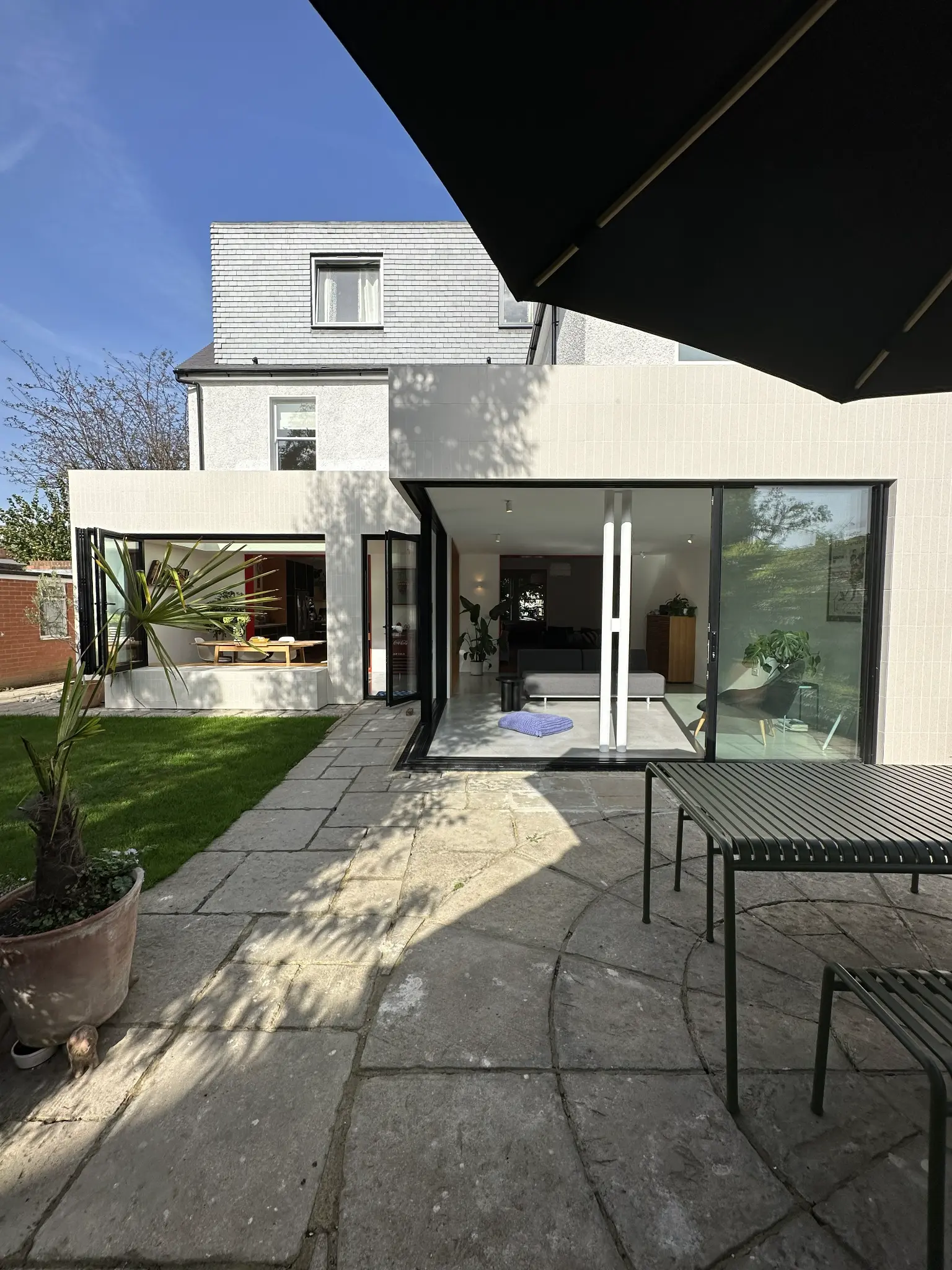
Contemporary architecture, in contrast, focuses on the present and future, often characterised by innovation, clean lines, and a minimalist approach. While it can be influenced by modernism, it is not strictly bound by historical periods. Key characteristics include:
- Simplicity and Clean Lines: A preference for unadorned surfaces, geometric shapes, and open-plan layouts.
- Materiality: A wider range of materials, including large expanses of glass, steel, concrete, render, and composite cladding.
- Functionality: Design driven by purpose and efficiency, often incorporating smart home technology and sustainable features.
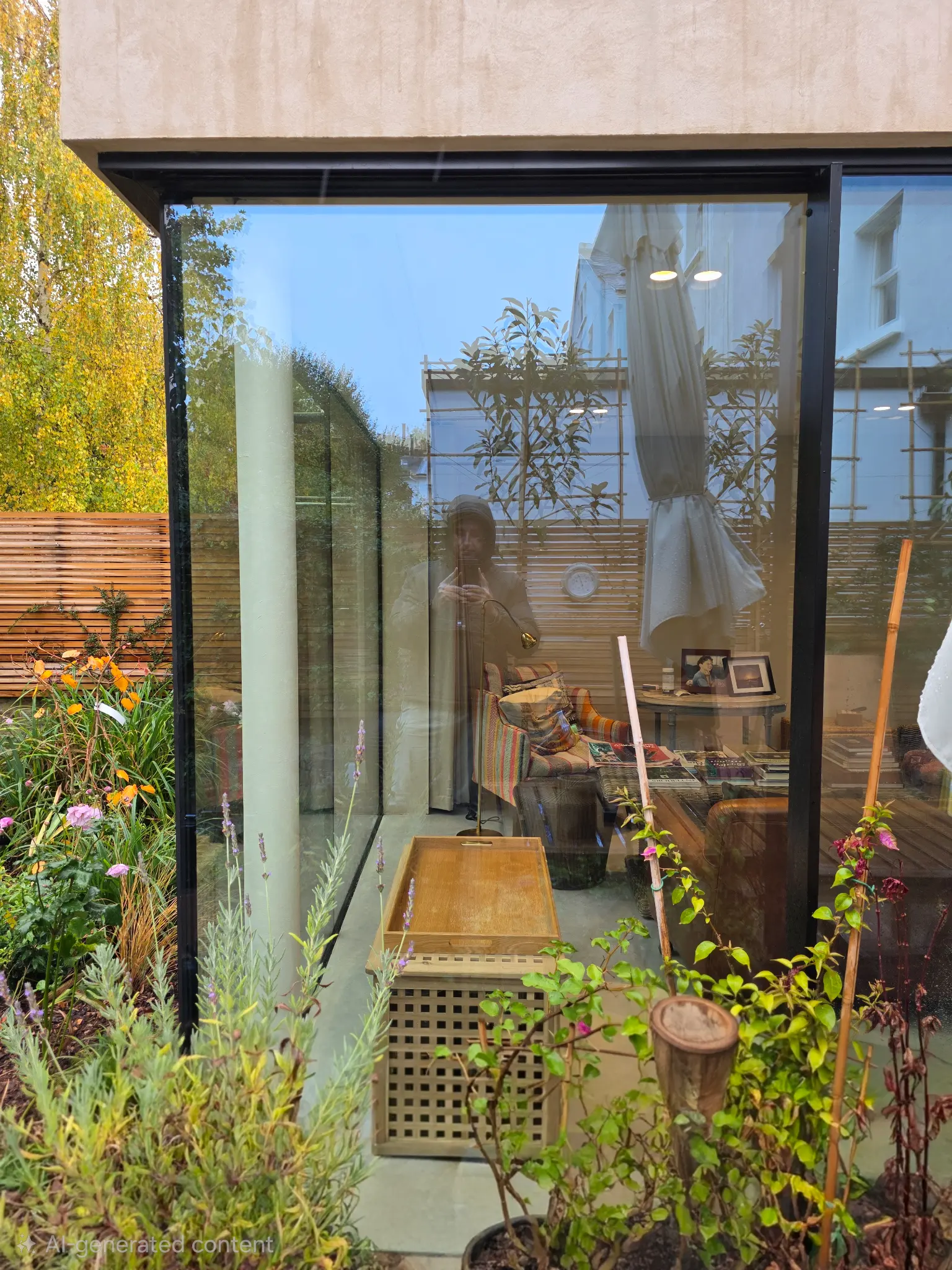
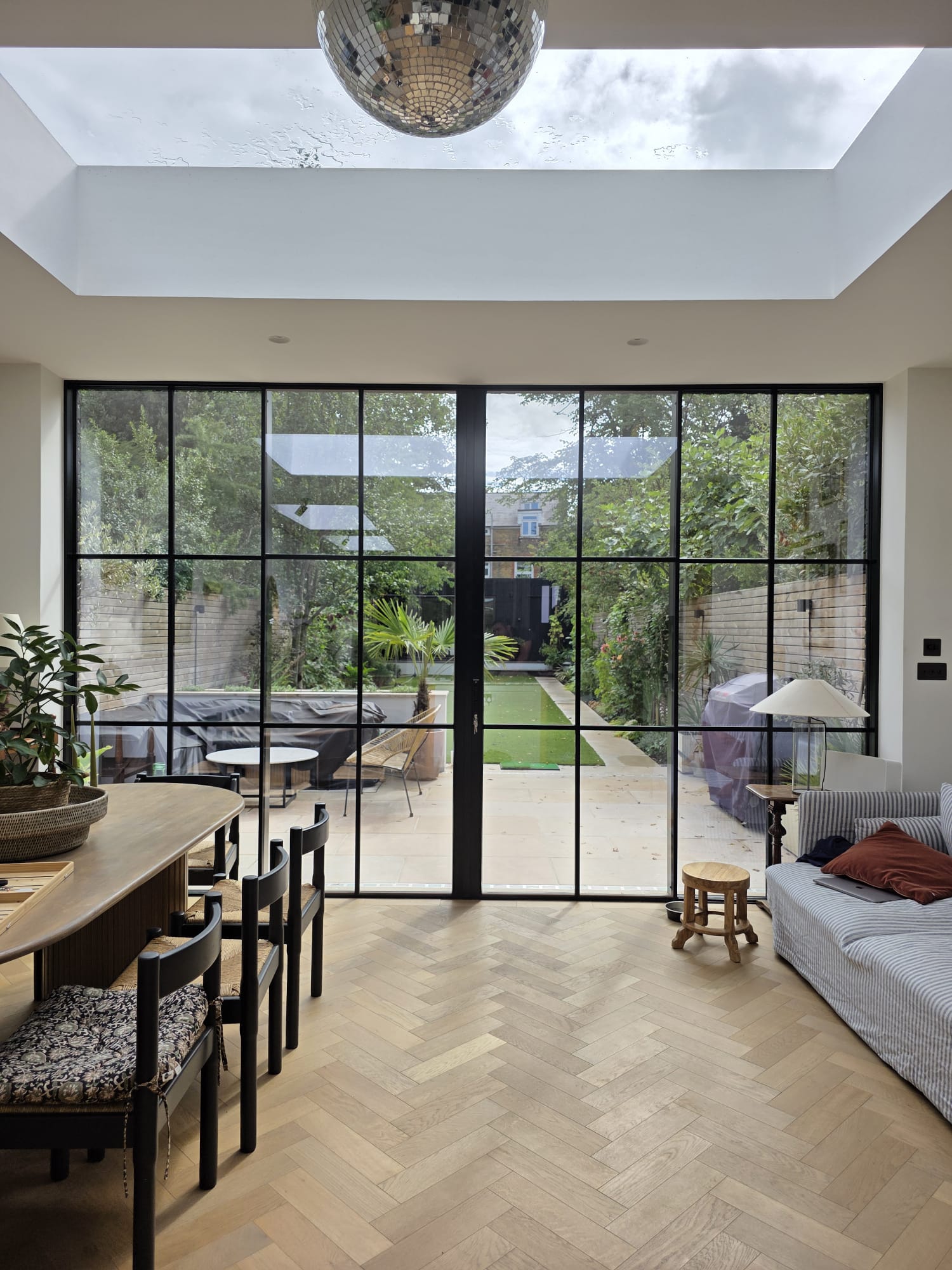
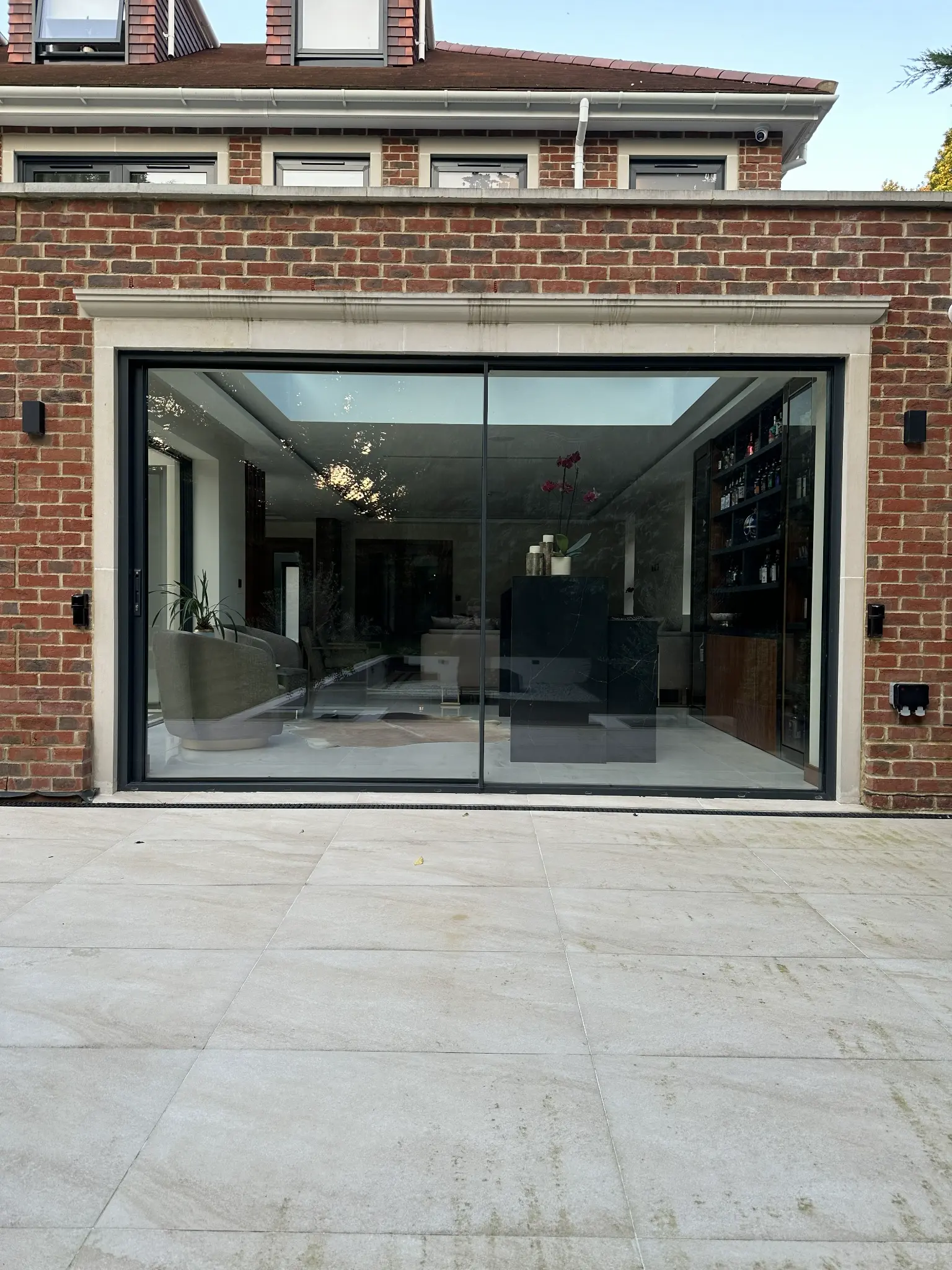
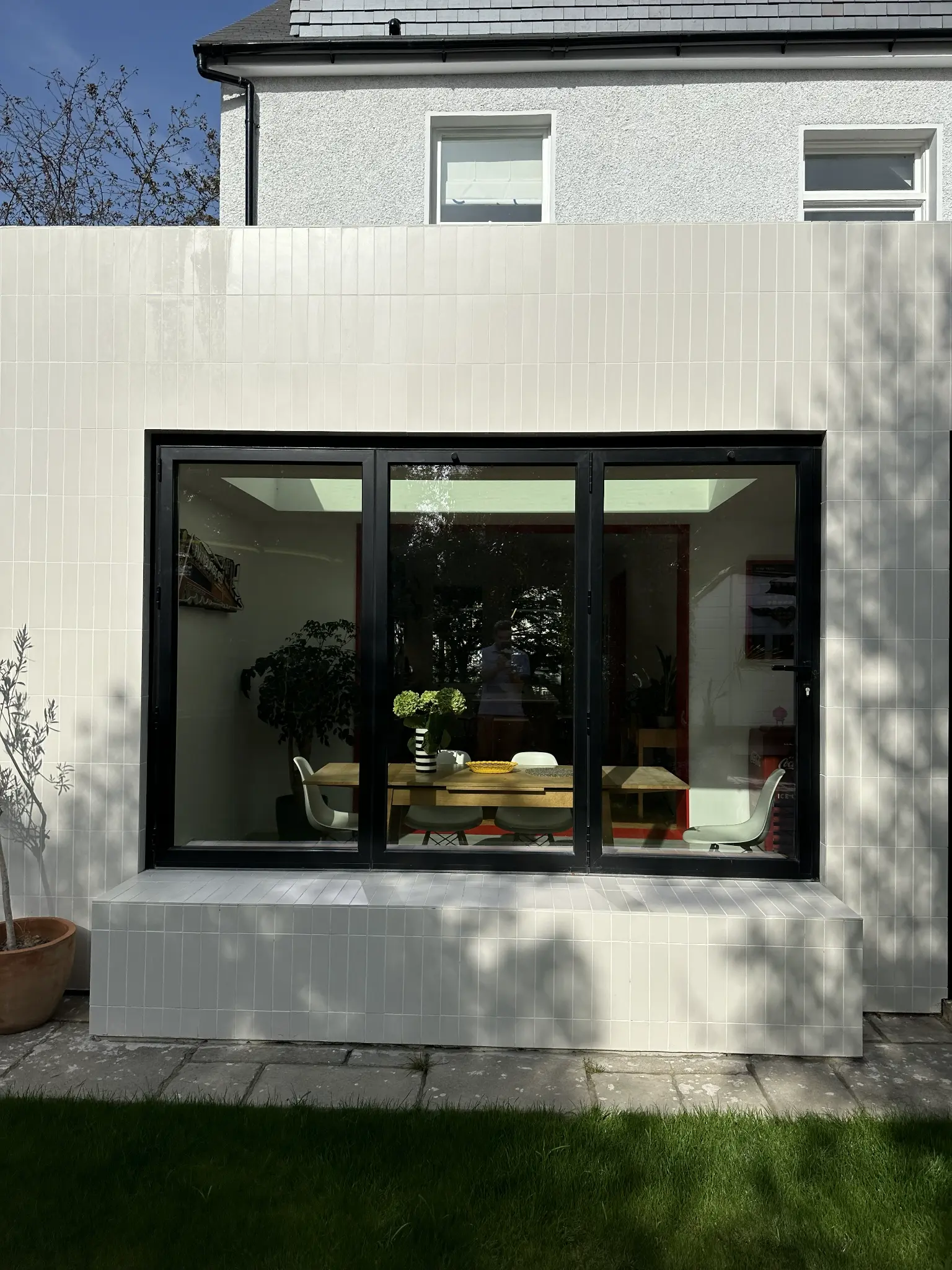
- Glazing: Large format glazing, frameless or slim-frame windows and doors, bi-fold doors, sliding doors, and curtain walling are common, maximising natural light and views.
Design Considerations and Material Choices
The choice between contemporary and traditional will profoundly influence the materials you select for your home's exterior and interior, particularly for glazing.
Traditional Material Palette
- Windows and Doors: Timber (e.g., oak, redwood) is the classic choice, offering excellent thermal properties when well-maintained, and a timeless aesthetic. uPVC (unplasticised polyvinyl chloride) is a popular, lower-maintenance alternative, often designed to mimic timber sash or casement windows. Aluminium is less common for purely traditional styles but can be used in a heritage-style finish.
- Glazing: Double glazing is standard, with options for slimline units to fit existing frames or maintain a period appearance. Decorative glazing bars (astragal or Georgian bars) are crucial for authenticity.
- Roofing: Natural slate, clay tiles, or even thatch for very specific traditional styles.
- Walls: Traditional brickwork, natural stone, or rendered finishes.
Contemporary Material Palette
- Windows and Doors: Aluminium is a dominant choice due to its strength, allowing for very slim frames and large glass panels. It's durable, low-maintenance, and available in a vast array of colours. Steel frames offer exceptional strength and slender sightlines, often chosen for industrial-chic or high-end contemporary designs. Timber-aluminium composites combine the warmth of timber internally with the durability of aluminium externally.
- Glazing: Large format double or triple glazing is standard, often featuring low-emissivity (low-e) coatings and argon gas infills for superior thermal performance. Minimalist frames, flush glazing, and structural glazing are common.
- Roofing: Flat roofs with membrane finishes, or low-pitch roofs with modern tiles or metal cladding.
- Walls: Render, composite cladding, large format brick, or extensive glazing.
Enhanced Natural Light
Contemporary designs often prioritise expansive glazing, flooding interiors with daylight and reducing reliance on artificial lighting.
Timeless Appeal
Traditional styles offer a classic, enduring aesthetic that often complements the existing architectural landscape of many UK towns and villages.
Energy Efficiency Potential
Both styles can achieve high energy efficiency, but contemporary designs often integrate advanced glazing and insulation more overtly.
Property Value
A well-executed design, whether contemporary or traditional, that is sympathetic to its surroundings can significantly enhance property value.
Energy Efficiency and Building Regulations
Regardless of style, all new builds, extensions, and significant renovations in the UK must comply with Part L of the Building Regulations, which governs the conservation of fuel and power. This is a critical consideration for glazing.
The current (2022 England) requirements for thermal performance are stringent:
- Windows/Doors (New Build): U-value of 1.2 W/m²K or better.
- Windows/Doors (Replacement): U-value of 1.4 W/m²K or better.
- Walls (New Build & Extensions): U-value of 0.18 W/m²K.
- Floors: U-value of 0.18 W/m²K.
- Roofs: U-value of 0.15 W/m²K.
Achieving these U-values requires high-performance glazing, typically double or triple glazed units with warm edge spacers and low-emissivity coatings. For large contemporary glazed areas, careful specification is essential to avoid overheating in summer while maintaining warmth in winter.
Pro Tip
When specifying glazing for either style, always request U-value certificates from your supplier. Ensure these values meet or exceed the current Building Regulations for your specific project type (new build, extension, or replacement). Don't just assume compliance; verify it.
Planning Permission and Conservation Areas
The choice between contemporary and traditional can have significant implications for planning permission, especially in certain locations.
- Permitted Development Rights: Minor alterations like replacing windows with similar types often fall under Permitted Development. However, significant changes to the external appearance, especially if moving from a traditional to a contemporary aesthetic, will almost certainly require full planning permission.
- Conservation Areas: If your property is in a Conservation Area, or is a Listed Building, the rules are much stricter. Local planning authorities typically demand that any alterations are 'in keeping' with the character of the area or the building's historical significance. This often means traditional materials and designs are mandated. Introducing a starkly contemporary extension or glazing system into a Conservation Area could face strong resistance from planners.
- Local Authority Design Guides: Many local councils have specific design guides or policies that outline preferred architectural styles and materials for different parts of their district. It is highly advisable to consult these documents and engage with your local planning department early in your project.
Failure to obtain the necessary planning permission could lead to enforcement action, requiring you to reverse the changes, which can be costly and stressful. Always consult with your local planning authority or an experienced architect/planning consultant.
Cost Implications and Long-Term Value
The initial outlay for contemporary versus traditional styles can vary significantly, often depending on the materials and complexity of the design.
Cost Factors
- Materials: High-performance aluminium or steel glazing for contemporary designs can be more expensive per square metre than standard uPVC or even some timber options. However, bespoke timber sash windows can also be a premium product.
- Fabrication and Installation: Large, complex contemporary glazing systems (e.g., structural glass, oversized sliding doors) require specialist fabrication and installation, which can increase costs.
- Maintenance: Traditional timber windows require regular painting and maintenance, which is a long-term cost. Modern aluminium or uPVC systems are generally lower maintenance.
- Thermal Performance: Achieving the required U-values for very large glazed areas, common in contemporary designs, might necessitate triple glazing or more advanced coatings, adding to the cost.
Long-Term Value
Both styles, when executed well and sympathetically to the property and its surroundings, can add significant value. A poorly designed or executed project, regardless of style, can detract from value.
- Contemporary: A well-designed contemporary extension or new build can command a premium, especially if it offers desirable features like open-plan living, abundant natural light, and high energy efficiency.
- Traditional: Restoring or extending a period property with authentic, high-quality traditional materials and craftsmanship preserves its character and often appeals to a broad market.
The key is quality, design integrity, and compliance with regulations. A reputable architect or designer can help ensure your chosen style enhances your property's value.
| Feature | Traditional Style | Contemporary Style |
|---|---|---|
| Aesthetic | Symmetrical, ornate, classic, period-specific | Asymmetrical, minimalist, clean lines, geometric |
| Glazing Type | Sash, casement, multi-pane (Georgian/astragal bars) | Large format, slim/frameless, bi-fold, sliding, curtain wall |
| Frame Materials | Timber, uPVC (replicating timber) | Aluminium, steel, timber-aluminium composite |
| Material Palette | Brick, stone, slate, natural timber | Glass, steel, concrete, render, composite cladding |
| Roof Type | Pitched, tiled/slated | Flat, low-pitch, membrane/metal cladding |
| Planning Impact | Often preferred in conservation areas, listed buildings | May require careful justification, especially in sensitive areas |
| Energy Efficiency | Achievable with modern double/slimline glazing | Easily achieved with high-performance large format glazing |
| Maintenance | Timber requires regular upkeep; uPVC is low maintenance | Generally low maintenance for aluminium/steel |
Making the Right Choice for Your UK Home
The decision between contemporary and traditional is deeply personal but should also be informed by practical and regulatory considerations. Here are some final thoughts:
- Context is Key: Consider the existing architecture of your home and the surrounding neighbourhood. A jarringly out-of-place style can detract from your property's appeal.
- Personal Preference: Ultimately, you need to live in and enjoy your home. Choose a style that resonates with your personal taste and lifestyle.
- Budget: Be realistic about the costs associated with your chosen materials and design complexity.
- Professional Advice: Engage with architects, planning consultants, and experienced glazing specialists early in the process. Their expertise can be invaluable in navigating design challenges, planning regulations, and material specifications.
- Future-Proofing: Think about long-term energy efficiency, maintenance, and how your chosen style will age.
Whether you lean towards the timeless elegance of traditional design or the sleek innovation of contemporary architecture, the UK market offers a vast array of high-quality glazing solutions to bring your vision to life. The key is to balance aesthetic aspirations with practical realities and regulatory compliance.
At Shard AG, we understand the intricacies of both contemporary and traditional glazing requirements for UK homes. Our expertise in high-performance glazing solutions, from bespoke timber sash windows to expansive aluminium bi-folds, ensures that your project not only looks stunning but also meets the highest standards of energy efficiency and durability. We work closely with homeowners, architects, and builders to specify and supply glazing that perfectly complements your chosen architectural style, always with an eye on UK Building Regulations and design integrity. Contact us to discuss your project and discover how we can help you achieve your dream home.