

Contemporary vs. Traditional Home Design: A UK Guide
Explore the nuances of contemporary and traditional architectural styles for UK homes. Understand design principles, materials, and Building Regulations.

Shard Architectural Glazing
30 March 2026
Explore the nuances of contemporary and traditional architectural styles for UK homes. Understand design principles, materials, and Building Regulations.
📋In This Article
When embarking on a home improvement project, particularly an extension or renovation involving significant glazing, one of the first and most fundamental decisions you'll face is the architectural style. Should you embrace the sleek lines of contemporary design or honour the timeless elegance of traditional aesthetics? This choice profoundly impacts not only the visual appeal of your home but also its functionality, material selection, and compliance with local planning and Building Regulations.
In the UK, homeowners often grapple with integrating new additions seamlessly into existing properties, especially those with historical character. This guide will delve into the core characteristics, advantages, and considerations for both contemporary and traditional styles, helping you make an informed decision that enhances your home's value and meets your lifestyle needs.
Understanding Contemporary Design Principles
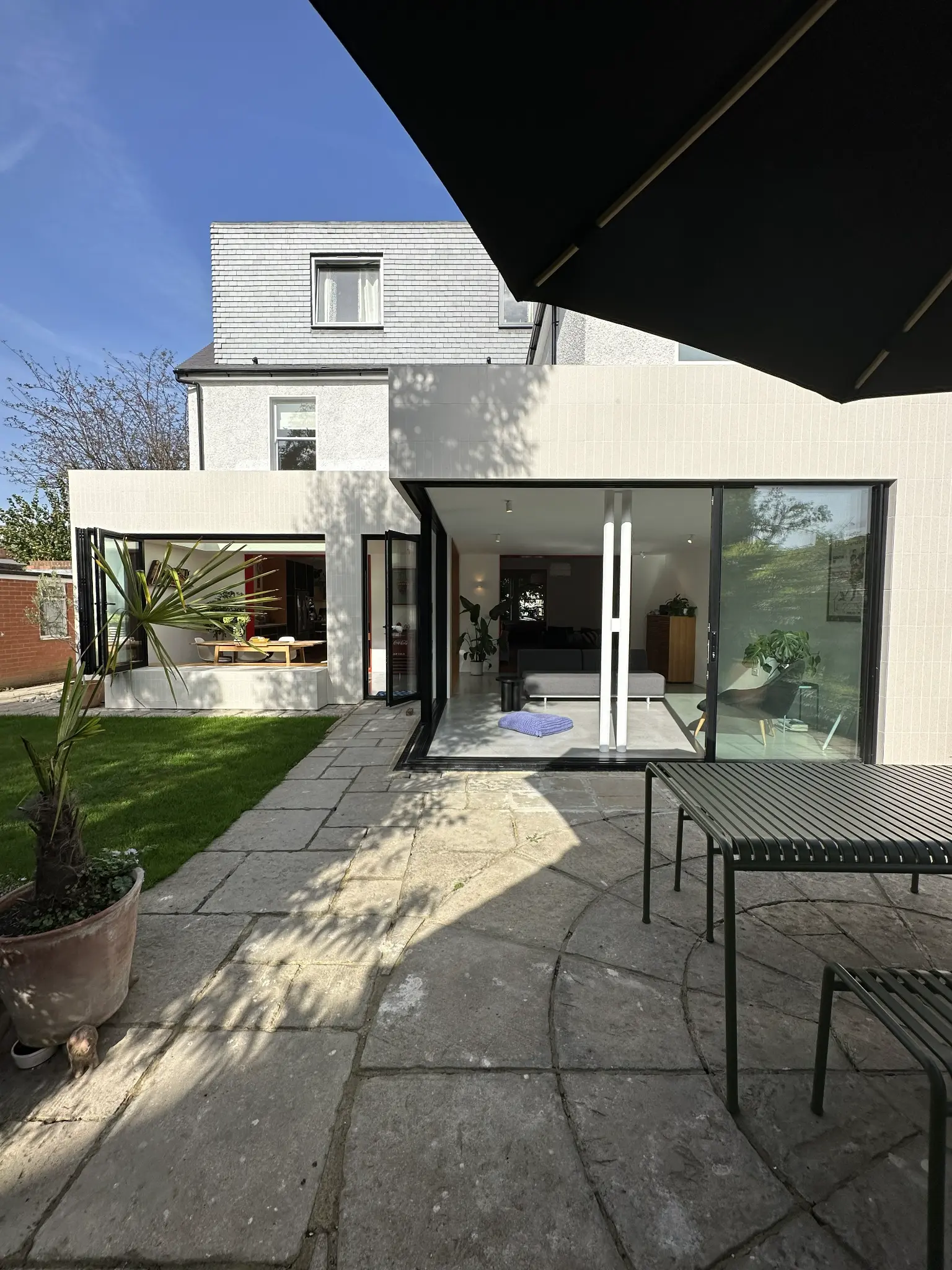
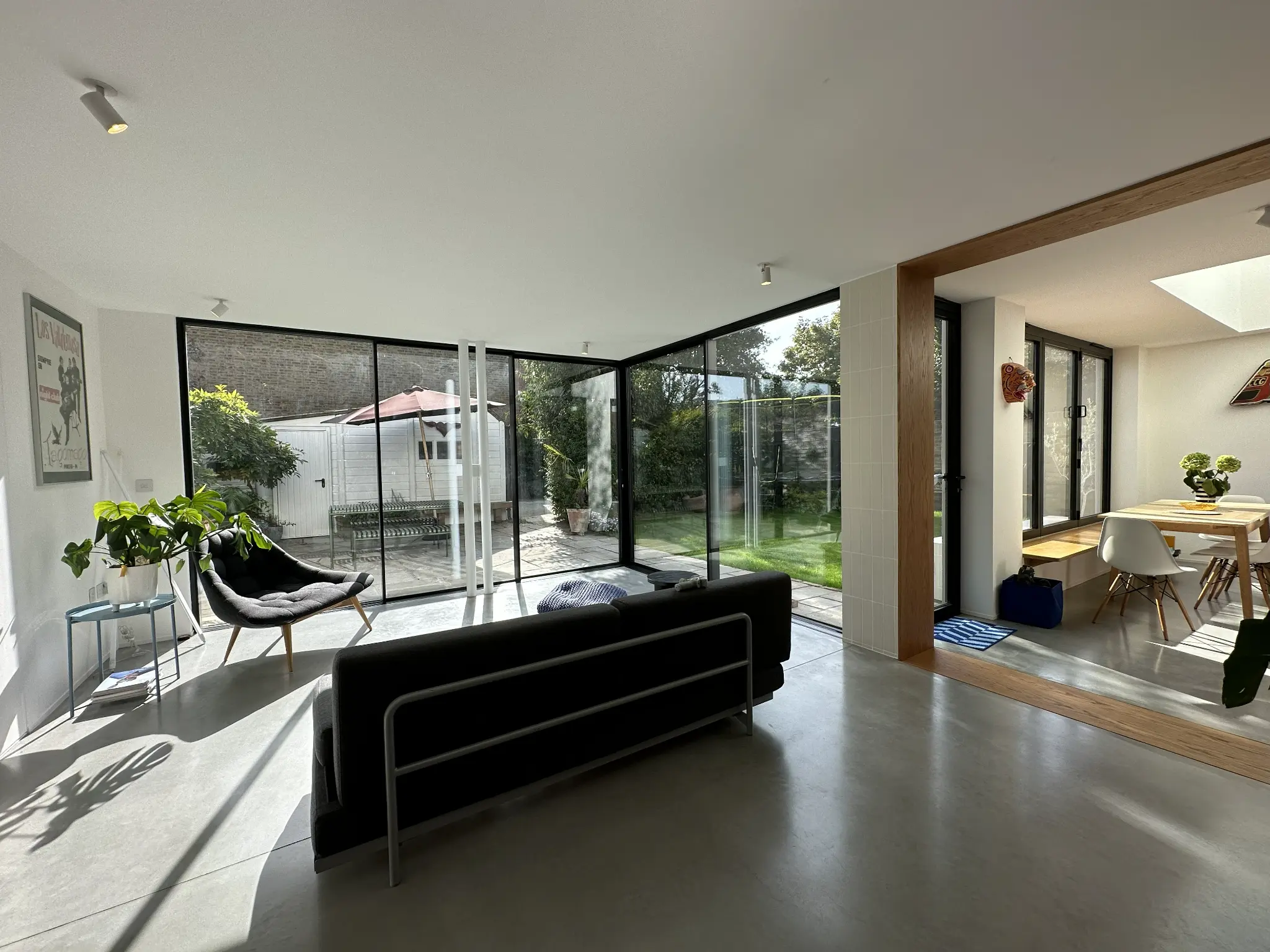
Contemporary design, often confused with modernism, refers to the styles prevalent in the 'here and now'. While it draws heavily from modernist principles, it is more fluid and less dogmatic, evolving with new materials and technologies. For UK homes, contemporary design typically signifies a departure from ornate historical detailing, favouring clean lines, open-plan layouts, and an abundance of natural light.
Key Characteristics of Contemporary Design:
- Minimalism: A 'less is more' approach, focusing on uncluttered spaces and functional elements.
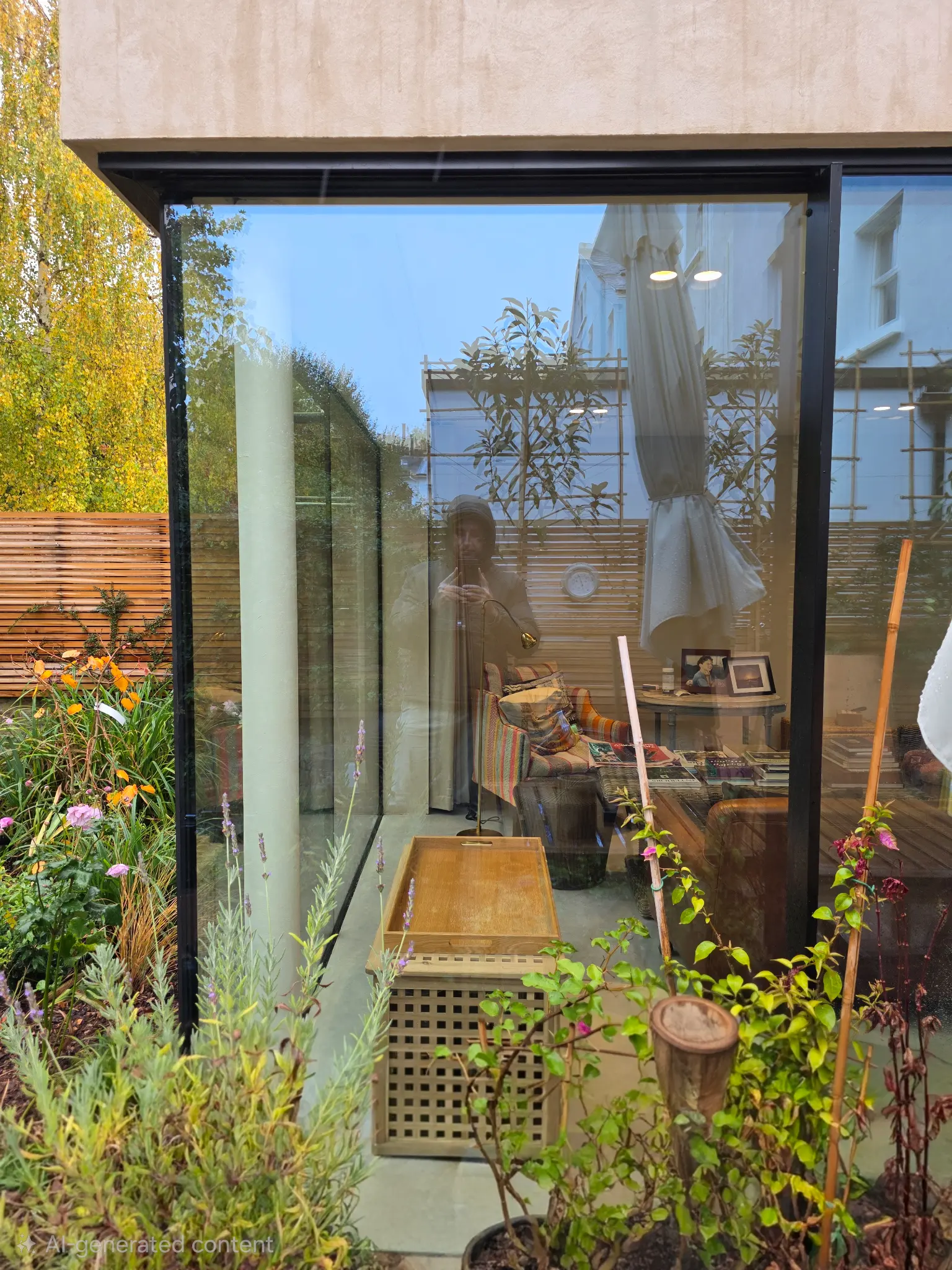
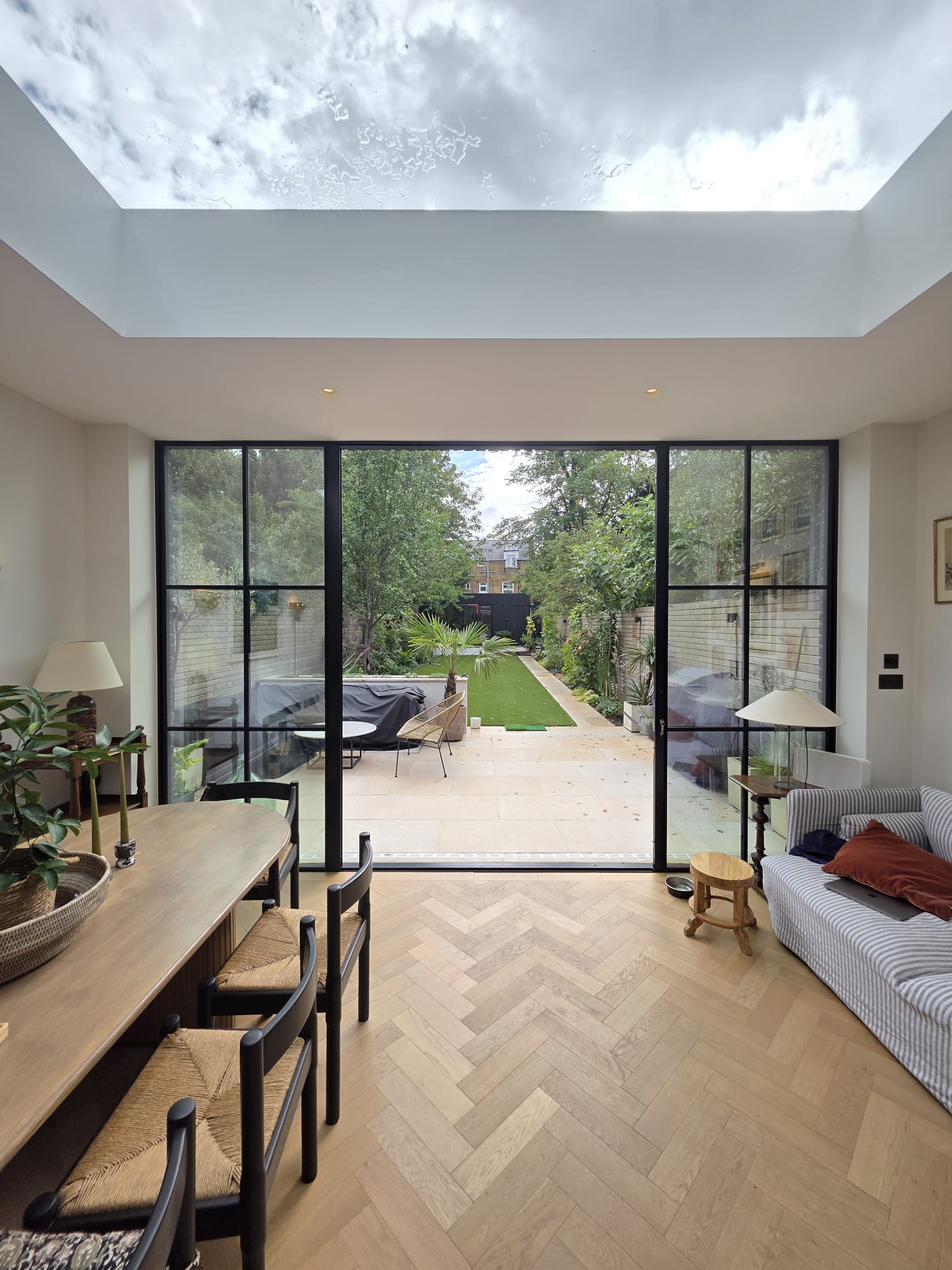
- Large Glazing Areas: Extensive use of glass, including large bifold doors, sliding doors, floor-to-ceiling windows, and rooflights, to maximise natural light and blur the lines between indoor and outdoor spaces.
- Geometric Forms: Strong, often rectilinear shapes and bold architectural statements.
- Materiality: An emphasis on natural materials like timber, stone, and concrete, often left exposed, alongside modern materials such as steel, aluminium, and composite panels.
- Open-Plan Living: Spaces designed for fluidity and connectivity, often combining kitchen, dining, and living areas.
- Flat or Low-Pitch Roofs: Common in contemporary extensions, providing a clean aesthetic and often allowing for roof terraces or green roofs.
Advantages: Contemporary designs can dramatically enhance natural light, create a sense of spaciousness, and offer excellent thermal performance when specified correctly. They allow for flexible living arrangements and can significantly update the aesthetic of an older property.
Considerations: Integrating a contemporary extension with a traditional home requires careful design to ensure harmony. Planning permission can be more challenging in conservation areas or for listed buildings. Large glass areas, while beautiful, demand high-performance glazing to prevent overheating in summer and excessive heat loss in winter.
Pro Tip
When planning a contemporary extension with extensive glazing, always specify high-performance double or triple glazing with low-emissivity (low-e) coatings and inert gas infills (e.g., argon). For south-facing elevations, consider solar control glass to mitigate overheating, while ensuring a U-value that meets or exceeds current UK Building Regulations Part L requirements of 1.2 W/m²K for new build and 1.4 W/m²K for replacement windows/doors.
Embracing Traditional Aesthetics
Traditional design in the UK encompasses a broad spectrum of styles, from Victorian and Edwardian to Georgian and Arts & Crafts, all sharing a common respect for historical architectural principles. These styles often feature intricate detailing, symmetrical layouts, and materials that reflect local vernacular traditions.
Key Characteristics of Traditional Design:
- Symmetry and Proportion: A balanced and harmonious appearance, often with centrally placed doors and evenly spaced windows.
- Period Features: Decorative elements such as cornices, architraves, sash windows, bay windows, and intricate brickwork or stone detailing.
- Defined Rooms: Often features a more cellular layout with distinct rooms for different functions, though modern traditional homes may incorporate some open-plan elements.
- Materiality: Use of historically appropriate materials like natural stone, brick, slate, timber, and render, often chosen to match the existing property and local context.
- Pitched Roofs: Traditional extensions almost invariably feature pitched roofs, often with tiles or slates matching the main house, sometimes incorporating dormer windows.
- Smaller, Segmented Glazing: Windows are typically smaller, often featuring multiple panes (e.g., Georgian bars, leaded lights) rather than large, uninterrupted expanses of glass.
Advantages: Traditional designs blend seamlessly with existing period properties, preserving architectural integrity and often enhancing curb appeal. They can feel cosy and characterful, and are generally well-received by planning authorities in sensitive areas.
Considerations: Achieving modern thermal performance with traditional aesthetics can be a challenge, particularly with features like sash windows, though modern manufacturing techniques have made significant strides. Traditional extensions can sometimes feel darker if not carefully designed to maximise light through appropriately sized and placed windows. Material matching can be costly, especially for reclaimed or bespoke items.
Planning Regulations and Building Control in the UK
Regardless of your chosen style, any significant extension or alteration to your home in the UK will likely require adherence to Planning Regulations and Building Control.
Planning Permission:
This focuses on the external appearance and impact of your project on the local environment. Factors considered include:
- Scale and Massing: How large the extension is relative to the existing house and neighbouring properties.
- Design and Appearance: Whether the proposed design is sympathetic to the existing building and the character of the area.
- Materials: The suitability of chosen materials, especially in conservation areas or for listed buildings where specific materials may be mandated.
- Impact on Neighbours: Overlooking, loss of light, and privacy concerns.
For contemporary designs on traditional homes, planning officers often look for a clear distinction between old and new, or a sensitive blend. A 'subservient' contemporary extension (smaller and set back) is often more favourably viewed than one that dominates the original structure. For traditional extensions, the emphasis is on matching existing features and materials.
Building Regulations (England 2022):
These focus on the structural integrity, health, safety, and energy efficiency of the building. Key areas relevant to extensions and glazing include:
- Part A (Structure): Ensuring the extension is structurally sound.
- Part B (Fire Safety): Requirements for escape routes, fire resistance, and materials.
- Part C (Site Preparation and Resistance to Contaminants and Moisture): Damp proofing, ventilation.
- Part F (Ventilation): Adequate ventilation to prevent condensation and ensure good air quality.
- Part K (Protection from Falling, Collision and Impact): Safety glazing requirements, balustrades.
- Part L (Conservation of Fuel and Power): This is particularly critical for glazing. The current 2022 standards for England require:
- Walls (new build & extensions): 0.18 W/m²K
- Floors: 0.18 W/m²K
- Roofs: 0.15 W/m²K
- Windows/Doors (new build): 1.2 W/m²K
- Windows/Doors (replacement): 1.4 W/m²K
It is crucial that all elements of your extension, especially glazing, meet or exceed these U-value requirements to ensure energy efficiency. Failure to comply with Building Regulations could affect the legality of your extension and its future sale. Always consult with your local Building Control body or an approved inspector early in your project.
Material and Glazing Choices
The materials you choose for your extension and glazing are pivotal in defining its style and performance.
Contemporary Material Palette:
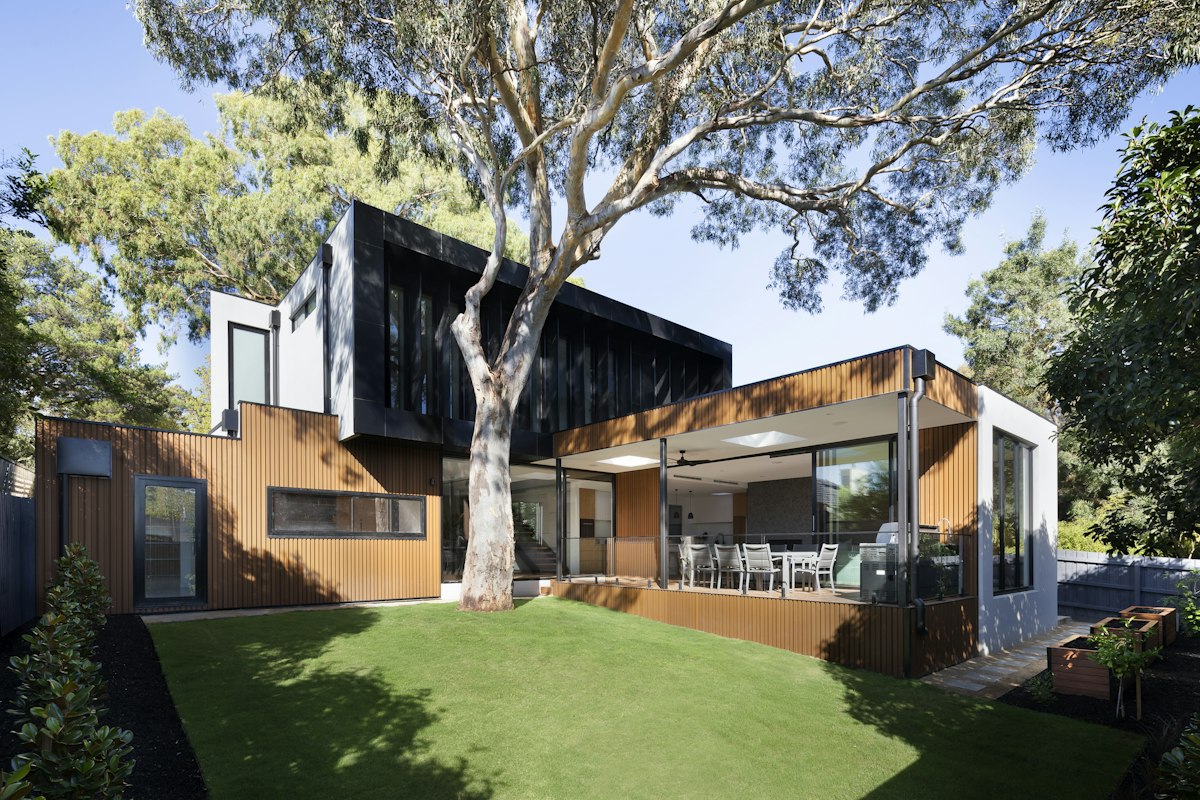
- Aluminium: Popular for windows, bifold, and sliding doors due to its strength, slim frames, durability, and low maintenance. Available in a wide range of RAL colours.
- Steel: Used for very slim-framed systems, often for a more industrial or heritage-contemporary look.
- Render: Smooth, often light-coloured render for a clean, modern finish.
- Timber Cladding: Natural timber, often charred (Shou Sugi Ban) or stained, for warmth and texture.
- Large Format Tiles/Panels: For external cladding, offering a sleek, minimalist appearance.
Traditional Material Palette:
- Timber: Sash windows, casement windows, and doors are often made from painted or stained timber (e.g., Accoya, oak) for authenticity.
- uPVC: A cost-effective option for traditional-style windows and doors, available in various colours and woodgrain finishes, often with Georgian bar inserts.
- Brick/Stone: Chosen to match the existing property, often requiring careful sourcing for colour and texture.
- Slate/Tiles: For pitched roofs, matching the original roof covering.
When it comes to glazing, advancements mean that both contemporary and traditional styles can achieve excellent thermal performance. Modern timber sash windows, for example, can now incorporate double glazing and advanced draught-proofing to meet current U-value standards, while aluminium systems offer exceptional thermal breaks to prevent heat transfer.
Comparison: Contemporary vs. Traditional Glazing
Here's a quick comparison of typical glazing characteristics for each style:
| Feature | Contemporary Glazing | Traditional Glazing |
|---|---|---|
| Frame Material | Aluminium, Steel, Frameless Glass | Timber, uPVC, Composite |
| Frame Profile | Slim, minimalist, often concealed | Thicker, often sculpted or detailed |
| Glass Area | Maximized; floor-to-ceiling, large panes | Smaller, often segmented (e.g., Georgian bars, leaded lights) |
| Typical Products | Bifold doors, sliding doors, fixed panes, rooflights, structural glass | Sash windows, casement windows, French doors, bay windows |
| Aesthetics | Clean lines, open views, seamless indoor/outdoor flow | Period authenticity, charm, visual texture |
| U-Value Potential | Excellent (often 1.2 W/m²K or better) | Good (modern versions can achieve 1.4 W/m²K or better) |
| Maintenance | Low (aluminium, uPVC) | Moderate (timber requires periodic painting/staining) |
Making the Right Choice for Your Home
The decision between contemporary and traditional styles is deeply personal and depends on several factors:
Existing Architecture
Does your home lend itself to a particular style? A Victorian terrace might benefit from a sensitive traditional extension, or a bold, contrasting contemporary addition.
Local Context
What do neighbouring properties look like? Is your home in a conservation area or listed? This will heavily influence planning decisions.
Your Lifestyle
Do you crave open-plan living and abundant light, or prefer distinct, cosy spaces? Your daily habits should inform the design.
Budget
While both styles can be expensive, bespoke traditional features or very large structural glass installations can push costs up.
Many homeowners opt for a 'hybrid' approach, particularly with extensions. This might involve a contemporary extension that uses traditional materials, or a traditional-style home with modern, thermally efficient glazing that mimics period aesthetics. The key is to create a cohesive design that feels right for your property and your personal taste.
Ultimately, the choice between contemporary and traditional design is about balancing aesthetics, functionality, budget, and regulatory compliance. By understanding the characteristics and implications of each style, you can work effectively with your architect and glazing specialist to create a home that is both beautiful and perfectly suited to your needs.
At Shard AG, we understand the complexities of architectural glazing for both contemporary and traditional homes. Our expertise in high-performance glazing systems, from minimalist aluminium bifold doors to authentic timber sash windows, ensures that your project meets the highest standards of design, energy efficiency, and UK Building Regulations compliance. We pride ourselves on providing tailored solutions that enhance your home's aesthetic and thermal performance, guiding you through material selection and design considerations to achieve your vision.
Explore Our Products
Discover how Shard Architectural Glazing can transform your home with our premium glazing solutions:
Ready to Transform Your Home?
Get in touch with our expert team for a free consultation and personalised quote. We'll help you choose the perfect glazing solution for your property.