
Creating Seamless Indoor-Outdoor Living in Your UK Home
Discover how to design and build stunning indoor-outdoor living spaces in the UK, covering design principles, glazing options, Building Regulations, and practical tips.

Shard Architectural Glazing
4 April 2026
Discover how to design and build stunning indoor-outdoor living spaces in the UK, covering design principles, glazing options, Building Regulations, and practical tips.
📋In This Article
The desire to blur the lines between our homes and gardens has never been stronger. Indoor-outdoor living spaces, once considered a luxury, are now a highly sought-after feature in UK homes. They offer a unique blend of comfort, natural light, and connection to the outdoors, transforming how we live, entertain, and relax. This comprehensive guide will delve into the principles, practicalities, and regulations involved in creating these transformative spaces.
What is Indoor-Outdoor Living?
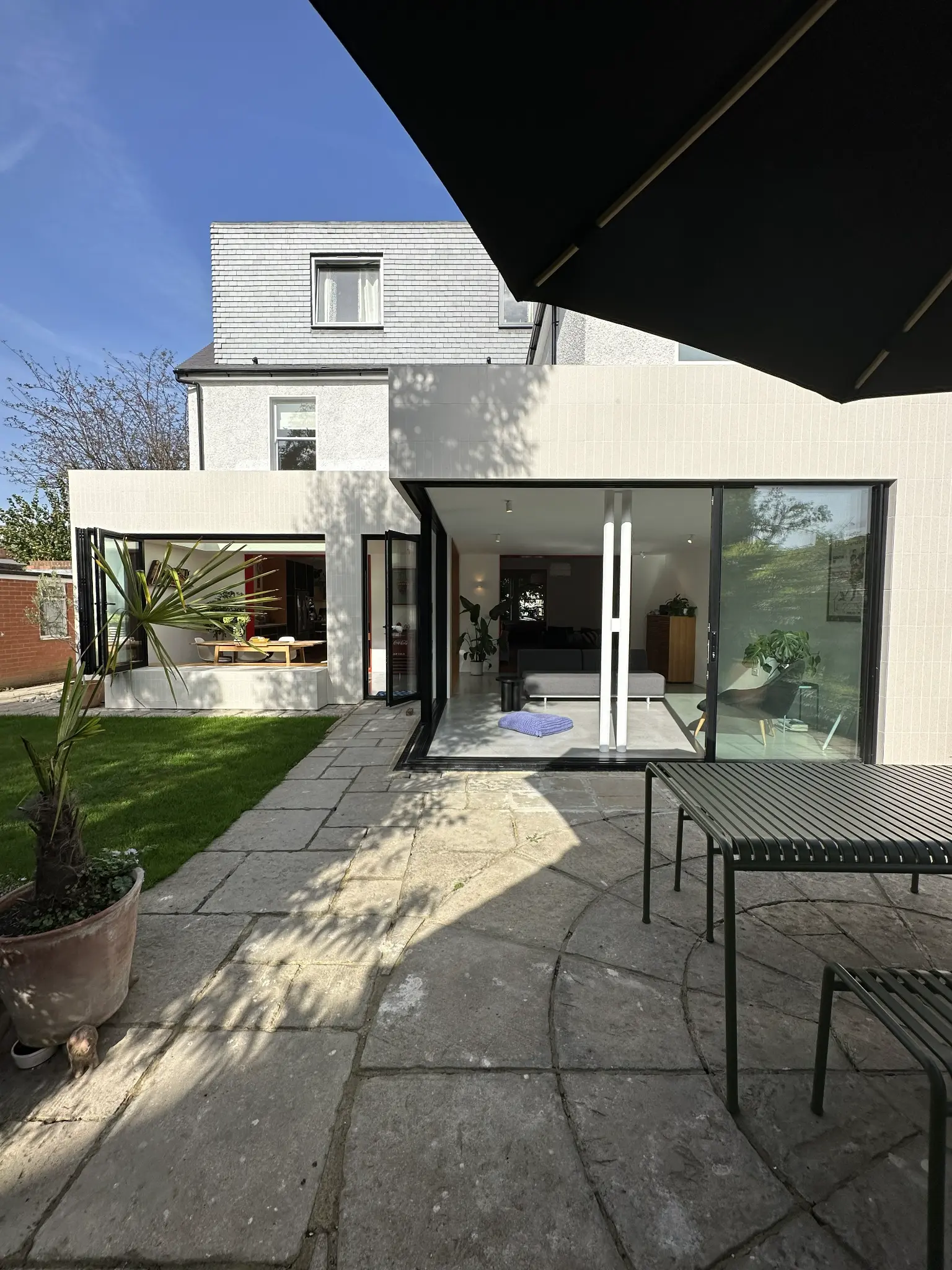
At its core, indoor-outdoor living is about creating a fluid transition between the interior and exterior of your home. It's not just about opening a door; it's about designing spaces that feel like a natural extension of one another, regardless of whether the doors are open or closed. This concept maximises natural light, ventilation, and views, enhancing well-being and making your home feel more spacious and connected to its surroundings.
Key Characteristics:
- Seamless Transitions: Minimal barriers between inside and out, often achieved with large glazing systems and flush thresholds.
- Shared Aesthetics: Cohesive design elements, materials, and colour palettes that flow from one space to the other.
- Flexible Spaces: Areas that can be easily adapted for different uses, from cosy indoor retreats to open-plan entertaining zones.
- Natural Light & Ventilation: Maximising daylight penetration and allowing for natural airflow.
- Connection to Nature: Bringing views of the garden, sky, and natural elements into the home.
Enhanced Lifestyle
Enjoy greater flexibility for entertaining, relaxation, and family activities, bridging the gap between your home and garden.
Increased Natural Light
Flood your interiors with daylight, reducing reliance on artificial lighting and creating brighter, more inviting spaces.
Improved Well-being
A stronger connection to nature and fresh air can boost mood, reduce stress, and enhance overall quality of life.
Added Property Value
Well-designed indoor-outdoor spaces are highly desirable features that can significantly increase your home's market appeal and value.
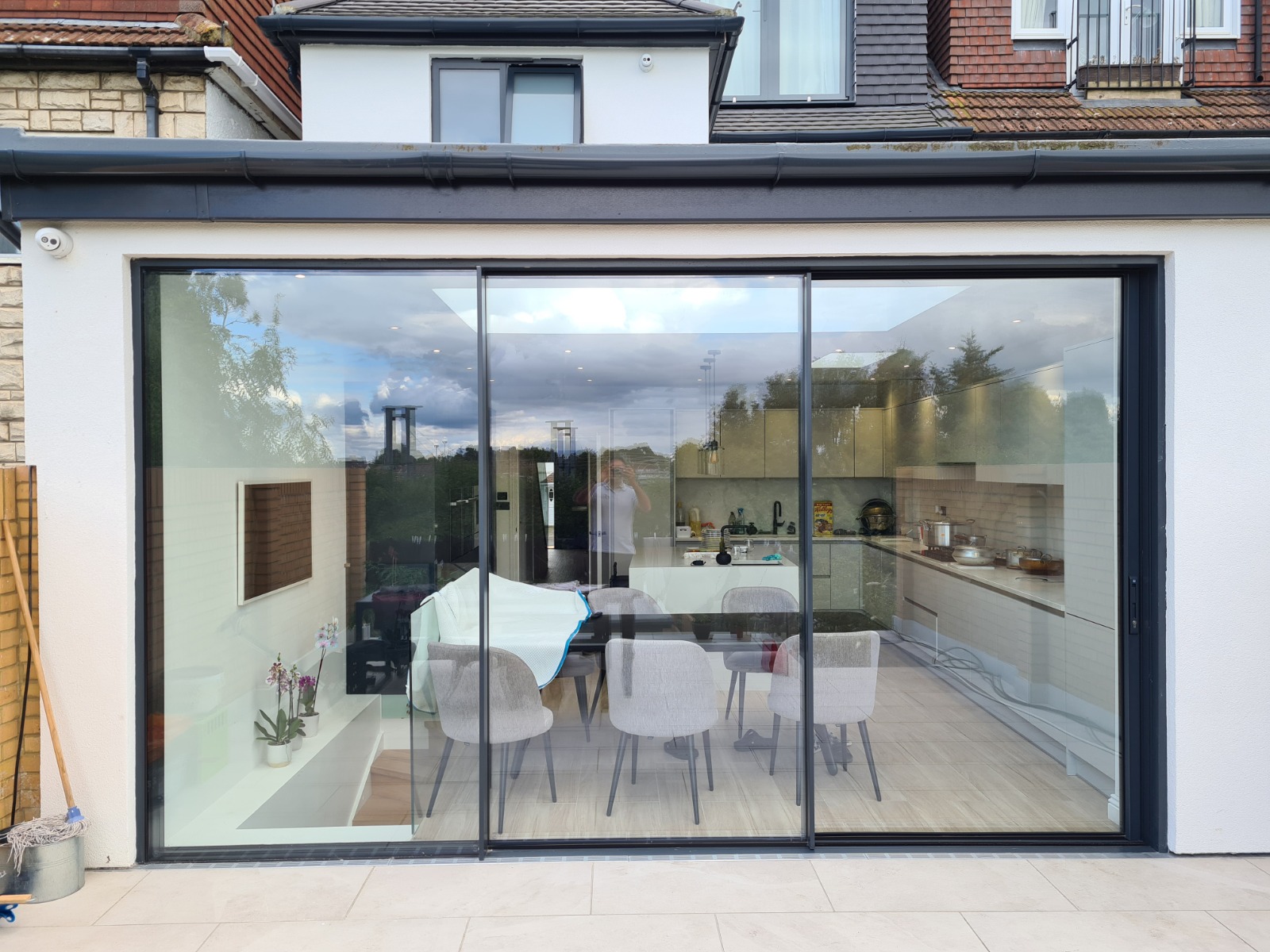
Designing Your Seamless Space: Key Considerations
Achieving a truly seamless indoor-outdoor experience requires careful planning and attention to detail. Here are the critical elements to consider:
1. Glazing Solutions: The Heart of the Transition
The choice of glazing is paramount. Large expanses of glass are essential for maximising views and light. Modern glazing technologies offer excellent thermal performance, crucial for UK climates.
- Bifold Doors: These fold back concertina-style to create a wide, unobstructed opening. They are highly versatile and can open up an entire wall.
- Sliding Doors (e.g., Lift & Slide, Patio Doors): Offer large glass panels that slide past each other, providing expansive views even when closed. They require less space than bifolds when open, as panels stack rather than fold outwards/inwards.
- French Doors: A classic choice for smaller openings, providing a traditional aesthetic and good ventilation. Less suitable for truly 'seamless' large openings.
- Picture Windows: Fixed, large windows that frame a view, often used in conjunction with opening doors to extend the glazed area.
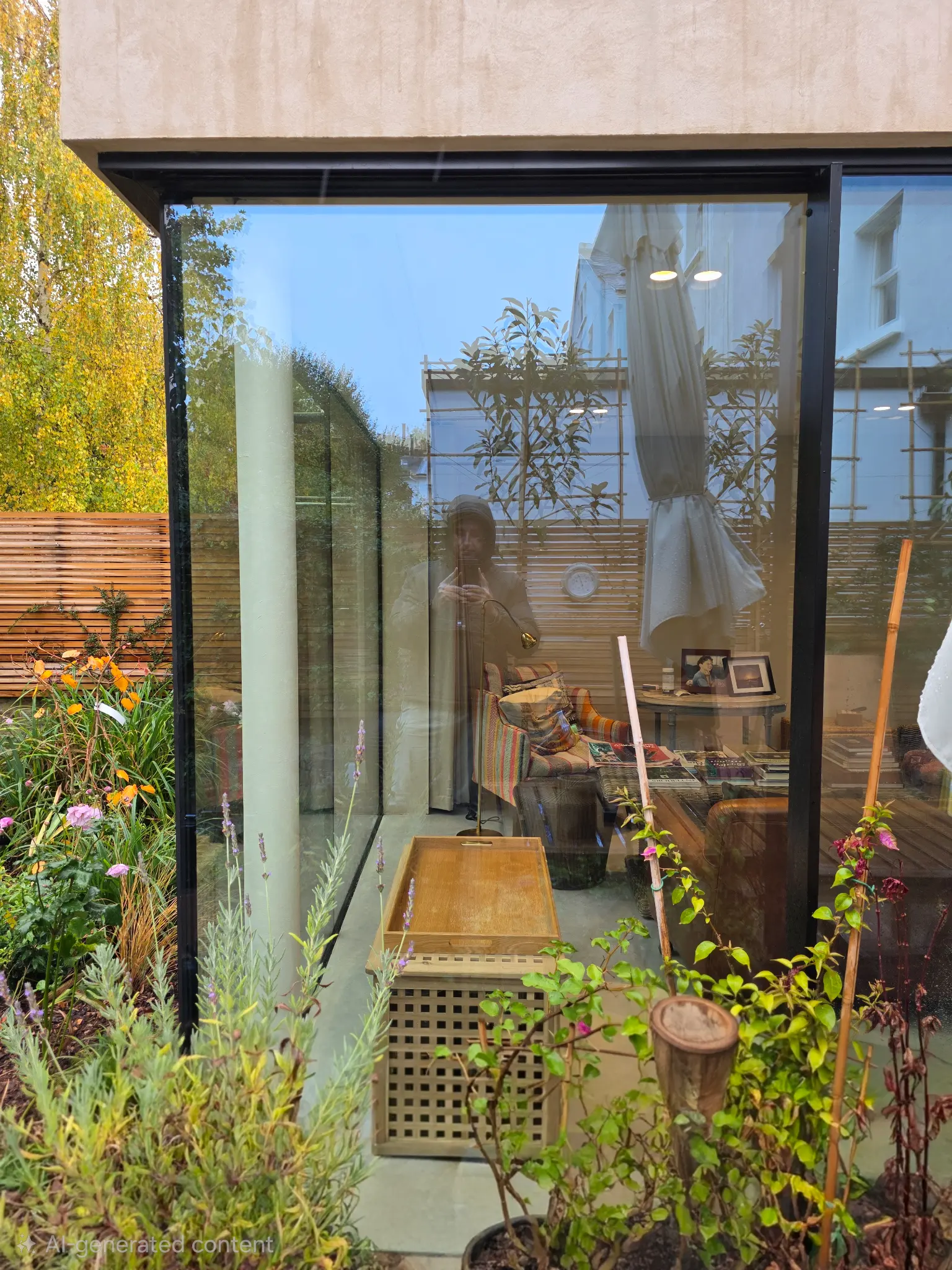
- Glazed Walls & Curtain Walling: For ambitious projects, these can create entire walls of glass, offering dramatic visual impact.
Pro Tip
Always specify glazing with a low U-value. For new build extensions, windows and doors typically need to achieve a U-value of 1.2 W/m²K or better. For replacement glazing, 1.4 W/m²K is the standard. This ensures energy efficiency and compliance with UK Building Regulations Part L.
2. Thresholds: Eliminating Barriers
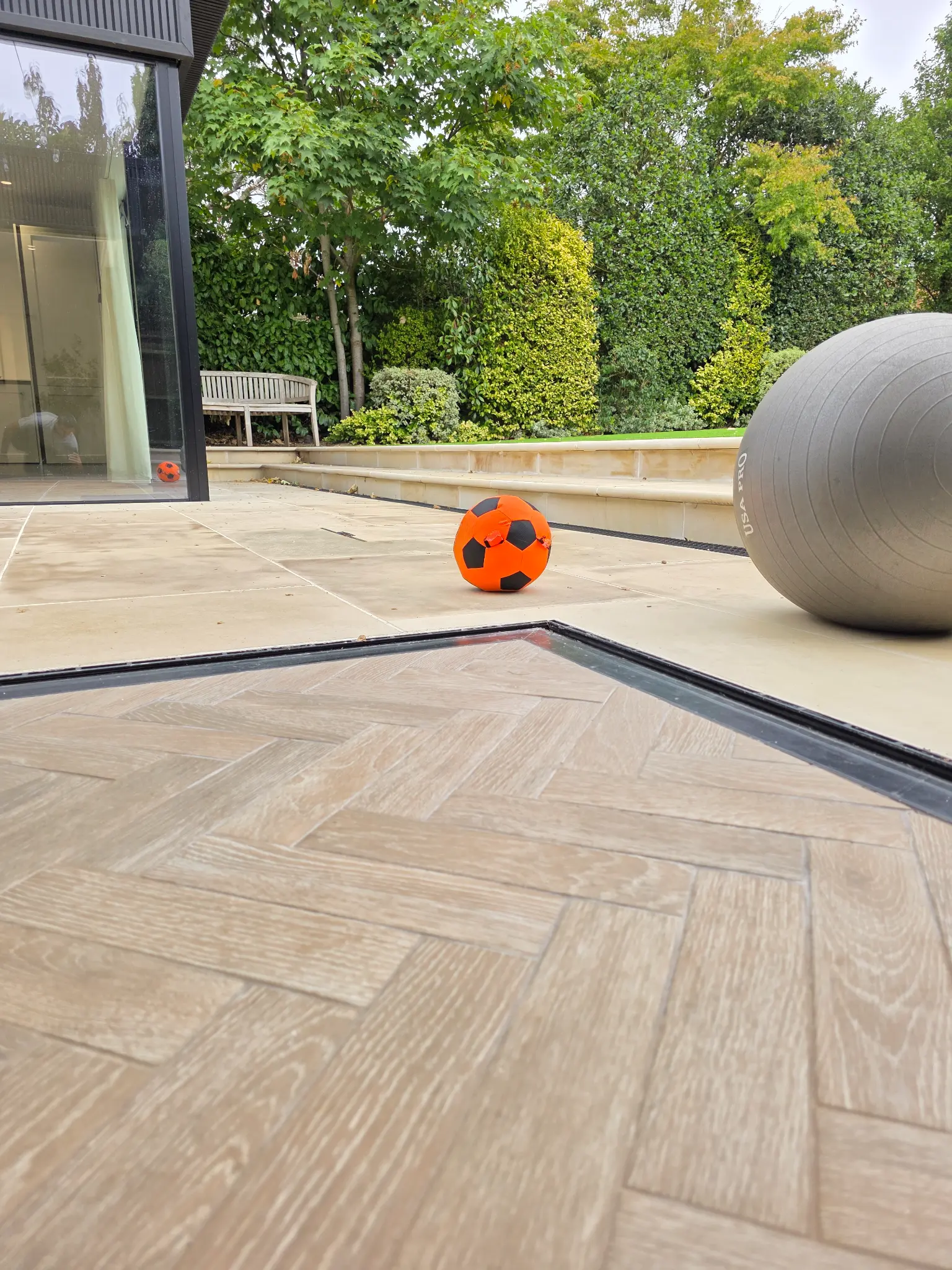
A flush threshold is key to a seamless transition, preventing trips and allowing for easy movement between spaces. This means the internal floor level is the same as the external patio or decking level.
- Drainage: Achieving a flush threshold requires careful consideration of drainage. A linear drainage channel (often called a 'slot drain' or 'gully') must be installed immediately outside the doors to prevent water ingress into the property. This is a critical detail for Building Control approval and long-term performance.
- Weatherproofing: Ensure the chosen door system is designed for flush thresholds and offers robust weather sealing to protect against rain and wind.
3. Flooring & Materials: Visual Continuity
Using the same or highly similar flooring materials both inside and out creates a strong visual link. Options include:
- Porcelain Tiles: Durable, slip-resistant, and available in a vast range of styles, often with matching indoor and outdoor versions.
- Natural Stone: Limestone, slate, or travertine can look stunning, but require careful sealing and maintenance, especially outdoors.
- Decking: Timber or composite decking can extend from an internal timber floor, though care must be taken with different weather exposures.
Beyond flooring, consider repeating colours, textures, and even furniture styles to reinforce the connection.
4. Lighting: Extending the Ambiance
Thoughtful lighting design can extend the usability of your outdoor space into the evening. Integrate recessed spotlights, uplighters, and feature lighting in both areas, controlled independently or together, to create a cohesive atmosphere.
5. Heating & Cooling: Comfort in All Seasons
Large glazed areas can lead to heat loss in winter and overheating in summer. Consider:
- Underfloor Heating: Provides efficient, even heat without radiators obstructing views.
- High-Performance Glazing: Double or triple glazing with low-emissivity (low-e) coatings and argon gas fills minimises heat transfer.
- Solar Control Glass: Reduces solar gain in summer, preventing overheating.
- Shading Solutions: External blinds, awnings, or even strategically planted trees can offer shade and privacy.
UK Building Regulations and Planning Permission
Any significant alteration or extension to your home, especially those involving large glazed areas, will likely fall under UK Building Regulations and may require planning permission.
Building Regulations (England & Wales):
The primary concern for indoor-outdoor spaces is compliance with Part L (Conservation of Fuel and Power) and Part K (Protection from Falling, Collision and Impact).
- Part L (2022 Standards): This is critical for energy efficiency.
- Walls (new build & extensions): U-value of 0.18 W/m²K
- Floors (new build & extensions): U-value of 0.18 W/m²K
- Roofs (new build & extensions): U-value of 0.15 W/m²K
- Windows/Doors (new build): U-value of 1.2 W/m²K
- Windows/Doors (replacement): U-value of 1.4 W/m²K
- Part K: Addresses safety, including the need for safety glass in critical locations (e.g., full-height glazing) and guarding for changes in level.
- Part M (Access to and Use of Buildings): While not always strictly applicable to private dwellings, considering accessibility (e.g., flush thresholds for wheelchair users) is good practice.
- Drainage: Proper drainage solutions for flush thresholds are essential to prevent water ingress and comply with regulations.
You will need to submit a Building Notice or Full Plans Application to your local Building Control body. They will inspect the work at various stages to ensure compliance.
Planning Permission:
Many smaller extensions or alterations can be carried out under 'Permitted Development' rights, meaning you don't need formal planning permission. However, large extensions, those that significantly alter the appearance of the property, or homes in conservation areas or with other designations (e.g., listed buildings) will almost certainly require planning permission.
- Check with your Local Authority: Always consult your local planning department or a qualified architect/designer early in the process to determine if planning permission is required.
- Design Impact: Large expanses of glazing can significantly alter a property's appearance, which planning officers will consider.
It is always advisable to engage an architect or experienced designer who can navigate these regulations and design a compliant and beautiful space.
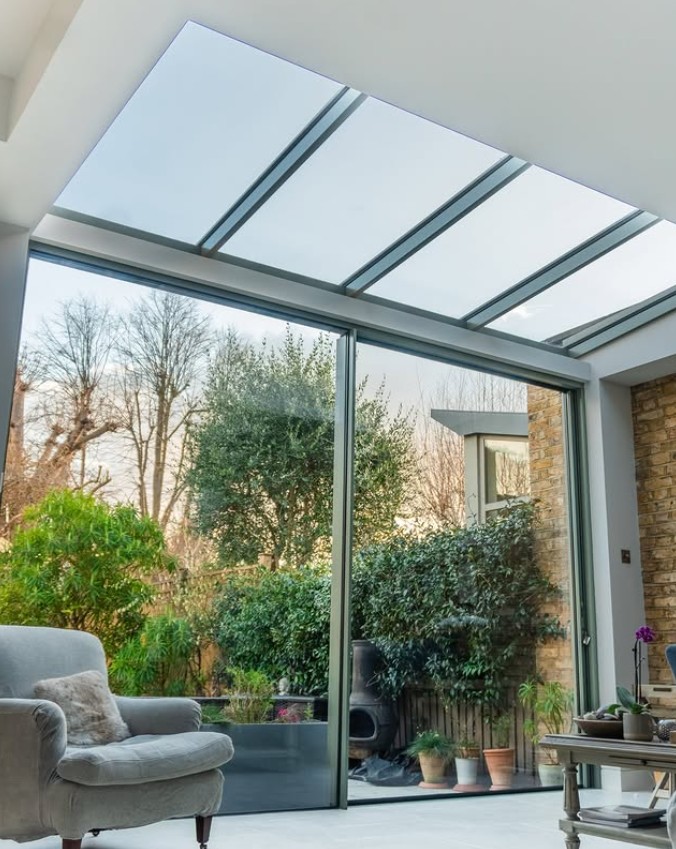
Glazing System Comparison
Choosing the right glazing system is crucial for performance, aesthetics, and budget. Here's a comparison of common options:
| Feature | Bifold Doors | Sliding Doors | French Doors |
|---|---|---|---|
| Opening Size | Very large, near 100% opening | Large, typically 50-75% opening | Small to medium, 50% opening |
| Frame Thickness | Moderate to thick (multiple panels) | Slim to moderate (larger glass panels) | Moderate |
| Views (when closed) | Good, but multiple vertical sightlines | Excellent, fewer vertical sightlines | Good, but central frame division |
| Space Requirement (when open) | Panels fold and stack internally or externally | Panels slide and stack within the frame | Doors swing outwards or inwards |
| Flush Threshold | Achievable with careful design & drainage | Easily achievable with careful design & drainage | Less common, usually a small step |
| Cost (approx.) | High | Medium to High | Medium |
| Maintenance | Moderate (tracks need cleaning) | Moderate (tracks need cleaning) | Low |
Practical Considerations for UK Climates
While the UK climate can be unpredictable, a well-designed indoor-outdoor space can still thrive:
- Weather Protection: Consider incorporating an overhang, pergola, or retractable awning to offer shelter from rain and strong sun, extending usability.
- Wind Management: In exposed locations, design elements like garden walls or strategic planting can help create sheltered outdoor zones.
- Heating & Cooling: As mentioned, high-performance glazing, underfloor heating, and solar control are vital for year-round comfort.
- Durability of Materials: Choose outdoor materials that are genuinely weather-resistant, slip-resistant, and easy to maintain.
- Pest Control: Consider insect screens for doors if you anticipate issues with flies or other pests, especially during warmer months.
Bringing Your Vision to Life with Shard AG
Creating a truly exceptional indoor-outdoor living space requires expertise in design, glazing technology, and Building Regulations. At Shard AG, we specialise in high-performance architectural glazing solutions that seamlessly integrate your home with its surroundings. From bespoke bifold and sliding doors to expansive glazed walls, our team works with homeowners, architects, and builders across the UK to deliver stunning, energy-efficient, and compliant glazing systems. We understand the nuances of UK climates and Building Regulations, ensuring your project is not only beautiful but also performs flawlessly for years to come. Contact us today to discuss your indoor-outdoor living aspirations and discover how our tailored glazing solutions can transform your home.
Explore Our Products
Discover how Shard Architectural Glazing can transform your home with our premium glazing solutions:
Ready to Transform Your Home?
Get in touch with our expert team for a free consultation and personalised quote. We'll help you choose the perfect glazing solution for your property.